REVIEW · SICILY
Typical Sicilian Cooking Course overlooking the Archaeological Park
Book on Viator →Operated by Maria Rita · Bookable on Viator
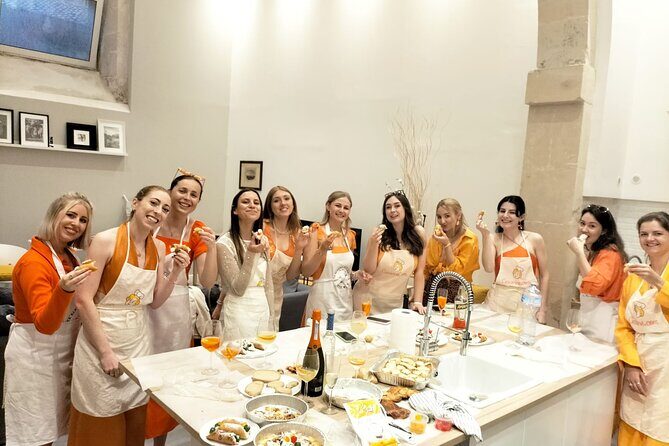
Handmade pasta, ancient views, and a real family kitchen. I love the private, hands-on setup and the way you actually cook multiple Sicilian dishes, not just watch. I also like that the table is set with views toward ancient Syracuse, so dinner feels special even though it’s casual. One thing to consider: this happens in a home kitchen, so it’s not the same big, commercial-coaching vibe you might expect from cooking schools.
This is a 3-hour experience in Siracusa that runs Tuesday to Saturday (two daily time blocks), with instruction in English and a mobile ticket. After you book, Maria Rita contacts you to decide the menu together, and the cooking can be adjusted for vegans, vegetarians, people who eat fish, celiacs, and meat-eaters.
Expect to learn practical technique and then eat what you make. Included drinks are part of the experience too, including wine for adults, plus water and coffee or tea.
In This Review
- Key highlights you’ll feel right away
- A private home-cooking class overlooking ancient Syracuse
- Before you arrive: menu choices for vegan, celiac, and everyone else
- The 3-hour flow: from first touch to shared lunch
- What you’ll cook: busiate with Trapanese pesto and more
- Busiate (durum wheat semolina pasta)
- Trapanese pesto: garlic, basil, tomato, parmesan, and the secret part
- Starter options: bruschetta or parmiggiana
- Another main option: Typical Siracusana pizza
- Desserts: cannolo, tiramisu, or almond biscuits
- The included drinks: wine, water, coffee or tea
- The meeting point and timing: how to fit it into your day
- Price and value: what $120.02 buys you in real terms
- Who this class suits (and who might want something else)
- Should you book this Sicilian cooking class in Siracusa?
- FAQ
- How long is the cooking course?
- How much does it cost?
- Is this experience private?
- What language is the class offered in?
- What’s included with the meal?
- Can the menu be adapted for vegan or gluten-free needs?
Key highlights you’ll feel right away
- You choose your menu with Maria Rita after booking, including vegan and gluten-free options.
- Hands-on pasta time, including busiate-style pasta and technique you can repeat at home.
- Sicilian pesto + classic starters/desserts built around real ingredients and simple method.
- A home-table meal with included wine and a view looking toward the archaeological park.
- Truly private by default, so you and your group get full attention during the prep.
A private home-cooking class overlooking ancient Syracuse
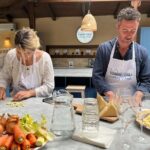
If you like your food experiences to feel human, this is the right model. You meet at Via Costanza Bruno, 10, in Siracusa, then head into Maria Rita’s home kitchen. Several reviews point to the balcony/table view as a big part of the magic. Even if you’re not a history buff, you get that sense of place while you cook.
I especially like the balance here: it’s structured enough that you’ll learn real technique, but it still feels like you’re being welcomed for a meal that happens to include cooking. Your group size is limited to your party only, which matters. With a private class, questions don’t get lost and the host can slow down when hands are learning new steps.
The home-kitchen setting is the only realistic “watch out.” If you’re imagining a big, stainless-steel classroom, you might feel a little cramped. But that’s also what makes it authentic. You’re cooking in the same kinds of spaces locals use, not in a staged demo room.
You can also read our reviews of more cooking classes in Sicily
Before you arrive: menu choices for vegan, celiac, and everyone else
One of the smartest parts of this class is that the menu isn’t fixed in a way that ignores real diets. The experience description makes a point that Sicilian cuisine is for everyone, naming vegans, vegetarians, celiacs, fish-eaters, and those who eat meat.
After you book, Maria Rita reaches out so you can decide what you’ll cook. That matters because Sicilian cooking works best when the ingredients and substitutions make sense. If you’re gluten-free, for example, you’re not just removing one ingredient; you’re adapting dishes so you still get the flavors and structure.
Based on what’s been taught in past sessions, you can also expect variety beyond the sample menu. Some groups have learned pasta in multiple shapes and paired dishes that go beyond pesto and basic sweets. You’re not just ticking boxes. You’re building a repertoire that fits your preferences.
If you have dietary needs, send them early and be clear. The experience is designed to adjust, but the smoother the planning is, the more you’ll get from the hands-on cooking time.
The 3-hour flow: from first touch to shared lunch
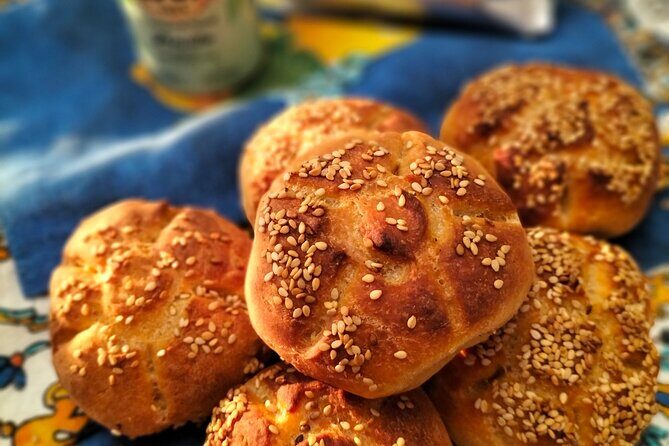
This class runs about 3 hours. The opening hours are split into two blocks on Tuesday through Saturday: 10:00 AM to 1:00 PM, and 5:00 PM to 8:00 PM. That’s a big deal for planning, because you can pair it with other Siracusa highlights without rushing.
Here’s the rhythm you should expect once you’re in the kitchen:
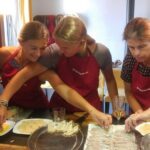
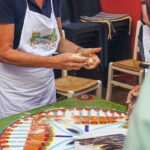
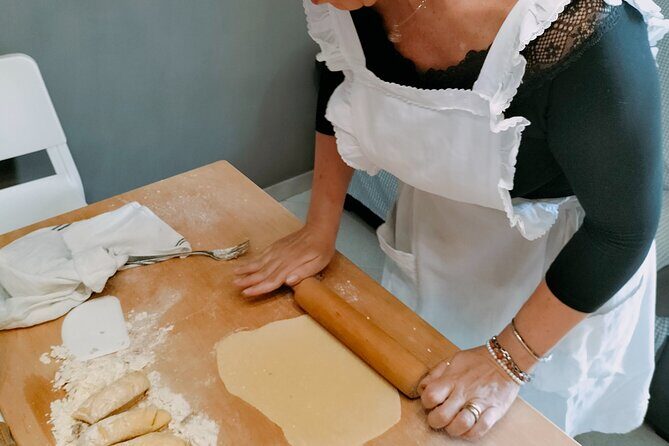
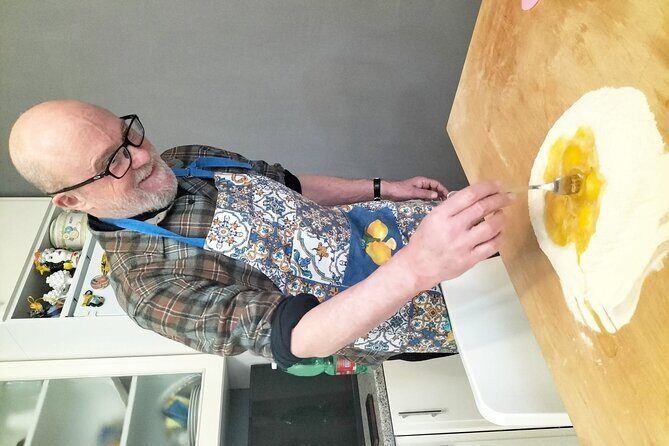
You start with a welcome and menu confirmation. Then you move into prep, where technique is demonstrated and you copy it step by step. The focus stays on making Sicilian food feel simple. The host positions everything as doable: dough, shaping, chopping, sauces, assembly, then baking or finishing where needed.
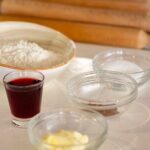
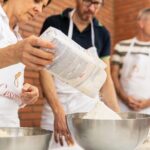
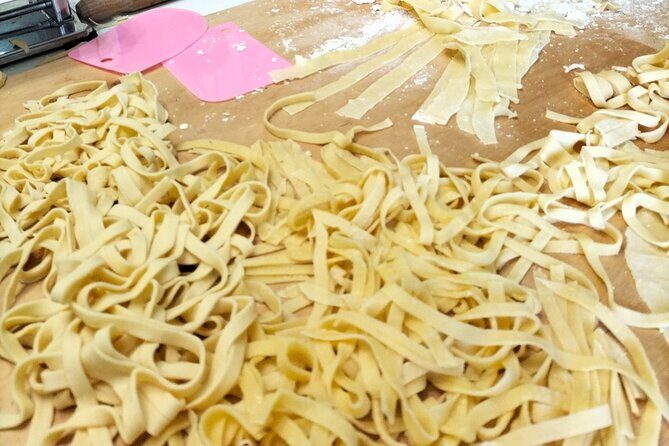
A typical session includes handmade pasta work. The sample menu mentions busiate—durum wheat semolina pasta in that signature Sicilian style. In practice, you’ll learn the method for dough and shaping rather than just eating a finished dish. That’s where the learning sticks, because you understand texture and timing, not just ingredients.
After pasta prep, you shift into the rest of the meal: pesto and a starter, then dessert. Finally, you sit down to a shared table. Several past sessions have included a long, relaxed eating moment with wine and coffee or tea, which is the payoff. You get to taste what you made while the view does its job in the background.
The nice part is that it doesn’t feel like you’re racing. The pacing is built around guidance, not speed. In reviews, groups describe getting patience and feedback while they’re working.
What you’ll cook: busiate with Trapanese pesto and more
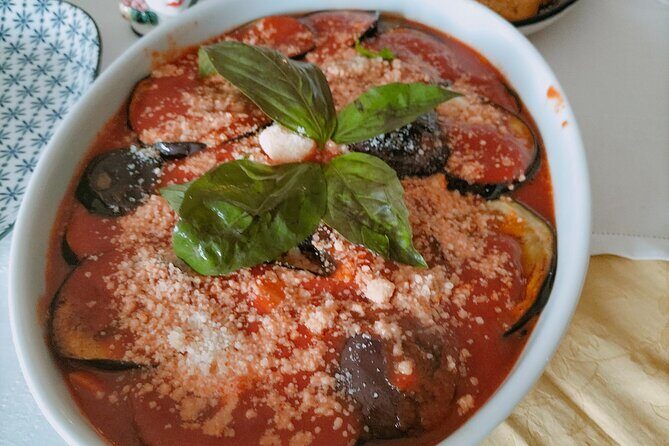
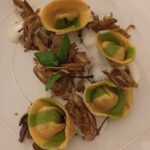
The sample menu is a good snapshot of what this experience centers on: Sicilian flavors you can recreate. The main dish is busiate with Trapanese pesto.
Busiate (durum wheat semolina pasta)
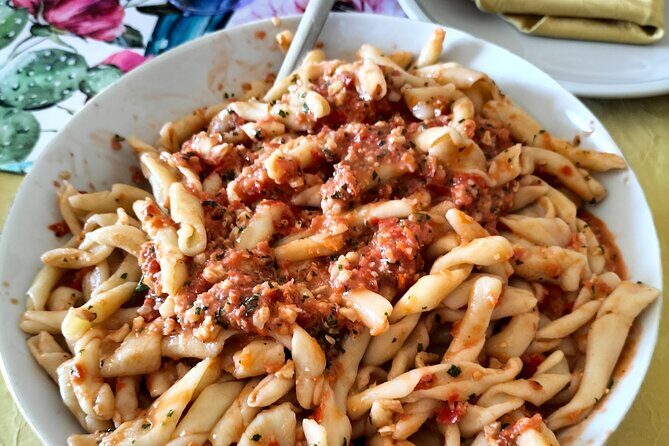
Busiate are made from durum wheat semolina, and they have that characteristic shape that helps sauces cling. If you’ve never made this kind of pasta, you’ll likely notice how the dough texture changes your handling. That’s the core skill you’re learning: how to work the dough so it rolls and shapes well.
And yes, it can take more effort than expected. Several accounts mention that shaping pasta takes concentration, but the teaching makes it feel manageable. The goal is not perfection; it’s technique you understand.





Trapanese pesto: garlic, basil, tomato, parmesan, and the secret part
The pesto listed in the sample menu includes garlic, basil, tomato, parmesan, and secrets iii. That “secrets” line is a playful clue that the host doesn’t just dump ingredients and call it done. You’ll learn how the elements come together so the pesto tastes like Sicilian pesto rather than an Italian-style shortcut.
If you want to bring Sicily home, this is a good target. Basil + tomato + garlic + cheese is a foundation, but the method determines whether it tastes fresh and balanced or heavy.
Starter options: bruschetta or parmiggiana
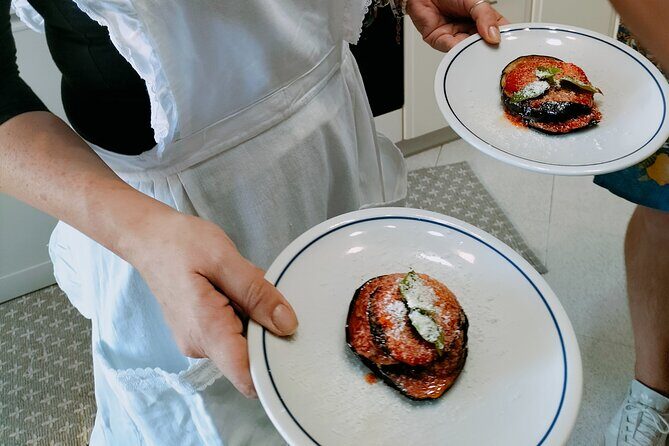
Your starter may be bruschetta or parmiggiana, depending on the menu you choose together with Maria Rita. Both fit the Sicilian pattern: simple components that taste better once you assemble them with care.
This is also where you’ll likely practice cooking basics you can repeat. Whether it’s building a bruschetta plate or assembling something parmiggiana-style, you get hands-on time with textures and timing.
Another main option: Typical Siracusana pizza
The sample menu also lists a typical Siracusana pizza as a main. That’s a useful addition if you want more than pasta skills. It broadens your take-home repertoire so you’re not stuck making pasta every time you want Sicilian flavor.
Desserts: cannolo, tiramisu, or almond biscuits
Dessert is where many cooking classes either win big or fall flat. Here, the menu offers serious Sicilian favorites: cannolo, tiramisu, or almond biscuits.
One reason I like this setup is flexibility. If you prefer lighter sweetness, tiramisu might fit. If you want classic Sicilian crunch and filling, cannolo makes sense. Almond biscuits can work well if you’re looking for something that feels less custardy.
In past sessions, desserts have also included cannoli variations and other Sicilian sweets. The common thread in the teaching is that you don’t just get a recipe. You get the step-by-step process that makes the final texture work.
The included drinks: wine, water, coffee or tea
Included with the meal are bottled water (still and sparkling), plus red or white wine, and coffee or tea. That’s good value because you don’t have to budget extra for drinks or worry about finding a place to sit and order at the last minute.
There’s one rule to keep in mind: consumption of alcohol is allowed only for those over 18 years of age. If your group includes minors, you can still enjoy the class and meal without alcohol, since water and coffee or tea are included.
The meeting point and timing: how to fit it into your day
You meet at Via Costanza Bruno, 10, 96100 Siracusa SR. The activity ends back at the meeting point, so plan your transport with that in mind.
It’s listed as near public transportation, which is helpful in a town where walking is great but you still want options when you’re tired. The times are practical too: 10:00 AM to 1:00 PM gives you a solid late morning meal, while 5:00 PM to 8:00 PM fits a proper dinner slot.
A fun planning move: if you want a little culture before or after, Neapolis is close enough for a short walk. One review mentions a seven-minute walk to the Neapolis Archaeological Park, which is exactly the kind of combo that makes a half-day feel like a full story.
If you’re visiting major sights the same day, pick your order. Do the cooking earlier if you want energy for walking. Do it later if you want to get off your feet first and enjoy the view while you eat.
Price and value: what $120.02 buys you in real terms
At $120.02 per person, this isn’t an impulse purchase. But it also isn’t priced like a fancy tasting event. You’re paying for three things that add up fast:
- Instruction and guidance during hands-on cooking
- A private group setup, meaning less waiting and more feedback
- A full meal with included drinks (water, wine, and coffee or tea)
Because drinks are included and alcohol is controlled by age, you won’t get surprised by add-ons the way you might at a restaurant. The menu planning also matters here. If you can select vegan, vegetarian, or gluten-free options, you’re getting real accommodation rather than a generic “we removed one ingredient” version.
If you’re traveling as a couple or small group, private attention is usually where the value becomes obvious. You’re not sharing your focus with strangers, and the host can help with technique while you’re shaping pasta or assembling dishes.
Who this class suits (and who might want something else)
This cooking experience fits best if you want:
- A hands-on Sicilian lunch or dinner, not just a meal
- Real technique you can repeat at home, especially for pasta and pesto
- A host who will work with your menu choices and dietary needs
- A small, private atmosphere with time to actually eat
It’s less ideal if you want a quick, low-effort food tour. This is cooking. You’ll work during the session, and the value comes from doing the steps, not just watching.
It’s also not the best match for people who strongly prefer restaurants or who need a very large, formal classroom setting. The home-kitchen approach is part of the authenticity, but it’s still a working kitchen.
Should you book this Sicilian cooking class in Siracusa?
Yes, if your idea of a great trip includes learning skills you can bring home. The strongest reasons to book are the private setup, the hands-on pasta and pesto focus, and the meal experience with included drinks plus the archaeological-park view vibe.
Book it especially if you have dietary needs. The experience explicitly mentions options for vegans, vegetarians, celiacs, and different preferences around fish and meat. That menu flexibility is rare in hands-on classes, and it’s where you can feel confident you won’t be stuck with a compromise plate.
If you’re the type who wants a big-city tour bus and a tightly scripted checklist, this may feel too homey. But if you want a genuine Sicilian meal you helped build, this is the kind of afternoon or evening that makes Siracusa stick in your memory.
FAQ
How long is the cooking course?
It lasts about 3 hours.
How much does it cost?
The price is $120.02 per person.
Is this experience private?
Yes. It’s a private tour/activity, and only your group participates.
What language is the class offered in?
The experience is offered in English.
What’s included with the meal?
Bottled still and sparkling water, red or white wine, and coffee or tea are included.
Can the menu be adapted for vegan or gluten-free needs?
Yes. The experience states it can accommodate vegans, vegetarians, and celiacs, along with different preferences such as fish or meat. After booking, the host contacts you to decide the menu together.
If you want, tell me your travel month and whether anyone in your group is vegan, vegetarian, or celiac, and I’ll suggest the best time block (morning vs late afternoon) and a simple Siracusa plan around this class.