REVIEW · TAORMINA
Taormina: Arancino making class
Book on GetYourGuide →Operated by Cooking Class Taormina · Bookable on GetYourGuide
A single snack-sized goal can teach you a whole craft. This Taormina arancino making class focuses on the parts people usually mess up: the crust and the filling. I love that it’s a hands-on, step-by-step lesson with the satisfaction of eating what you made, plus take-home perks like an apron and an official certificate. A possible drawback: you’ll want to bring the right pace—this is a cooking class, not a quick food tour stop.
The setting is also a big part of the fun. One instructor I’ve heard about, Luca, is known for explaining each step clearly, while another, Paolo, ran an outdoor-style session where the whole experience felt relaxed and social. This works best if you like rolling up your sleeves and learning the method, even if you’re not a confident cook yet.
In This Review
- Key Highlights You’ll Feel Right Away
- Sicily’s Favorite Crunch: Why Arancino Is Worth Learning
- Where the Class Starts Near Porta Messina
- The Full Experience Time: Market, Making, and Lunch
- Taormina Regional Market: Ingredient Sense-Making (Not a Lecture)
- Inside the Arancino Lesson: The Crust and Filling Secrets
- Coffee Break and Drinks: Small Comforts That Make It Enjoyable
- What You’ll Eat: Your Arancini at the Table
- Dietary Options: Vegetarian, Gluten Free, and Lactose Intolerance
- Family-Friendly Cooking Without the Chaos
- Gifts and the Official Certificate: Why You’ll Remember It
- Price and Value: Is $94 Worth It?
- Who This Class Suits Best (and Who Might Skip It)
- Should You Book the Taormina Arancino Making Class?
- FAQ
- How long is the arancino experience?
- What is included in the class price?
- Can the class accommodate vegetarian and gluten-free diets?
- Where do I meet for the class in Taormina?
- Who teaches the class and what languages are offered?
- Is it suitable for kids?
- What are the booking and cancellation rules?
Key Highlights You’ll Feel Right Away
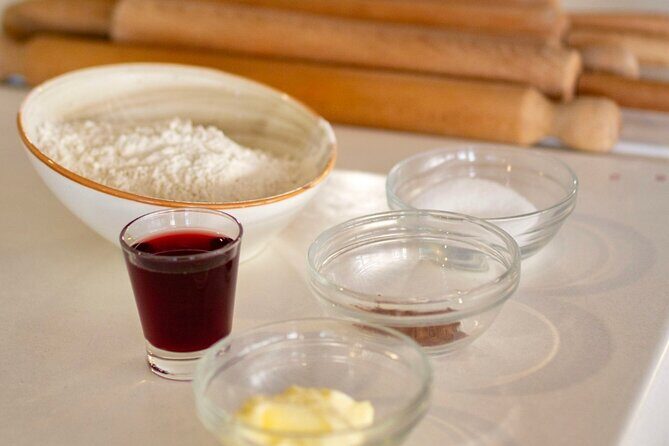
- Market stop in Taormina that connects the class to real local ingredients
- Step-by-step pro instruction (with clear guidance from instructors like Luca and Paolo)
- Vegetarian and gluten-free friendly options, plus lactose-intolerant support
- Lunch built around your arancini with drinks to match
- Apron + official certificate so you leave with more than a full stomach
- Family friendly pacing including free or reduced pricing for kids
Sicily’s Favorite Crunch: Why Arancino Is Worth Learning
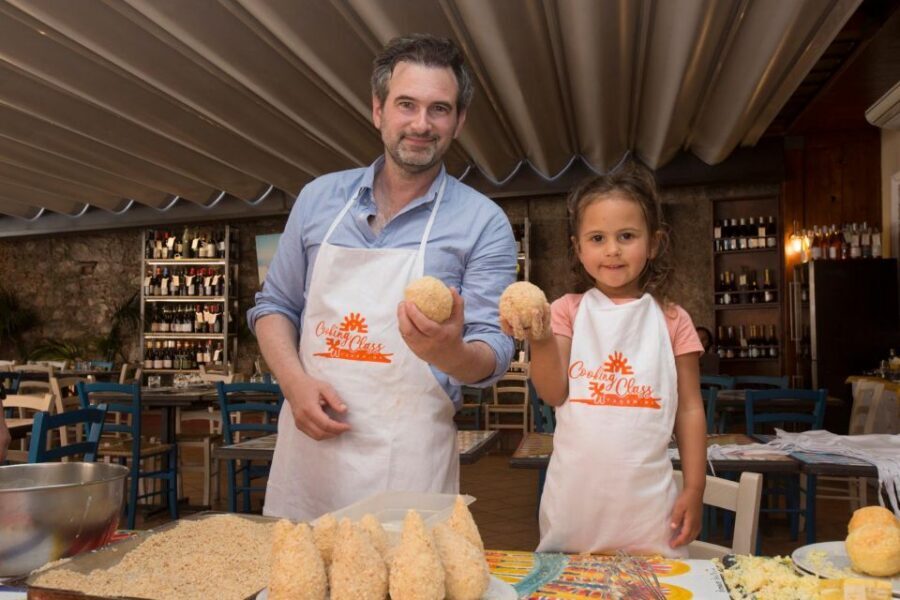
Arancino isn’t just street food in Sicily—it’s a skill. The shape looks simple until you try it: you’re balancing rice texture, crust thickness, and filling so it holds together and still tastes right.
What I like about this class is the focus on method over magic. You’re not just copying a photo. You learn how to build the arancino, how to prep the filling, and how to get the crust right so the end result feels like Sicilian comfort food, not a vague rice ball.
And because the lesson is hands-on, you’ll actually remember it. When you make one successfully, you get why people get protective about their technique—crust, heat, and timing all matter.
One more thing: the “fun” factor isn’t fluff. A class that gives you a coffee break and then sends you to eat what you made keeps the energy up and makes the learning stick.
You can also read our reviews of more tours and experiences in Taormina



Where the Class Starts Near Porta Messina
The meeting point is easy to find once you’re in central Taormina. You’ll meet in front of the Porta Messina Pizzeria Restaurant at Largo Giove Serapide 4.
This location is convenient for two reasons. First, it keeps the class close to the main action, so you don’t lose half your day traveling across town. Second, the area is walkable and simple to orient yourself with—Taormina is steep in places, but you won’t need a car to start this experience.
If you arrive a bit early, you’ll likely have time to get your bearings and settle in before the group begins. That matters for cooking classes, because the best learning happens when you’re not rushing.
The Full Experience Time: Market, Making, and Lunch
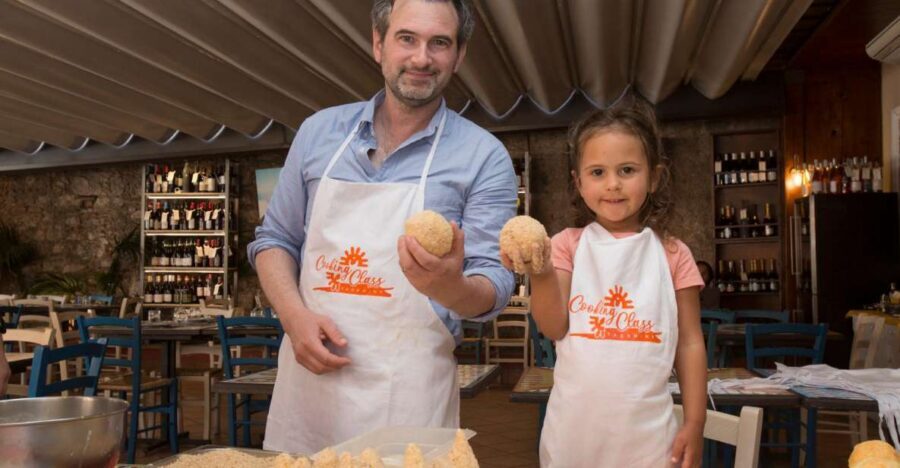
The schedule is structured around more than just the cooking. You’ll spend time at the Taormina Regional Market, then take part in a traditional Sicilian cooking class, then sit down to dine on arancini prepared by you.
The timing is described in two ways: the arancino-making experience includes about 90 minutes of cooking, while the full offering is listed as about 3 hours plus lunch. In practical terms, plan on a half-morning to early-afternoon block so you’re not squeezing this between tight transfers.
This pacing is a good value for you. You get a market context (even if it’s not a deep technical lecture), you get real hands-on work, and you finish with a meal. That’s how you leave with both skills and something satisfying to eat.
If you only want a quick bite, this may feel long. But if you like learning by doing, that extra time is the point.
Taormina Regional Market: Ingredient Sense-Making (Not a Lecture)
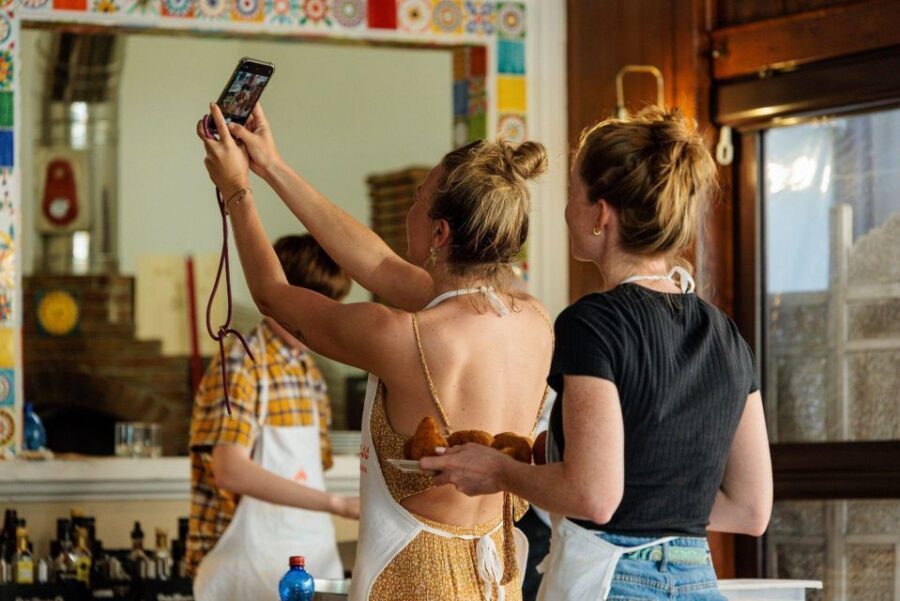
Before your hands start cooking, you’ll visit the Taormina Regional Market. The point here isn’t to memorize recipes from a slideshow. It’s to connect the class to the ingredients that shape Sicilian cooking.
Even if you don’t buy everything, a market visit helps you see what’s available and what “fresh” means in this region. For arancino, that ingredient awareness matters because your filling should feel balanced, not random.
This is also a nice reset for your brain. After you watch and prep, you’ll be ready to do the steps with better focus—because you’ve already seen the components up close.
If you hate crowds or prefer quiet, consider this: markets can be lively. But this is a short stop and built into the overall flow, so it doesn’t feel like an exhausting detour.
Inside the Arancino Lesson: The Crust and Filling Secrets
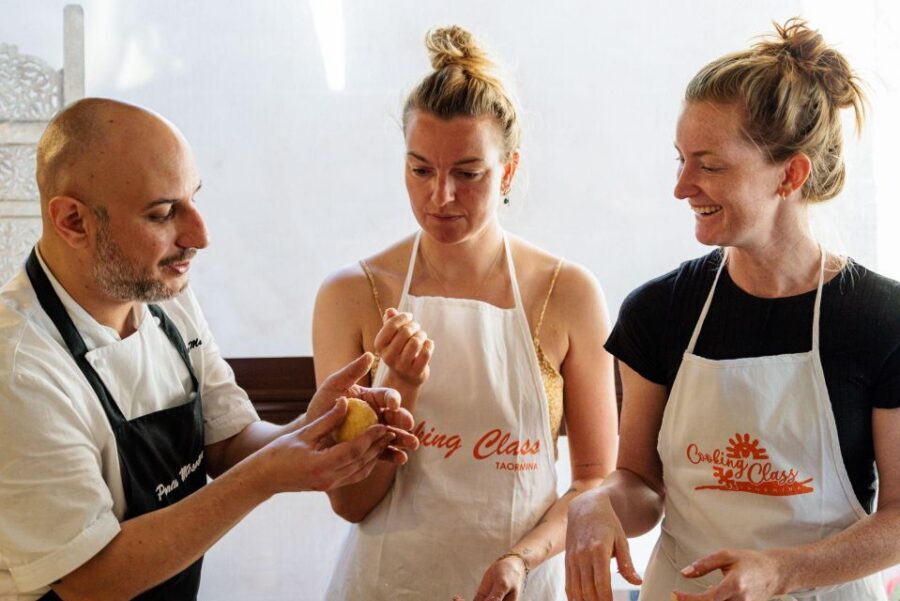
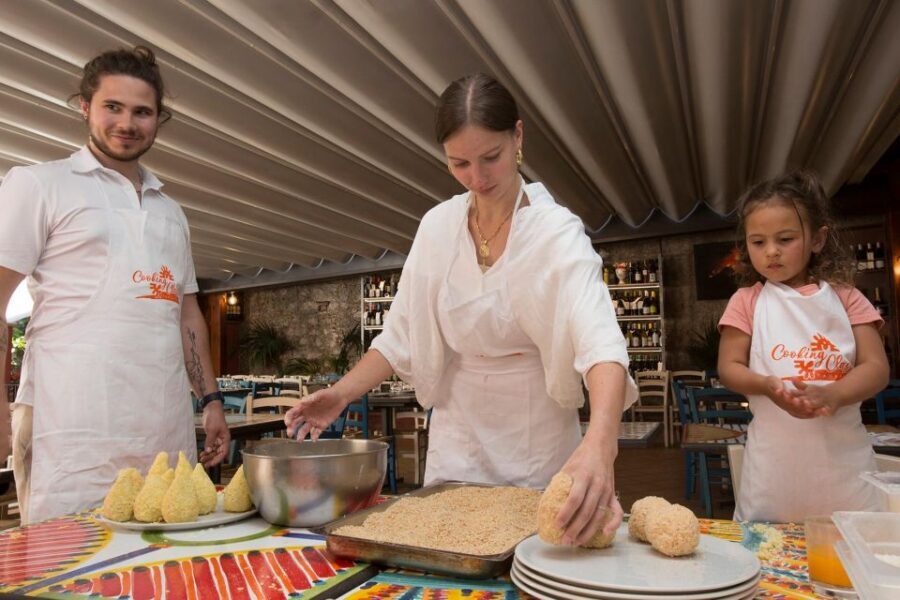
This is the heart of the experience. You’ll learn the full arancino process, including cooking and preparing the filling and the crust, plus the other steps that make the final shape work.
Here’s what makes this kind of class valuable: arancino has a few tricky checkpoints. If the rice is off, the texture won’t hold. If the filling balance is wrong, the bite feels heavy or dry. If the crust prep isn’t right, you’ll struggle to form clean shapes.
A key part of the value is instruction quality. In reviews, instructors such as Luca are praised for being kind and for explaining steps in detail, with clear demonstrations. Paolo is also noted for running a smooth, fun session, with the cooking happening in an open-air restaurant setting.
So what should you expect while learning?
- You’ll make arancini yourself, step by step
- You’ll get guidance on how the filling goes in and how the crust comes together
- You’ll learn enough to repeat the technique later at home
Even if you don’t nail every step on your first try, you’ll get feedback and rhythm. That’s how you leave feeling more confident—not just fed.





Coffee Break and Drinks: Small Comforts That Make It Enjoyable
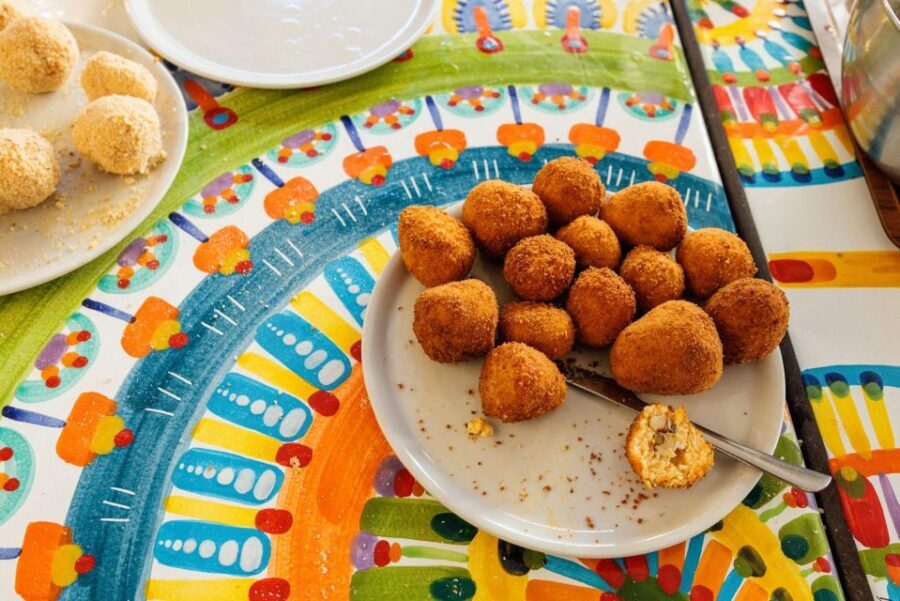
You’ll get a coffee break during the class. That sounds minor, but it’s not. Cooking lessons get tiring when you’re working with hands-on steps, waiting for components, and focusing on technique. A break keeps attention from slipping.
Then comes the food and drinks. Included in the experience are water, wine, and soft drinks with your meal. One review highlights that wine pairs nicely, and another mentions a shot of limoncello served with the tasting, alongside a small cannoli.
I’d treat the limoncello/cannoli pairing as a likely part of the overall tasting experience rather than a universal guarantee, since the listing emphasizes the core meal and drinks. Either way, the drinks help turn a “class” into an event.
What You’ll Eat: Your Arancini at the Table
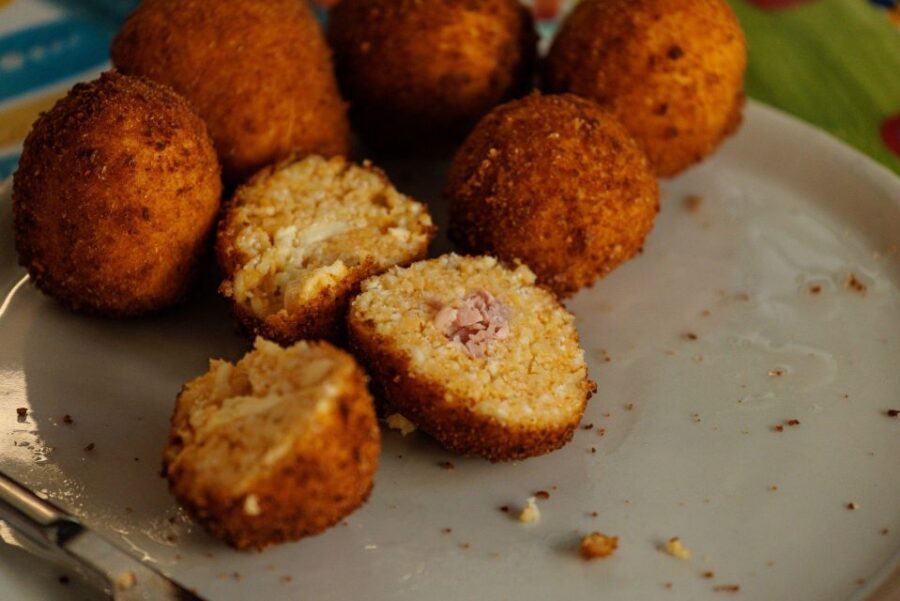
After making your arancini, you’ll dine on the meal prepared by you. This is a big deal for value.
Lots of cooking experiences end with watching and then eating something that looks similar but isn’t really yours. Here, the whole point is that you go from hands to plate. That means you can tell which step changed the result—texture, seasoning, and shape all come together in the same bite.
The meal is designed to be shared and relaxed. One review described the class happening around the restaurant area in an outdoor setting, and then tasting with wine and sweets. That kind of setup makes it feel like Sicilian hospitality, not a kitchen audition.
If you’re worried about being “good at cooking,” don’t. Your success is measured by learning and producing something edible and enjoyable. That’s exactly what you’ll do.
Dietary Options: Vegetarian, Gluten Free, and Lactose Intolerance
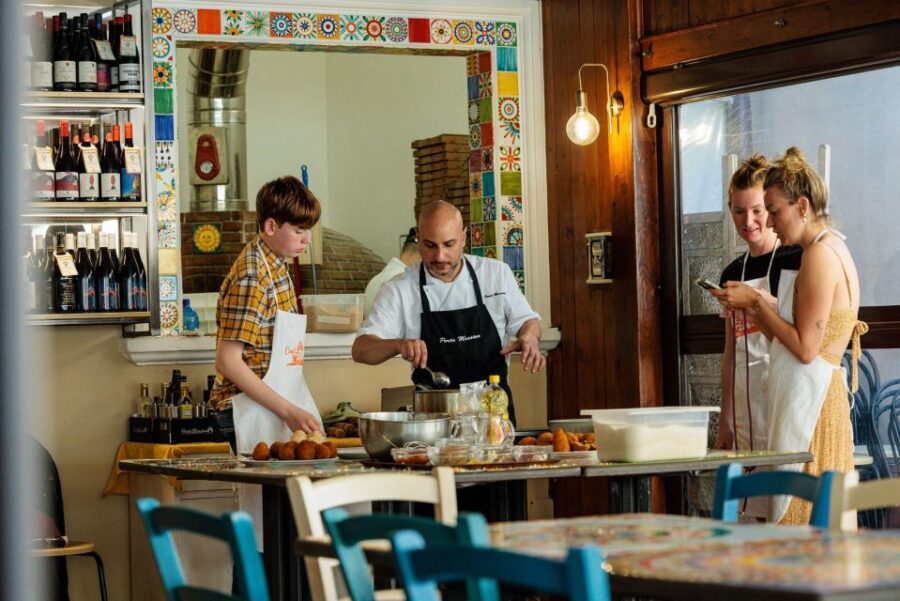
One of the strongest points for real-world planning is the ability to accommodate dietary needs. The class highlights vegetarian & gluten free, and it also notes options for lactose intolerance. It’s also available for vegan and other food intolerances.
This matters because arancino is rice-based, but the crust and ingredients can involve specifics that need care. Having an option means you don’t have to sit out the class or settle for a compromised meal.
Practically, I’d treat this as a big plus if you manage a restriction and want an experience that’s designed for you, not “hopefully close enough.” If you’re traveling with someone who can’t eat standard options, this is the kind of class that helps everyone participate.
Do note: the listing says it’s available for multiple needs, but it doesn’t explain how substitutions are handled. If your diet is strict, send the provider your requirements ahead of time so they can confirm the approach.
Family-Friendly Cooking Without the Chaos
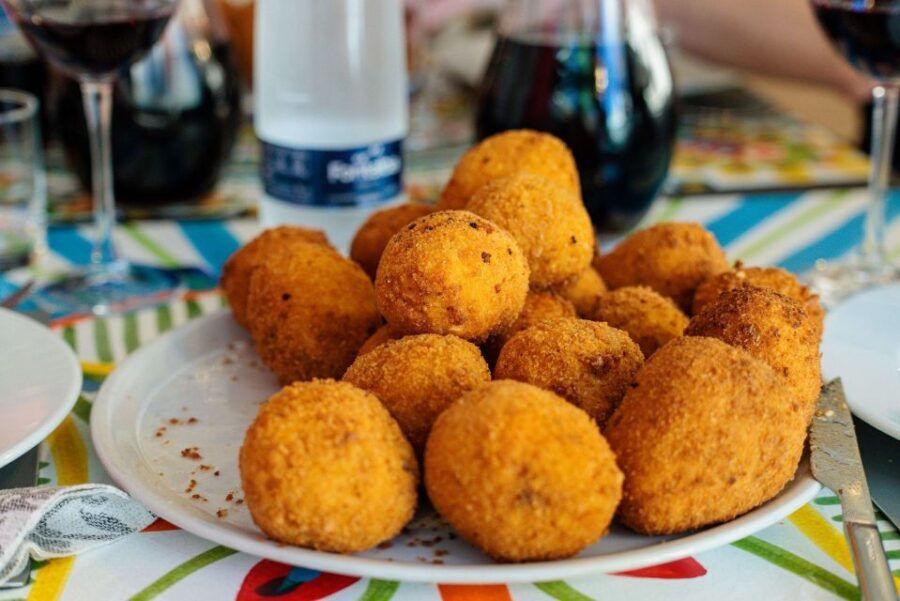
This is built for families. Children up to 3 years old attend for free, and children from 3 to 12 years old have a reduced price.
That pricing makes it more reasonable to bring kids who are curious. And the format helps: you can watch, learn, make, and then eat together. It’s structured enough to avoid total chaos, but interactive enough to keep kids engaged.
If you’re traveling with a toddler, note that the class still runs long enough that snacks and patience can matter. But overall, this is one of the more family-friendly ways to experience Sicilian food beyond just ordering from a menu.
Gifts and the Official Certificate: Why You’ll Remember It
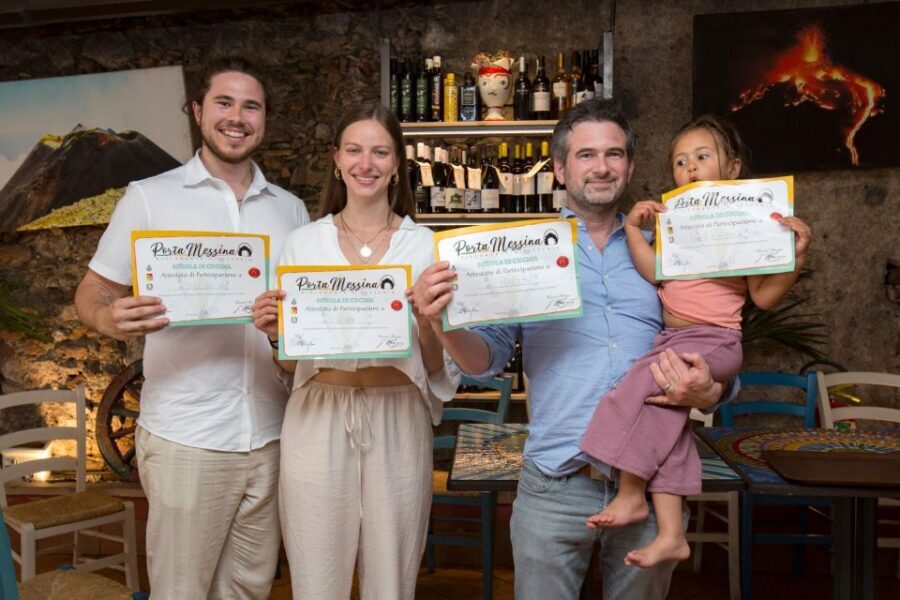
You don’t just leave with leftovers. You get a personalized apron and an official certificate.
That might sound like a small perk, but it’s actually part of the value. Cooking lessons stick when you can revisit the experience later—especially if you try making arancino at home. The apron is a daily reminder that you learned the method, not just the taste.
In reviews, people mention leaving with a tablier souvenir and a diploma feel, which matches the idea of taking something tangible home. It also gives the experience a sense of closure: you finish, you celebrate, you pack up your proof.
For gift-givers, this is also helpful. A certificate is a simple, meaningful keepsake for someone who loves food and learning.
Price and Value: Is $94 Worth It?
At $94 per person, this class isn’t a budget snack. But it does cover a lot in one outing.
You’re paying for:
- a market visit
- a professional cooking class
- coffee break
- your hands-on arancini making
- a sit-down meal with drinks
- a personalized apron and official certificate
For many people, the “value” isn’t just the food. It’s the fact that you get technique you can reuse. If you love Sicilian cuisine and want to bring a piece of it home, you’re buying competence.
If you’re only in Taormina for a quick bite, you might prefer a cheaper food tour or a restaurant meal. But if you want an experience with a clear outcome—arancini you made and can recreate—this price starts to feel more fair.
Who This Class Suits Best (and Who Might Skip It)
This arancino class is ideal if you:
- enjoy hands-on activities
- want to learn a specific Sicilian specialty
- need vegetarian, gluten-free, lactose-free, or vegan-friendly options
- travel with family members who like food experiences
- want a take-home souvenir beyond photos
You might skip it if:
- you dislike cooking or prefer passive sightseeing
- you’re short on time and want only a quick meal
- you want restaurant-style tasting with zero prep
For most food travelers, though, this hits a sweet spot: learn, cook, eat, and leave with a certificate.
Should You Book the Taormina Arancino Making Class?
Book it if you want a practical, repeatable skill and you like eating what you just made. Between the market visit, the step-by-step arancino process, and the fact that dietary needs are supported, it’s a strong choice for food-first travelers.
I’d only hesitate if your schedule is too tight for a roughly 3-hour block with lunch, or if you’d rather spend your time tasting different dishes instead of learning one dish deeply. If that sounds like you, choose a tasting-focused option.
If you like learning by doing, go for it. This is one of those experiences where you can walk out smiling, not just stuffed—and you’ll know what to do when you crave arancino again.
FAQ
How long is the arancino experience?
The arancino making portion is listed as about 90 minutes, and the full experience is listed as about 3 hours plus lunch.
What is included in the class price?
It includes the market visit, the traditional cooking class, coffee break, dining on arancini prepared by you, water, wine, soft drinks, an official certificate, and a personalized apron.
Can the class accommodate vegetarian and gluten-free diets?
Yes. It’s highlighted as vegetarian and gluten free, and it’s also available for lactose intolerant, vegan, and other food intolerances.
Where do I meet for the class in Taormina?
Meet in front of the entrance of the Porta Messina Pizzeria Restaurant at Largo Giove Serapide 4, Taormina (ME).
Who teaches the class and what languages are offered?
The instructor speaks English and Italian.
Is it suitable for kids?
Children up to 3 years old attend for free. Children from 3 to 12 years old have a reduced price.
What are the booking and cancellation rules?
There is free cancellation up to 24 hours in advance for a full refund, and you can reserve now and pay later. The class also notes that you should check availability for starting times.