REVIEW · TAORMINA
Taormina: Arancino Making Class with Drinks
Book on GetYourGuide →Operated by SAT Group · Bookable on GetYourGuide
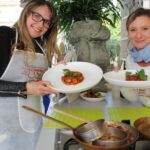
Frying arancino in Taormina beats cooking TV. This hands-on class turns you from spectator into cook as you learn shape, filling, and the crispy crust. I also like that dietary needs are taken seriously, with options for gluten-free and lactose intolerant meals. One drawback to consider: you’ll be on your feet and working near hot food, so comfortable shoes matter.
Meet at Pizzeria Porta Messina right by the Porta Messina Arch. Sessions run in Italian and English, and many guides rotate through roles like Paolo, Luca, Margherita/Marguerita, Francesca, and Mary, so expect friendly, practical instruction (and often a few laughs). You end by eating the arancino you made at the table, with water, wine, and soft drinks, plus an apron and a certificate to take home.
In This Review
- Key highlights worth your time
- Why Taormina arancino feels like the smart food choice
- Porta Messina Arch meeting point: arrive, orient, then relax
- Your arancino workflow: shape, filling, crust, then cooking
- The meal part: wine, soft drinks, and a table-to-mouth finish
- Dietary options: gluten-free, lactose intolerant, vegan, and more
- Chefs and teaching style: clear steps, patient vibes, and real names
- Price and value: what $94 buys you in Taormina
- Practical tips to make the class smoother
- Should you book this Taormina arancino class?
- FAQ
- How long is the arancino making class?
- Where do I meet for the class?
- What’s included in the price?
- Do you offer gluten-free or lactose-free options?
- Is extra alcohol included?
- What should I wear?
Key highlights worth your time
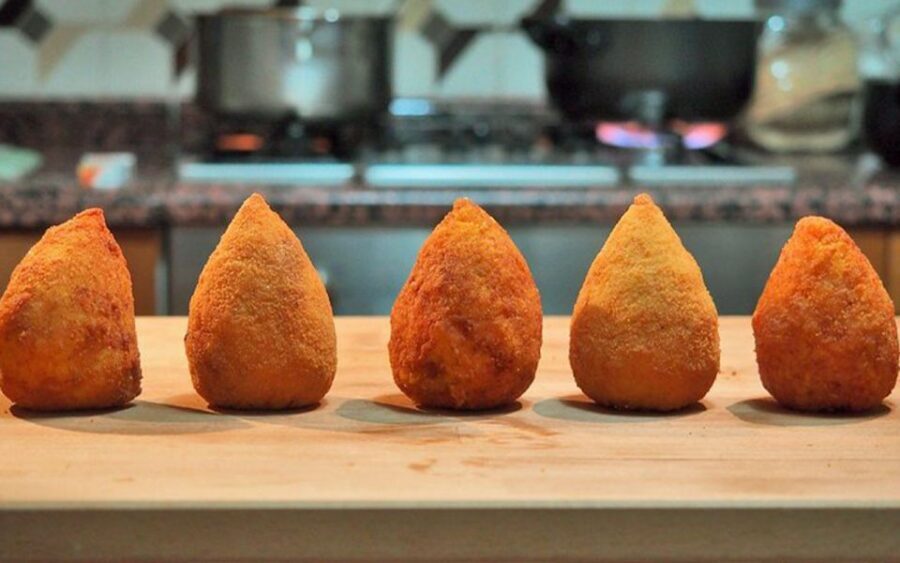
- Arancino basics you can repeat at home: shape techniques, filling, and the crisp coating, not just assembly.
- Real Sicilian street food training: you learn how this iconic snack is built and cooked properly.
- Airy patio setting near Porta Messina: you cook and eat in a lively restaurant courtyard feel.
- Big focus on dietary needs: gluten-free, lactose intolerant, vegetarian, vegan, and other food intolerance options.
- Chefs who teach in English: multiple instructors are praised for patience and clarity.
- Souvenirs included: apron plus a certificate, and you may leave with more food than you planned.
Why Taormina arancino feels like the smart food choice
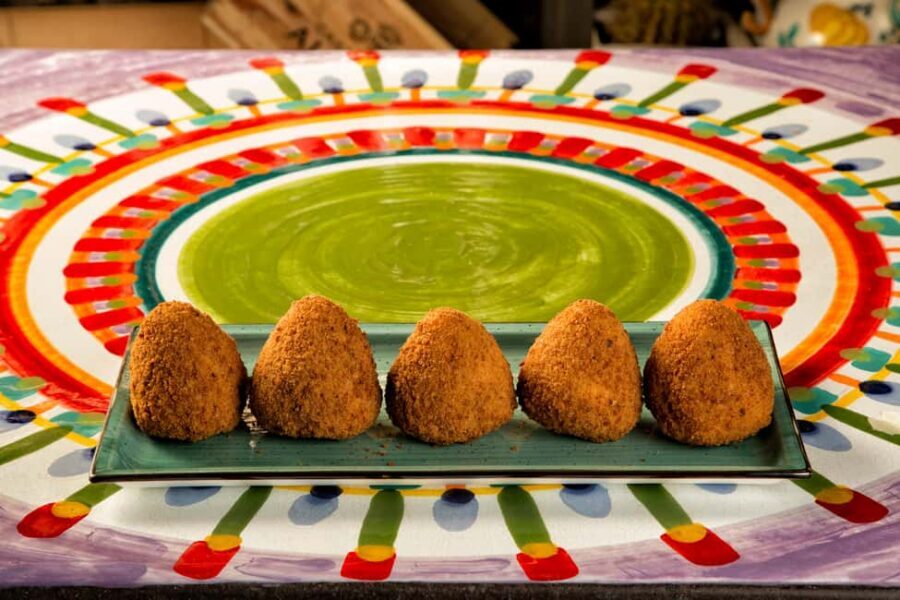
If you’ve ever stared at a street stall and thought, I can eat this anytime, this class gives you the reason it’s so good. Arancino in Sicily isn’t just a snack. It’s technique: the rice or base, the filling, the outer crunch, and the way everything holds together after frying.
Here’s what I like for first-timers: you’re not expected to already know what you’re doing. The format focuses on repeatable steps. And you learn the local naming too. In Taormina, you’ll hear arancino often in place of the more general arancini spelling, and some sessions even cover the difference between arancino and arancina so you aren’t left guessing.
The class length is only 1.5 hours, so you don’t get stuck in a long show-and-tell. You’ll work, you’ll taste, and you’ll eat what you make. That’s the difference between a cooking class that feels like a performance and one that gives you a real skill.
You can also read our reviews of more tours and experiences in Taormina

Porta Messina Arch meeting point: arrive, orient, then relax
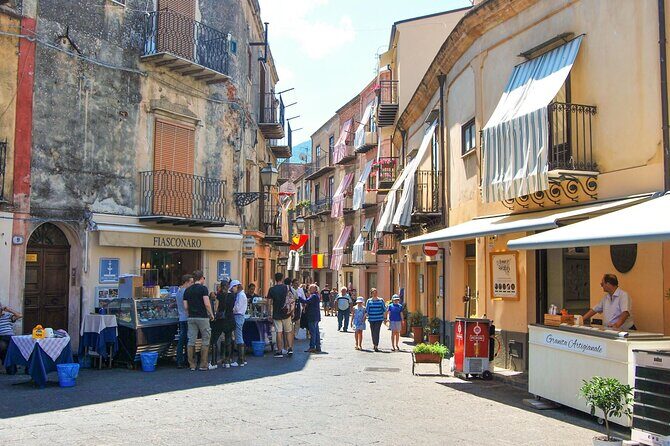
You meet at Pizzeria Porta Messina, beside the Porta Messina Arch. That’s a great location for two reasons. First, it’s easy to find once you’re in the Porta Messina area. Second, being near a main gateway means you can build this into your day without complicated logistics.
Wear comfortable clothes and shoes. You’ll be in a restaurant setting with an airy patio feel, so you want footwear that handles walking on uneven outdoor surfaces. Also, plan to arrive a few minutes early. The class moves quickly, and you’ll want a calm start before the hands-on part begins.
If you’re the type who gets anxious in food labs, don’t. The setup is made for learning. You’ll be guided through the process step-by-step, and the instructors are consistently praised for being patient and friendly in both Italian and English.
Your arancino workflow: shape, filling, crust, then cooking
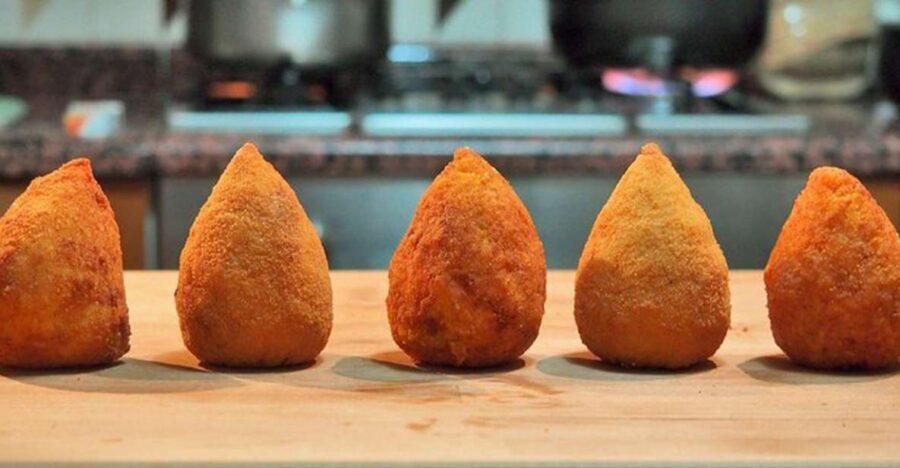
This is the core of the experience, and it’s why the class is worth the ticket price. You start with the secret to the shape. A good arancino is more than round. It needs structure, so the filling stays put and the coating fries up evenly.
Next comes the filling. You’ll learn how to prepare it so it tastes right and doesn’t leak or overpower the rice base. The idea is balance: you want flavor in every bite, not one big surprise in the middle.
Then you get the part that makes people obsessed: the crispy crust. Some sessions specifically explain how the outside coating differs from the rice base and how batter is handled right before frying. Even if you don’t memorize every detail, you’ll understand what makes the crunch work.
Finally, you get the last step: the final cooking. Depending on the pace of the group and the instructor style, you may spend more time shaping than frying, but the goal is that you still participate meaningfully from start to finish.
One practical note: you’ll likely make several arancino. A lot of people mention ending up with more food than they can eat in the class, and the meal is built around what you make. If you hate leftovers, you can still finish everything right there, but if you do like taking food home, you’ll probably be happy you brought a plan for it.
The meal part: wine, soft drinks, and a table-to-mouth finish
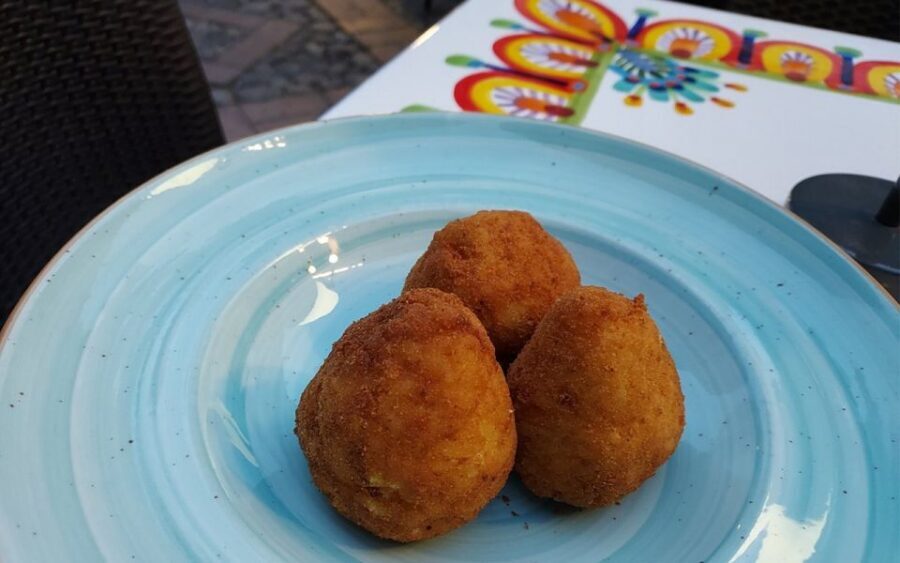
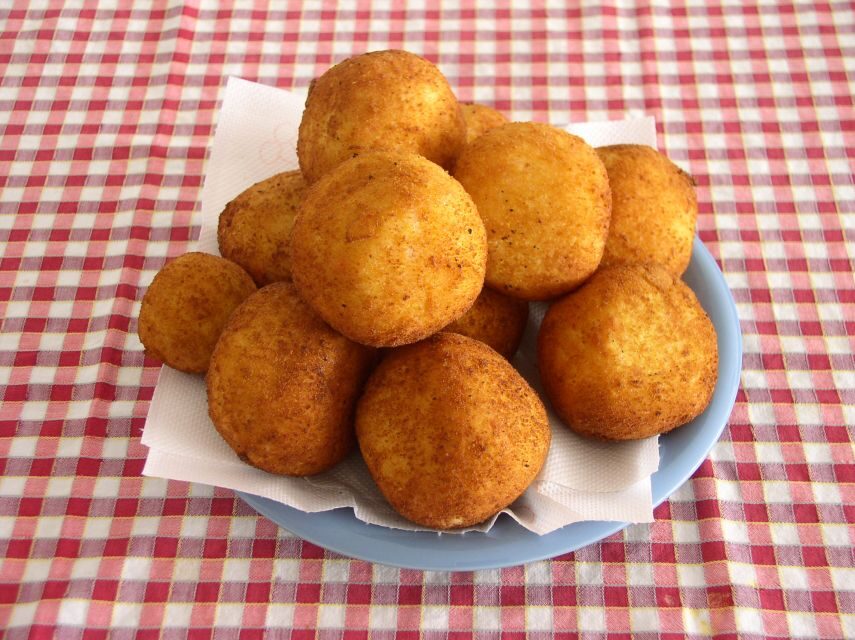
This class doesn’t end with a raw ingredient handoff. It ends with a meal comprised of the arancino you made, served at the table.
Included basics:
- Water
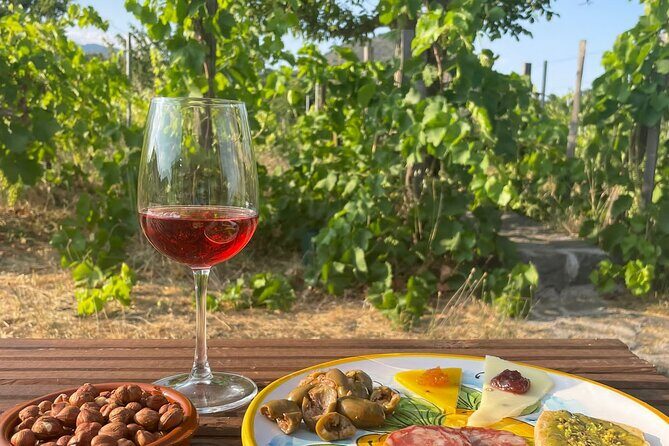
- Wine
- Soft drinks
- A coffee break
- An apron
That matters because arancino is best judged in context. You need the moment when it’s hot, crunchy, and intact after frying. Eating right away helps you understand what you did correctly. It also turns the “learning” part into a meal you can actually savor, not just sample politely and go.
Many sessions also add a sweet finish like cannoli and sometimes a shot of limoncello. It isn’t listed in the base inclusions, so treat it as a bonus you might receive depending on the session flow. Either way, the class format usually lands with something Sicilian and satisfying.
If you drink wine, pace yourself. Wine is included, and you’re also working with your hands. It’s fun, but you want steady comfort so you can focus on the shaping technique.
Dietary options: gluten-free, lactose intolerant, vegan, and more
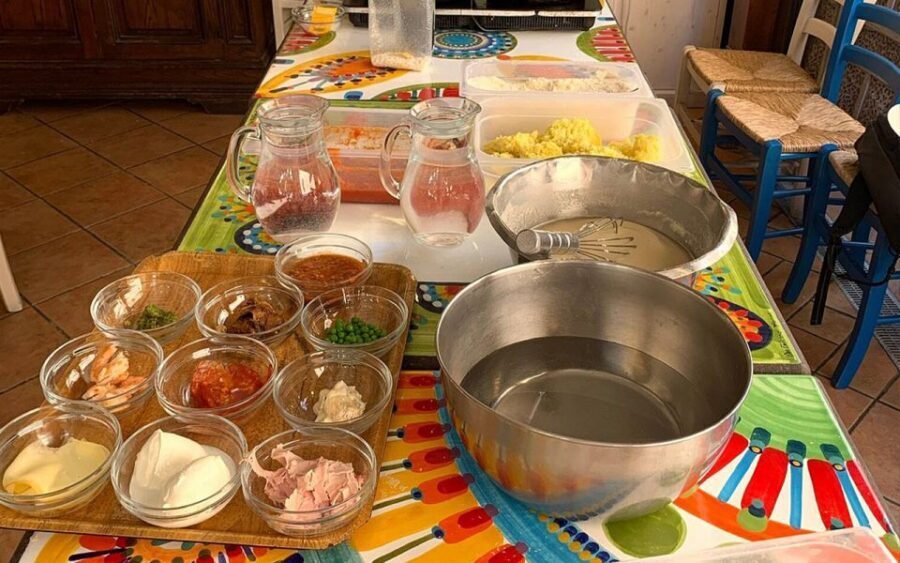
One of the strongest reasons to book this class is the range of food needs they handle. The activity states options for:
- Gluten Free
- Lactose intolerant
- Vegetarian
- Vegan
- Other food intolerance needs
That’s not just marketing language. People have described extra care for real-world issues like nut allergies, coeliac requirements, and situations where food separation matters. So if you have a specific allergy or dietary constraint, you should feel more confident than you would with a class that only says no dairy.
My advice: share your needs clearly when you book. If you’re coeliac, lactose intolerant, vegan, or avoiding nuts, be direct. Ask what substitutions they use and what separation they can manage. The more specific you are, the easier it is for them to set up your ingredients correctly.




Chefs and teaching style: clear steps, patient vibes, and real names
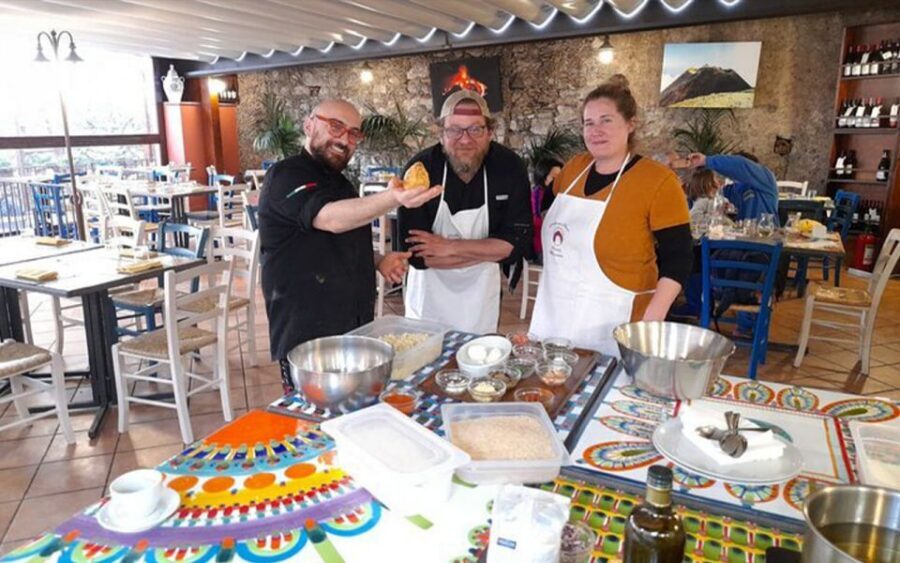
The quality of a cooking class often comes down to the instructor. Here, the teaching gets consistently positive notes, and you may be guided by chefs such as Paolo, Luca, Margherita/Marguerita, Francesca, Mary, Antonio, or Maurice.
What you’re looking for in a class like this:
- Patient instruction when hands get messy
- Clear pacing so you can actually finish each step
- Good English if that matters to you (and it’s part of the setup)
Some people also mention extra moments beyond the core lesson, like a behind-the-scenes look at the kitchen. That’s not guaranteed in the provided details, but if it happens, it’s a nice bonus because it helps you connect what you did with how the restaurant runs day-to-day.
If you’re traveling with kids, there’s also a good chance they’ll enjoy it. A few people have mentioned bringing children who were engaged and treated well. This is not a silent, formal class. It’s active and friendly.
Price and value: what $94 buys you in Taormina
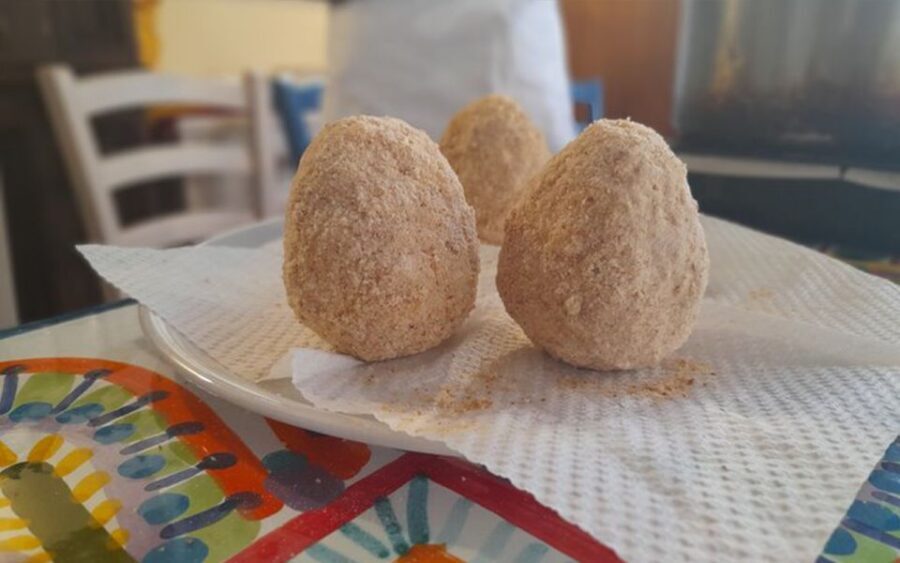
At $94 per person for 1.5 hours, you might wonder if it’s just a tourist activity. The value is in what’s included and what you take away.
You’re paying for:
- Hands-on instruction in making a Sicilian staple
- A full meal made from your own arancino
- Wine and soft drinks (plus water)
- A coffee break
- An apron souvenir
- A certificate
Then there’s the “practical souvenir” factor: you leave with skill, not just photos. Even if you never fry arancino at home again, you’ll understand the structure and technique so you can spot a well-made one on future trips.
Also, the setting helps. Cooking and eating near the Porta Messina Arch puts you in the heart of Taormina instead of an out-of-the-way studio. The combination of location, hands-on work, and the amount of food makes the price easier to justify.
If you’re comparing to a one-drink-only tasting experience, this is the better deal. You’re paying for a meal you cook yourself.
Practical tips to make the class smoother
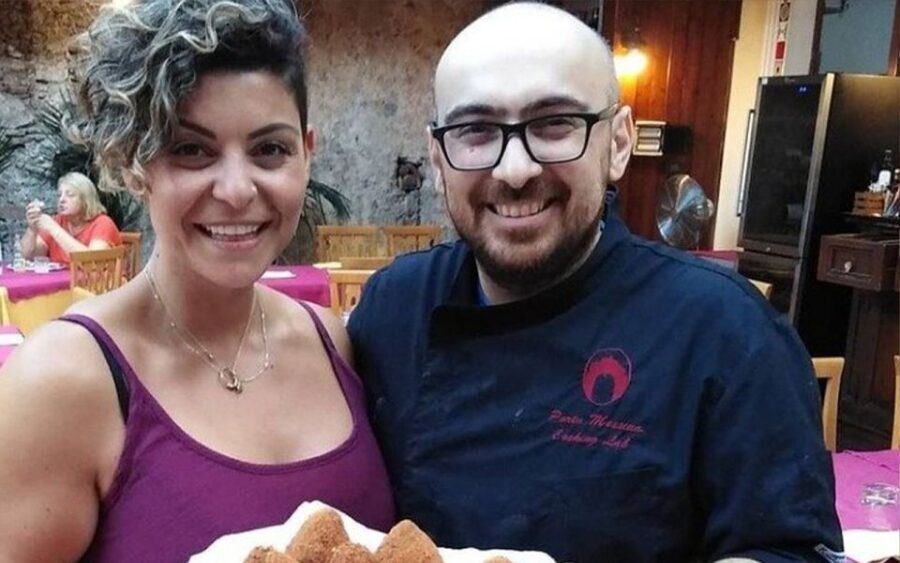
A few small things that make a difference:
- Plan your appetite. You’ll be making and then eating multiple arancino. If you’ve already had a big gelato and a long lunch, you’ll still likely manage, but you’ll feel the burn.
- Wear shoes you can stand in. The comfortable shoes note is there for a reason.
- Stay hydrated. Water is included, and wine is included too. Keep it balanced.
- Tell them about restrictions early. Gluten-free, lactose intolerance, and vegan options are available, but they work best when they have clear details.
- Keep a little flexibility in your schedule. The class runs for 1.5 hours, so don’t stack it tightly between other activities.
On the policy side, the class offers free cancellation up to 24 hours in advance and also supports reserve now & pay later. If you’re planning your Taormina days around weather and walking pace, that flexibility helps.
Should you book this Taormina arancino class?
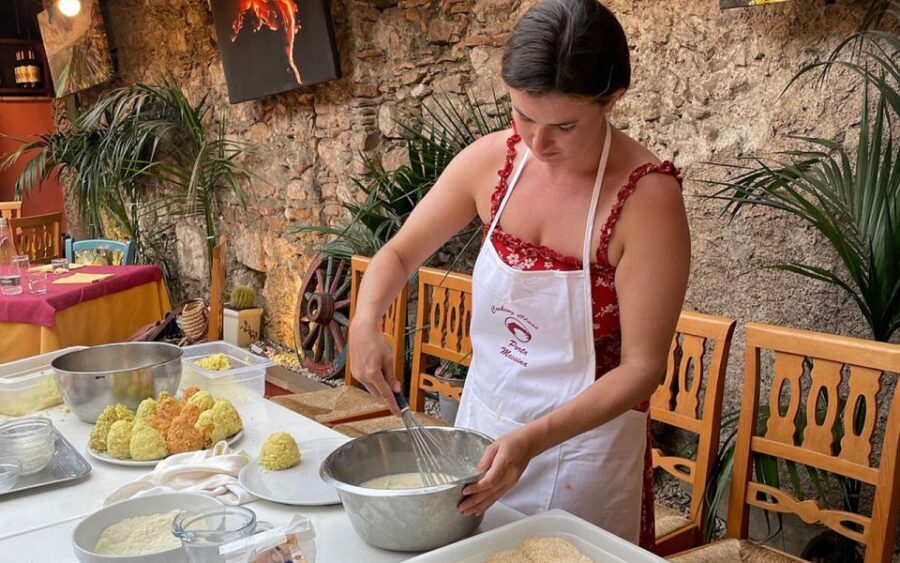
If you want a hands-on food experience, this is an easy yes. You’ll learn real technique, eat the results with wine and soft drinks, and get a tangible souvenir in the form of an apron and certificate. It’s also one of the better options if you have dietary needs, since gluten-free, lactose intolerance, vegetarian, and vegan options are explicitly supported.
I’d think twice if you hate fried foods or you know standing and active cooking will be uncomfortable for you. Also, the class is short, so it’s not designed as a slow, sit-down culinary lecture.
Otherwise: book it. This is the kind of activity that turns Taormina from a place you visited into a place you can remember by taste and technique.
FAQ
How long is the arancino making class?
The class runs for 1.5 hours. Check available starting times when you reserve.
Where do I meet for the class?
You meet at Pizzeria Porta Messina, beside the Porta Messina Arch.
What’s included in the price?
Included are coffee break, an apron, water, wine, and soft drinks, and a meal made of all the arancino you prepare, plus a certificate.
Do you offer gluten-free or lactose-free options?
Yes. The class offers gluten-free and lactose intolerant options, along with vegetarian and vegan choices and other food intolerance accommodations.
Is extra alcohol included?
No. Extra alcoholic drinks are not included.
What should I wear?
Wear comfortable clothes and shoes, since you’ll be actively cooking during the class.