REVIEW · TAORMINA
Taormina PRIVATE EAST COAST EXCURSIONS 2 Exclusive Days with Guide Driver
Book on Viator →Operated by Mimmo Sicily Tours · Bookable on Viator
Mt. Etna plus Sicily classics in two days.
This is a private east-coast route built around comfort and flexibility, with hotel pickup by Premium Mercedes and an English-speaking driver guide who can pace the day around your interests. I especially like that you get real time on Etna (including a walk near the Silvestri Craters) and then shift gears to film-location Sicily in Savoca. One thing to keep in mind: it’s weather-dependent, and the plan can swap if Etna conditions aren’t good.
What also works well for me is the “less stress, more seeing” approach. You’re not mapping roads, parking, or timing buses while trying to enjoy dramatic scenery. The Syracuse and Ortigia day feels focused but not rushed, with the Greek Theater and the Latomie caves on the schedule and a lunch break in Ortigia. The main drawback is the overall cost for a two-day private tour, so it’s best when you value convenience and want a guide’s context more than you want the cheapest option.
In This Review
- Key highlights in plain terms
- Why this Taormina east-coast route feels worth it
- Premium Mercedes, hotel pickup, and your English-speaking driver guide
- Day one: Etna and Savoca without the usual headache
- A quick Etna tasting moment (optional)
- Stop two: Savoca, lemon granita, and St. Lucy’s church
- What to watch for on day one
- Day two: Syracuse’s Greek Theater and the Latomie caves
- Neapolis and the caves of the Latomie
- A practical pacing tip
- Ortigia: Cathedral Square, medieval street layout, and your lunch break
- What you should expect in Ortigia
- Price and logistics: what you’re really paying for
- Weather, comfort rules, and how to prepare so the day runs smooth
- Who should book these two private days from Taormina?
- Should you book this Taormina two-day private east-coast tour?
- FAQ
- What time does the tour start?
- Is this a private tour?
- What’s included in the price?
- Are entrance fees included?
- What happens if Etna weather isn’t good?
- What fitness level do I need?
Key highlights in plain terms
- Premium Mercedes pickup and drop-off right from your hotel, starting around 9:00 am.
- Etna at walking level near the Silvestri Craters, with an option to go higher by cable car.
- Savoca stops built for atmosphere, including Vitelli lemon granita and St. Lucy’s church movie scenes.
- Syracuse with major ancient anchors, including the Greek Theater and the Ear of Dionysius.
- Ortigia’s walkable center focused on Cathedral Square and the medieval street layout.
- Weather-based routing that can replace Etna with Catania and the Cyclops Coast when needed.
Why this Taormina east-coast route feels worth it
Sicily is one of those places where driving can be its own activity. That’s fine if you’re comfortable with hectic roads and longer stretches between sights. But if you want the scenery without the stress, a private, guided route from Taormina is a smart move.
This two-day plan also makes a good kind of sense. Day one is about nature and mood: volcanic ground on Etna, then the hilltop village feel of Savoca. Day two leans into big historical set pieces: Syracuse and its Greek remains, then Ortigia, the old heart of the city where baroque and medieval-era layouts meet around Cathedral Square.
You’ll like this format if you’re the kind of traveler who enjoys being told what you’re looking at. You’re not just collecting photos—you get the “why it matters” as you move through each spot.
The other quiet advantage is pacing. With a private guide-driver, you’re not forced to match a bus schedule. That means you can spend a little more time where something grabs your attention—views, stone details, or a viewpoint—without feeling like you’re falling behind.
You can also read our reviews of more guided tours in Taormina

Premium Mercedes, hotel pickup, and your English-speaking driver guide
This is set up as a true private tour: you and your group only. Pickup and drop-off are from your hotel, and the day starts at 9:00 am. For many people, that single detail is the difference between a smooth experience and a half-day lost to logistics.
Transport is in a Premium Mercedes, which matters more than you’d think on a two-day trip. You’ll be in the car multiple times. Comfort helps on longer drives, and the goal here is to keep you fresh for walking time—especially on Etna and in the older streets of the towns.
Your driver guide speaks English, and that’s not a small point. Places like Etna and Syracuse can feel overwhelming if you’re left to guess what you’re seeing. With an English-speaking guide-driver, you can ask quick questions on the spot and understand the context as you go.
From past experiences with this provider, one standout pattern is punctual, professional service. For example, Domenico has been described as spot on time at a remote villa, with a clean car and water stocked in the vehicle, plus excellent English and a sense of humor that makes the long drive feel lighter. I like that combination: practical and relaxed.
Practical note: there are rules for the vehicle—no eating and no suncreams use inside the car. And the tours are for non-smokers only. If you’re the type who likes snacks in transit, plan for that during scheduled breaks instead.
Day one: Etna and Savoca without the usual headache
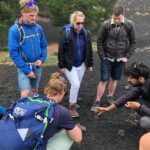
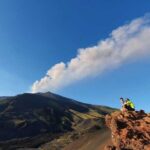
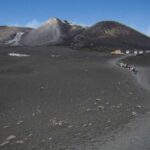
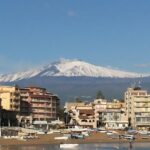
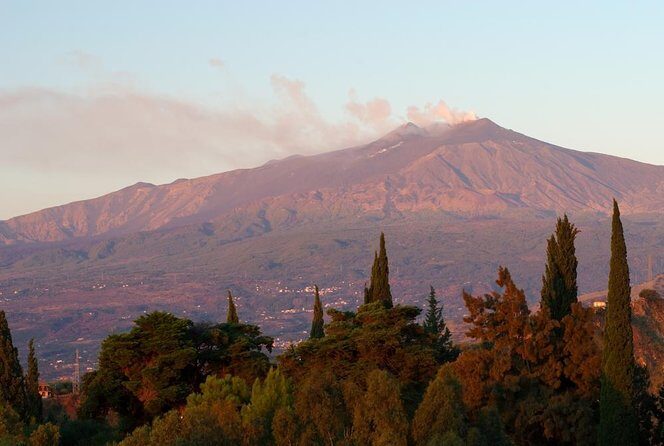
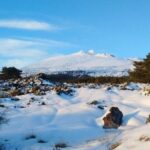
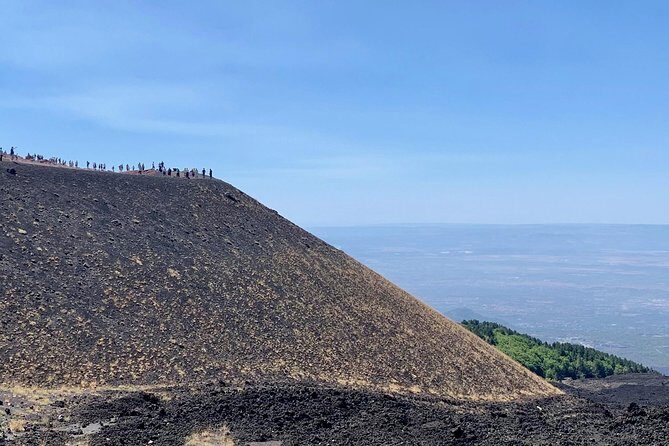
Day one starts with Mount Etna, Europe’s biggest and most active volcano. Your morning drive is designed to get you up to around 6,500 feet, then put you on foot for the Silvestri Craters area. Walking here is the main on-the-ground payoff: you’re not just looking from a distance.
There’s also a possible step up—if conditions are right, you can reach around 9,800 feet by cable car. Whether you can do that depends on conditions and what the day allows, but it’s a great option if you want the bigger altitude view.
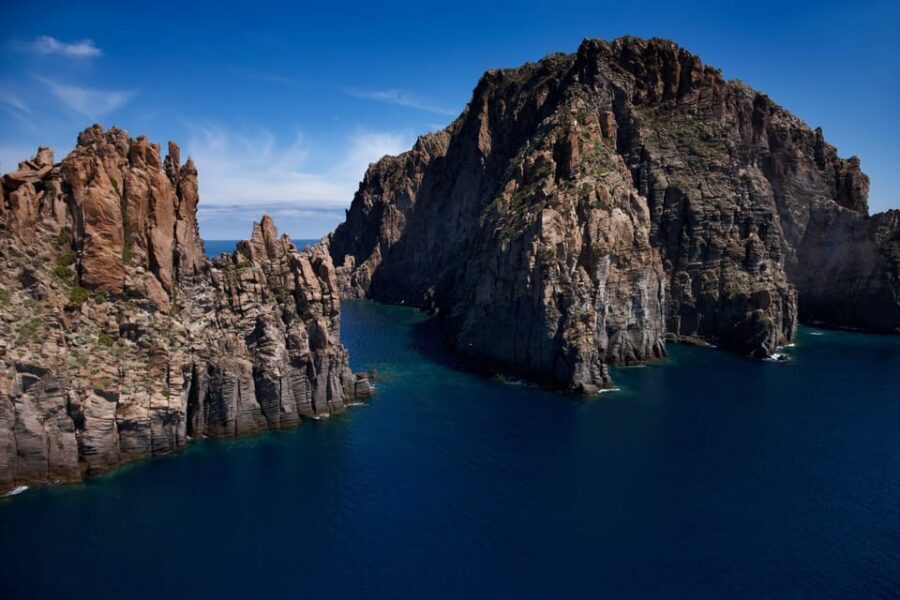
One smart detail is the fallback plan. The tour notes that if weather for Etna isn’t good, the program can switch to Catania and the Cyclops Coast instead. That matters because Etna conditions can change quickly, and you don’t want a day where the best part is cancelled outright.
A quick Etna tasting moment (optional)
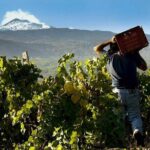
On the way, there’s an option for a wine tasting at a local winery. The tour frames it as being embedded in a charming, unique context. Even if you’re not a hardcore wine person, I find tastings like this work because they break up the driving and add a Sicilian flavor beyond ruins and views.
Stop two: Savoca, lemon granita, and St. Lucy’s church
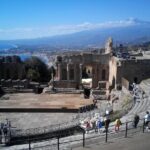
After Etna, the mood shifts to Savoca—a small village built on two hills with remnants of a castle and views down toward the coastline. This is the kind of place where the streets feel like they were designed for slow walking and lingering photos.
The tour includes about one hour here, which is a good length. Enough time to get the atmosphere without turning it into a rushed checklist.
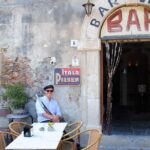
A highlight is stopping for lemon granita at Vitelli, the famous corner bar. If you’ve never had granita in Sicily, it’s a simple pleasure that feels very local: cold, lemony, and perfect for resetting after earlier altitude and walking.
Then you head to the church of St. Lucy, where scenes from the Apollonia and Michael’s wedding were shot. Even if you don’t connect personally to the film reference, it’s still useful context. It turns a church stop into a story stop, and that usually makes the place more memorable.
Savoca also gives you coastal views from a belvedere, which is one more reason I like this stop on a guided itinerary: you don’t just walk into a village—you get a viewpoint payoff built into the timing.
You can also read our reviews of more private tours in Taormina

What to watch for on day one
- Etna walking means you should have at least moderate physical fitness.
- Cable car access can depend on conditions, so don’t assume you’ll automatically go to the higher point.
- Weather can change the plan, so wear clothing you can adjust in layers.
Day two: Syracuse’s Greek Theater and the Latomie caves
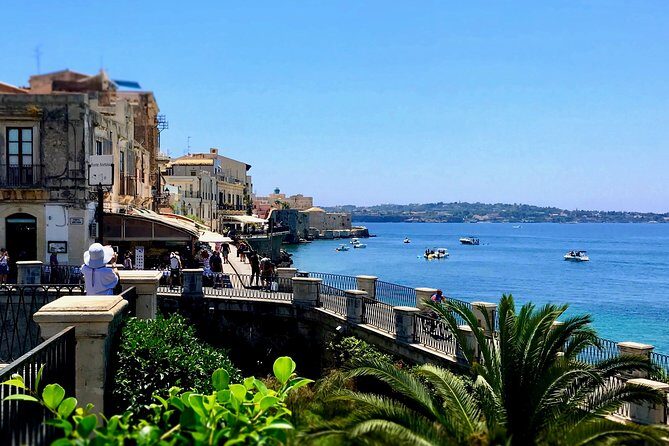
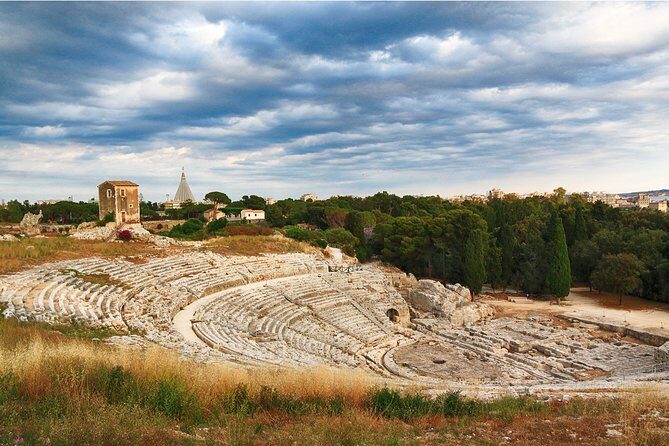
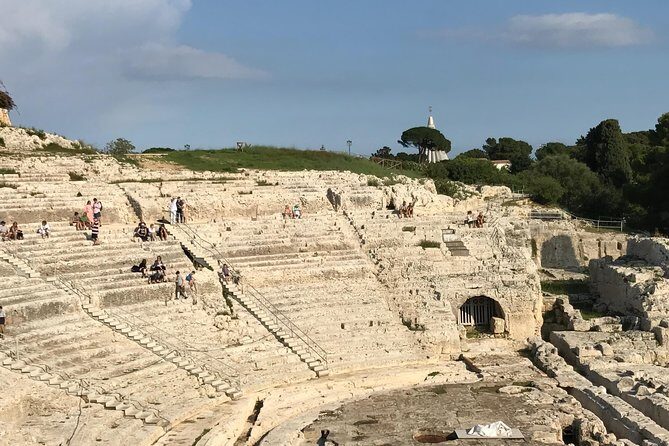
Day two starts with Syracuse, described as the Greek capital of Sicily, set in a scenic coastline setting. Your guide takes you to the standout ancient sites, and the key experience here is the scale.
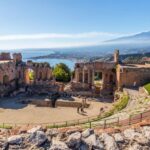
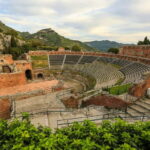
The biggest anchor is the Greek Theater, listed as 138 meters in diameter and able to house about 15,000 spectators. That number isn’t just trivia. When you look at the space, you realize why it mattered: Syracuse wasn’t a small town with one monument. It was a major stage.
From a planning perspective, I love that the tour gives you a defined chunk of time (around 1 hour 30 minutes). You can take in the theater, then move on without feeling like you’ve only seen one stop.
Neapolis and the caves of the Latomie
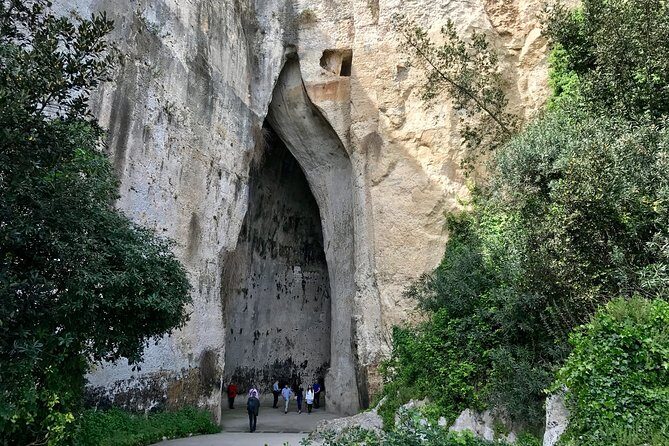
In Syracuse, the focus also shifts to Neapolis, especially the Latomie—vast caves used in ancient Greek building and associated with the area’s history. One site called out is the Latomie del Paradiso, also known as the Ear of Dionysius.
This part is interesting because caves like this do more than impress. They help you “feel” the ancient engineering logic. The acoustics and stone form are the reason these spaces remain famous, and a guide can point out what to look for so you don’t just stand there taking pictures.
The tour notes that a local guide is available on request. That’s worth considering if you want a deeper narrative layer for the Greek-era story. If you’re happy with the main guide’s explanations, you may not need extra guiding, but it’s an option built into the experience.
A practical pacing tip
If you’re sensitive to heat or walking fatigue, Syracuse can be more comfortable when you plan your breaks wisely. The tour’s structure helps because you know the stops in advance and you’re not hunting for the next site yourself.
Ortigia: Cathedral Square, medieval street layout, and your lunch break
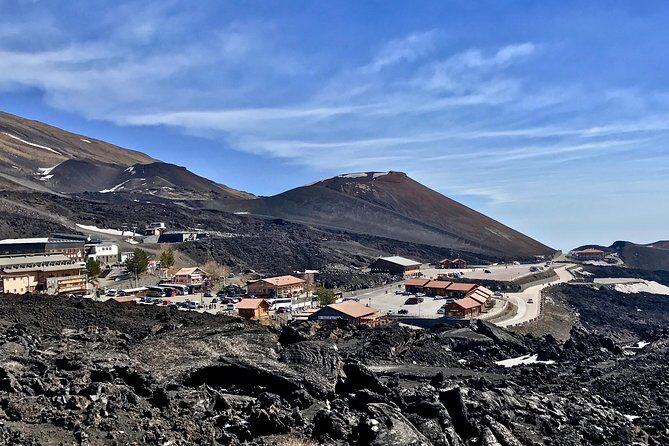
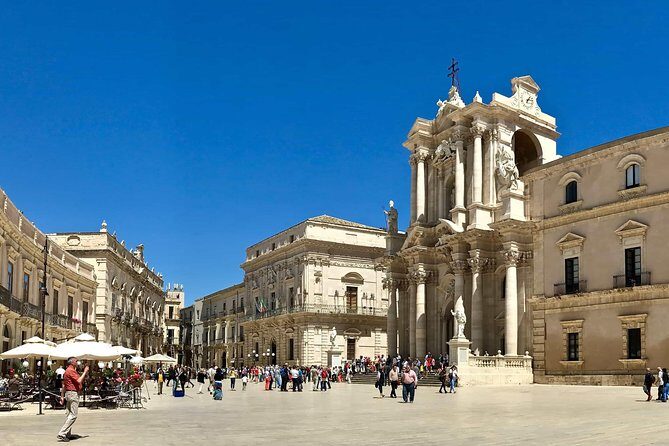
After Syracuse, you head to Ortigia, the most prominent and fascinating district in the Syracuse area. This is the part of the day that feels more like wandering, because the emphasis is on the district’s coherent medieval street network.
The tour highlights Cathedral Square as the main center, and that it acts like an axis. In other words, important buildings—both civil and religious—line up along this key area. That’s useful because it gives your walking route a natural logic. You don’t have to guess where the “main action” is.
You’ll get about 1 hour 30 minutes in Ortigia, plus a lunch break before the return drive to Taormina in the afternoon.
I like this combination because it breaks up ancient sites with a more human-scale experience: streets, squares, and everyday life in a historic setting. Also, lunch in Ortigia is one of those experiences where you can choose a simple meal rather than trying to plan a complex restaurant hunt.
What you should expect in Ortigia
- A compact, walk-friendly district centered on Cathedral Square.
- A mix of medieval road patterns plus major religious and civil buildings.
- Time to eat without rushing through more “must-see” ruins.
Price and logistics: what you’re really paying for
At $1,041.84 per person for two days, this tour is not the budget choice. But it may still be good value depending on how you travel.
Here’s where the price can make sense:
- Private transportation by Premium Mercedes, plus hotel pickup/drop-off.
- An English-speaking driver guide who handles navigation and timing.
- You’re combining multiple major sites across two towns (Etna/Savoca plus Syracuse/Ortigia) without renting a car.
- The itinerary is built around structured time blocks: walking and sightseeing windows on each stop rather than an open-ended day.
Now the trade-offs:
- Meals are not included, so you’ll pay for lunches and any extra snacks yourself.
- Entrance fees are listed as not included, even though the itinerary notes admission ticket free at some stages. Since the included/not-included wording is inconsistent, I suggest thinking of this as a tour where you might still have small costs, and you should double-check which sites truly have no entry fee on your specific departure.
If you’re traveling as a group and splitting private costs, the per-person value tends to improve quickly. If you’re traveling solo or as a couple, you’re paying mostly for convenience and guided context.
To me, the “value” question becomes simple: do you want to drive yourself across eastern Sicily and interpret the sites on your own? If the answer is no, this private setup can feel like paying for a smooth day.
Weather, comfort rules, and how to prepare so the day runs smooth
This experience has a weather requirement. It’s also weather-flexible: if Etna conditions aren’t good, the program can switch to Catania and the Cyclops Coast. That’s important because Etna is the kind of stop where visibility and ground conditions matter.
If the whole experience has to be cancelled due to poor weather, the deal offered is either a different date or a full refund. I appreciate that kind of clarity. It reduces the risk of paying and then ending up with a dull “maybe” day.
On a practical level, do this for comfort:
- Wear shoes that handle uneven ground for Etna walking.
- Plan for layers. Volcano mornings can feel cooler than you expect.
- Expect that the schedule is designed around set windows, so don’t plan a lot of extra stops beyond what the tour already does.
Inside the vehicle, remember the rules: no eating and no suncreams use inside, and the tour is for non-smokers. If you’re sensitive to sun, pack what you need and apply it outside the car.
Who should book these two private days from Taormina?
This tour is a strong fit if you want:
- Stress-free logistics: pickup, driving, timing, and guided context handled.
- A balance of big sights (Etna, Syracuse) and place-based storytelling (Savoca’s St. Lucy church and movie reference).
- Comfort-driven travel: Premium Mercedes transport and an English-speaking guide-driver.
It may be less ideal if you:
- Want the cheapest possible way to see Sicily.
- Are fine with self-guiding and driving yourself between sites.
- Have limited mobility for walking on Etna.
Physical fitness is described as moderate for travelers. That’s a helpful benchmark: you don’t need to be an athlete, but you should be comfortable walking and moving on uneven terrain.
Should you book this Taormina two-day private east-coast tour?
I’d book it if you care about two things: a guided explanation you can actually use, and a day that stays organized from pickup to return. Etna plus Syracuse in a private format is a lot to manage on your own, and this tour handles the stress for you.
The decision hinge for me is price versus your travel style. If $1,041+ per person feels steep but you’d rather pay for convenience than spend energy on driving and planning, this fits. If you’re mostly price-sensitive and okay doing independent transport, you might prefer a cheaper DIY plan.
My practical advice: make sure you’re comfortable with moderate walking, dress for changing weather, and come with a mindset of structured sightseeing plus a lunch break—not endless free time.
If that sounds like your ideal Sicily rhythm, this two-day private east-coast plan is an easy yes.
FAQ
What time does the tour start?
The start time is listed as 9:00 am.
Is this a private tour?
Yes. It’s described as a private tour/activity, meaning only your group participates.
What’s included in the price?
Included are transportation by Premium Mercedes, an exclusive English-speaking driver guide, and pick up/drop off at your hotel. A mobile ticket is also mentioned.
Are entrance fees included?
Entrance fees are listed as not included. The itinerary includes notes about admission ticket free at certain stops, but entrance fees aren’t explicitly marked as included overall.
What happens if Etna weather isn’t good?
If weather for Etna isn’t good, the program includes an alternative: Catania & Cyclops Coast.
What fitness level do I need?
The tour notes that you should have moderate physical fitness for the activities, including walking time on Etna.