REVIEW · SICILY
Sicilian Cooking Class : Traditional
Book on Viator →Operated by Mamma Corleone · Bookable on Viator
Pistachio and seafood in one lesson. In Palermo, I like how Mamma Corleone keeps the vibe personal: a family kitchen run by a real Sicilian mamma, right by the old town core near the Cathedral. I also love the menu choices, especially pasta with Bronte pistachio, plus a proper cannoli dessert that tastes like an island tradition, not a tourist version. One thing to plan for: if you need gluten-free, confirm directly with the provider ahead of time, since one past experience needed an on-the-spot adjustment.
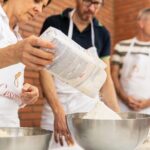
The class is designed to feel hands-on and human. With a maximum of 12 people, you’re not lost in a big crowd, and the session is offered in English (plus you may get extra translation help depending on who’s in your group). It also runs long enough—about 3 hours 30 minutes—that you can actually learn the rhythm of Sicilian cooking, from ingredient choices to plating.
You’ll meet in the old town area at Mamma Corleone (Vicolo Carini, 8), and the experience ends back there. Before the cooking starts, you’ll also make a stop at Cattedrale di Palermo, which gives the day a sense of place before your hands go flour-first.
In This Review
- Key Highlights to Look For
- Mamma Corleone in Palermo’s old town: where the class starts
- The Cattedrale di Palermo stop: a smart warm-up in place
- The Bronte pistachio pasta: the flavor lesson you’ll remember
- Breadcrumbed mackerel or cod: practicing a classic Sicilian method
- Cannoli dessert: the crunch-to-cream payoff
- How the hosts make the class feel easy (Giusi, Nora, Riham)
- English language, small group size, and what that means for you
- Price and value: is $181.41 worth it?
- Who this Sicilian cooking class is best for
- Watch-outs: gluten-free planning and simple expectations
- Should you book this Palermo cooking class?
- FAQ
- How long is the Sicilian Cooking Class : Traditional?
- What is the price per person?
- Where does the class start and end?
- Is the class offered in English?
- How many people are in the class maximum?
- What dishes are included in the sample menu?
- Do I receive a mobile ticket?
- When will I receive confirmation after booking?
- What is the cancellation policy?
- Are service animals allowed?
Key Highlights to Look For

- Small group, big attention: capped at 12 travelers, so you’re more likely to get real help at the counter
- Bronte pistachio in the main dish: a standout ingredient that puts Palermo-area flavors on center stage
- Seafood technique you can repeat: breadcrumbed mackerel or cod lets you practice a classic approach
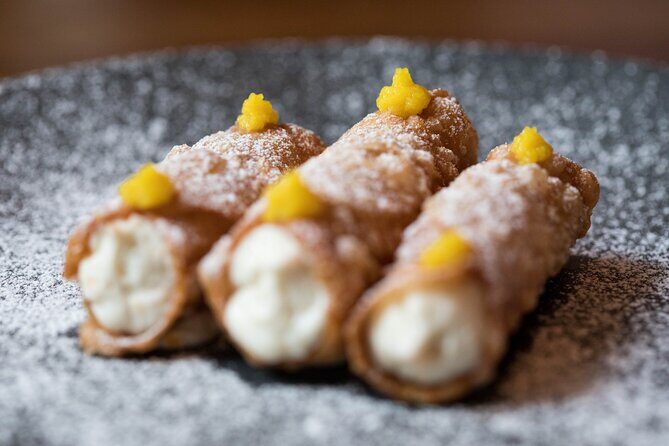
- Cannoli with the real balance: crispy shell plus ricotta cream, the classic pairing you actually want
- Hosted by Giusi, Nora, and Riham: praised for welcoming energy and clear communication
- English-friendly experience: offered in English, with possible translation support when needed
Mamma Corleone in Palermo’s old town: where the class starts
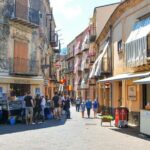
The whole experience is anchored in a practical, walkable spot in Palermo’s historic center: Mamma Corleone, Vicolo Carini 8 (postal code 90134). That matters more than it sounds. Old town Palermo can feel like a maze at first, and having a clear meeting point keeps the day stress-free.
You’ll start there and finish there, which is handy when you’re planning the rest of your trip. No awkward end point across town. No “meet here, return somewhere else” puzzle. Also, because it’s near public transportation, you can fit this into a flexible sightseeing day without carving out a whole extra half-day just for logistics.
And the location has a story feel. You’re very close to the Cathedral area, which gives the day a grounded sense of place. It’s not just cooking in a vacuum; it’s cooking in the city that shaped these dishes.
You can also read our reviews of more cooking classes in Sicily
The Cattedrale di Palermo stop: a smart warm-up in place
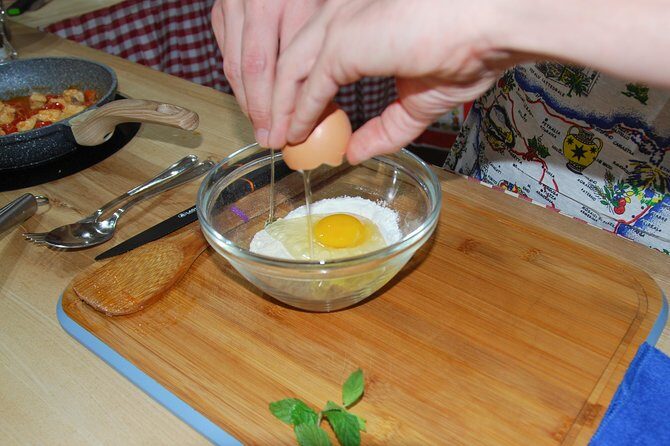
Before you cook, you’ll make a stop connected to Cattedrale di Palermo. Even if you mostly use it as a landmark moment, it’s a good choice. Sicilian food isn’t separated from the streets and neighborhoods where it lives. Starting near the Cathedral helps you mentally switch from travel mode to “local rhythm” mode.
It also gives you a calm buffer before kitchen time. Think of it as your before-you-start settling-in moment. You get oriented, you gather your bearings quickly, and then you’re ready to focus once the class begins.
The Bronte pistachio pasta: the flavor lesson you’ll remember
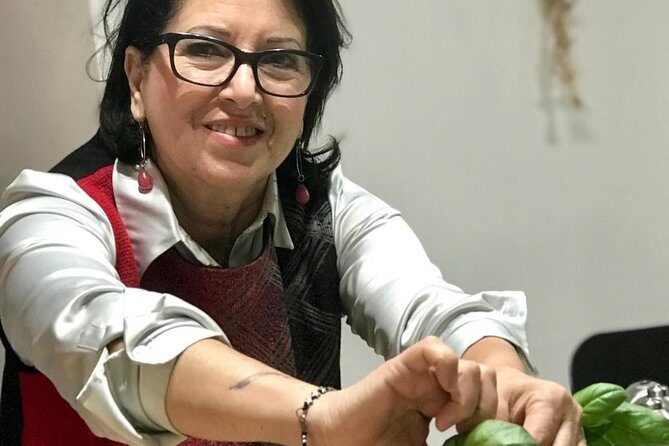
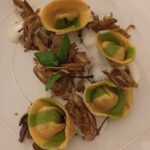
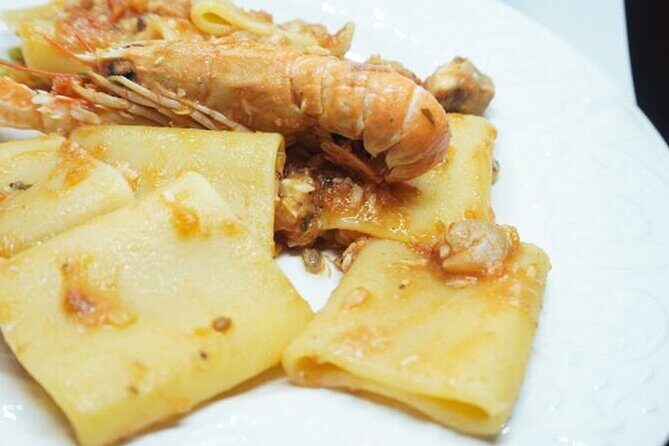
This class doesn’t treat pasta like a filler. One main is pasta with shrimps and pistachio from Bronte. That pairing is one of the reasons I’d choose this cooking class over a generic one: it shows how Sicilians build flavor in layers, using ingredients that aren’t “just nuts” or “just seafood.”
Here’s what makes this dish worth your attention:
- Bronte pistachio has a specific identity. It’s not a random garnish. It’s the island’s signature flavor.
- Seafood + pistachio reads as both delicate and bold. You get richness from the shrimp, then a nutty, aromatic snap from pistachio.
- It teaches you balance. You’re not just learning how to cook pasta; you’re learning how Sicilians think about contrast and harmony.
Also, this is the kind of dish you can recreate later. Even if you can’t always get Bronte pistachio at home, the technique and flavor concept travel well. You’ll leave knowing what you’re aiming for.
Breadcrumbed mackerel or cod: practicing a classic Sicilian method
Next up is a seafood main: breadcrumbed mackerel or cod. Sicilians love mackerel most of all, and this choice is a neat way to get a real taste of everyday island cooking. It’s not an ultra-fancy ingredient list. It’s practical food done with care.
Breadcrumbing matters here. It changes the texture game completely. You’re going from tender fish to a more structured bite—crisp outside, softer inside. That technique is also useful: once you learn the approach, you’ll recognize similar breadcrumb methods across Italian kitchens.
A useful way to think about this course: you’re getting instruction on two different “languages” of Sicilian seafood. First, you have the pistachio-and-shrimp pasta, which leans into aromatic flavor building. Then you have the breadcrumbed main, which teaches you the texture and crunch side of the same food culture.
If you’re a fan of fish, this is one of the most satisfying parts of the menu. It’s also a great pick for people who want something more “authentic kitchen” than a standard pasta meal.
Cannoli dessert: the crunch-to-cream payoff
Dessert is cannoli, and this class aims at the real standard: a crispy dough shell with a soft ricotta cream filling. That ratio is everything. When cannoli is done well, the shell doesn’t feel greasy, and the cream doesn’t feel thin or bland.
Cannoli is also a shortcut to understanding Sicily. It’s the kind of dessert that shows up everywhere for a reason. It’s not only sweet; it’s structured. It has texture and contrast built in.
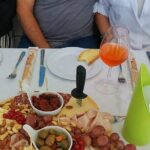
When you end with cannoli after seafood and pasta, it creates a full-circle meal: savory saltiness, aromatic richness, then a dessert that’s crisp and creamy without being overly heavy.
You can also read our reviews of more tours and experiences in Sicily
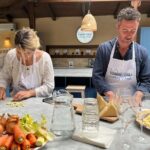
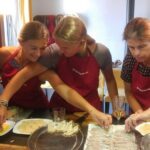

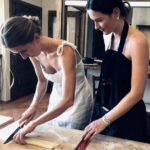
How the hosts make the class feel easy (Giusi, Nora, Riham)
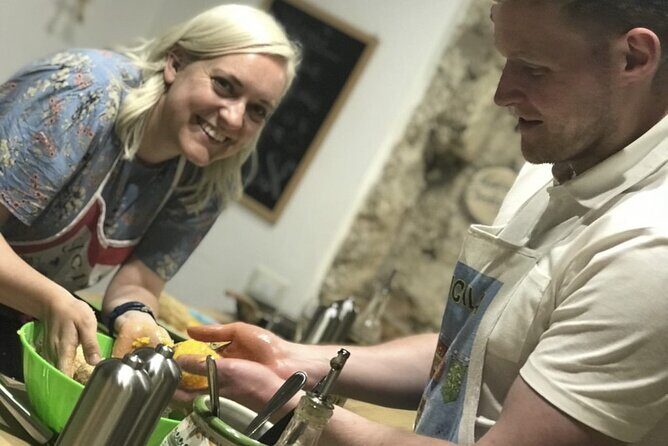
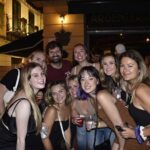
This is a family business with real hosting energy. The names that come up again and again are Giusi, Nora, and Riham—welcoming, upbeat, and good at guiding people through a cooking process without making it feel stressful.
I like classes where you don’t feel like a student. You feel like a teammate. That’s the vibe here. People have also praised how clear the communication is, and Nora has been noted for German translation support when needed, which is a nice bonus if your group has mixed language comfort levels.
If you’re the kind of traveler who learns best by asking questions while you cook, this setup tends to work well. It’s also a good sign for solo travelers. A small group with strong hosts usually means you don’t get ignored.
English language, small group size, and what that means for you
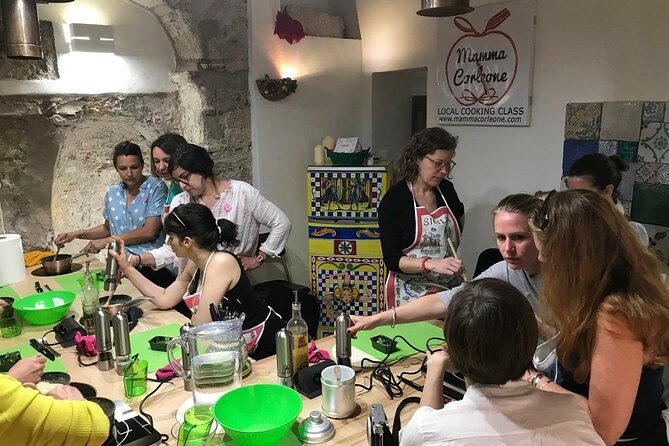
The class is offered in English, which helps you follow what’s happening and why it’s happening. That matters when you’re learning technique, not just eating.
And with a maximum of 12 people, the session stays personal. In practice, small groups are where you actually get help. You can see what others are doing, and the host can correct or encourage without shouting across a room.
This isn’t the type of activity where you spend the whole time waiting. It’s paced enough that you can stay engaged.
Price and value: is $181.41 worth it?
At $181.41 per person for about 3 hours 30 minutes, this isn’t a cheap snack-and-sit-down option. But the value is in what you’re getting:
- A traditional menu with three clear courses (pasta, seafood main, cannoli)
- Hands-on cooking time, not just watching
- Small group size, which usually means better instruction
- High-identity ingredients, especially pistachio from Bronte
If you compare it to the cost of eating a proper three-course Italian meal in Palermo, the price starts to look more reasonable. You’re paying not only for food, but for the know-how—ingredient choices, texture decisions, and the way these dishes come together.
Also, because the experience is close to a major landmark area (the Cathedral zone), you’re not wasting time or money on complicated travel between activities.
Who this Sicilian cooking class is best for
This is a strong fit if you:
- Love Sicilian flavors and want to eat what feels like real local cooking
- Prefer smaller group activities where you can ask questions
- Want a memorable Sicilian dessert experience with cannoli at the center
- Are drawn to seafood dishes and pastas that aren’t bland versions of Italian classics
It can also work well for couples. A small group and a guided, shared meal setup naturally feels more special than the typical big-tour approach.
If you’re in Palermo for a short stay and want one activity that gives you both cooking skills and a full meal, this is an efficient choice.
Watch-outs: gluten-free planning and simple expectations
Here’s the one practical caution I’d stress: gluten-free needs clear confirmation. In one case, the experience needed quick adjustment after a mismatch in what was expected. That tells me you should not assume everything will automatically be gluten-free just because you asked once or because a booking message says something.
So if gluten-free matters, contact the provider directly before you go. And do it early enough that adjustments are possible.
Also, since this is non-refundable and cannot be changed for any reason, treat booking dates seriously. Pick the day you’re truly able to attend.
Should you book this Palermo cooking class?
I’d book it if you want a traditional Sicilian meal experience with a real kitchen atmosphere and a menu that goes beyond generic pasta. The combination of Bronte pistachio pasta, a breadcrumbed seafood main, and a proper cannoli dessert is exactly the kind of Sicilian trio that sticks with you.
If you need gluten-free, still book—just do the responsible prep: confirm details directly with the provider so you’re not counting on last-minute fixes.
If you want a small-group cooking class in central Palermo that feels like Sicily, not a performance for tourists, this one is a strong yes.
FAQ
How long is the Sicilian Cooking Class : Traditional?
It lasts approximately 3 hours 30 minutes.
What is the price per person?
The price is $181.41 per person.
Where does the class start and end?
The class starts at Mamma Corleone, Vicolo Carini, 8, 90134 Palermo PA, Italy, and it ends back at the meeting point.
Is the class offered in English?
Yes, the experience is offered in English.
How many people are in the class maximum?
The maximum group size is 12 travelers.
What dishes are included in the sample menu?
You can expect pasta with shrimps and pistachio from Bronte, breadcrumbed mackerel or cod, and cannoli for dessert.
Do I receive a mobile ticket?
Yes, a mobile ticket is included.
When will I receive confirmation after booking?
Confirmation is received within 48 hours of booking, subject to availability.
What is the cancellation policy?
The experience is non-refundable and cannot be changed for any reason.
Are service animals allowed?
Yes, service animals are allowed.