REVIEW · SICILY
Sicilian Cooking Class in Taormina
Book on Viator →Operated by Noema Viaggi Srl · Bookable on Viator
A cooking class in Taormina can be surprisingly practical. I love how hands-on it is (you work with dough and vegetables, not just watch), and I also love that you leave with printed recipes you can use later. One thing to consider is that the pace can be busy: you’ll likely do lots of work at your station, and the chef may not be hovering over everyone every minute.
You’ll meet at Ristorante Pizzeria Porta Messina in Taormina, with sessions at 10:00 or 18:30. The class is in English, geared for no experience necessary, and kept to a maximum of 20 people, which helps it feel like a real working kitchen.
The value comes from the meal: lunch is included, plus Sicilian wines and liquors during tasting, along with mineral water and coffee. If you’re visiting in hot weather, plan for a kitchen that can feel warm, because cooking time means you’re close to stoves and ovens.
In This Review
- Key highlights at a glance
- Porta Messina is your starting line for a very Sicilian meal
- Fresh pasta and caponata: the core skills you’ll use again
- The market run: fast ingredient shopping with real payoff
- From apron to oven: how the 4 hours usually feel
- Wine-and-lunch tasting: the part where it all makes sense
- Price and value: what you’re really paying for at $126.72
- Who teaches you matters: chefs, personalities, and teaching style
- Practical tips for a smooth Taormina cooking class
- Should you book this Sicilian cooking class in Taormina?
- FAQ
- Where is the cooking class meeting point in Taormina?
- What time does the class run?
- How long is the experience?
- Is the class offered in English?
- Do you need cooking experience to join?
- How many people are in the group?
- What’s included with the price?
- Are drinks included?
- Do I need transportation to the venue?
- What if I need to cancel?
Key highlights at a glance
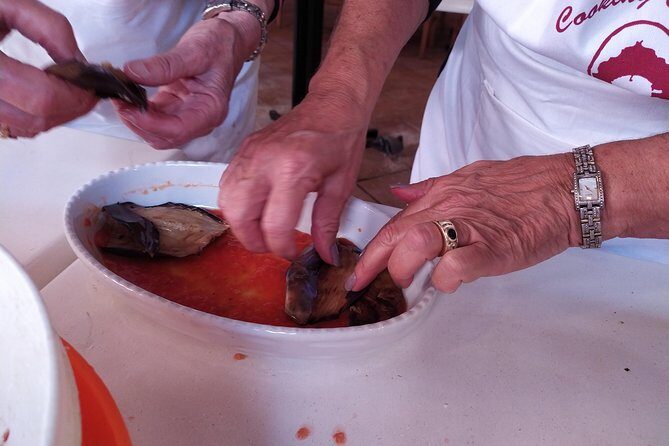
- Fresh pasta technique first, using a traditional method and step-by-step guidance
- Caponata built from market vegetables, so you learn the “why” behind the ingredients
- Seasonal Sicilian menu changes monthly, so you aren’t doing the same script every day
- Hands-on participation across multiple dishes, including pasta and a meat or fish main
- Wine-and-liquor tasting with the meal, plus coffee and mineral water
- Chef-led instruction in English, with printed recipes and a participation certificate
Porta Messina is your starting line for a very Sicilian meal
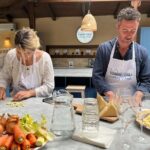
This class is anchored in a proper Taormina restaurant kitchen. You arrive and find a table set up for you, tools ready, and an apron on your body before you even think about what comes next. That small detail matters because it turns the experience from “where do we start?” into “let’s cook.”
Meet-up is at Largo Giove Serapide, 4 at Ristorante Pizzeria Porta Messina. The tour runs about 4 hours, and it finishes back at the same meeting point, so you’re not juggling buses or long walks while you’re full and a little wine-drunk (in the best way).
Because it’s capped at 20 people, you get support when your hands get confused. And because the class runs in English, you can follow instructions without guessing. If you’ve ever taken a cooking class where instructions fly by in a blur, this format is more grounded.
You can also read our reviews of more cooking classes in Sicily
Fresh pasta and caponata: the core skills you’ll use again
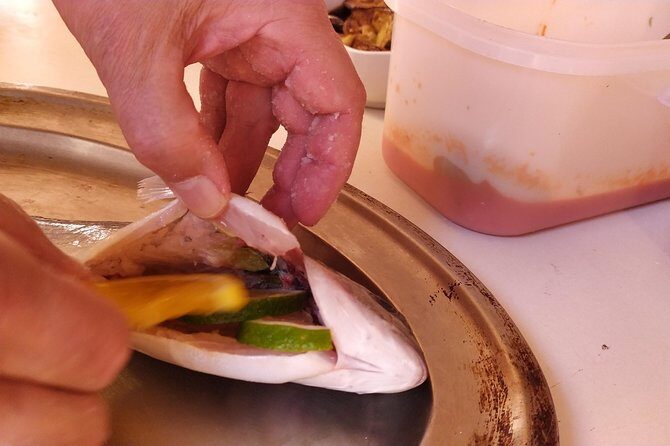
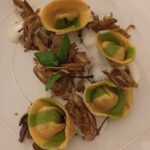
The “center of gravity” here is the sequence: start with homemade pasta using a very traditional method, then move into homemade caponata. That’s a smart choice for your time, because pasta technique is transferable, and caponata teaches a flavor structure you can recreate: vegetables, sweet-sour balance, and the way Sicily treats simple ingredients as serious food.
Caponata is also a great lesson in local thinking. You’re not just following a fixed recipe from a card; you’re working with vegetables purchased at the market, then putting them together in a way that reflects what’s seasonally available. That’s how Sicilian cooking stays flexible instead of frozen in one “perfect” version.
Menu variety is real, too. Starters, mains, and desserts change every month, and the course can include other Sicilian dishes you might not cook at home every week—things like fresh sardines or zucchini flowers, depending on the day’s plan. In other words, you’ll come away with more than one template.
The market run: fast ingredient shopping with real payoff
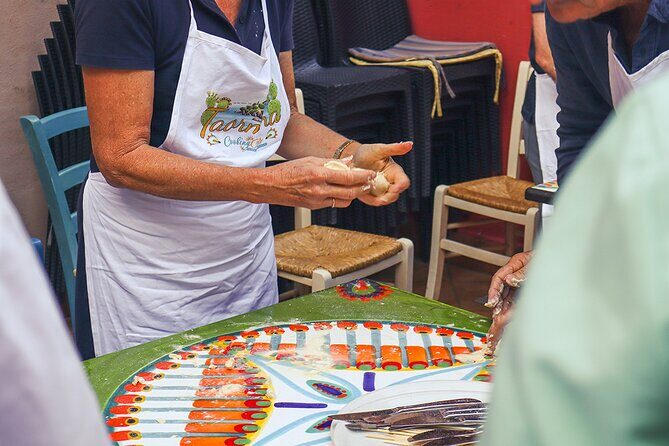
You’ll include a market component as part of ingredient collection. The caponata vegetables are explicitly tied to what’s purchased at the market, and the class is designed around seasonal ingredients, so this stop isn’t just a photo op.
What you’ll get out of it is practical knowledge: what looks fresh, what the cook chooses first, and how Sicilian cooking values produce quality. Even if the market time feels short to you, it still affects the quality of what you later taste and cook. You’ll feel the difference in flavor because you’re cooking with ingredients chosen for that specific day.
One consideration: if you expect a long, slow market tour, the market portion may feel brisk. Still, the payoff is that you get straight back to the kitchen and keep building skills.
From apron to oven: how the 4 hours usually feel
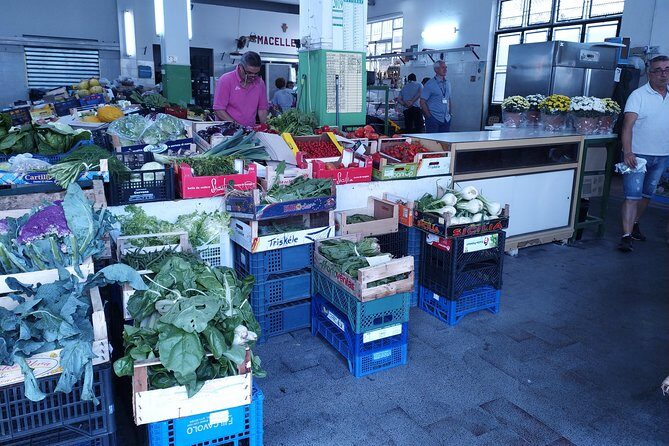
Your class starts when you settle in at Porta Messina. Tools are already laid out and you get an apron, which helps you jump in right away. Then the kitchen rhythm begins.
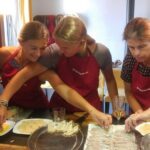
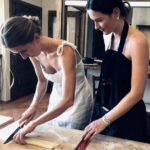
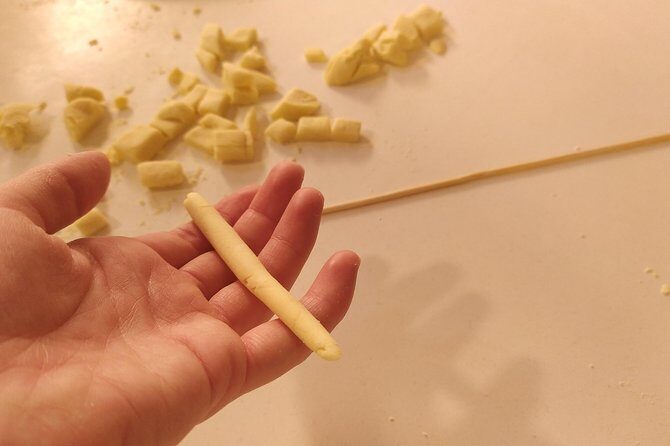
First comes pasta. You’ll learn the fresh dough process and how to handle it with traditional technique rather than relying on shortcuts. The point isn’t just the result; it’s the feel—how the dough should come together and how the recipe turns into something you can actually repeat later.
Next comes caponata. You’ll work with the vegetables and build the dish using the ingredients you bought at the market. This is where you learn what Sicilian cooks are doing with texture and flavor layering—vegetables that taste like themselves, but together they become a unified plate.
After that, the class can stretch into additional Sicilian dishes. Based on what the chef has prepared at different times, you might see a mix that includes fish-forward items, zucchini blossoms, and other seasonal staples. Many classes also involve more than one station and plenty of staff support, so even when the head chef steps away, you’re not left totally alone.
At the end, you stop cooking and start eating. Everyone sits down for tasting of what you prepared, paired with Sicilian wines and liquors, plus mineral water and coffee. Then you get your printed recipes and a certificate of participation from the chef.
Wine-and-lunch tasting: the part where it all makes sense
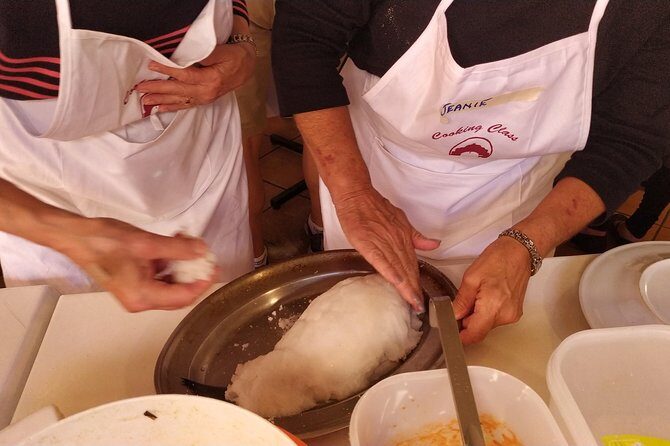
The meal is a big deal here, and not just because food tastes good. The tasting stage is where the lesson clicks: you’ve cooked the components, so you finally understand how they come together in one Sicilian table.
Lunch includes what you helped prepare, and you’ll also have Sicilian wines and liquors during the tasting. Mineral water and coffee are included, too, so you’re not scrambling to find a drink after the cooking part finishes. If you’re the kind of person who learns faster by eating what you made, you’ll appreciate this structure.
One balancing note: the menu can tilt toward seafood on some days because Sicilian coastal cooking is part of the culture. If you really dislike certain fish (or specific preparations like sardines), plan to be flexible and consider asking the day-of team if there’s a way to adjust. The kitchen has shown it can accommodate needs like vegetarian preferences in at least one group, but your best move is to communicate early.
You can also read our reviews of more tours and experiences in Sicily



Price and value: what you’re really paying for at $126.72
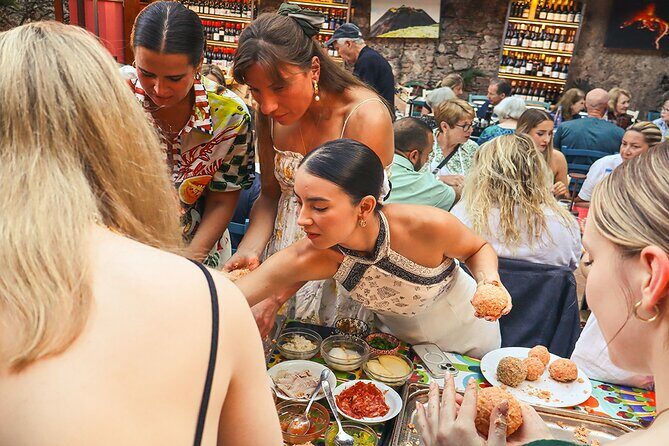
At $126.72 per person for about 4 hours, this isn’t a bargain in the “cheap and cheerful” sense. But it is strong value when you break down what’s included.
You’re paying for:
- full instruction with no experience needed
- all ingredients and utensils
- lunch
- Sicilian wines and liquors during tasting
- printed recipes and a chef-issued participation certificate
Most day tours in Taormina cost similar money and give you less time actively doing something. Here, you’re not just seeing Sicilian food culture—you’re making part of it, then eating it in the same session. That’s why the class feels like a full experience rather than a snack-sized activity.
Also, you’re capped at 20 people, so your money buys a smaller group environment. That matters when you’re working with dough, heat, and knives. More space per person usually means more actual guidance.
Who teaches you matters: chefs, personalities, and teaching style
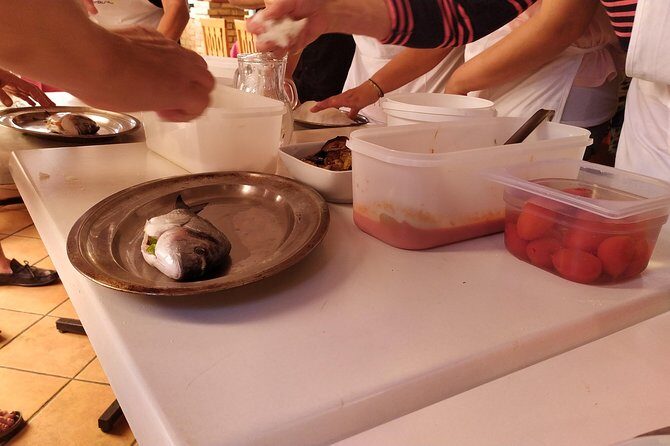
One of the best parts of this class is that the “face” of the experience changes depending on the day. You might cook with chefs such as Paolo, Antonio, Francesca, Luca, Giovanni, or Mauricio, and each can shape the vibe in their own way.
In general, the tone you’ll likely feel is friendly and focused on getting you working. Many cooks describe the staff as organized and supportive, and several people highlight that the chef can share context along the way, not just instructions. That context might include how ingredients behave in Sicilian cooking, or what makes a dish taste like it belongs to this island.
Here’s the only realistic drawback: if you need an instructor who stays glued to your station for every step, you might be disappointed. Some classes run with a lead chef giving direction while assistant cooks keep the stations moving. If you’re fine with hands-on learning and staff support, this setup works well.
Practical tips for a smooth Taormina cooking class
If you want the best day, plan like you’re cooking, not just touring.
Wear comfortable clothes you don’t mind getting splashed. You’ll be close to food and heat, and even with an apron, a little mess is part of the deal. Wear shoes with decent grip since restaurant floors can get slippery in work areas.
Bring an appetite. The format can turn into a long sequence of preparing and then eating plenty. Even if you think you’ll “pace yourself,” the tasting stage is built to be generous.
Pick your start time smartly. With options at 10:00 and 18:30, you can decide based on heat and your schedule. If you’re visiting in summer and the room feels stuffy, the evening slot can be the more comfortable choice.
Have dietary expectations ready. The menu is seasonal and can include fish and other items, but the kitchen has demonstrated flexibility for at least one vegetarian situation. If you have serious allergies or strong dislikes, don’t wait until you’re seated. Use the booking message or mention it when you check in.
Keep your water and coffee in mind. Mineral water and coffee are included, which helps. If you’re sensitive to alcohol, pace your wine tasting. The class is about cooking, not just drinking.
Finally, note that the experience ends where it starts, at Porta Messina. So you can head straight into your Taormina evening meal plan after you clean up.
Should you book this Sicilian cooking class in Taormina?
Book it if you want a real hands-on Sicilian session. You’ll learn fresh pasta technique, work on caponata with market vegetables, and then eat what you cooked with Sicilian wines and liquors. The small group size and English instruction make it easier than most “watch and hope” food tours.
Skip it (or choose carefully) if your dream is a long, slow market walk or if you need constant, one-on-one attention from the head chef. Also be thoughtful if you strongly dislike fish-forward menus, since the course can include items like sardines or other seafood depending on the month.
If you’re doing only one food activity in Taormina, this is a strong contender because it combines cooking, eating, and recipes you can actually take home.
FAQ
Where is the cooking class meeting point in Taormina?
It starts at Ristorante Pizzeria Porta Messina, Largo Giove Serapide, 4, 98038 Taormina ME, Italy.
What time does the class run?
The chef sessions are at 10:00 am or 18:30.
How long is the experience?
It lasts about 4 hours.
Is the class offered in English?
Yes, it is offered in English.
Do you need cooking experience to join?
No. No experience is necessary, and you’ll get full instruction.
How many people are in the group?
The group size is capped at a maximum of 20 travelers.
What’s included with the price?
You get the Sicilian cooking class, all necessary ingredients and utensils, printed recipes plus a chef participation certificate, and lunch.
Are drinks included?
During the tasting meal, you’ll have Sicilian wines and liquors. Mineral water and coffee are also included.
Do I need transportation to the venue?
Transportation to and from attractions is not included.
What if I need to cancel?
There is free cancellation if you cancel at least 24 hours before the experience start time for a full refund.