REVIEW · SICILY
Share Your Pasta Love in Local’s Home in Catania
Book on Viator →Operated by Cesarine: Cooking Class · Bookable on Viator
Fresh pasta in a real Catania home. You’ll trade the cruise-shop routine for an authentic kitchen experience where you learn dough, shape pasta, and eat what you made right there. It’s a small-group cooking class in Sicily focused on traditional fresh pasta methods.
I like that the start feels genuinely local: a warm welcome with a small appetizer and aperitif before you touch the dough. I also like the skill focus—this isn’t a sit-and-watch demo. You’ll roll up your sleeves and learn to make classic pasta like pappardelle, tagliatelle, and ravioli, with Sicilian twists that can include things like pistachio pasta.
One consideration: this is only about 1.5 hours, and the meal is a cooking-and-eating format rather than a long, full-service dinner. Also, wine is shared (one bottle per three guests), so it may not match expectations if you’re hunting for an all-out “wine night.”
In This Review
- Key Points You’ll Care About
- A Catania Kitchen Table With a Small Group (and Actual Hospitality)
- What You Actually Make: Sicilian Pasta Shapes and Local Favorites
- The Welcome Course: Appetizer, Aperitif, and Shared Wine
- Your Hands-On Pasta Workshop: Dough, Knead, Shape
- Eating What You Made: The Shared Meal and Tiramisù Finish
- Price and Value: How $83.08 Makes Sense (When You Compare Properly)
- Logistics That Actually Matter: Timing, Meeting Point, and Getting There
- English Guidance vs. Real-World Language
- Who Should Book This Pasta Love Class?
- Should You Book Share Your Pasta Love in a Local’s Home in Catania?
- FAQ
- What’s the duration of the Catania pasta class?
- How much does the experience cost per person?
- Is the class offered in English?
- Where do I meet for the experience?
- How many people are in the group?
- What’s included in the meal?
- Is wine included, and how much?
- How do I get the ticket?
- Is there public transportation nearby?
- Can I cancel and get a refund?
Key Points You’ll Care About
- Max 12 travelers means more time with the host and real back-and-forth while you cook.
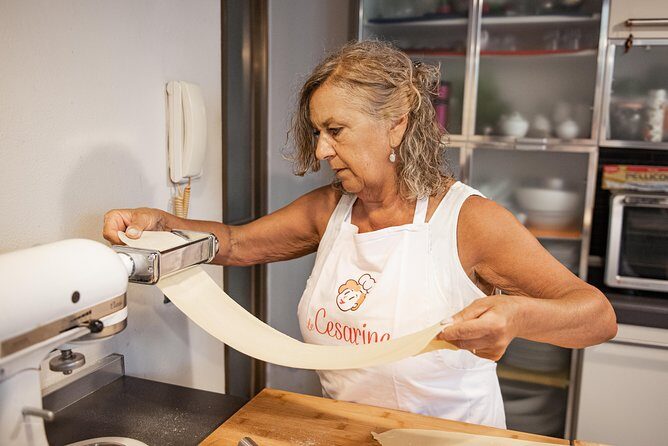
- Fresh pasta focus: you’ll mix, knead, and shape, not just taste.
- Welcome food and aperitif set the mood fast, before you even start cooking.
- Shared wine (1 bottle per 3) turns the table into a meal, but it’s not endless.
- Dessert is included with tiramisù as the finish.
A Catania Kitchen Table With a Small Group (and Actual Hospitality)
This is the kind of class that feels like it belongs on a real day off in Catania. You meet at Via Agostino de Cosmi, and you head into a local home near public transportation. From the start, the tone is warm and informal—more family dinner than workshop.
A big part of why this works is scale. With a maximum of 12 people, it doesn’t turn into a conveyor belt. You can ask questions while your dough is still manageable, and you’re more likely to get tips that fit what you’re seeing in your own hands. One class described by past participants included hosts like Angela and Marilù with a sense of humor and patience, which matters because pasta dough can be a little stubborn until someone shows you the exact right consistency.
Also, you’re not just learning in the abstract. You’re in the kitchen where the meal happens. That changes the whole pace. You’ll pay attention because you know the food ends up on your own plate.
You can also read our reviews of more tours and experiences in Sicily.



What You Actually Make: Sicilian Pasta Shapes and Local Favorites
The class centers on traditional fresh pasta, with options that can include pappardelle, tagliatelle, or ravioli. Expect hands-on work with dough and shaping—especially learning how to form pasta that looks right and cooks well.
The menu examples give you an idea of the Sicilian flavor direction. Depending on what’s on the plan for your session, you might see pastas such as:
- Pasta alla Norma (Sicilian-style)
- Anelletti al forno (baked Sicilian pasta)
- Pasta con le sarde (pasta with sardines)
Those dishes matter for more than bragging rights. They explain how Sicilian cooking leans: bold ingredients, tomato-forward comfort, and regional staples that show up again and again around Catania. Even if your hands-on portion focuses on fresh pasta forms, the meal portion ties it to real local plates.
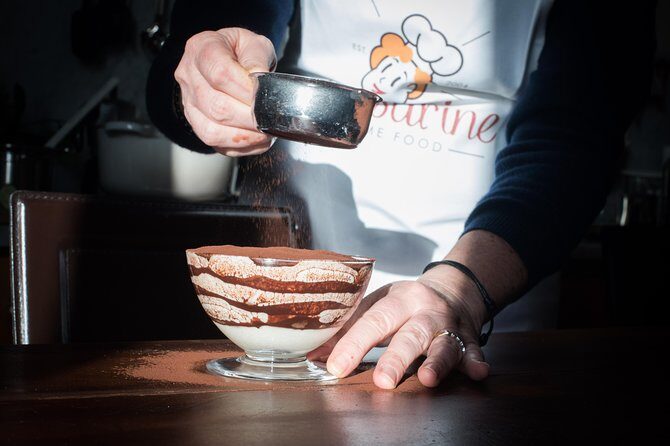
Dessert is tiramisù, included as part of the experience.
The Welcome Course: Appetizer, Aperitif, and Shared Wine
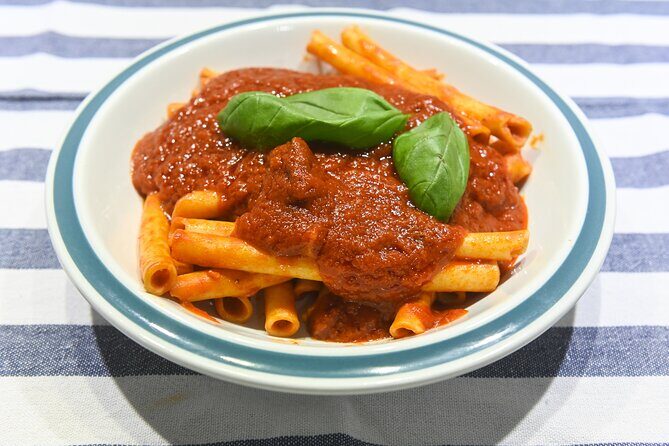
Before you cook, you’ll get a small appetizer and aperitif. This is a smart setup. It’s not a token snack; it helps you settle in, taste something local, and start the social part of the night (or morning) without rushing straight into flour-covered chaos.
Wine follows the meal rhythm. You’ll drink complimentary wine, with one bottle per three guests. That detail is worth noting. It’s enough to feel festive, but it’s clearly measured—so the experience remains about cooking and sitting together, not about partying.
If you care about “value,” this is where your mindset should be realistic. One feedback point was that wine was limited compared to expectations, and that affected how some people judged the price. My take: if you go for the pasta lesson itself, the welcome and wine act like a bonus to the table. If you go mainly for a long dinner with lots of alcohol, you may feel underfed on that front.
Your Hands-On Pasta Workshop: Dough, Knead, Shape
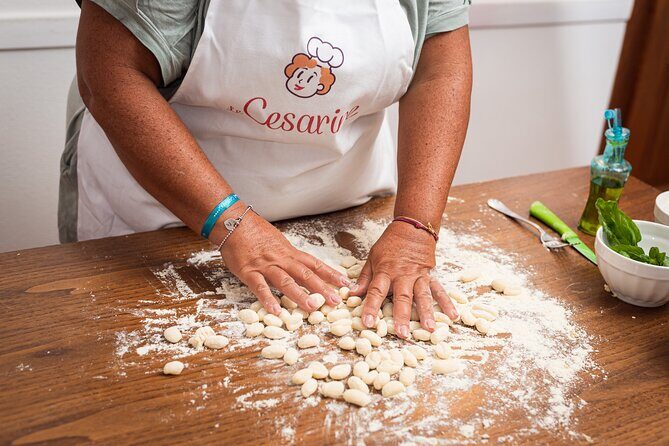
Here’s the core of the class: you’ll mix, knead, and shape fresh pasta with guidance from your host. The pacing works because pasta teaches you quickly. If the dough is too dry, it cracks. Too wet, it sticks. A good instructor helps you correct it fast, so you don’t spiral into frustration.
You’ll typically make classic forms such as:
- Pappardelle
- Tagliatelle
- Ravioli
Some sessions can include more specific creative variations. One past experience highlighted pistachio pasta made from scratch, taught by the host Angela, and another class mentioned strong instruction and a fun, relaxed atmosphere. Even if your host teaches a different variation, the underlying technique is the point: learn how to get the dough right and how to shape pasta that holds up while cooking.
Tip mindset: don’t treat this like a “learn the recipe once and leave.” Treat it like learning a skill. The biggest payoff is understanding dough feel—how it changes under your hands—because that’s what you can recreate later at home.
Eating What You Made: The Shared Meal and Tiramisù Finish
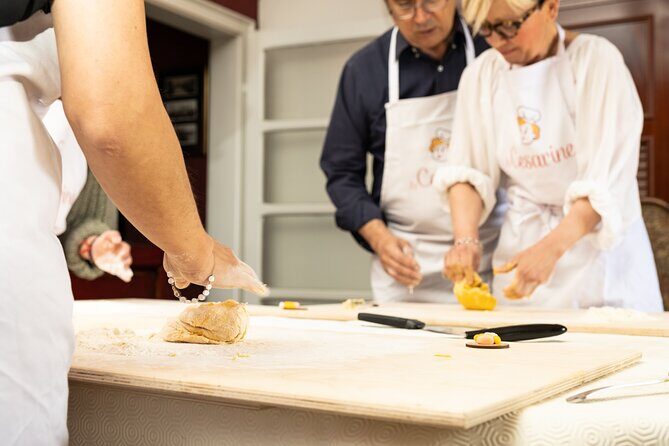
Once your pasta is ready, you gather at the table and eat what you made. That meal moment is a big deal because it’s where the lesson locks in. When you taste your own pasta, you understand why certain shaping choices matter. It’s hard to forget when you can connect your hands to the bite.
The experience is structured around a cozy home table. In one description involving Andrea and Graziella, the dinner-time setting included a balcony view, with Catania visible to one side and Mount Etna on the other. That may not happen in every session, but it’s a reminder of what you’re buying here: not just pasta skills, but a sense of place—Sicily in a home setting.
After the main pasta, you finish with tiramisù. Since dessert is included, you don’t leave hungry or hunting for a sweet stop right after.






Price and Value: How $83.08 Makes Sense (When You Compare Properly)
At $83.08 per person for about 1 hour 30 minutes, this isn’t a bargain-price cooking class. But it also isn’t priced like a restaurant meal.
What you’re really paying for is:
- a real home kitchen (not a classroom space),
- time with an instructor who teaches technique,
- a meal with appetizer/aperitif and shared wine,
- and included dessert.
A few people felt the cost was high based on how much wine they received and the overall length. That critique is fair as a “value” question. But if you price it correctly—like “How much would I pay for private-style instruction and a full included meal in someone’s home?”—the numbers start to look more reasonable.
My practical advice: treat it as a highlight experience. If you’re on a tight food budget, pick one cooking class per trip. This one is strong if you want hands-on skill and a local table more than a big tourist performance.
Also, the class is offered in English and confirmed at booking. That reduces uncertainty and makes the experience easier to enjoy even if your Italian isn’t strong.
Logistics That Actually Matter: Timing, Meeting Point, and Getting There
You’ll start at Via Agostino de Cosmi, 95123 Catania CT, Italy, and the activity ends back at the same meeting point. The location is near public transportation, which helps if you’re combining it with other Catania stops.
Because it runs about 1.5 hours, you should plan your day around it. Don’t stack it immediately after a long excursion that could run late. Pasta timing is real: if you arrive rushed or late, you’ll miss the flow of dough and instruction.
Mobile ticket: you’ll have that, which usually makes check-in simple.
Group size: max 12 means you’re not alone in your schedule, so you’ll likely be able to match it to your pacing in Catania without awkward gaps.
English Guidance vs. Real-World Language
The experience is offered in English. That’s great on paper.
Still, one past participant noted that a host didn’t speak English, and they used Google Translate and still felt the class was easy to follow. That tells me an important thing: even when language support varies, pasta teaching is visual and hands-on. You’ll see what to do, and you can use simple translation tools if needed.
Practical takeaway: if your Italian is basic, bring patience. Look for cues in demonstration and rely on the fact you’re working with your hands, not just listening.
Who Should Book This Pasta Love Class?
This is ideal for you if:
- You love food and want a hands-on skill, not just tasting.
- You like small-group settings and talking with the host.
- You want a Catania experience that happens in an actual home.
It’s less ideal if:
- You expect a long, sit-down restaurant-style dinner with lots of drink.
- You’re looking for purely passive sightseeing.
- You want a big multilingual crowd with minimal interaction.
If you’re on a honeymoon, a short city break, or even a cruise stop in Catania, this can be a high-impact use of time—one of the class highlights described by past participants.
Should You Book Share Your Pasta Love in a Local’s Home in Catania?
Yes, if you want a memorable Catania meal that you help create. The combination of small-group pace, hands-on dough work, and an included table meal (with tiramisù) is exactly the kind of experience that changes how you taste Italian food after you get home.
Before you book, be honest with yourself about what you’re optimizing for:
- If you want skills and a local home meal, this is a strong choice.
- If you mainly want lots of wine or a long dinner, you might judge the value more harshly.
If you can swing it, I’d put this near the top of your Catania food list.
FAQ
What’s the duration of the Catania pasta class?
The class lasts about 1 hour 30 minutes.
How much does the experience cost per person?
It costs $83.08 per person.
Is the class offered in English?
Yes, it’s offered in English.
Where do I meet for the experience?
You meet at Via Agostino de Cosmi, 95123 Catania CT, Italy.
How many people are in the group?
The class has a maximum of 12 travelers.
What’s included in the meal?
You’ll have a small appetizer and aperitif at the start, then enjoy the pasta you make, plus dessert (tiramisù). Complimentary wine is also included.
Is wine included, and how much?
Yes. The experience includes complimentary wine, with one bottle per three guests.
How do I get the ticket?
You’ll receive a mobile ticket.
Is there public transportation nearby?
Yes, it’s near public transportation.
Can I cancel and get a refund?
Yes. You can cancel up to 24 hours in advance for a full refund.