REVIEW · PALERMO
Palermo: Cooking and Limoncello Class
Book on GetYourGuide →Operated by Siciliandays · Bookable on GetYourGuide
Limoncello begins at the market. In Palermo, this 4-hour class pairs a guided trip to Capo Market with cooking instruction in Patrizia Santonocito’s kitchen, then finishes with the family method for limoncello and a bottle to take home.
I especially like the market-to-kitchen flow, because you choose ingredients first and learn what they’re for while you’re cooking. I also like that you’re not just tasting Sicilian food—you make a three-course menu, then sit down to eat what you prepared with wine. The only real drawback to consider is practical: transportation isn’t included, so you’ll want to plan how you’ll get to the meeting points on your own.
In This Review
- Key things I’d watch for before you go
- Capo Market ingredients: the start that makes the cooking click
- The walk back with your group: quick, easy, and part of the fun
- Inside Patrizia Santonocito’s home kitchen: making three Sicilian dishes
- The limoncello class: learning the family method step by step
- Wine and lunch: sitting down to eat what you cooked
- Timing and meeting points: the 10:30 AM vs 5:00 PM options
- What to bring (and what to avoid) for an easier cooking session
- Languages and group setup: why the private format helps
- Price and value: what you’re paying for at $220.91 per person
- Who should book this Palermo cooking and limoncello class
- Should you book? My take
- FAQ
- What is the duration of the Palermo cooking and limoncello class?
- Where do I meet for the 10:30 AM class?
- Where do I meet for the 5:00 PM class?
- What’s included in the price?
- Are vegetarian options or allergies accommodated?
- Do I need to bring anything, and can I bring luggage?
Key things I’d watch for before you go
- Capo Market shopping first: you buy ingredients with the group before you cook
- Patrizia Santonocito leads the show: family recipes, plus the small “why” behind them
- A true 3-course Sicilian lunch: you eat the meal you make
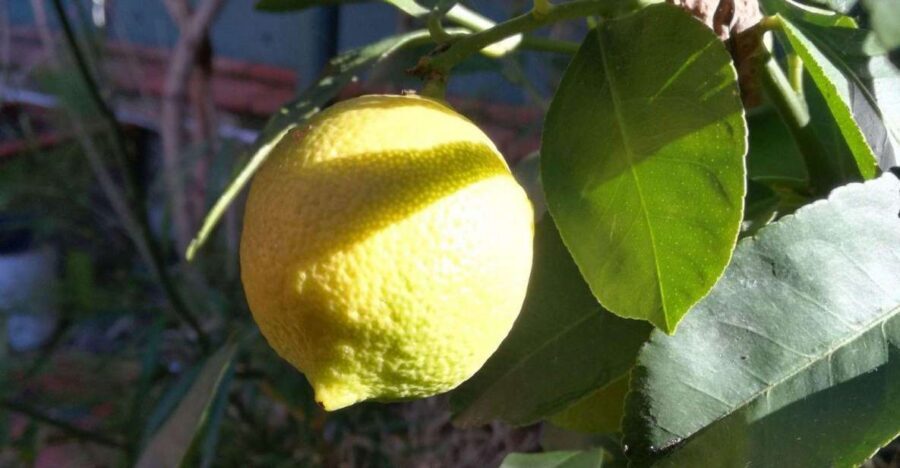
- Limoncello lesson with a take-home bottle: results, not just theory
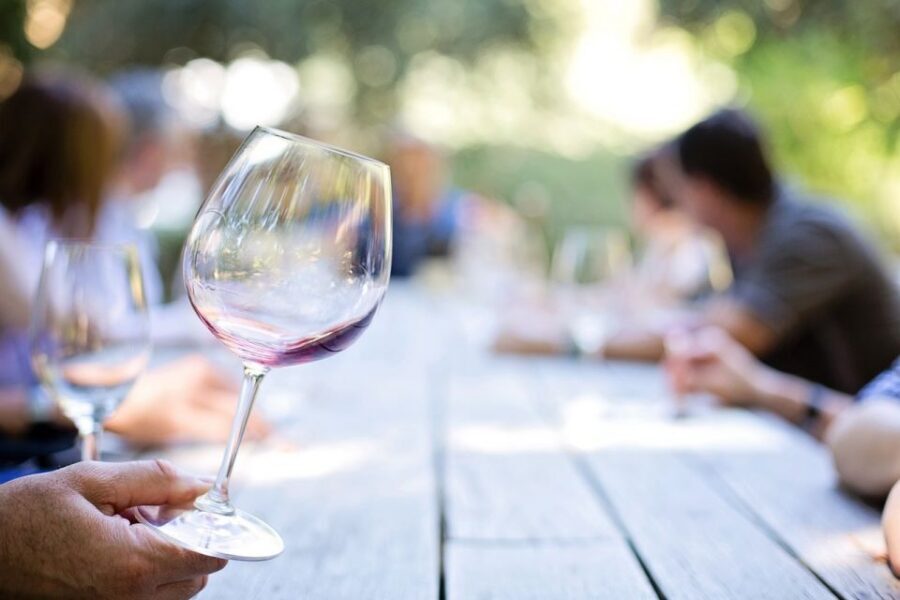
- Wine during class and lunch: cold Sicilian white wine plus more during the experience
- Private group format: easier to ask questions and adjust for needs like vegetarian preferences
Capo Market ingredients: the start that makes the cooking click
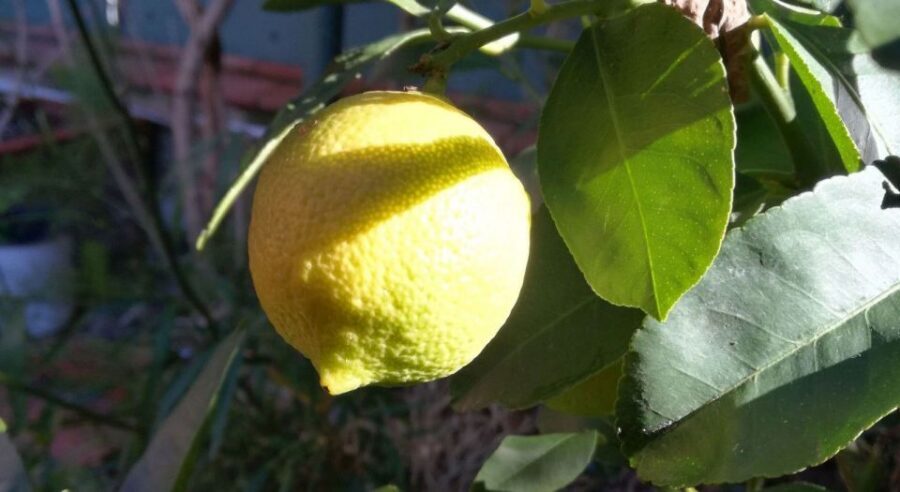
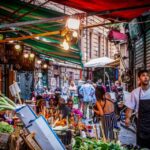
This experience is built around one smart idea: if you pick good ingredients first, cooking feels clearer and tastes better. You start at via Volturno, 78 at the Capo Market entrance for the 10:30 AM class (for the later session, the start point is different—more on that below). From there, you go shopping with your hosts and come back with what you need for a typical Sicilian menu.
Even if you’ve cooked before, the market stop changes your mindset. You’re not working from a generic recipe in a vacuum. You’re shopping in Palermo’s food world, then translating those choices into dishes. It also keeps the experience from feeling like a lecture. You’ll likely be asking questions in real time: what to look for, what matters, and why certain ingredients show up again and again in Sicilian cooking.
You can also read our reviews of more cooking classes in Palermo
The walk back with your group: quick, easy, and part of the fun
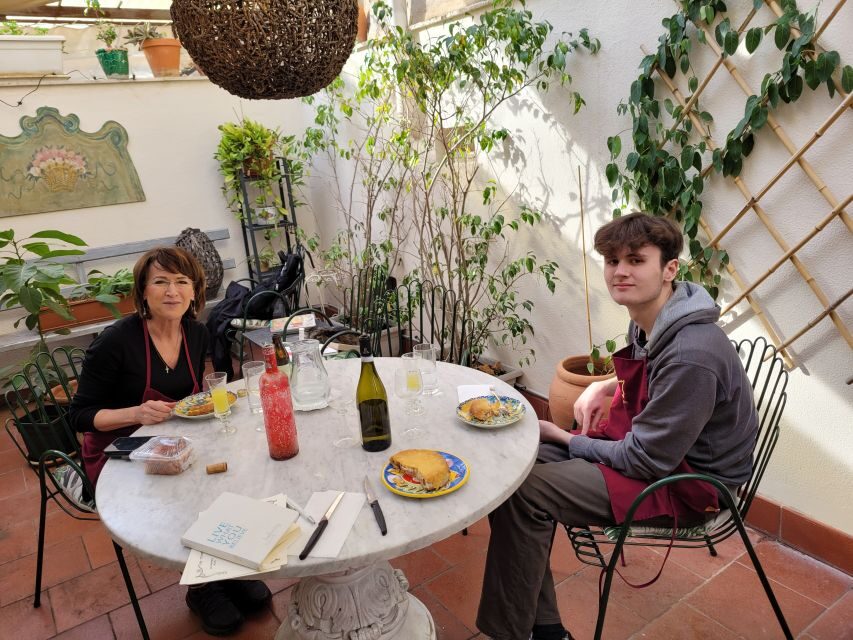
After the market, you head back on foot. The plan includes a walking tour back home, which sounds simple, but it helps you settle in. You’re moving through the neighborhood with your hosts, and that means fewer awkward pauses and more momentum.
It also gives you a small cultural bonus: you get a sense of how people move through the area and where everyday food spots fit into daily life. Just wear comfortable shoes. This isn’t the kind of walk where you want new sneakers or hard soles. And since the class location is a home kitchen, you’ll want to be ready to transition from street mode to cooking mode without wrestling bags.
Inside Patrizia Santonocito’s home kitchen: making three Sicilian dishes
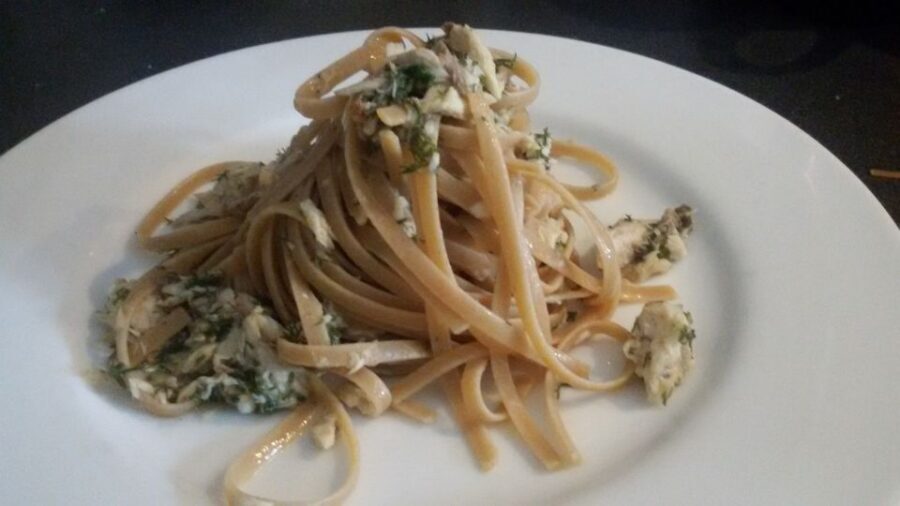
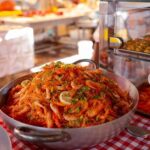
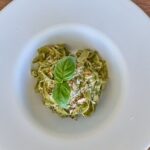
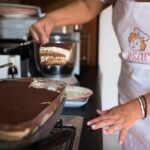
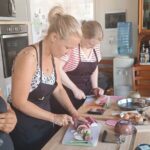
Once you arrive, you get the kind of welcome that turns a class into a meal: a glass of cold Sicilian white wine. Then you start cooking. The goal is a three-course Sicilian menu, with instruction that keeps you involved rather than parked at the edge of the counter.
The most valuable part here is the way recipes are taught. The food isn’t presented as fancy restaurant theory. You’ll be working on technique and timing, and your host shares family recipes along with the small “secrets” that usually don’t fit on a basic card. Expect practical guidance: how to handle ingredients, how to judge readiness, and how to turn steps into consistent results.
And because it’s a private group, the pacing feels more responsive. If you’re curious about substitutions, texture, or flavor balance, you’re more likely to get a straightforward answer rather than a rushed one.
The limoncello class: learning the family method step by step
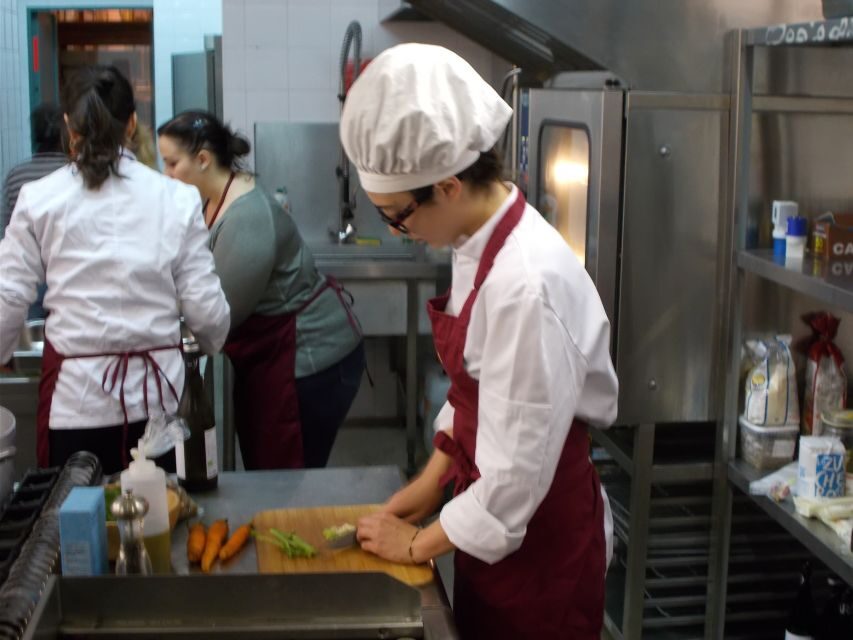
The limoncello component is the headline, but it also feels grounded. You’re not just watching someone else do it. You learn the secret to making the best limoncello you find, and at the end of the class you receive a bottle to take home.
A big reason this is worth your time is that limoncello is one of those things people treat as a product. Most tastings give you the drink, not the method. This class flips it. You’ll leave knowing the basics of how it’s made and what to watch for so your bottle tastes like the real deal rather than like something that’s only sweet.
Also, having the “how” tied to the rest of the meal helps. You’re tasting and cooking in the same experience, so the citrus profile and flavor logic make more sense. This makes it a strong option if you like food souvenirs that are edible and actually useful—not just a token with no instructions.
Wine and lunch: sitting down to eat what you cooked
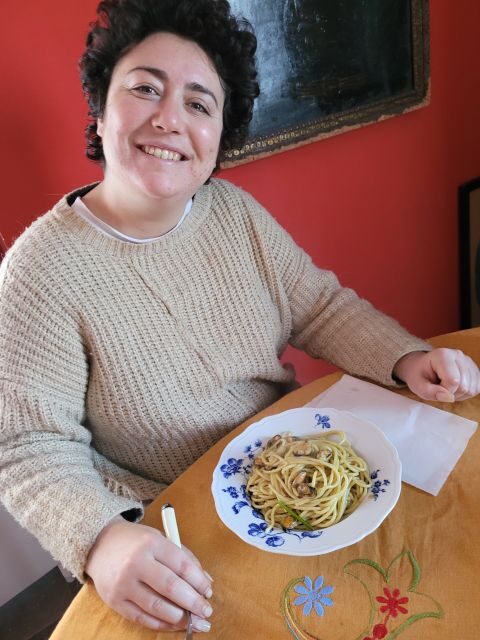
After cooking, you get a 3-course meal made by your group. Included in the experience is wine during the class and lunch, plus that welcome glass of cold Sicilian white wine when you arrive.
This matters more than it sounds. Many cooking classes finish with snacks or a quick bite. Here, you’re set up to eat properly—because the class is designed around a full lunch format. You can compare your version of each step with what you’re tasting on the plate, and you’ll likely notice differences you’d miss if you were only sampling tiny portions.
And since you’re eating what you helped prepare, you’ll have built-in context. You’ll know what stage the dish reached and what the key move was. That’s how you learn. You don’t just leave with a good memory. You leave with a mental checklist you can use later when you cook at home.
You can also read our reviews of more tours and experiences in Palermo
Timing and meeting points: the 10:30 AM vs 5:00 PM options
There are at least two class times, and they start in different places, so don’t wing it.
- 10:30 AM class start: via Volturno, 78, at the entrance of Capo Market.
- 5:00 PM class start: via Vittorio Emanuele, 492 (front Cathedral), second floor, name Santonocito Patrizia.
Both versions are listed as 4 hours total, and the experience ends back at the meeting point. Plan your arrival with a little buffer, especially if you’re navigating streets on foot. Palermo can be easy to get around, but turns add up fast, and you don’t want to rush in hungry.
What to bring (and what to avoid) for an easier cooking session
Keep it simple. Wear comfortable shoes, since you’ll walk as part of the experience. Skip heavy luggage too. Luggage or large bags aren’t allowed, which is a big deal if you’re traveling with a carry-on rolling case.
If you have dietary needs, handle them early. You should advise your guides in advance if you have any allergies or if you’d prefer a vegetarian menu. The class is built around a typical Sicilian menu, so communication helps them adjust without turning the day into a scramble.
One more tip that’s easy to ignore: it’s recommended to have a light breakfast the morning of your activity. With a market stop, active cooking, and a real sit-down lunch, you’ll want enough energy without feeling stuffed before you start.
Languages and group setup: why the private format helps
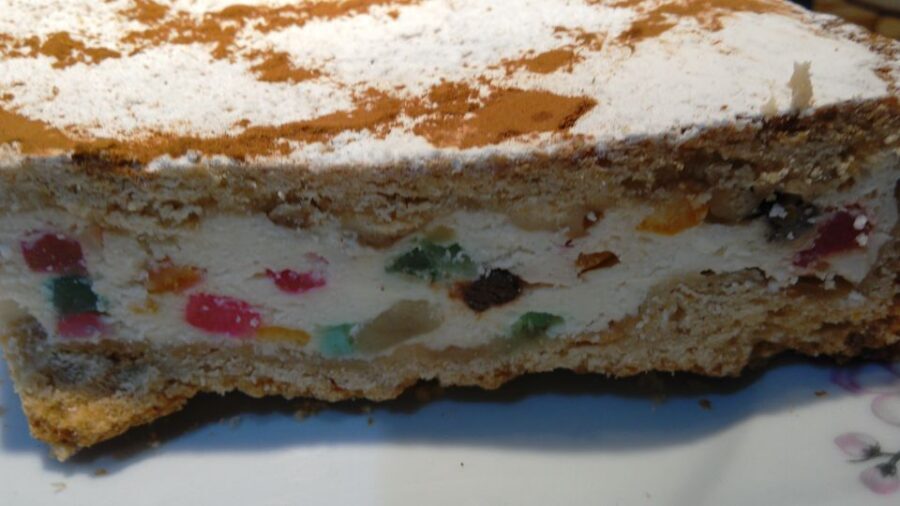
The instructor is listed as speaking Spanish, French, English, and Italian. That’s useful if your group is mixed, or if you want clear instructions without language strain.
Also, this is described as a private group. I like this setup for two reasons. First, it typically means better attention to your questions. Second, cooking classes can get awkward when you’re all strangers with different comfort levels around knives, heat, and timing. Here, the structure is centered on the group working together on the meal, which makes the day feel more like a shared project.
In practice, that tends to create the best atmosphere: you learn faster when you’re not worried about keeping up, and you enjoy the meal more when you share the work.
Price and value: what you’re paying for at $220.91 per person
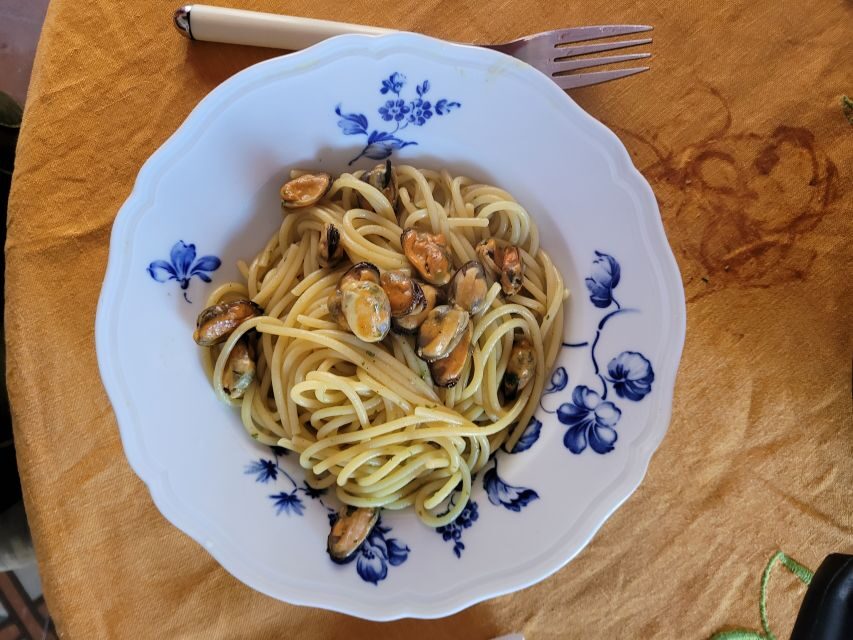
At $220.91 per person, this isn’t a budget activity. The value comes from what’s included, and from how the experience is put together.
You’re getting:
- a market tour with ingredient shopping
- a cooking class plus the limoncello lesson
- wine during the class and lunch
- a 3-course meal
- and a bottle of limoncello to take home
When you price it that way, it’s less “just a class” and more “a guided food afternoon that ends as lunch plus a take-home drink.” If you like cooking but hate the hassle of sourcing ingredients, this handles the prep. If you like trying local drinks, limoncello becomes more than a souvenir because you learn the method.
If your goal is purely sightseeing, you might prefer something less food-focused. But if you want a hands-on Palermo experience you can repeat at home, the structure makes the cost easier to justify.
Who should book this Palermo cooking and limoncello class
This works well if you:
- want an authentic Sicilian food experience that’s practical, not just scenic
- enjoy cooking and want family-style instruction you can actually use later
- like edible souvenirs and want a limoncello bottle with real context
You might want to skip it if:
- you need help with mobility, since it isn’t suitable for people with mobility impairments
- you’re traveling with lots of luggage or large bags due to the restrictions
- you don’t want to spend a full block of time on food preparation and eating
Should you book? My take
Book it if you want Palermo in a single afternoon: market shopping, real cooking, a shared lunch, and a limoncello bottle that doesn’t sit in a drawer. The strongest reason to choose this class is the pairing of instruction and results—you learn the method and then taste what the meal becomes.
Just go in ready to handle the logistics on your own. Plan your arrival to via Volturno, 78 for the 10:30 AM session or via Vittorio Emanuele, 492 for the 5:00 PM start, wear good shoes, and travel light.
If that sounds like your kind of travel, this is an easy yes.
FAQ
What is the duration of the Palermo cooking and limoncello class?
The class lasts 4 hours.
Where do I meet for the 10:30 AM class?
For the 10:30 AM class, meet at via Volturno, 78, at the entrance of Capo Market.
Where do I meet for the 5:00 PM class?
For the 5:00 PM class, meet at via Vittorio Emanuele, 492 (front Cathedral), second floor, name Santonocito Patrizia.
What’s included in the price?
It includes a market tour with shopping for ingredients, a walking tour back home, wine during the class and lunch, the cooking class plus the limoncello class, and a 3-course meal. You also take home a bottle of limoncello.
Are vegetarian options or allergies accommodated?
Yes, but you should advise your guides in advance if you have allergies or if you would prefer a vegetarian menu.
Do I need to bring anything, and can I bring luggage?
Bring comfortable shoes. Luggage or large bags aren’t allowed.