REVIEW · PALERMO
Palermo: Pasta & Tiramisu Cooking Class at a Local’s Home
Book on GetYourGuide →Operated by Cesarine · Bookable on GetYourGuide
Fresh pasta starts at a kitchen table. In Palermo, you learn to roll sfoglia by hand and make two classic pastas plus tiramisu in a local Cesarine cook’s home. I love the hands-on teaching style, and I love that the evening starts with a proper Italian aperitivo. The one real drawback to keep in mind: it’s inside a private home, and you only get the full address after you book.
This is a 3-hour class with an instructor who speaks Italian and English. You’ll cook, taste, and then eat what you make, with water, wine, coffee, and a prosecco aperitivo with nibbles included.
In This Review
- Key things that make this class work
- Why this Palermo cooking class feels different from the usual demo
- Aperitivo setup: prosecco, nibbles, and the right kind of warm-up
- The hands-on moment: rolling sfoglia like a real kitchen
- Making two pasta types from scratch (and why you’ll like this more than one)
- Tiramisu timing: the dessert lesson that doesn’t waste your time
- The meal: you’ll eat the pasta you make, not just snack
- Price and value: what you’re really paying for
- Meeting in a private home: how to avoid stress
- Who should book this (and who should think twice)
- Should you book Palermo Pasta & Tiramisu at a Local’s Home?
- FAQ
- How long is the Palermo pasta and tiramisu cooking class?
- Where does the class take place, and how do I find the address?
- What will I cook during the class?
- What’s included to eat and drink?
- What language will the instructor teach in?
- Is this experience suitable for wheelchair users?
Key things that make this class work
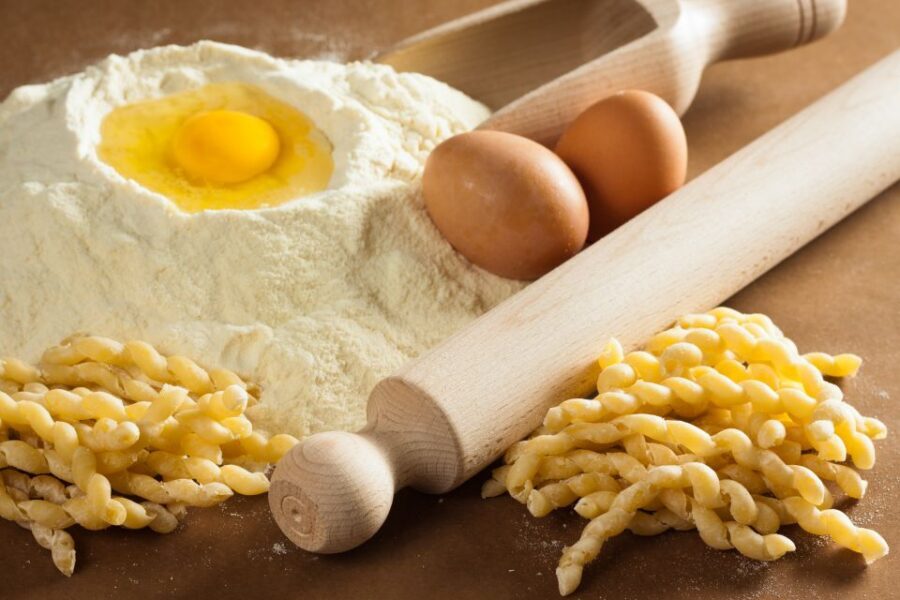
- Roll sfoglia by hand and learn what the dough should feel like before you ever “cook” it
- Two pasta types from scratch so you get more than one technique (not just one shape and done)
- Tiramisu training while dough rests so you don’t waste time waiting around
- Prosecco aperitivo first (plus nibbles) to loosen everyone up before the flour starts flying
- A small, home-kitchen vibe that can feel like dinner with food lovers, not a showroom lesson
Why this Palermo cooking class feels different from the usual demo
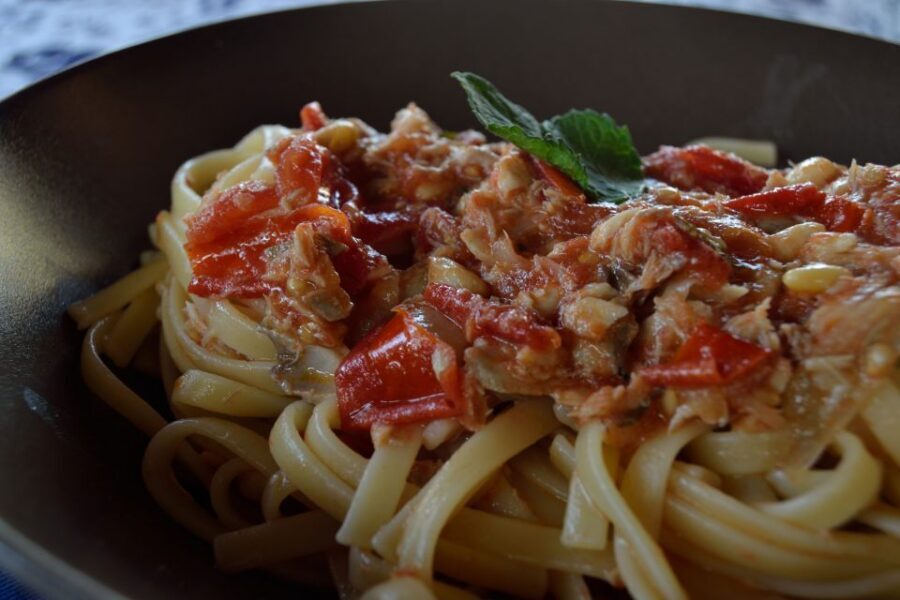
Palermo has plenty of food tours. This one does something smarter: it puts you inside a real kitchen and has you working at the counter. That matters, because fresh pasta isn’t hard because of fancy steps. It’s hard because dough is picky. You need feedback, timing, and hands-on guidance. In this class, you get exactly that, from an Italian home cook through Cesarine.
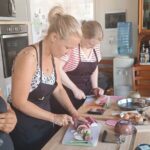
The “local home” format also changes the energy. Instead of sitting in a chair and watching, you’re actively making—rolling, shaping, cooking, and assembling tiramisu. The best part is that you’re not just learning recipes. You’re learning the logic behind them: texture, rest times, and how Italians build flavor in stages.
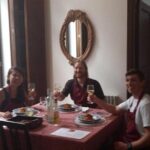
One more thing I appreciate: the evening is designed to be social. Your group shares the table, the wine, and the laughter that comes from trying something new with other curious people. In a city full of great restaurants, this is a rare chance to understand how the food got its start.
You can also read our reviews of more cooking classes in Palermo

Aperitivo setup: prosecco, nibbles, and the right kind of warm-up
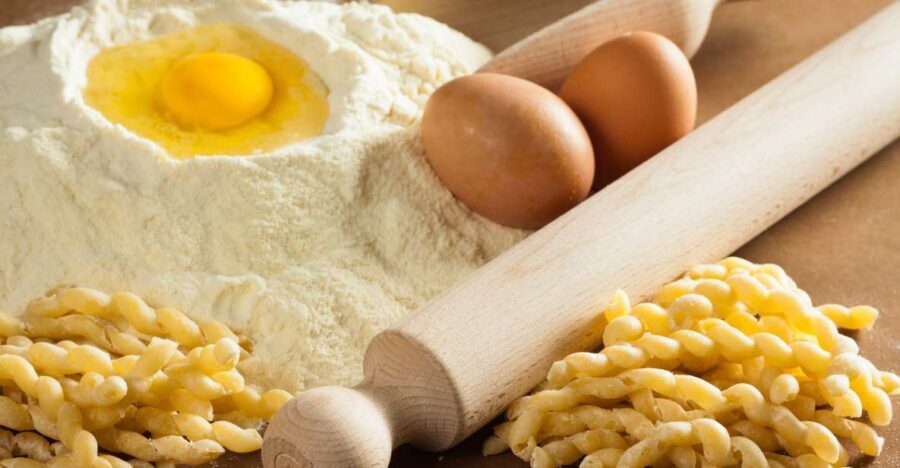
Before you touch ingredients, you’ll get an Italian aperitivo. It’s prosecco plus nibbles. That’s not just a courtesy. It sets the tone so the class feels like an evening with hosts, not a timed assignment.
Practically, this early break helps you settle in. If you’re flying across Palermo in the afternoon, you’ll arrive hungry, and you’ll want a smooth start. Having drinks and something small to nibble also means you’re not rushing through the early steps with low energy.
And yes, you’ll keep drinking through the meal—water, wine, and coffee are included. So you can relax and focus on the dough instead of keeping track of what you’re ordering.
The hands-on moment: rolling sfoglia like a real kitchen
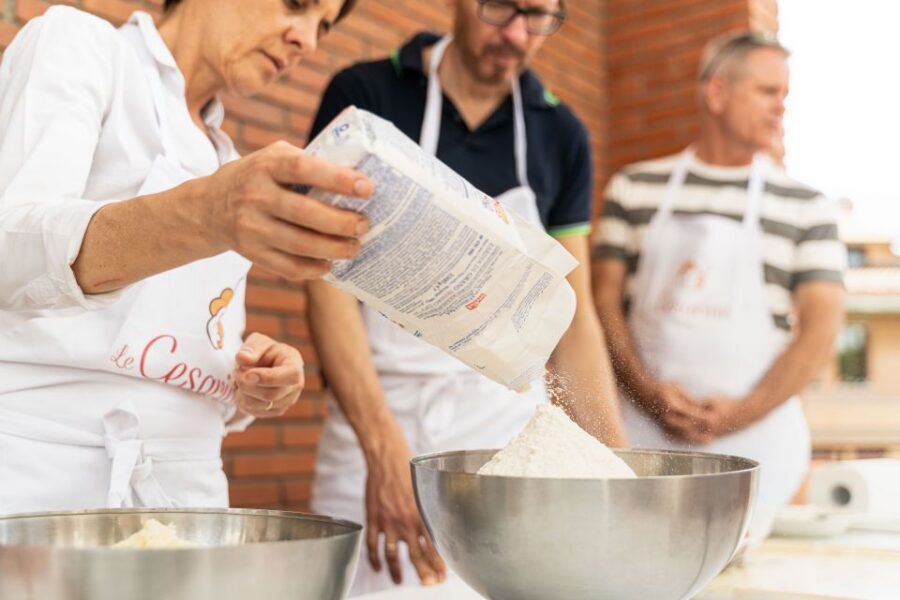
If there’s one skill worth showing up for, it’s rolling sfoglia by hand. Machine pasta can be good. Hand-rolled pasta is different because it’s all about feel. You’re learning how the dough behaves as it thins—how it resists, how it relaxes, and when it’s ready.
This is where a good home cook makes the class click. The instructor demonstrates, then you do it. You’re not memorizing steps from a card. You’re building muscle memory and learning the cues: thickness, elasticity, and how to handle without tearing or drying the dough out.
Why it’s valuable: fresh pasta is one of those things that sounds intimidating until someone helps you break it into sensations. Once you understand the dough, you can take that skill back and apply it to future pasta nights, even if you’re not making it in Palermo again.
Also, you’ll taste. The class includes tasting of the pasta recipes and tiramisu. That turns the lesson into something you can actually remember later, because you’re connecting the technique to the final result.
Making two pasta types from scratch (and why you’ll like this more than one)
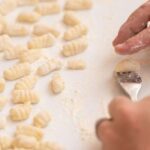
The class includes two iconic pasta types made from scratch, plus tiramisu. The exact shapes can vary by host and session, but the overall teaching approach stays consistent: you learn different techniques rather than just one “repeatable” trick.
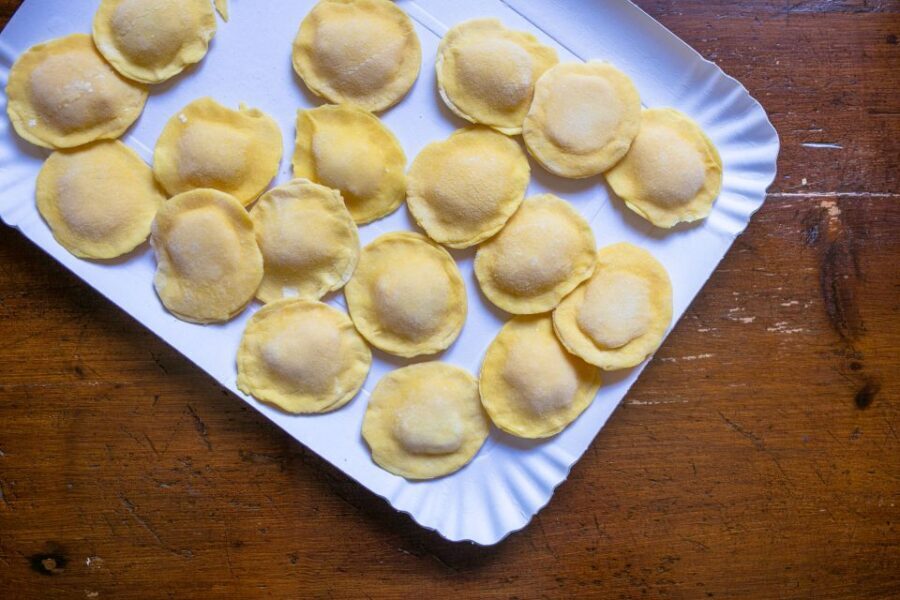
From what I’ve seen in this format, many sessions include well-known Italian shapes like ravioli and sometimes gnocchi—but don’t count on a specific one. What you can count on is that you’ll work through two distinct pasta preparations, which gives you a wider understanding of how Italian kitchens vary texture and technique.
Here’s why this matters for you:
- You get practice with different dough handling (and often different shaping methods).
- You learn how fillings and sauces interact with the pasta’s structure.
- You come away feeling like you can cook more than one dish, not just the one from class.
Even if your kitchen skills are rusty, you’ll be in good hands. The class is built for learning, and it includes time for the dough to rest and for you to keep up.
Tiramisu timing: the dessert lesson that doesn’t waste your time
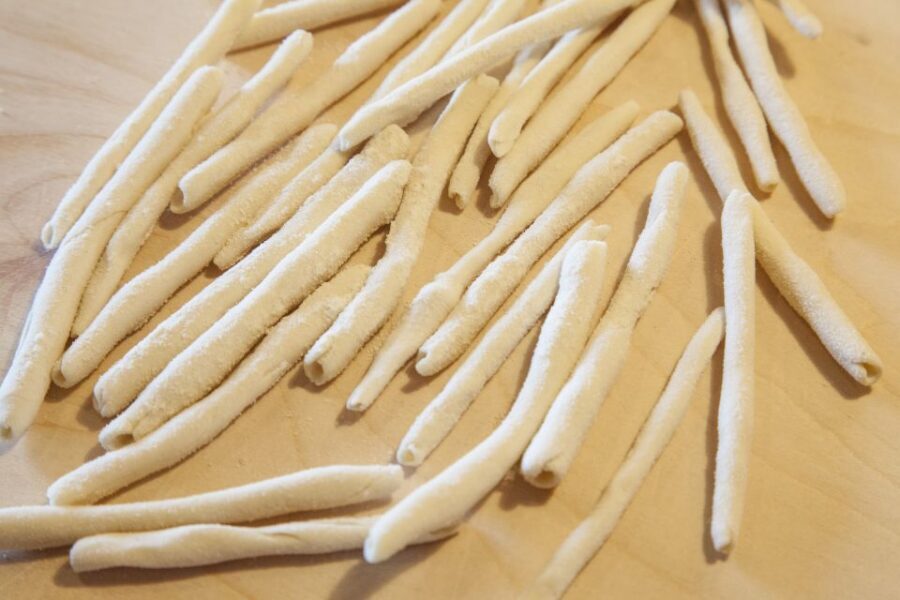
Tiramisu is the finale, but the smartest part is how the class uses the waiting. When certain dough steps need rest, you move toward tiramisu prep instead of standing around.
That shift is practical. Fresh pasta takes patience, and the rest periods are when you can either lose momentum or use the time well. Here, tiramisu becomes your “work while things rest” station.
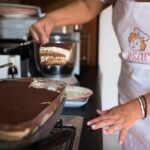
You’ll learn to prepare the iconic tiramisu from scratch, and then you’ll taste it at the end. The included tasting is important because tiramisu isn’t just assembling. It’s about balance—cream texture, soaked layers, and the way everything sets.
If you’ve ever had tiramisu that felt too wet or too stiff, this is your chance to understand what changes the outcome.
You can also read our reviews of more tours and experiences in Palermo
The meal: you’ll eat the pasta you make, not just snack
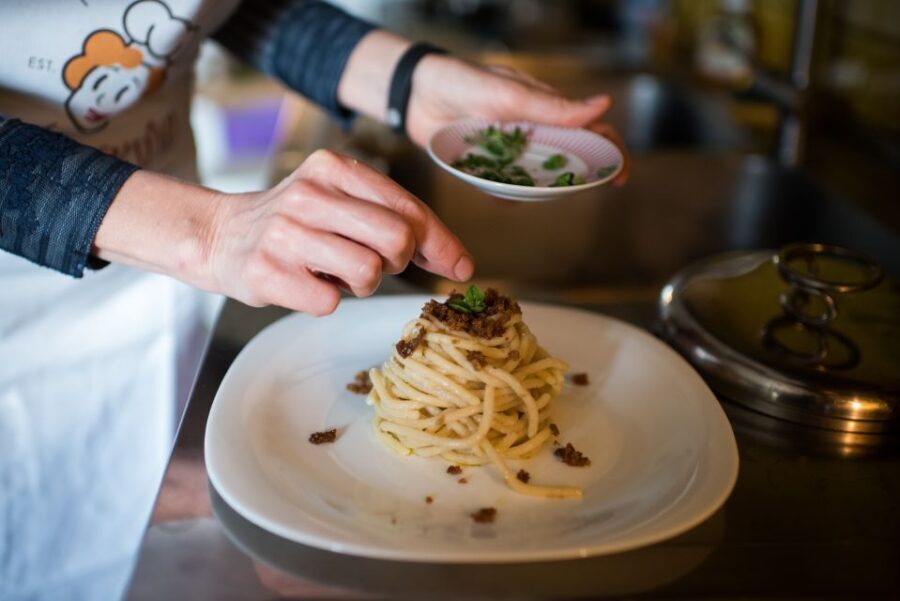
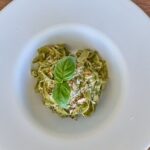
This class isn’t a “taste and leave” situation. You cook, you taste, and then you eat. Included beverages (water, wine, coffee) make the whole experience feel like a real dinner, not a workshop that ends when the camera-ready plate is done.
What you’ll get is:
- Pasta tasting of the two recipes you made
- Tasting of the tiramisu
- Italian aperitivo before cooking
- Wine, water, and coffee during the evening
That combination is one of the best value signals here. You’re paying for instruction, ingredients, and a full sit-down meal experience. In cities like Palermo, that kind of meal can easily cost as much as a standard dinner—except this time, you learn how it’s made.
Price and value: what you’re really paying for
At $152.93 per person for a 3-hour class, this is not a bargain-basement activity. But it’s also not overpriced for what you receive.
You’re paying for:
- A local home setup (not a commercial cooking studio)
- Professional-style instruction from an Italian-English instructor
- Ingredients for fresh pasta making plus tiramisu
- An aperitivo and included drinks (prosecco, wines, coffee, water)
- The meal itself, since you taste and eat what you produce
The value also comes from the format. If you’ve ever done hands-on cooking elsewhere, you know the difference between “cook along” and “actually taught.” Cesarine-style home cooking tends to focus on technique and personal attention, and the high rating (4.9) reflects that.
Is it pricey compared with a pizza and a walk? Yes. But if your goal in Palermo is to go beyond the usual and learn a transferable skill, the cost starts to make sense.
Meeting in a private home: how to avoid stress
For privacy, you don’t get the full address until after you book. That’s common for home-hosted experiences, and it’s also the main logistical quirk here.
I suggest you:
- Plan to arrive a little early so you’re not rushing through a neighborhood
- Be clear about how you’ll travel to the host home when booking (the program asks for this)
- Expect a normal residential setting, not a tourist-friendly venue
Since the start and end point are tied to the meeting point, it’s also smart to keep your schedule flexible before and after. A 3-hour block can turn into a longer evening if you’re having fun. And you probably will.
Who should book this (and who should think twice)
This class is ideal if you:
- Want a hands-on food experience that goes past tasting
- Like learning practical technique, especially with dough
- Enjoy dinner-table conversation with other food lovers
- Are happy to spend a few hours in someone’s home kitchen
It may not be ideal if you:
- Need wheelchair accessibility (it’s not suitable for wheelchair users)
- Prefer large group attractions with easy navigation and public venues
- Want a fast “see it, snap it, done” experience
If you’re the type who thinks about how food is made while everyone else is just eating, you’ll love this.
Should you book Palermo Pasta & Tiramisu at a Local’s Home?
I think it’s a strong yes if fresh pasta and tiramisu are on your Palermo checklist and you want more than a meal. You get sfoglia by hand, two pasta types from scratch, and tiramisu training—inside a real home with included aperitivo and drinks. The experience is built for learning, taste, and an unforced social vibe.
Book it if you’re comfortable with the private-home format and you don’t mind that the address comes after booking. If you need wheelchair access or you hate the idea of coordinating arrival to a residential neighborhood, then look for a more traditional, public-venue option.
FAQ
How long is the Palermo pasta and tiramisu cooking class?
It runs for about 3 hours.
Where does the class take place, and how do I find the address?
The class is held in a local’s home. For privacy, you only receive the full address after you book, and the activity ends back at the meeting point.
What will I cook during the class?
You’ll learn to roll sfoglia fresh pasta by hand, make 2 iconic pasta types from scratch, and prepare tiramisu.
What’s included to eat and drink?
You’ll get an Italian aperitivo with prosecco and nibbles. The class also includes beverages such as water, wines, and coffee, plus pasta and tiramisu-making instruction and tasting.
What language will the instructor teach in?
The instructor provides the class in Italian and English.
Is this experience suitable for wheelchair users?
No, it is not suitable for wheelchair users.
If you want, tell me your travel dates and where you’re staying in Palermo (neighborhood is enough). I can help you sanity-check timing so you’re not sprinting across town to reach a home kitchen on time.