REVIEW · PALERMO
Sicilian Cooking Class
Book on Viator →Operated by The Sicilian Pantry · Bookable on Viator
Cooking in Palermo starts at the market. This Sicilian cooking class sends you into the historic Capo area first, so your menu is built from what you actually find, not guesswork. I particularly liked the way you’re taught hands-on in an air-conditioned kitchen, and how Chef Michael keeps the lesson practical while sharing the why behind classic Palermo dishes.
Here’s the one thing to plan around: if you have severe food allergies, this isn’t the best fit as written, and you’ll want to message ahead so the team can advise.
In This Review
- Key highlights to look for
- Market to kitchen: Capo Street Market with Chef Michael
- From Capo to an air-conditioned cooking school
- The four-course Sicilian menu you’ll actually make
- Starter options: Palermo street-food classics
- Pasta course: fresh pasta plus a classic Palermo sauce
- Main course: meat rolls or swordfish with a breadcrumb crust
- Dessert: cannoli, cassata, and granita ideas
- Wine, homemade liqueurs, and coffee at the table
- Group size, timing, and getting there near Porta Carini
- Value for money: $118.56 and what you really get
- Who should book this Palermo class (and who should think twice)
- Should you book the Sicilian Pantry cooking class?
- FAQ
- How long is the Sicilian cooking class?
- Where do we meet for the class in Palermo?
- What language is the cooking class taught in?
- What will we eat during the lesson?
- Is there a market visit before cooking?
- Is it suitable for people with food allergies?
- Can I cancel and get a full refund?
Key highlights to look for
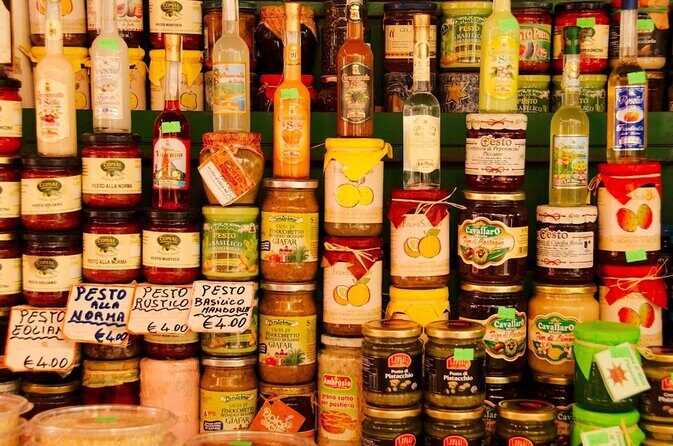
- Mercato del Capo ingredient shopping right in Palermo’s old-town food heart
- Hands-on cooking from making fresh pasta to prepping seafood and fried street-food classics
- Chef Michael’s English-first instruction in a small group format
- A four-course Sicilian meal paired with Sicilian wine plus homemade liqueurs
- Air-conditioned cooking space for a more comfortable afternoon
Market to kitchen: Capo Street Market with Chef Michael
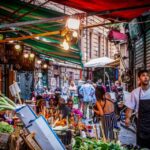
The experience starts near Porta Carini, at the edge of the Mercato del Capo area. You meet by the Parcheggio ORLANDO (APCOAP.za Vittorio Emanuele Orlando, 49). Then you head into the market to pick ingredients for that day’s lesson.
This matters more than it sounds. Palermo cooking is built on seasonality and local produce, and the market walk helps you see what Sicilians buy for home meals and street food. You’re not just collecting items; you’re learning how to think like a cook in Palermo: which produce looks right, what flavors work together, and why certain staples show up again and again.
The market part is also your first taste of the city’s rhythm. It’s lively, old-school, and very real. One word of caution: weather can affect how many stalls are open. If rain hits, you may find sections quieter than usual, but the group still uses the market to shape the meal.
You can also read our reviews of more cooking classes in Palermo
From Capo to an air-conditioned cooking school
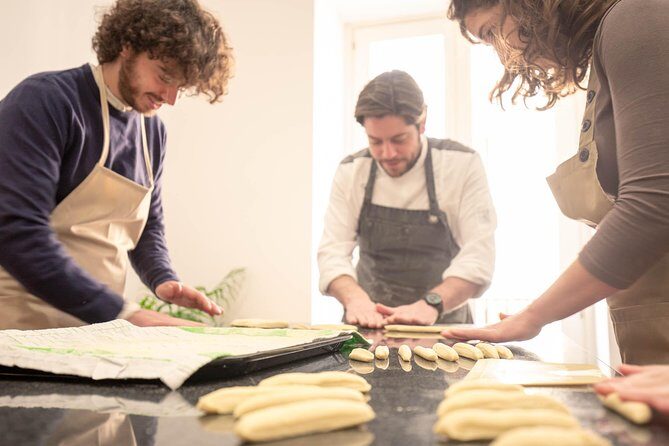
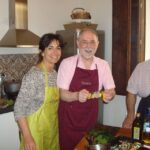
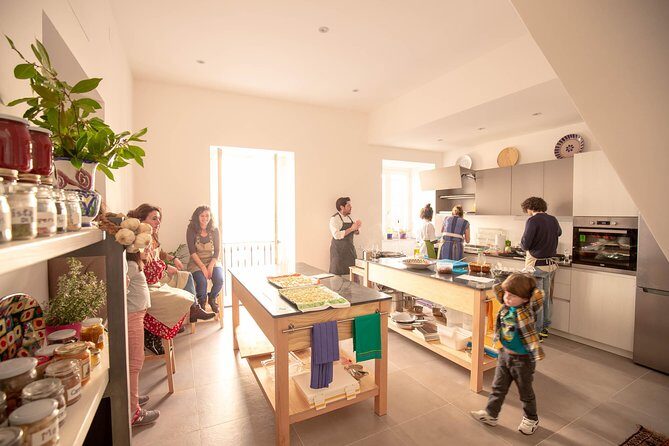
After shopping, you walk to the kitchen for cooking. The setting is a real cooking space, air-conditioned, which is a big deal in Palermo when the afternoon runs warm. You’ll work in a small group with an English-speaking instructor (Chef Michael, with assistants such as Elena or Melissa depending on the day).
What I like about this setup is the pace. You’re not standing at the edge watching. The lesson is hands-on through the main steps: prepping ingredients, learning technique, and cooking alongside the group. In classes like this, it’s easy to feel rushed, but the format here is timed so everyone can participate without turning into chaos.
If you’re hoping to bring home real skills, this is where you get them. You’ll learn practical methods behind classic dishes, like how to handle frying for crisp results and how fresh pasta comes together, step by step.
The four-course Sicilian menu you’ll actually make
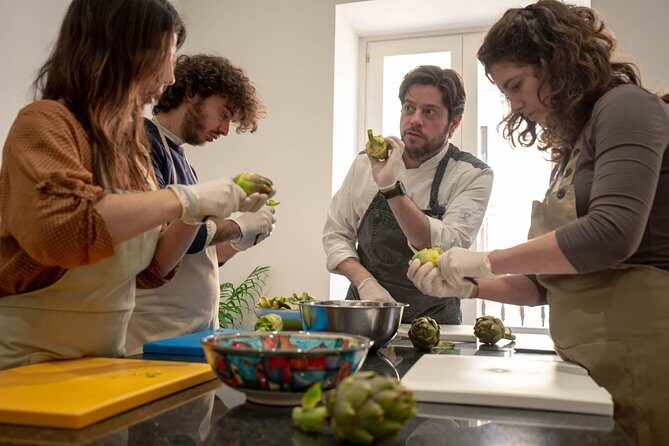
This class is structured around a four-course meal: starter, pasta dish, main course, and dessert. The exact dishes can depend on what’s seasonal and available at the market, but the menu examples are very Palermo—less touristy, more local comfort food.
Starter options: Palermo street-food classics
You may cook classic fried starters such as Panelle (chickpea fritters with lemon) and Arancine al burro (saffron rice balls with ham and cheese, breaded and fried). Another common starter is Carciofi fritti, artichoke pieces that get cleaned, quartered, breaded, and fried.
Even if you’ve had these on your travels, making them yourself is a different experience. You learn how the batter or coating should behave, what to watch for while frying, and how simple finishing touches like lemon make the whole plate taste sharper and more alive.
Pasta course: fresh pasta plus a classic Palermo sauce
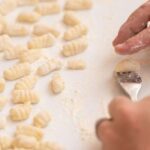
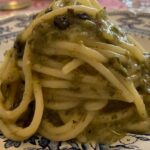
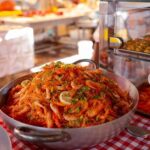
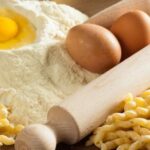
For the pasta course, you’ll do something hands-on like Pasta fresca con salsa fresca—you make the fresh pasta, then top it with tomato sauce. Fresh pasta teaches you control: dough texture, cutting, and cooking timing.
You may also make Pasta con le sarde, a Palermitan favorite with fresh sardines, wild fennel, saffron, currents, and pine nuts, finished with toasted breadcrumbs. That combination sounds bold, but that’s Palermo. The sweet-sour angle from currents plus the perfume from fennel is a big reason this dish feels so memorable.
You can also read our reviews of more tours and experiences in Palermo
Main course: meat rolls or swordfish with a breadcrumb crust
For the main, the options shown include Involtini di carne—thin meat rolls stuffed with cheese, breadcrumbs, currants, and almonds, skewered, breaded, and roasted. It’s the kind of dish that feels like a family table staple.
You might also see Pesce spada panato, swordfish slices dipped in olive oil and coated with seasoned breadcrumbs plus parsley, mint, and lemon zest. That topping matters. It brings brightness from citrus and a fresh herb kick, which keeps breadcrumb-crusted fish from feeling heavy.
Dessert: cannoli, cassata, and granita ideas
Dessert is where Palermo really shows off. You can expect Sicilian favorites like Cannoli—fried pastry tubes filled with sweet ricotta and often garnished with candied orange peel and pistachios from Bronte.
You may also make Cassata, with homemade almond paste and sponge cake stuffed with ricotta cream and decorated with candied fruit. For something colder and simpler, there’s Granita di mandorle, a frozen almond treat made from water, sugar, and almonds.
If you’re tempted to stick to pizza and generic gelato on this trip, this is a strong reminder that Sicily’s dessert world is its own thing. Getting a hands-on view of how these sweets feel (and how the flavors balance) makes it easier to order confidently on your own later.
Wine, homemade liqueurs, and coffee at the table
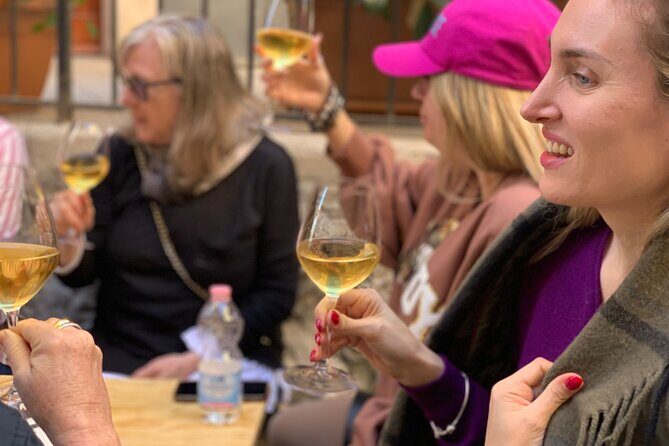
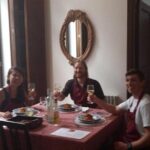
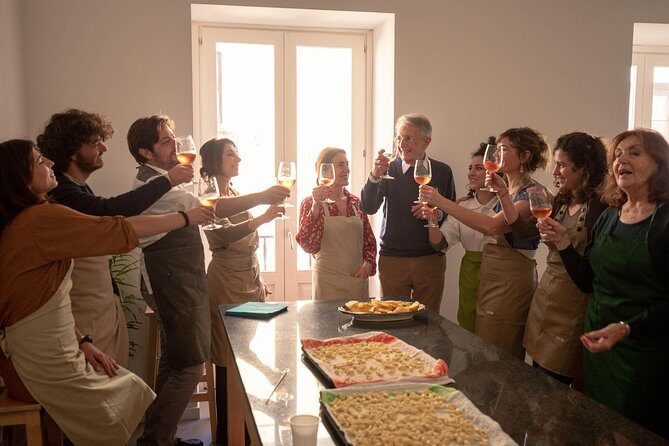
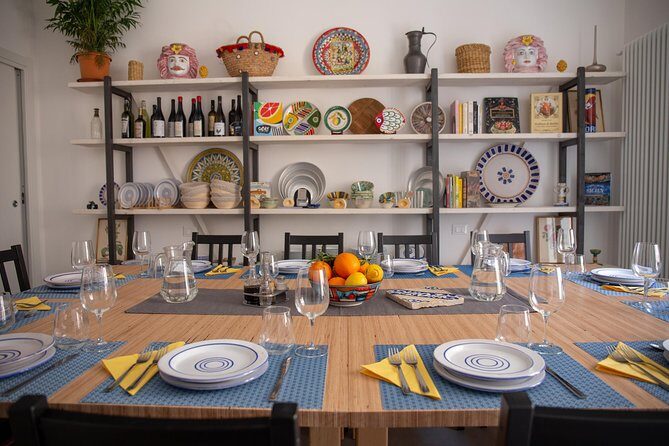
Once cooking is done, you sit down for the full meal with a selection of Sicilian wines. Afterward, the experience rounds out with coffee and homemade liqueurs.
This isn’t just food for the sake of food. The pairing and pacing create a proper “afternoon meal” flow: you work, you eat what you made, then you slow down. That social part is a big part of why the class works, especially for solo travelers or couples who want conversation without booking a crowded restaurant.
The liqueur element is also a nice way to learn that Sicilian drinking culture isn’t only about wine. The day ends with something sweeter and more digestif-style, often something in the orange family.
Group size, timing, and getting there near Porta Carini
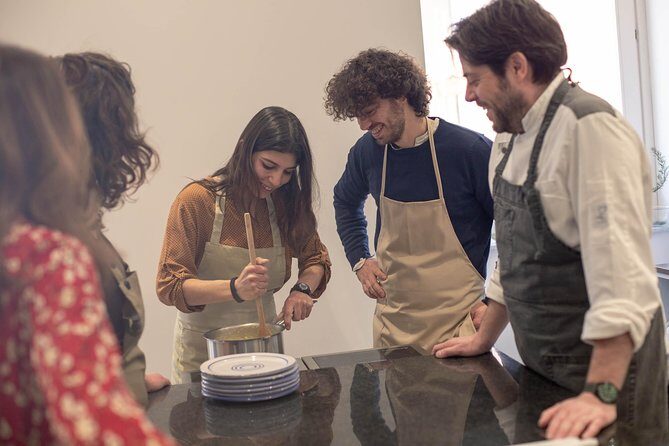
The class runs about 4 hours 30 minutes, starting at 10:00 am. Expect a straightforward flow: meet, market walk, kitchen lesson, then the sit-down meal. The group size is limited to a maximum of 8 travelers, which helps the instructors keep an eye on technique and make sure you’re not waiting around.
Your meeting point is listed as Parcheggio ORLANDO (APCOAP.za Vittorio Emanuele Orlando, 49, Palermo). The activity ends back at the meeting point. Since it’s near public transportation and the tour uses a mobile ticket, getting in and out is usually easier than with experiences that leave you somewhere more remote.
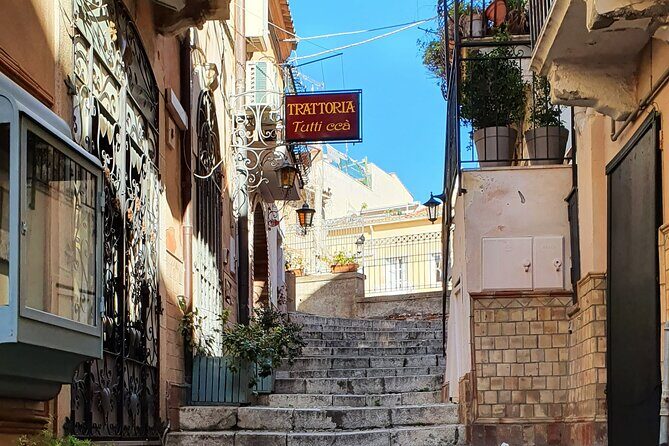
One small practical note: the cooking setup is described as a studio-style space in the area. If you have mobility concerns, plan for the fact that there can be stairs in this kind of old-town location.
Value for money: $118.56 and what you really get
At $118.56 per person for a roughly 4.5-hour class, you’re paying for more than recipes. You’re paying for:
- Market shopping time and ingredient selection in a real local setting
- English-speaking instruction and hands-on help with multiple dishes
- A full four-course meal
- Wine during the meal, plus homemade liqueurs and coffee
If you were trying to replicate this by yourself, you’d still spend time shopping, then you’d need a kitchen setup and skills for frying and fresh pasta. Even if you just compare it to a nice long lunch plus a cooking-focused guided experience, the value is fairly clear.
The other value point is learning something you can repeat. The best cooking classes change how you cook at home. Here, you’re training technique for staples of Palermo cuisine, not just following a one-time script.
Who should book this Palermo class (and who should think twice)
This is a great fit if you:
- Want Palermo food that goes beyond pizza, gelato, and the obvious tourist picks
- Like a structured lesson where you do the work, not just watch
- Enjoy local markets and want to learn how to shop for cooking, not souvenir hunting
It may not be the best fit if you:
- Have severe food allergies and can’t rely on substitutions. The experience notes it’s not recommended for severe allergies, so message ahead with dietary needs.
- Have mobility challenges and need step-free access, because the location and kitchen access can involve stairs.
If you’re traveling with kids, it can still work well for older teens and motivated families, since the class format is active and participatory. Just keep expectations realistic for kitchen tools and frying steps.
Should you book the Sicilian Pantry cooking class?
Yes, if you want a Palermo afternoon that feels like more than a meal. The combination of Mercato del Capo shopping, hands-on cooking with Chef Michael, and the finish of wine, homemade liqueurs, and coffee makes the experience feel complete. It’s also a smart choice if you like learning the local logic behind dishes, not just collecting food photos.
Book it with a small reality check: bring flexibility for weather impacts on the market, and plan ahead if allergies or mobility are concerns. If those points are fine for you, this is one of the strongest ways to experience Sicilian cooking as a living culture rather than a checklist.
FAQ
How long is the Sicilian cooking class?
It runs about 4 hours 30 minutes.
Where do we meet for the class in Palermo?
You meet at Parcheggio ORLANDO, APCOAP.za Vittorio Emanuele Orlando, 49, 90134 Palermo, near Porta Carini and the Mercato del Capo entrance. The class ends back at the meeting point.
What language is the cooking class taught in?
The class is offered in English, with an English-speaking instructor.
What will we eat during the lesson?
You’ll prepare a four-course meal: a starter, a pasta course, a main course, and dessert. The experience includes wine with the meal, plus coffee and homemade liqueurs.
Is there a market visit before cooking?
Yes. You visit the historic Capo Street Market (Mercato del Capo area) to select fresh ingredients for the lesson.
Is it suitable for people with food allergies?
It’s not recommended for people with severe food allergies. If you have dietary requirements, you should get in touch before booking.
Can I cancel and get a full refund?
Yes. You can cancel up to 24 hours in advance for a full refund. If you cancel less than 24 hours before the start time, the amount paid is not refunded.