REVIEW · PALERMO
Small group Pasta and Tiramisu class in Palermo
Book on Viator →Operated by Cesarine: Cooking Class · Bookable on Viator
Fresh pasta, real Palermo homes. This 3-hour, small-group cooking class takes you into a carefully chosen local kitchen where the pasta and tiramisu are the main event, not a photo-op. You’ll cook with a Cesarine host in their own home, share a meal at the end, and enjoy complimentary drinks and snacks along the way.
What I like most is the hands-on teaching. You work through classic techniques and build recipes you can actually repeat later, with hosts who make it feel friendly and personal, whether your teacher is Francesca or Alice. I also love the payoff: you don’t just learn, you sit down to eat what you made, often paired with Prosecco and a spread of snacks.
One consideration: the address and setup can be a little tricky. A few guests flagged that the outside look didn’t match what they expected, so plan to confirm exactly where to go. Also, while most sessions focus on making fresh pasta, one unhappy report described premade elements, so check details if that’s a dealbreaker for you.
In This Review
- Quick hits you’ll care about
- Why this Palermo class feels like an invite, not a performance
- The 3-hour flow in a local kitchen (what happens when)
- Pasta time in Palermo: dough, shapes, and sauce choices
- Tiramisu in a real home: the dessert that waits
- What you actually get to eat and drink
- Price and value: is $163.27 worth it?
- Group size, language, and comfort level
- What to watch for before you go (simple practical tips)
- Who this Palermo pasta and tiramisu class suits best
- Should you book this Pasta and Tiramisu class in Palermo?
Quick hits you’ll care about
- Up to 12 people keeps it calm, conversational, and easier to get help.
- English offered means you can follow every step without playing kitchen charades.
- Make and eat the meal: your cooking leads to a proper tasting, not just samples.
- Complimentary Prosecco and snacks turn the end of class into a real hang.
- Local home setting beats the tourist track and feels like you got invited.
- Recipe take-home value: you leave with the skills to recreate pasta and tiramisu at home.
Why this Palermo class feels like an invite, not a performance
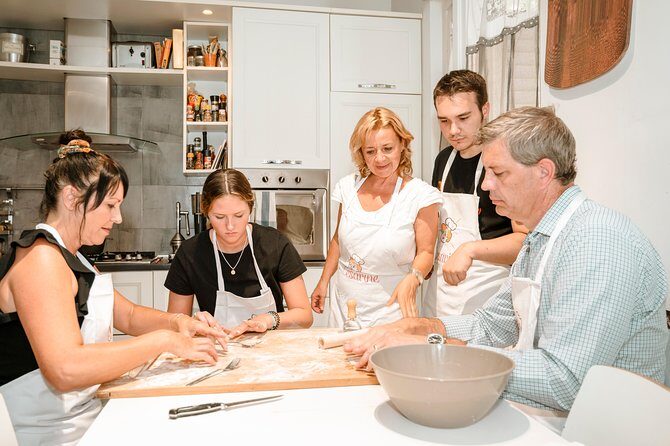
Palermo can surprise you. Yes, there are sights, but the best memories often come from small moments: someone pulling up a chair, someone explaining a trick for getting the dough right, someone saying this is how we do it in our family.
This class is built around that exact idea. You’re not in a studio. You’re in a home. And that changes the whole vibe. In a home kitchen, you notice the practical stuff: how ingredients are stored, how tools are laid out, and how the host moves while they talk.
The standout here is that the experience is recipe-driven and social at the same time. You’ll cook pasta and tiramisu, then you’ll share a meal with the group. Add in the complimentary Prosecco, soft drinks, and snacks, and the “class” turns into something closer to an evening with friends who happen to be excellent cooks.
You can also read our reviews of more tours and experiences in Palermo

The 3-hour flow in a local kitchen (what happens when)
The class runs about 3 hours and ends back at the meeting point. In that time, you’re usually doing three things: prepping, cooking, and sitting down to eat.
Here’s the rhythm you can expect in plain terms:
1) Welcome and setup
You’ll meet your Cesarine host in Palermo. The tone is relaxed, like you’re visiting a family kitchen, not attending a factory-style lesson. You’ll get oriented on what you’re making and how the steps connect.
2) Hands-on cooking
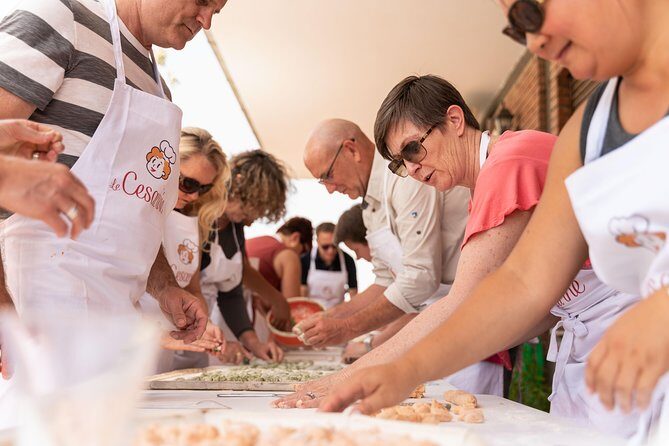
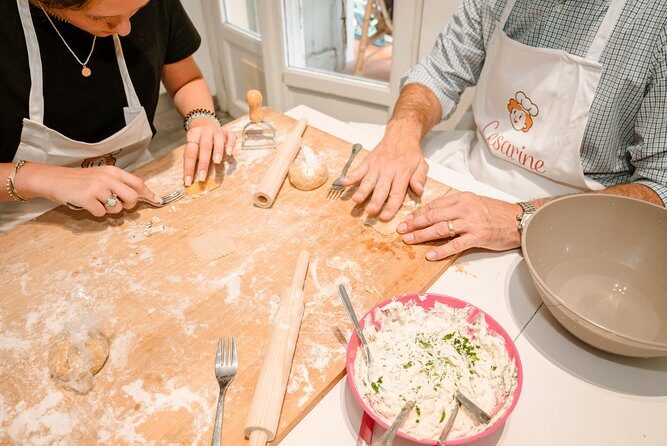
You’ll work through making pasta and assembling tiramisu. Depending on the session, that can include learning dough basics (like using 00 flour and eggs), using a pasta machine, and mastering simple technique cues: when the dough is ready, how to handle shaping, and how to keep sauce flavors balanced.
A nice detail from past classes: hosts sometimes talk through ingredient choices beyond the recipe. One host tied flavor to basil and garden ingredients. Another spent time on picking vegetables and understanding what different ingredients bring to the dish. That kind of explanation helps you cook more confidently later.
3) Tasting and eating together
After the cooking portion, you’ll eat what you made. Many hosts set up appetizers and wine so you can actually enjoy the fruits of your labor. Several people described enjoying lunch or dinner-style seating right in the home, often on a terrace or at a dining table.
If you’re hungry, you’ll understand why this can be a highlight. This is not “light bites then goodbye.” It’s a full food experience.
Pasta time in Palermo: dough, shapes, and sauce choices
Let’s talk pasta, because this is where the class earns its reputation.
The promise is simple: you’ll learn to recreate classic Italian pasta. In practice, that usually means learning how to make the dough from scratch and then shaping it into more than one type, or at least mastering one while pairing it with a sauce you can replicate.
From the teaching styles people experienced, you’re likely to cover things like:
- Fresh dough basics: getting the texture right before you start shaping
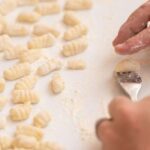
- Shaping techniques: creating forms like ravioli or making fettuccine-style pasta
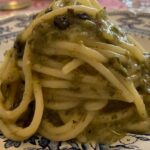
- Sauce logic: pairing what you made with a sauce such as pesto or ragù/ragu
- Timing cues: knowing when ingredients are ready, not just following a stopwatch
Some hosts go deeper than you might expect for a short class. In one session with Francesca, the teaching included practical guidance on flours, oils, seasoning, and even ingredient preferences. Another host emphasized patience through every step while guiding people through tiramisu and multiple pasta types.
Here’s the real takeaway for you: you’re not only learning a recipe. You’re learning decision-making. That’s what lets you cook again at home instead of just copying steps.
One more honest note. While most descriptions point to fresh-from-scratch pasta work, at least one person reported that the pasta and tiramisu weren’t fully homemade in the way they expected. So if you’re booking specifically because you want to roll dough and shape everything yourself, it’s worth confirming what your session includes once you’re in contact.
Tiramisu in a real home: the dessert that waits
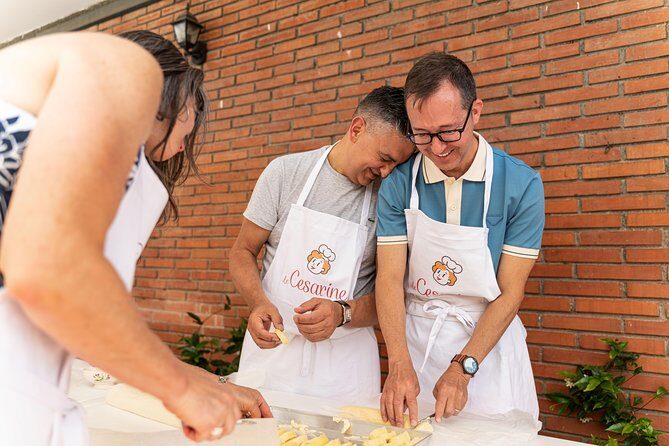
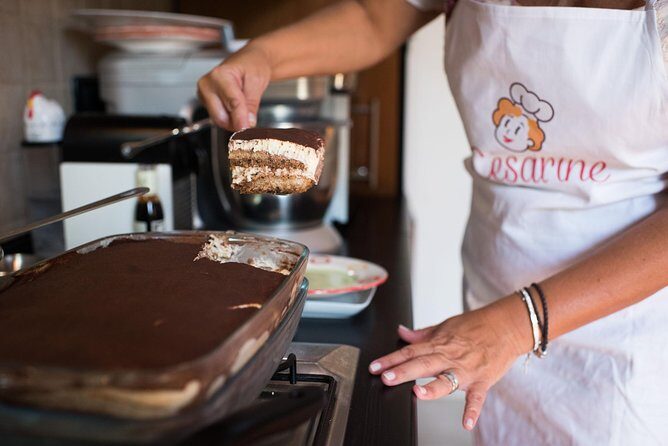
Tiramisu has a reputation for being fancy, but the best classes make it feel doable. In this Palermo class, tiramisu is treated like a real cooking project, not a “just assemble it” afterthought.
The key practical value is the technique and timing. Tiramisu depends on the right balance and the right moment to stop. You’ll learn how to build it step by step and then let it chill so it sets correctly.
From past participants, the focus tends to be on the host walking you through each part and helping you avoid the common mistakes that make homemade tiramisu taste good but not quite right.
Also, because tiramisu takes time to chill, it fits neatly into a half-day class schedule. While the dessert does its job, you’re out working on pasta. Then, when you sit down to eat, you finally get the payoff.
If you’ve ever tried tiramisu at home and wondered why it didn’t slice the way you wanted, this is exactly the kind of class that can fix that. You’ll understand the structure and how the ingredients behave together.
What you actually get to eat and drink
This is one of the best value angles of the experience. You don’t leave with just recipes and the smell of garlic on your hands.
You get:
- Meal tasting of what you made
- Complimentary Prosecco and soft drinks
- Snacks during the experience
- A group meal setup in the home, often with appetizers
A few people described an almost full dining experience: appetizers, Prosecco, and then the pasta dishes and tiramisu served as a feast. One host even used family-style conversation time after the cooking, so the food didn’t feel rushed.
For you, this matters because cooking classes can range from “workshop” to “meal.” This one lands in the middle to upper end. You should plan to eat well here and not overpack your lunch plans the same day. More than one person advised going easy earlier, because the class portion is generous.






Price and value: is $163.27 worth it?
At $163.27 per person for about 3 hours, you’re paying for more than ingredients. You’re paying for three things that add up fast:
1) A private home experience
Up to 12 people means you’re not fighting crowds. You’re in a kitchen where the host can slow down, explain, and help.
2) Instruction plus finished food
You’re not only learning techniques. You’re eating the results, and you’re doing it with drinks and snacks included.
3) Repeatable skills
The class is designed to teach you how to make pasta and tiramisu at home. That’s the souvenir that lasts. A recipe card is nice. A technique you understand is better.
If you’re the type who likes doing one memorable “do” activity rather than stacking museums, this is strong value. It’s also a great fit if you want something cultural that doesn’t require a huge time commitment.
If you’re on a tight budget or you only want to snack and keep it casual, you might prefer a cheaper tasting. But if your goal is hands-on cooking plus a real meal, this price starts to make sense quickly.
Group size, language, and comfort level
This is a shared cooking class with a maximum of 12 travelers. For most people, that’s the sweet spot. You get group energy, but you’re still close enough to your host to get feedback.
The class is offered in English, which matters because cooking is mostly about technique. If you have to guess, you miss the point. Here, you should be able to follow along while you work.
The home setting also tends to be comfortable in a way big tours aren’t. Many people described hosts welcoming them like family. You’ll likely feel part of the room instead of watching from a distance.
Dietary needs: one strong example from past experiences was a gluten allergy accommodation, with a gluten-free pasta recipe taught so someone could enjoy the class with confidence. If you have dietary restrictions, don’t guess—message ahead and confirm what they can do.
What to watch for before you go (simple practical tips)
This experience sounds easy. You book, you show up, you cook. The reality is mostly simple, but there are a couple things that can make or break your day.
- Plan for the location
Some people found the home address challenging to find because the outside wasn’t obvious. The fix is straightforward: double-check the exact place and use any host contact info you’re given.
- Eat lightly beforehand
This isn’t a one-bite class. You’ll cook and then eat your pasta and tiramisu. One person basically advised: eat light earlier so you can enjoy everything fully.
- Ask your host if you’re after a specific pasta style
The class centers on pasta plus tiramisu, and multiple pasta types may be part of the session. If you care about rolling dough versus assembling something, ask what your session includes.
Who this Palermo pasta and tiramisu class suits best
This class is best for you if:
- You want a hands-on food experience more than a walking tour
- You like learning technique, not just collecting photos
- You enjoy eating what you make, with wine and conversation afterward
- You’d rather spend your time in a local home than in a crowded, staged setting
It’s also a good pick for couples and small groups of friends. Several experiences included families spanning different ages, which suggests the host style works well when people are open to learning and sharing the table.
If you hate mess (flour everywhere is real) or you’re only looking for a quick bite, you might feel shortchanged. The class is active. Come ready.
Should you book this Pasta and Tiramisu class in Palermo?
If your trip to Palermo has room for one memorable, practical food experience, I’d say yes—book it.
This has a strong track record: a 4.9/5 rating from 109 reviews, with 98% recommending. The praise patterns are consistent: warm hosting, fun hands-on cooking, and the best part—actually eating a feast you helped create. People also highlight specific hosts like Francesca and Alice, which is a good sign that the teaching style is steady and personal.
My main “think twice” flag is simple: confirm that your session matches your expectations for fresh pasta and homemade tiramisu. Most sessions look like full cooking from scratch, but one unhappy account described a different setup.
If you want pasta skills you can repeat and an evening that feels like family hospitality in Palermo, this is a very strong choice.