REVIEW · SICILY
Palermo: Anti-Mafia 3-Hour Walking Tour
Book on Viator →Operated by Curioseety SRLS · Bookable on Viator
Mafia power shaped Palermo. This 3-hour walk reframes the city through anti-Mafia activism, from Teatro Massimo to memorials and civic buildings. I especially like the way the route ties each location to a real story of civil mobilization, and I like that the tour funds the grassroots group Addiopizzo while you learn.
You’ll also notice guides like Salvatore and Sylvia bring the material to life in clear English, with answers that go beyond the usual headlines. One consideration: it is a lot of walking for a short outing, and it may not be ideal for children or for very hot, crowded days.
With a maximum group size of 18 and a start at P.za Giuseppe Verdi 54, it’s an easy plan to fit into a day of historic-center wandering—then you’re back where you began.
In This Review
- Key highlights worth planning around
- Why this Palermo anti-Mafia walk feels different than sightseeing
- Teatro Massimo: the Godfather connection, then the real conversation
- Capo Market to the Mural of Legality: street-level resistance
- Piazza della Memoria and the Cathedral: when justice meets faith
- City Hall and the Palermo Spring: civic courage in the open
- The guide matters: clear English, strong storytelling, real questions
- Price and value: $54.19 with a donation built in
- What to expect on the ground: timing, walking comfort, and pacing
- Who should book this Palermo anti-Mafia walking tour
- Should you book it?
- FAQ
- How long is the Palermo anti-Mafia walking tour?
- Where does the tour start, and where does it end?
- Is the tour offered in English?
- How many people are in the group?
- What stops are included on the route?
- Is a donation included in the price?
- Is there a lot of walking?
- Can I cancel for a full refund?
Key highlights worth planning around
- Teatro Massimo gets a fresh interpretation beyond the Godfather image
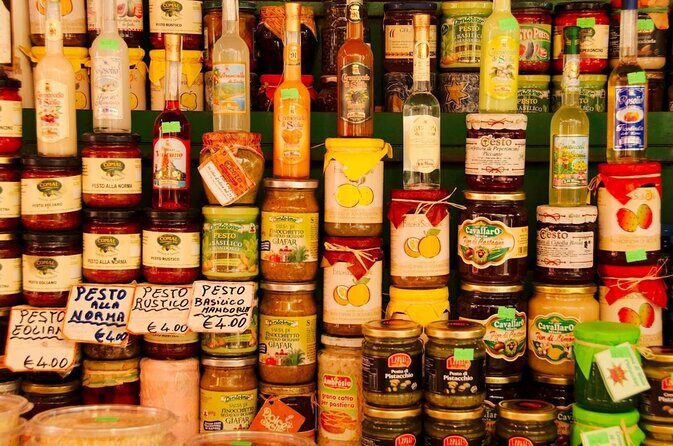
- Capo Market sits right in the middle of the story, not off to the side
- Mural of Legality / Beati Paoli Square turns street space into a discussion about refusal and courage
- Piazza della Memoria centers the magistrates killed by the Mafia
- Cathedral + City Hall brings religion and civic life into the conversation, including the season of Palermo Spring
Why this Palermo anti-Mafia walk feels different than sightseeing
If you think you know Palermo already, this tour has a way of flipping the script. Instead of treating the Mafia as distant crime history, you see it as something that touched ordinary choices—who gets paid, who speaks up, and who decides to say no. The theme is civil antimafia: people and institutions pushing back, not just reacting after harm is done.
I like that the pace supports reflection. Each stop works like a cue for a larger conversation about the Mafia phenomenon and the public refusal to normalize it. That’s also why the route is built around symbolic places, not just famous landmarks.
Here’s the main value for your trip: it helps you understand Palermo as a living city, not a set of movie locations. And you’ll carry away context for questions you’ll notice later—why certain messages are painted where they are, why memorials matter, and why free speech keeps showing up in the story.
You can also read our reviews of more walking tours in Sicily

Teatro Massimo: the Godfather connection, then the real conversation
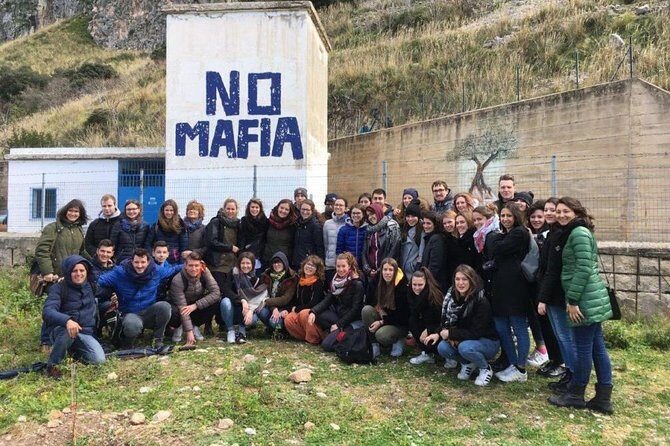
The tour starts with Teatro Massimo. For many people, it’s tied to the imagery of The Godfather, so it grabs your attention immediately. The guide then uses that familiar hook to point you toward a different angle on Palermo—one focused on how power and culture overlap in the city.
This stop matters because a theater is public space. It represents collective life: people gather, ideas circulate, and the city shows its face. When you pair that idea with an anti-Mafia framing, you start thinking about how civic pride and civic pressure can work together—or be threatened.
Practical note: since this is a walking tour built for reflection, you may want to arrive with a little patience. Expect a mix of story, group listening, and moving on at a pace that keeps the conversation coherent.
Capo Market to the Mural of Legality: street-level resistance
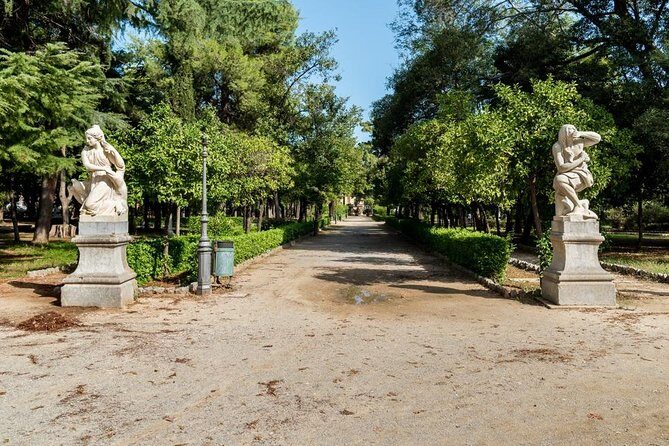
From Teatro Massimo, you keep going on foot toward the Mural of Legality and Beati Paoli Square. Along the way, you pass by Capo Market, which helps anchor the walk in everyday Palermo. That matters because anti-Mafia activism isn’t just about major institutions—it’s also about how a neighborhood lives, buys, works, and speaks.
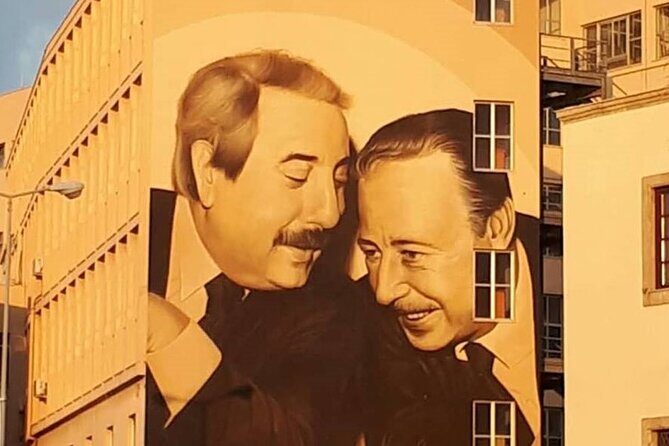
The Mural of Legality is the kind of stop where you’ll slow down, because the message isn’t hidden. It invites interpretation right on the wall, and that’s the point. The guide uses it as a springboard for how legality, intimidation, and refusal can collide in real life.
Beati Paoli Square adds another layer: it’s a public pause within the movement. You’re not just taking photos; you’re learning how Palermo’s civil antimafia voice is expressed in the city’s visual language.
The one downside here is simple: you’re still walking. There can be places to sit and listen as the tour continues, but you should plan on moving between stops.
Piazza della Memoria and the Cathedral: when justice meets faith
Next up is Piazza della Memoria, with a memorial dedicated to magistrates killed by the Mafia. This stop shifts the tone into something heavier. It’s a reminder that the fight wasn’t abstract—real people paid the cost, and Palermo’s public memory keeps that fact visible.
For me, memorial sites are where a tour either becomes respectful or turns into a quick photo stop. This route aims for the former. You get the sense that the story is meant to land, not just pass by.
Then you reach the cathedral, where the discussion turns to the relations between the Mafia and the Catholic Church. That’s an important choice for this tour, because it broadens the conversation beyond law enforcement and criminal organizations. You start seeing how influence can travel through institutions, and why the Mafia’s reach isn’t limited to one kind of power.
If you care about the role of community values in social change, this is one of the most meaningful sections of the itinerary. It also helps you connect the dots between refusal, public speech, and the kind of moral authority people look for when they want change.
City Hall and the Palermo Spring: civic courage in the open
The final stop is City Hall. According to the tour framing, this is also where the season of Palermo Spring took shape. Even if you’ve never heard that phrase before, it sets the stage for the last big theme: civil mobilization.
I like how this ending doesn’t treat the anti-Mafia struggle as only conflict. It also reads like civic energy—people organizing, demanding accountability, and insisting that daily life shouldn’t be shaped by extortion. You finish with a sense of agency, not just victimhood.
And since this ends back at the meeting point, you don’t have to plan a new endpoint. That’s a small detail that makes the whole experience easier to fit into a travel day.
You can also read our reviews of more tours and experiences in Sicily



The guide matters: clear English, strong storytelling, real questions
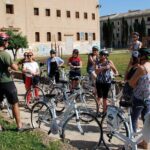
This is a small-group walk with a maximum of 18 people. That size helps the guide keep the story flowing without losing you to the front/back distance that happens on bigger tours. It also makes Q&A feel natural rather than rushed.
The English quality is a big part of why people rate it so highly. In the guide lineup you’ll hear names like Salvatore and Frederico, and Sylvia shows up as well. People highlight that the guides are local, passionate about the subject, and easy to understand—even when the topic gets complex.
You should be ready for more than a timeline. The tour’s structure nudges you to connect the locations to the larger phenomenon of Mafia influence and the civil reaction against it. That means your brain stays engaged, not on autopilot.
Price and value: $54.19 with a donation built in
At $54.19 per person for about 3 hours, this isn’t a budget-only walk. But you’re not just paying for a route and a microphone. The fee includes a donation to Addiopizzo, described as a grassroots movement building a community of businesses and consumers who refuse to pay extortion money to the Mafia.
That changes the value equation. You’re learning about a local refusal network and supporting it directly through your booking. If you like tours that turn your money into something tangible, this one fits that mindset.
In practical terms, it’s also good value for what you get at each stop: symbolic places, guided context, and a clear anti-Mafia theme that connects all the dots. If you’re the type who hates one-off photos with no meaning, you’ll likely feel the difference here.
What to expect on the ground: timing, walking comfort, and pacing
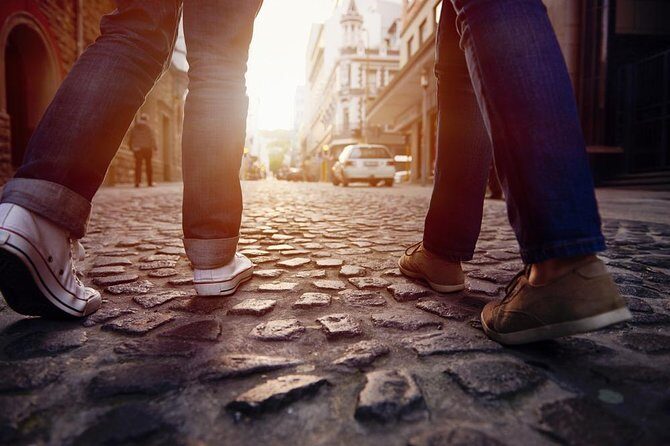
Plan for about three hours. The walk moves through Palermo’s historic center, so you’re on foot between sites rather than hopping by transit. That’s part of the point—these are messages and memorials embedded in the urban fabric.
Be honest with your own walking tolerance. The experience includes some places to sit and listen as the tour goes on, but it still counts as a walking tour. One strong review note is that it isn’t recommended for children, likely because the topic is serious and the route takes real stamina.
Weather can also make or break it. One review said the weather was perfect, and it’s a good reminder that summer heat and crowd levels can make 3 hours feel longer. If you’re visiting in peak heat, go early and carry water.
Also keep an eye on mental pacing. The story includes violence and intimidation themes, so you’ll do best if you’re not trying to stack multiple heavy activities back-to-back the same day.
Who should book this Palermo anti-Mafia walking tour
This tour suits you if you want Palermo with a point of view. It’s especially good for people who like local storytelling, symbolic city stops, and tours where the guide can answer follow-up questions without hand-waving.
You’ll likely enjoy it if:
- You want to understand the Mafia beyond crime headlines
- You care about civic life and how communities push back
- You want a route with clear meaning rather than generic “see this, then that”
It may be a tougher fit if:
- You have very limited mobility or low tolerance for walking
- You’re traveling with young kids and want something more lighthearted
- You prefer tours that focus only on architecture and landmarks, with minimal social context
Should you book it?
Yes, if you’re coming to Palermo to learn how the city thinks and organizes in the face of intimidation. This walk gives you a structured way to see anti-Mafia activism in context, stop by stop, with a donation to Addiopizzo included in your ticket price.
Skip it if you want an easy, short, kid-friendly wander. You’re signing up for a serious theme and an active walking format.
If you book, go in with curiosity and comfortable shoes. You’ll leave with a better grasp of how Palermo’s public spaces tell the story of both harm and resistance.
FAQ
How long is the Palermo anti-Mafia walking tour?
It lasts about 3 hours.
Where does the tour start, and where does it end?
The tour starts at P.za Giuseppe Verdi 54, 90138 Palermo PA, Italy, and it ends back at the same meeting point.
Is the tour offered in English?
Yes. The experience is offered in English, and the included guide can be English, Italian, or French-speaking.
How many people are in the group?
The tour has a maximum of 18 travelers.
What stops are included on the route?
You visit Teatro Massimo, the Mural of Legality area toward Beati Paoli Square (passing by Capo Market), Piazza della Memoria, the cathedral, and City Hall.
Is a donation included in the price?
Yes. The tour includes a donation to Addiopizzo, a grassroots movement that builds a community of businesses and consumers who refuse to pay extortion money to the Mafia.
Is there a lot of walking?
It is a walking tour through Palermo’s historic center. The experience can include places to sit and listen, but it still involves significant walking, so it may not be ideal for children.
Can I cancel for a full refund?
Free cancellation is available, and you must cancel up to 24 hours in advance for a full refund. Canceling less than 24 hours before the start time does not qualify for a refund.