REVIEW · CATANIA
Mount Etna: Tour to the Summit Craters by Cable Car
Book on GetYourGuide →Operated by Luca Cosma · Bookable on GetYourGuide
Etna turns your shoes into spaceship equipment. This tour takes you from the Etna South cable car zone up into lava-and-ash terrain and on toward the summit craters with a certified volcanological guide. I especially like how the route teaches you what you’re seeing, not just where you’re going, and how the views can open up to northern and eastern Sicily on clear days.
One main thing to think about: access and the exact route can change due to volcanic risks or weather, and the walk happens at high altitude where your stamina matters.
In This Review
- Key things to know before you go
- From Bar Terrazza dell’Etna up to the “moon start”
- The climb toward the Central Crater edge (3400 m) and 360° views
- Lateral craters and a lava flow channel: seeing how Etna worked
- Valle del Bove: the volcanic amphitheater effect
- The 2002 eruption craters and the lava tunnel walk
- Transport flow and timing: cable car, coach/vehicle, then back down
- Price and value: what $62.63 likely covers, and what might cost extra
- Language and guide care: when things adapt fast
- What to pack (and what to skip) so the day stays enjoyable
- Fitness and health limits: who should think twice
- When winter or conditions change, be ready for pace shifts
- Should you book this Mount Etna summit craters tour?
- FAQ
- How long is the Mount Etna tour to the summit craters by cable car?
- Where do I meet, and do I return to the same place?
- Is the cable car included in the price?
- What’s included in the tour?
- What should I bring, and what is not allowed?
- What if weather or volcanic activity changes the route?
Key things to know before you go
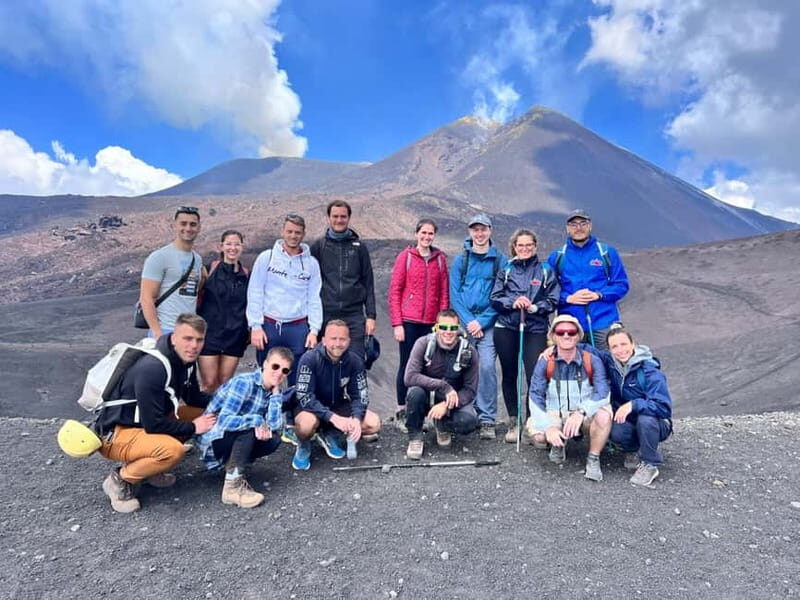
- Rifugio Sapienza start: you meet near the Etna South cable car station (Bar Terrazza dell’Etna area), then you climb fast.
- Cable car to 2500 m, then higher: after the cable car you transfer by vehicle to around 2920 m before the hiking begins.
- Edge of the Central Crater at 3400 m: the trek is built around reaching that high point for big 360° views.
- Lava flow channel + lateral craters: you’re not only looking up at craters; you walk through the volcano’s leftovers.
- Valle del Bove: you get the volcanic amphitheater feeling during the Valle del Bove segment.
- Gear helps, but extra transit may cost more: windbreaker jacket, helmet, and trekking boots are included, but cable car/4×4 costs may be separate depending on the option.
From Bar Terrazza dell’Etna up to the “moon start”
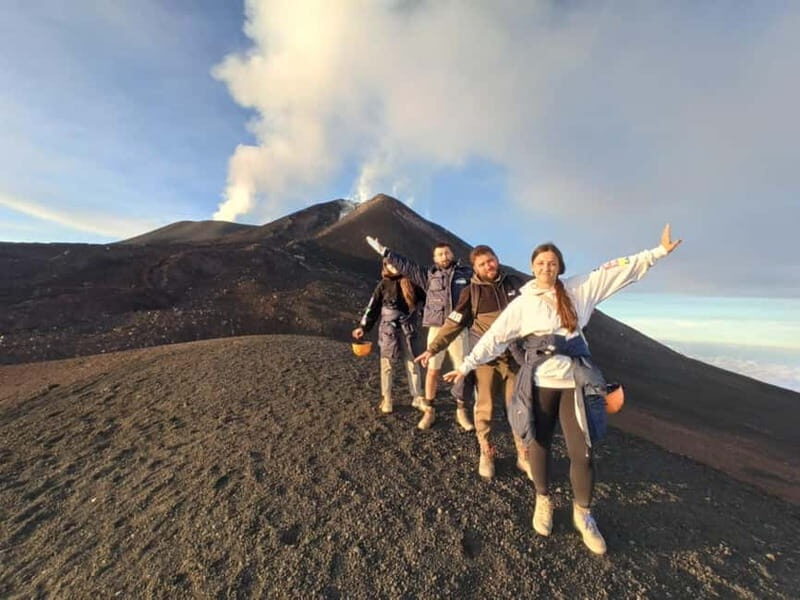
Most Etna days feel like a long warm-up. This one starts in the Rifugio Sapienza area, meeting at the offices by Bar Terrazza dell’Etna, right in front of the Etna South cable car station. If you’re driving, there’s a free parking place mentioned as your activity start point, which is useful when you want less stress before a steep hike.
The big value here is that you don’t burn energy on a slow approach. You take the cable car up first (about 15 minutes), then you transfer onward to get even higher (the itinerary includes another vehicle segment) so the trek begins around 2920 meters. That matters because Etna’s summit hiking is where your breathing, legs, and balance really get tested. Starting higher also means you’re spending your time where the geology and views are.
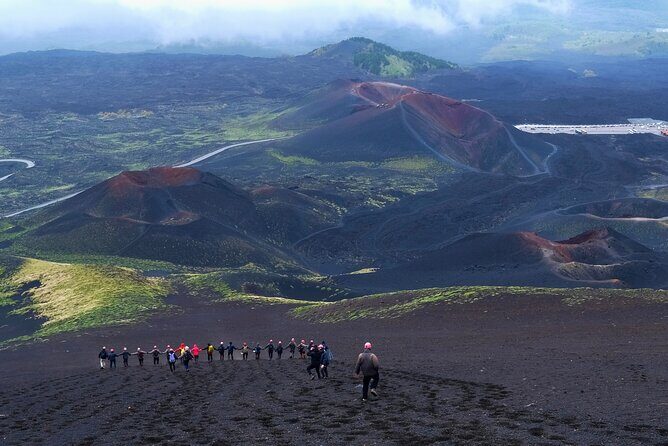
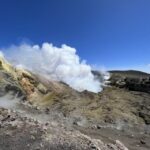
And yes, your day will feel like you’re stepping into a different planet. The combination of ash, dark rock, and bare slopes gives you that lunar look almost immediately. The tour format keeps you moving with a guide so you’re not just walking through scenery—you’re learning how to read it.
You can also read our reviews of more tours and experiences in Catania.
The climb toward the Central Crater edge (3400 m) and 360° views
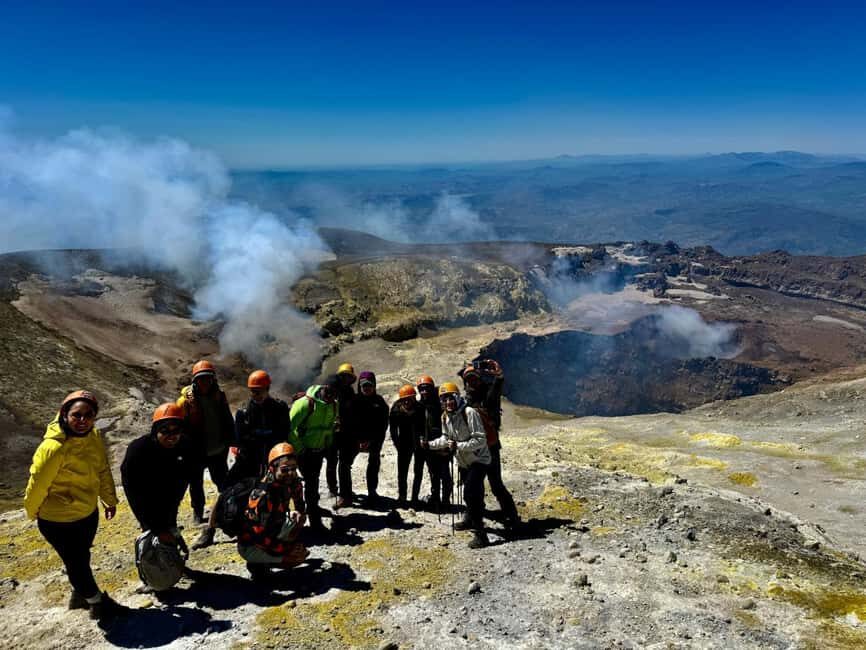
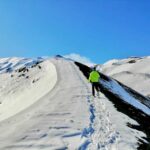
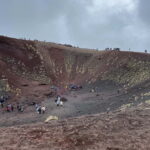
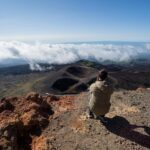
The trek portion is built around getting up to the edge of the Central Crater at 3400 meters. That’s the moment where Etna stops being a mountain in the distance and becomes a whole world around you.
The guide leads you on a route that includes the summit crater area, with time for the views. On weather-friendly days, the tour notes that you may see the Aeolian Islands and broad parts of northern and eastern Sicily. Even if visibility isn’t perfect, you still get that “top of the system” feeling—Etna’s outer valleys and volcanic forms can show a surprising amount of structure when the wind isn’t blasting your face.
One practical tip: at this altitude, you’ll want to pace yourself from the first meters. The tour is designed for a solid hiking day (and it’s very altitude dependent), but groups can vary. In one recent experience, the guide Maximo adapted to the group and handled pace changes well, which is exactly what you want on a hike where conditions can shift fast.
Lateral craters and a lava flow channel: seeing how Etna worked
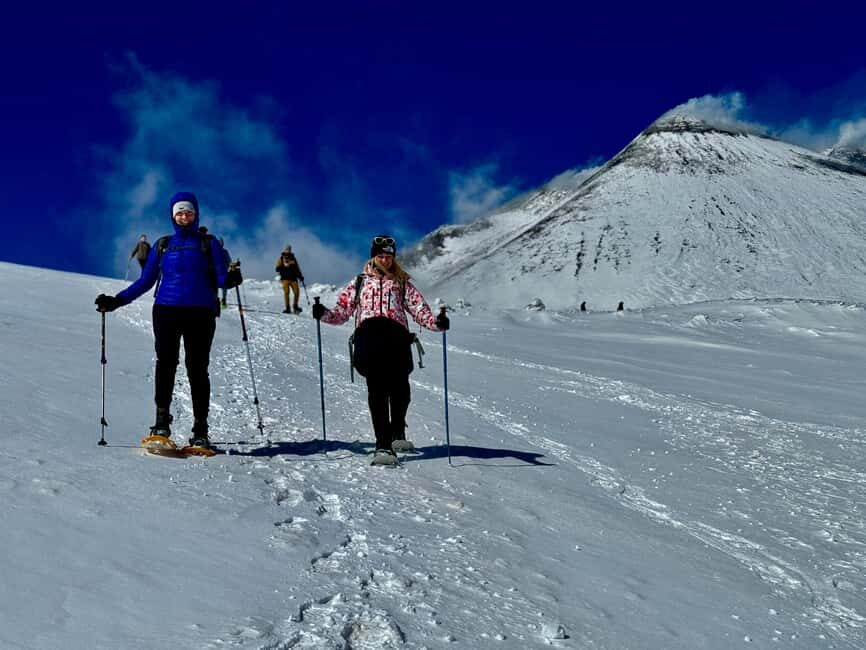
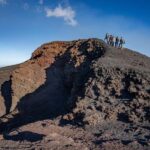
After you reach the high-point portion of the day, you’re not done. The tour includes time to explore the lateral craters and a lava flow channel—two parts of the itinerary that turn your photos from pretty to meaningful.
Here’s what makes this valuable for you: lava channels and side craters show process. You can look at the ground and understand the idea of how eruptions shaped routes of least resistance. Instead of seeing only big landmarks from above, you’re walking through the physical clues that tell the story of recent activity.
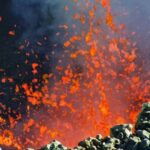
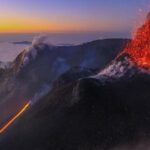
Recent eruptions are part of the appeal too. The tour highlights that you can observe recent lava flows and landscapes transformed by recent eruptions. That’s the “why this is special today” angle with Etna: the volcano is active, so the walking changes as the mountain changes.
Also, your guide’s job isn’t just to point. A volcanological guide helps you connect what you’re seeing—texture, rock color, flow paths—to what’s happening in the present and what likely happened in the recent past. It’s not a museum talk. It’s geology you can feel underfoot.
Valle del Bove: the volcanic amphitheater effect
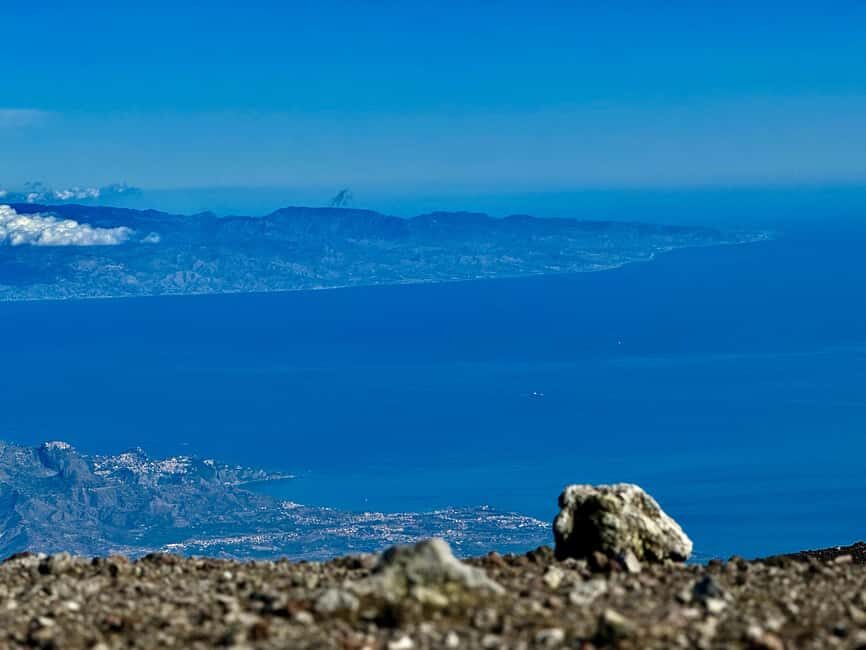
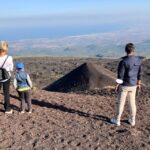
Then comes one of Etna’s most famous “wow” areas: Valle del Bove. The itinerary specifically calls out the immense scenery and a volcanic amphitheater feel, and that matches what you’ll likely experience on the day—wide, open, and ringed by volcanic walls.
For me, the main reason Valle del Bove works in a tour like this is pacing. After the higher, more intense summit walk, you get a change of scenery that doesn’t require you to climb higher. You can breathe a little, keep your footing, and let your eyes do the work of soaking up the scale.
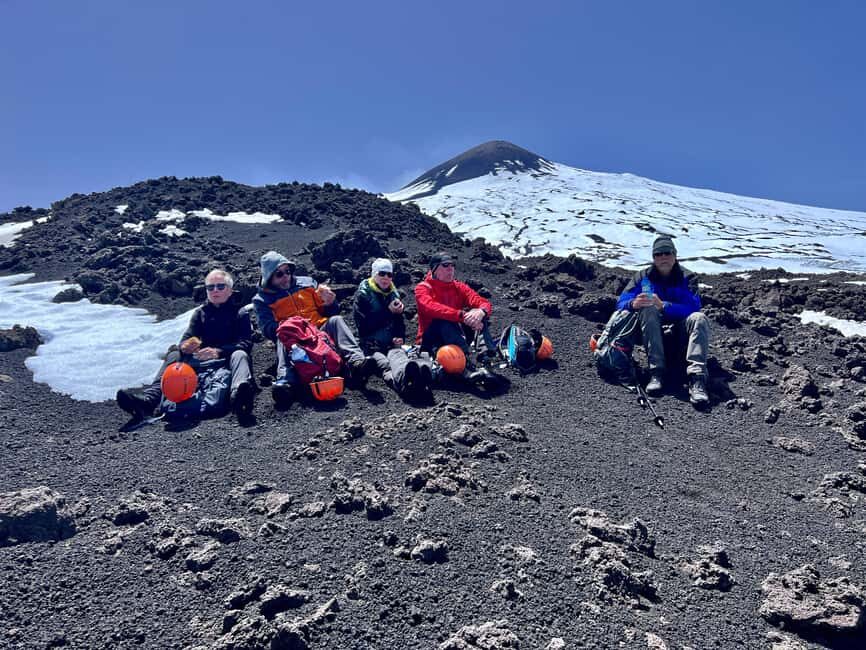
Wind is usually part of this zone, so the tour’s included gear makes sense. You get a windbreaker jacket and a helmet, which helps because summit conditions can be colder or gustier than the lower base. Even when the day is sunny, the higher you go, the more the mountain can change the weather in a hurry.
And if the sky clears enough, this is where your 360° view time often becomes more than a moment—it becomes a slow, quiet kind of watching.
The 2002 eruption craters and the lava tunnel walk
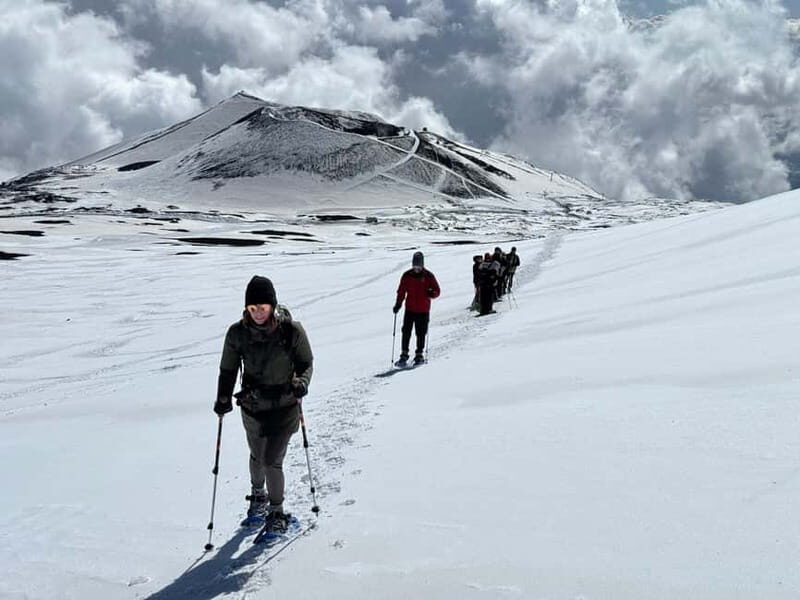
The tour doesn’t stop at the summit and then go home. After descending from the summit crater area, it includes a segment crossing the craters of the 2002 eruption. That adds a “time layer” to the story of Etna: you’re not only seeing the most recent activity, you’re moving through evidence of major eruption history.
The itinerary also includes walking inside a lava tunnel. If you’ve never done this, it’s one of those experiences that shifts your perspective. Instead of looking outward, you’re moving through a volcanic feature that’s shaped like a passage—dark, earthy, and very different from the open crater views.
This is also where you’ll appreciate having boots and a helmet on. The tour includes trekking boots and insurance, which is a practical combo for a walk where footing and head protection matter. You’re still hiking, just in a different kind of environment.
And yes, the day keeps the theme of fire and sky. You’ve got open crater edges above, then you move into a structure made by flows below. It’s a whole range of “Etna moments” in one outing.
Transport flow and timing: cable car, coach/vehicle, then back down
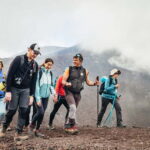
Your total duration is about 5.5 hours, with the itinerary laid out in segments: cable car time (around 15 minutes), vehicle/coach time (around 20 minutes), a guided guided portion (around 1 hour listed), then more vehicle time and the return cable car (around 15 minutes).
What that means for you in real life: you’re not doing a half-day of wandering. You’re doing a planned loop where transit is built in and the guide time is concentrated around the most interesting volcanic zones.
Also notice the tour’s built-in flexibility. The itinerary can change due to volcanic risk or weather. Sometimes that can mean you don’t reach exactly the same summit route, or the mix of vehicle segments changes. On the plus side, this is standard for Etna. The volcano doesn’t follow schedules; the operators have to respond.
Price and value: what $62.63 likely covers, and what might cost extra
The listed price is $62.63 per person, but the fine print matters because cable car and 4×4 can be extra depending on the route and side used.
Here’s how to think about the value:
- Included: a certified Alpine/volcanological guide, windbreaker jacket, helmet, trekking boots, and insurance. That’s not just a lecture; it’s gear that makes a difference when you’re higher and exposed.
- Likely extra costs: the tour notes €65 per person for the cable car and 4×4 if the tour goes up from the south side. It also notes that if the itinerary changes, the cable car alone is €52 per person.
So the best value choice for you depends on which option your booking includes. If your package already covers the transit elements, you’re paying mostly for the guide-led geology and the structured hike. If not, the total cost can be meaningfully higher—but you’re still getting the core hiking experience with gear and a professional guide.
My practical advice: before you commit, confirm whether your $62.63 includes the cable car/4×4 add-on for your specific departure. Etna tours often have route-dependent logistics, and that’s exactly where you don’t want surprises.
Language and guide care: when things adapt fast
The tour offers a live guide in English, Italian, and French. It also mentions English, Italian, French as the listed languages.
One useful lesson from real-world experience: if your group’s language needs don’t match what’s available at that moment, the organizers may pivot. In one French-language booking experience, the summit visit couldn’t happen due to Etna activity, and the group was reoriented to a partner arrangement so they still got a French visit. The guide Maximo also adapted to the group’s needs during the hike, which is what you want when conditions change.
Takeaway for you: when choosing language, don’t treat it as a perfect guarantee without checking close to departure. Etna can shift what’s possible on the day.
What to pack (and what to skip) so the day stays enjoyable
This is an active, high-altitude hike. The tour is very clear about what to bring and what not to bring.
Bring:
- Food and drinks
- A jacket (even with the provided windbreaker, bring what keeps you comfortable)
- Trekking gear
- First aid kit
Not allowed:
- Alcohol and drugs
And wear:
- The tour includes trekking boots, but if you have your own supportive boots, you might prefer them. At this altitude, the fit matters.
- You’ll also have helmet and windbreaker, which is a solid setup for colder or windier summit conditions.
Also: if you’re the type who needs a careful routine, start hydrating early. High altitude can make everything feel harder, even if you’re fit.
Fitness and health limits: who should think twice
The tour is not for everyone. The day involves high altitude and physical effort, and the operator is explicit about that.
Not suitable for:
- People with respiratory issues
- People with heart problems
- Pregnant women
The tour also stresses that having good physical condition is important because high altitude can compromise your performance.
This doesn’t mean you need to be an athlete. It does mean you should be honest about how you handle exertion after steep climbs. If you know you get winded easily, or you have medical limits with altitude, choose a different Etna experience or talk to your doctor first.
And if you’re coming off a long travel day: build in rest the day before. Your best hiking day is rarely the one you schedule with zero buffer.
When winter or conditions change, be ready for pace shifts
Etna is unpredictable, and season matters. One real-world example described a booking made under assumptions that didn’t match what was possible because 4×4 access couldn’t drive in winter. The group ended up on a different tour with a higher walking pace, and a participant had to stop after only a few hundred meters.
You can’t control the mountain, but you can control your readiness:
- If you’re planning around a specific pace, be flexible. Different routing can change how intense the hike feels.
- If you’re not a strong hiker, select a time and group where you can comfortably handle uphill effort for several hours.
- If a pace feels too fast, tell the guide early rather than pushing through. The tour format includes guide leadership for a reason.
Should you book this Mount Etna summit craters tour?
If your dream is to walk on an active volcano and understand the ground beneath you, this is a strong choice. You’re getting a volcanological guide, a high-altitude hike toward the Central Crater edge, plus the extra geology stops like lateral craters, lava channels, Valle del Bove, 2002 eruption craters, and a lava tunnel.
I’d book it if:
- You want a structured walk that explains what you’re seeing.
- You’re comfortable hiking at high altitude and you can handle uneven, volcanic terrain.
- You want the day to include both open crater views and enclosed volcanic features.
I’d skip or switch to a gentler option if:
- You have breathing or heart concerns, or you’re pregnant.
- You’re not confident with high altitude exertion.
- You’re hoping for a guaranteed summit-crater route regardless of conditions. The itinerary can change due to volcanic risk and weather.
Bottom line: Etna is the kind of place where “worth it” often comes down to one thing—how well you’re prepared for the altitude and how flexible you can be if the volcano changes the plan. If that sounds like your style, this tour fits perfectly.
FAQ
How long is the Mount Etna tour to the summit craters by cable car?
The duration is listed as 5.5 hours. Starting times depend on availability.
Where do I meet, and do I return to the same place?
You meet in the Rifugio Sapienza area near the offices at Bar Terrazza dell’Etna, in front of the Etna South cable car station. The activity ends back at the meeting point (the same area).
Is the cable car included in the price?
The listing you provided shows the tour price, but it also states that the cable car and 4×4 can be extra: €65 per person if the tour goes up from the south side, and €52 per person for the cable car alone if the itinerary changes.
What’s included in the tour?
Included items are a certified Alpine/Volcanological guide, a windbreaker jacket, a helmet, trekking boots, insurance, and transfer when applicable with an extra cost.
What should I bring, and what is not allowed?
Bring food and drinks, a jacket, trekking gear, and a first aid kit. Alcohol and drugs are not allowed.
What if weather or volcanic activity changes the route?
The tour notes that the itinerary may change due to volcanic risks or weather conditions. The tour also states that the cable car price can differ if the itinerary changes (cable car alone vs. cable car plus 4×4).