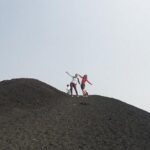
Etna has a way of grabbing you fast. This Mount Etna tour from Taormina takes you up to Rifugio Sapienza at about 1,900m, then builds in walking time across lava country, caves, and woodland sections. I love how the plan is simple and practical: transport + a guide do the hard parts, while you focus on the crater-side views and the big Sicilian sky.
Two other things I really like: the guiding is built for real understanding, with English used at the top and bilingual support on most of the day (I’ve seen guides like Fabio and Luca run the show smoothly, with drivers such as Mario handling the road legs). One thing to consider: you’ll be at altitude where it can feel sharply cold and windy, so you’ll want layers and solid footwear, or the day can feel harder than it needs to.
In This Review
- Key things to know before you go
- Taormina to Rifugio Sapienza: the day’s altitude gets rolling early
- Walking the Etna route: caves, woods, and lava-flow scenery
- The summit area feeling: why the top is more than just a view
- Optional climb to 2,900m: when you want extra height
- How the day stays organized: moving between zones efficiently
- Guides and language: what you’ll hear at each step
- Packing for Etna: cold wind is the real boss
- Price and value: what $54-ish gets you in real terms
- Who this Mount Etna tour fits best (and who should reconsider)
- Should you book this Mount Etna tour from Taormina?
- FAQ
- What time does the Mount Etna tour from Taormina start?
- How long is the tour?
- Where do we go first during the tour?
- What is included in the price?
- What should I bring for the tour?
- Is there an option to go higher than the main route?
- What languages will the guide speak?
- What group size should I expect?
- Can I cancel if plans change or if the weather is poor?
Key things to know before you go
- Start at Rifugio Sapienza (about 1,900m): you’re already up high before the walking begins.
- A planned mix of paths: expect nature trails that pass through woods, caves, and lava terrain.
- Optional push to 2,900m: choose it at booking if you want higher views.
- Small group feel: capped at 30 travelers, so it stays manageable.
- Language setup for the summit area: the alpine guide speaks English at the top, with other sections supported by bilingual guiding.
Taormina to Rifugio Sapienza: the day’s altitude gets rolling early
Most Etna trips start with a pickup and then a drive that feels like it climbs before you even notice. You’ll head up from Taormina to the south side of the volcano, reaching about 1,900m at Rifugio Sapienza. This is a smart start point. You don’t spend the whole morning just riding around; you arrive ready to walk, explore, and take in the terrain changes as the elevation rises.
Once you’re at Sapienza, you hop off and step into the walking portion of the day. That matters because Etna isn’t something you can fully appreciate from a single viewpoint. The fun is seeing how the surface changes with altitude—rocks, lava textures, and different types of vegetation give you a clearer sense of what an active volcano does to the land.
In terms of pacing, plan for a total trip time that can run roughly 4 to 8 hours depending on the route and how far you choose to go. The tour starts at 8:00am, which is another quiet advantage. Earlier light usually means better visibility, and your body often handles the altitude shift a bit better when you’re starting fresh.
You’ll want to come in prepared for outdoor time right away. The day is built around shoes-on movement, not museum stops. And because this is an active, higher-altitude outing, the tour asks for moderate physical fitness, so take that seriously when you’re deciding if it’s your kind of day.
You can also read our reviews of more tours and experiences in Sicily.

Walking the Etna route: caves, woods, and lava-flow scenery
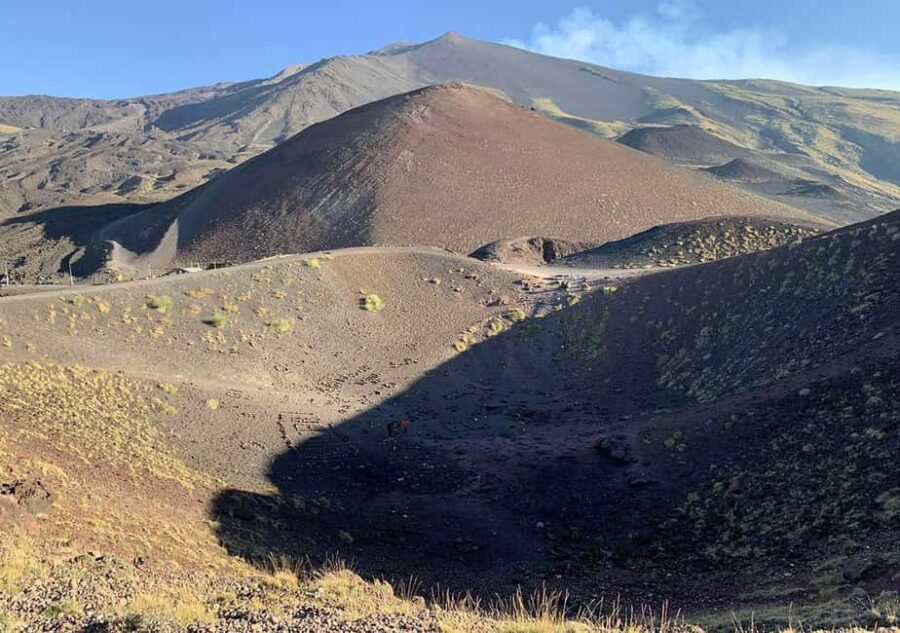
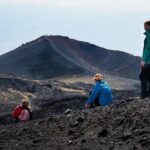
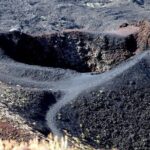
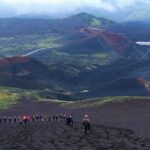
From the higher drop-off area, the route is designed to take you across the types of terrain that make Etna so distinctive. Expect nature trails that move through woods and cave areas, then shift toward the more volcanic surface patterns—lava flows and rougher ground textures.
Here’s the practical part: don’t expect flat, easy strolling the whole way. Even when the trail feels like it’s going along nicely, volcanic ground can vary underfoot. You might have loose rock patches, uneven sections, and stretches where the path narrows. That’s why the tour specifically nudges you toward suitable footwear. If your shoes are more for city sidewalks than for mountain paths, you’ll notice.
Also, think of the walking as the real “why” of the day. The guide’s job is to point out what you’re seeing and help you connect the dots—how lava shapes landforms, why caves exist in the volcanic story, and what the vegetation shift tells you about changing conditions at height. When you get that context, the view stops being just pretty. It becomes informative.
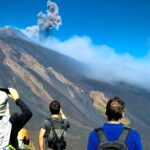
And yes, the experience can feel very alive. You may spot smoke or steam venting from the summit craters when conditions allow. Even when it’s not dramatic in the moment, you’ll still get a strong sense that Etna isn’t a dead volcano. The whole day carries that energy—rock, wind, and the sense that the summit is doing its thing.
If you’re coming from Taormina’s coast, this is a big change of mood: cleaner air, harsher wind, and a more rugged sense of terrain. That shift is exactly why this tour is worth considering.
The summit area feeling: why the top is more than just a view
The day is structured so you get beyond a single photo stop. The route leads toward the summit zones, with additional time near higher areas once you reach the walking sections.
At the top, the experience uses an alpine guide who speaks English. That’s important because it means you aren’t left guessing what you’re looking at when you’re closest to the action. The summit zone is often where people want explanations most—what the vents are doing, what the crater area represents, and how the volcanic features connect to what you saw earlier.
Based on real day-to-day experiences shared by people who’ve done this route, one of the best moments is often watching Etna work in real time—steam rising, smoke drifting, and the craters showing subtle activity even when nothing major happens. Your exact view depends on weather and conditions, but the setup is designed to put you where those sights have the best chance of happening.
Just be aware of the environment. At higher elevation, the air can feel cold and sharp. Even if the morning starts mild, the top can hit with wind that makes you feel colder than you expect. The tour advice is clear: bring warm clothes and plan for layered dressing.
If you like experiences that combine a real walk with explanations you can use later, this is a strong format. If you only want a quick look from behind a barrier, this might feel like more walking than you expected. For most people, though, the blend of terrain + guiding makes the time go quickly.
Optional climb to 2,900m: when you want extra height
This is one of those “choose your intensity” moments. The trip to the 2,900m level is optional, and you need to select it when booking if you want to go higher. That matters because the higher you go, the more you’ll feel the altitude and wind.
Is it worth it? For many people, the reason to go higher is simple: more dramatic crater-side perspectives and a stronger sense of the volcanic scale. If you’re fit enough and you dress properly for cold conditions, the extra altitude can be the highlight of the day.
If you’re on the cautious side with altitude, though, you can still enjoy the route without picking the higher option. You’ll still be in the Etna story at meaningful elevation and still get the core walking experience that includes cave, woods, and lava terrain sections.
My practical suggestion: choose the optional 2,900m segment only if you’re confident about uneven outdoor walking and you’ll keep warm even when it’s windy. If you tend to feel cold easily at height, you might find the base option more comfortable.
How the day stays organized: moving between zones efficiently
An Etna day is a logistics game, and this tour is set up to keep you from wasting time. You start with transport from your hotel area to Sapienza, then your route connects you through the different access points that lead toward walking zones closer to the summit.
On the ground, expect a sequence of transport segments before you reach the actual walking areas. People doing this tour have described smooth timing involving cable car and 4×4 legs that help you get from one elevation band to another. The goal is to avoid turning the day into a long slog of walking just to gain height.
That organization is a big value point, especially given the schedule beginning at 8:00am. You’re dealing with weather and daylight hours, so it helps when the plan is designed to keep everything moving on time.
Also, group size is capped at 30, which typically keeps the day from feeling chaotic. You won’t have a massive herd, and that makes it easier to pause, listen, and ask questions when the guide is speaking.
One more note: the tour includes transport and a guide, and an admission ticket is included for the day’s key access. That means you’re not scrambling mid-trip to figure out what costs what. You can focus on the experience instead of the fine print.


Guides and language: what you’ll hear at each step
The guiding approach is one of the stronger reasons to pick this specific style of Etna outing. The information you get changes how you experience the volcano. Without context, Etna can feel like a dramatic mountain. With context, it becomes a living geology lesson.
At the summit, the alpine guide speaks English. Most of the rest of the tour uses a bilingual setup. In practice, you may hear English with another language used for the same explanations, and the switching can happen smoothly through the day.
From past outings on this route, I’ve seen guides like Fabio deliver the day with humor while keeping information moving, and drivers like Mario keep the transport legs running smoothly. I’ve also heard about Luca running a very organized, on-time experience. Those names matter because they’re a clue about the consistency you’re paying for: someone is steering the day, not just providing directions.
If you’re relying on English for explanation, the summit language note is the key part to look for. Even if your day gets foggy or the visibility drops, a good guide helps you interpret what’s around you—so the tour doesn’t become “just standing and waiting.”
Packing for Etna: cold wind is the real boss
Packing can make or break this kind of trip. The guidance is straightforward: bring warm clothes, a hat, and wear suitable footwear. Layers are the smart move because conditions shift with altitude.
Here’s what I’d do with real-world practicality:
- Wear a warm base layer under a fleece or wind-resistant jacket.
- Choose walking shoes you trust on uneven ground.
- Bring a hat for wind chill and sun when visibility clears.
- Keep an eye on weather shifts, since the experience depends on good conditions.
Wind is often the reason people feel colder than they expect, especially at higher elevations. Even if you start the day comfortably in Taormina, the top can feel brisk. If you dress for coast weather, you’ll feel it.
Also, don’t overpack heavy items. You’ll be walking, and you don’t want to haul unnecessary bulk. Think warm, light layers that you can adjust.
Finally, remember the tour includes walking time and some cave/wood sections. If your shoes are too soft, too slippery, or worn-out, that’s when the ground becomes a problem instead of a feature.
Price and value: what $54-ish gets you in real terms
At around $54.07 per person, this tour can be a good value when you look at what’s bundled. You’re getting transport from Taormina area up toward Etna, a guide, and an admission ticket tied to the day’s access.
That’s the key: you’re not paying mainly for a view. You’re paying for the combination of logistics (getting you up the mountain efficiently) plus interpretation (someone explaining what you’re seeing as you walk across volcanic terrain).
Duration also matters. The trip is listed at 4 to 8 hours, which usually means you get a real slice of Etna time rather than a quick half-hour photo sweep. The optional 2,900m part also gives you control over intensity, letting you spend more energy only if you want to.
Is it the cheapest option in Sicily? Maybe, but this kind of price is often about what’s included and how much work the operation takes off your plate. If you’ve ever tried to DIY Etna access, you know how quickly logistics turn into stress. Here, transport and guiding are built in, and the group size stays reasonable.
I’d say this is best value if you want a guided day that mixes walking, crater-side atmosphere, and clear language support—without having to plan the moving parts yourself.
Who this Mount Etna tour fits best (and who should reconsider)
This is a strong fit if you like active sightseeing with explanations, and if you’re comfortable with moderate walking on uneven terrain. The tour asks for moderate physical fitness, and it explicitly says it’s not suitable for expectant mothers or people with back problems.
It’s also a good fit if you want a day that feels like a true mountain outing rather than a bus-only trip. You’ll spend time outdoors near different elevation zones, and you’ll be on your feet enough to feel like you did something.
If you’re traveling with a small group mindset and you like hearing the story behind what you see, the guide-led format is ideal. And if you care about language clarity at the summit, the English-only alpine guide at the top is reassuring.
If you’re very sensitive to cold or wind, don’t assume you’ll have mild mountain weather. Dress for chill even if Taormina seems warm.
Should you book this Mount Etna tour from Taormina?
Book it if you want a real Etna day: transport up from Taormina, a guided walk through caves, woods, and lava terrain, and a chance to reach high-altitude views—with an optional push to 2,900m if you’re up for it.
Skip it if you’re not comfortable with outdoor walking at elevation or if your mobility or back health makes uneven terrain a problem. And take the weather requirement seriously. If conditions aren’t good, the experience can be canceled and you’ll need another date.
If you’re the type who likes to understand what you’re seeing while still getting dramatic views, this one is worth your time.
FAQ
What time does the Mount Etna tour from Taormina start?
The tour starts at 8:00am.
How long is the tour?
It runs for approximately 4 to 8 hours.
Where do we go first during the tour?
After pickup, you’re driven to about 1,900m above sea level at Rifugio Sapienza on the south side of Mount Etna.
What is included in the price?
Transport, a guide, and an admission ticket are included.
What should I bring for the tour?
Bring suitable footwear, warm clothes, and a hat.
Is there an option to go higher than the main route?
Yes. The trip to 2,900m is optional, and you need to select it when booking if you want to go higher.
What languages will the guide speak?
Up to the top, the alpine guide will speak English. For most of the tour, the guide speaks both languages.
What group size should I expect?
The tour has a maximum of 30 travelers.
Can I cancel if plans change or if the weather is poor?
Free cancellation is available. You can cancel up to 24 hours in advance for a full refund. If the experience is canceled due to poor weather, you’ll be offered a different date or a full refund.