REVIEW · SICILY
Master the Art of Arancino: A Hands-On Cooking Class in Ortigia
Book on Viator →Operated by Do Eat Better Experience · Bookable on Viator
Syracuse tastes better when your hands are in it. This hands-on arancini class in Ortigia lets you learn the classic method for the famous Sicilian rice balls, then snack on a small Sicilian spread right afterward. I like the fact that it’s taught in a small group (max 10), so you’re not lost in a crowd.
Two more things I appreciate: you get to cook and eat, not just watch, and the menu hits the Sicilian classics people actually talk about—arancini plus an aperitivo that includes caponata or parmigiana and cannoli. One consideration: if you care about getting a written recipe after the class, ask directly in the moment, because some people have said the follow-up recipe email didn’t arrive as expected.
In This Review
- Key Things I’d Plan Around
- Cooking Class Timing That Fits Ortigia
- Inside the Small Group: Where the Learning Actually Happens
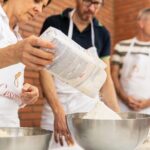
- Making Arancino/Arancini: The Hands-On Core Skill
- What to watch while you cook
- Aperitivo Menu: Caponata vs Parmigiana
- Caponata: sweet, sour, and totally Sicilian
- Parmigiana: eggplant, cheese, tomato, baked
- Don’t overthink the choice
- Cannoli: The Sweet Finish You Can Taste the Whole Room
- Drinks Included: Enough to Toast, Not a Bar Crawl
- Price and Value: Is $75.24 Worth It?
- Logistics That Don’t Waste Your Time
- Who Should Book This Arancini Class?
- Quick Call: Should You Book This Experience?
- FAQ
- How long is the arancini cooking class in Ortigia?
- What dishes will I learn and taste?
- What drinks are included?
- What does the price cover?
- Where does the class start?
- How many people are in the group?
- What happens if the weather is poor or I need to cancel?
Key Things I’d Plan Around
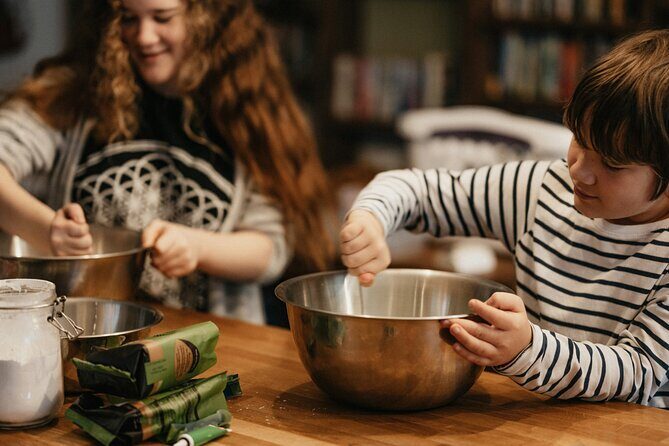
- Max 10-person class: easier questions, more attention, less waiting
- You’ll make arancini: not a demo—real hands-on cooking
- Aperitivo with classic Sicilian sides: caponata or parmigiana plus cannoli
- Drinks included in limited amounts: water and wine or beer, enough to toast the experience
- Short and focused (about 1h 30m): great fit after a day of walking Ortigia
- Local pros guide you: you learn the traditional approach from people who work in Sicilian food
Cooking Class Timing That Fits Ortigia
Ortigia is best when you pace yourself. This class starts at 4:15 pm, which is a smart time for two reasons: the heat usually eases off, and you still have evening energy for strolling afterward. The experience also ends back where it starts, so you avoid the awkward “where do we go now?” feeling that can happen with tours that pull you far from your base.
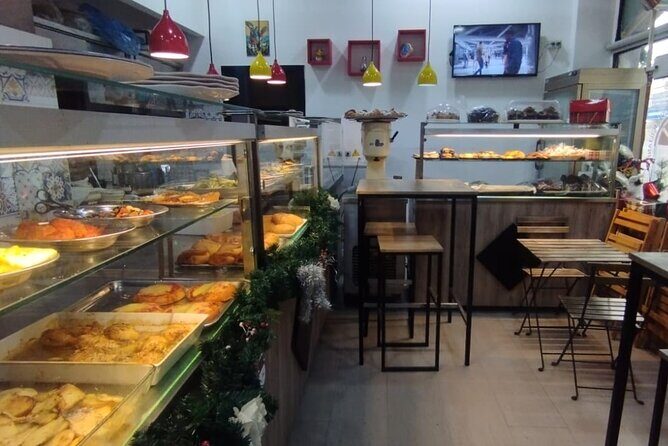
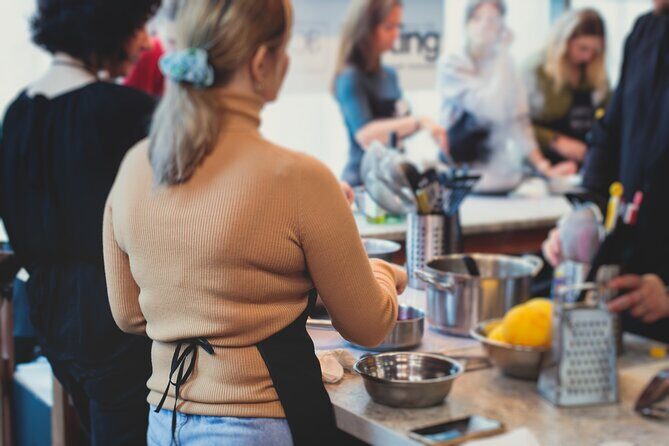
The setting is described as small and comfortable, and that matters more than it sounds. In practice, a class like this works best when you’re close enough to see what the instructor is doing and move without bumping into people carrying hot pans and trays.
You can also read our reviews of more cooking classes in Sicily
Inside the Small Group: Where the Learning Actually Happens
This is limited to up to 10 travelers, which changes the whole vibe. You can ask why the rice behaves a certain way. You can double-check how much filling to use. You can also pay attention without feeling like you’re holding up a big bus-style group.
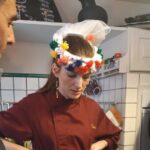
The class is run in a compact environment with a limited number of fellow “chefs” from around the world. That international mix is part of the fun. Everyone shows up with different comfort levels in the kitchen, and it makes the cooking feel approachable rather than intimidating.
A practical note: the tour uses a mobile ticket, and it’s near public transportation. So you don’t need a car. If you’re planning to reach the meeting point by walking, build in a little buffer—Ortigia streets can be charmingly confusing.
Making Arancino/Arancini: The Hands-On Core Skill
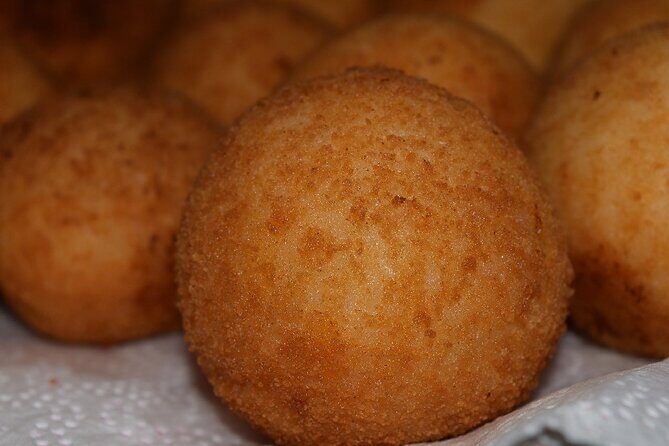
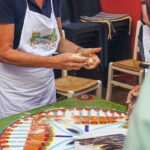
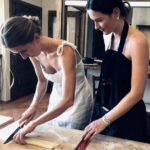
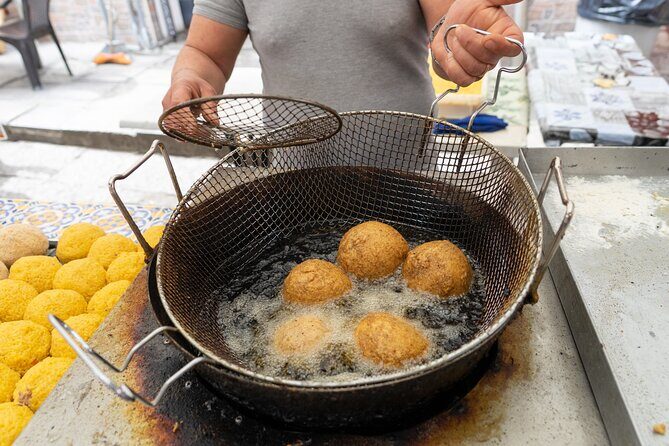
The main event is learning how to prepare the traditional arancino (also spelled arancini). It’s the iconic Sicilian rice ball: a ball of rice stuffed with savory ingredients and then deep fried in the traditional way.
Here’s what you can expect you’ll learn and taste during the session:
- You’ll prepare the arancini you’re eating
- You’ll be guided through the traditional approach, led by local professionals
The class description gives you a clear sense of what’s inside. Expect ideas like meat, cooked ham, spinach, pistachios, and aubergines—plus other variations tied to Sicilian tastes. Even if you already know what arancini are, making one changes your understanding. You learn that it’s not only about flavor. It’s also about how the rice holds together and how the stuffing sits inside so the fried exterior stays intact.
What to watch while you cook
You probably won’t be thinking in those terms while you’re in the class, but these are the things that usually make the difference:
- Rice texture and shaping: if the rice is too loose, the ball won’t seal well
- Filling balance: too much makes sealing harder; too little feels bland
- Sealing before frying: this is key for a clean bite when it cracks open
- Frying timing: you want the exterior crisp without over-darkening
You won’t have to be a chef. The point is to get the technique explained in a friendly way and then practice it under guidance.
Aperitivo Menu: Caponata vs Parmigiana
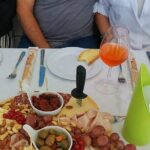
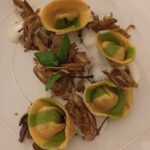
After the arancini work, the class shifts to tasting. You’ll get a little aperitivo with typical Sicilian bites. Specifically, you’ll taste caponata or parmigiana and cannoli.
You can also read our reviews of more tours and experiences in Sicily

Caponata: sweet, sour, and totally Sicilian
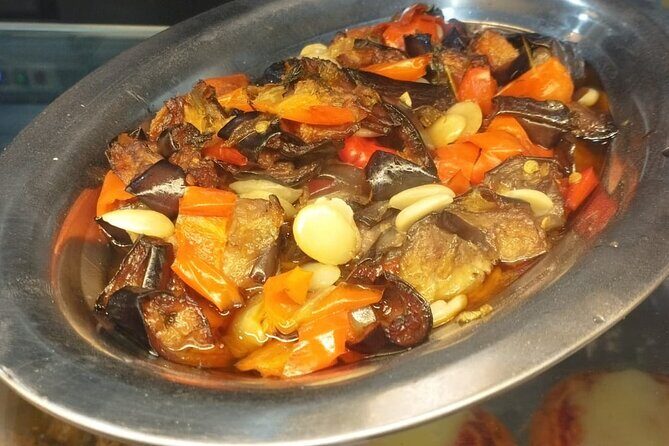
Caponata is a mixture of fried vegetables—mostly aubergines—seasoned with tomato sauce, celery, onion, olives, capers, sugar, and vinegar. It sounds like a balancing act because it is. The sweetness and tang are what make caponata feel addictive instead of heavy.
If you like the idea of vegetables that taste like a finished dish (not a side salad), caponata is a great match. It also gives you a different “texture profile” from arancini: more saucy and chopped, less crunchy.
Parmigiana: eggplant, cheese, tomato, baked
Parmigiana is made with fried, sliced eggplant layered with Parmesan cheese and tomato sauce, then baked. It’s comfort food with a structure: layers, bake time, and that salty cheese pull you toward the next bite.
If caponata sounds too sharp for you, parmigiana is usually the crowd-pleaser. It also helps you understand how Sicilian cuisine builds flavor—fried components plus tomato and cheese, finished in the oven so everything settles into one cohesive dish.
Don’t overthink the choice
You may be offered one option in the tasting (caponata or parmigiana). Either way, you’ll get a real Sicilian flavor lesson in how different vegetables are treated—fried and sauced versus fried and layered.
Cannoli: The Sweet Finish You Can Taste the Whole Room
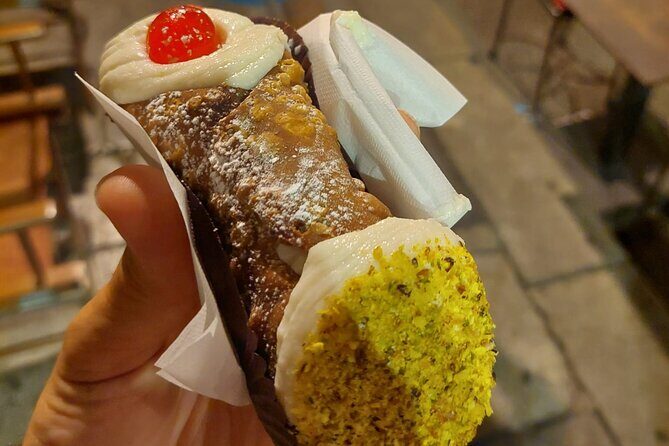
Cannoli is where Sicilian desserts get serious. You’ll taste cannoli as part of the included spread.
Here’s the core breakdown:
- The wafer is traditionally moulded around a hot metal bar
- The filling is a sweet and creamy mix made with ricotta cheese
- It may include candied fruit, crunchy pistachios, or dark chocolate chips
That metal-mould detail matters because it’s how the shell gets its classic shape and crunch. Even without you making the shells yourself here, tasting it helps you understand why cannoli has that signature contrast: a crisp shell against a creamy filling.
If you’re the kind of person who gets excited by dessert texture—crunch, cream, sweet, salty—cannoli is a strong closer to the meal.
Drinks Included: Enough to Toast, Not a Bar Crawl
The class includes water and wine or beer in limited amounts. That’s a good setup for this kind of experience. You get the social feel of an aperitivo without turning it into a long night.
For practical pacing, stick with water in between bites. You’ll enjoy the flavors more, and you’ll feel better when you head out into Ortigia afterward.
Price and Value: Is $75.24 Worth It?
At $75.24 per person, this isn’t a budget cooking class. But it’s also not just a quick snack stop. For that price, you get:
- Hands-on instruction for preparing traditional arancini
- Tasting of caponata or parmigiana and cannoli
- Water plus wine or beer in limited amounts
- A small-group environment with a maximum of 10 people
- A duration of about 1 hour 30 minutes
So you’re paying for three things that matter: live guidance from local professionals, real food production (not a watch-and-leave scenario), and a structured Sicilian meal. If you enjoy learning by doing, you’ll usually feel like the cost makes sense.
If, on the other hand, you’re mainly craving a long sit-down dinner or you don’t like kitchens and heat, you might prefer a food tasting walk instead. Cooking classes are hands-on by design.
Logistics That Don’t Waste Your Time
This experience is straightforward:
- Meeting point: UniCredit, Piazza Archimede, 10, 96100 Siracusa SR, Italy
- Start time: 4:15 pm
- End: back at the meeting point
- Near public transportation: yes
- Mobile ticket: yes
That last bit helps. In old-school tours, you end up chasing confirmations. Here, the mobile ticket keeps things simple.
Also, with only about 10 people, you’re likely to move through the session efficiently. A 1h 30m class can fit neatly between sightseeing and dinner plans.
One more tip: if you want to recreate the arancini flavor at home, plan to ask about how to get the exact balance the instructor uses. Some people have mentioned an arancini recipe follow-up not arriving later, so don’t rely on a later email if the recipe is important to you.
Who Should Book This Arancini Class?
This works especially well if you:
- want a fun, social food activity in Ortigia
- like learning by doing, not just eating
- are visiting with a partner, family, or small group
- enjoy Sicilian classics like caponata, parmigiana, and cannoli
It may be less ideal if you:
- want a purely sightseeing-focused outing
- dislike hands-on cooking or hot, frying-related activities
- need a very flexible schedule (the class time is fixed)
Overall, the tone is meant to be friendly and enjoyable. The small group size supports that, and the menu keeps it anchored in Sicilian flavor.
Quick Call: Should You Book This Experience?
Yes, I’d generally recommend booking if you want a practical, memorable Sicilian food experience in Ortigia Syracuse. The core value is simple: you learn how arancini are made and then you eat what you made alongside classic sides and cannoli. With a maximum of 10 people, you’re more likely to get real attention and clearer instruction than you would in a bigger group setting.
Just do one thing before you arrive: confirm what the guide can share afterward for recipes, and if recipe follow-up matters, ask for it in the class while everything is fresh.
FAQ
How long is the arancini cooking class in Ortigia?
The class lasts about 1 hour 30 minutes.
What dishes will I learn and taste?
You’ll prepare traditional arancini and taste caponata or parmigiana and cannoli.
What drinks are included?
Water and wine or beer are included in limited amounts.
What does the price cover?
The class and tasting includes preparation of arancini, tasting of caponata or parmigiana and cannolo, plus water and limited wine or beer.
Where does the class start?
It starts at UniCredit, Piazza Archimede, 10, 96100 Siracusa SR, Italy, and ends back at the same meeting point.
How many people are in the group?
The class has a maximum of 10 travelers.
What happens if the weather is poor or I need to cancel?
There’s free cancellation. The experience requires good weather, and if it’s canceled due to poor weather, you’ll be offered a different date or a full refund.