REVIEW · CATANIA
From Catania: Neapolis of Syracuse, Ortygia, and Noto Tour
Book on GetYourGuide →Operated by Kemedia · Bookable on GetYourGuide
Syracuse feels like a time machine. I love how the day blends Neapolis’ giant Greek Theatre with the eerie latomie, including the Ear of Dionysius—then shifts to the postcard streets of Ortigia and the baroque “Stone Garden” of Noto. You’ll get a lot of classic sights, but the tradeoff is a long day with set time blocks, plus lunch is on your own.
What makes it work is the human touch. Guides such as Nando, Lorena, Salvo, and Andrea are repeatedly praised for making the history make sense in plain language, and for keeping the group moving without feeling frantic. It’s still not for slow strolling all day—if you want maximum hanging-out time in one town, you may wish for more hours.
In This Review
- Key things to know before you go
- From Catania to Syracuse: riding out with the right pace
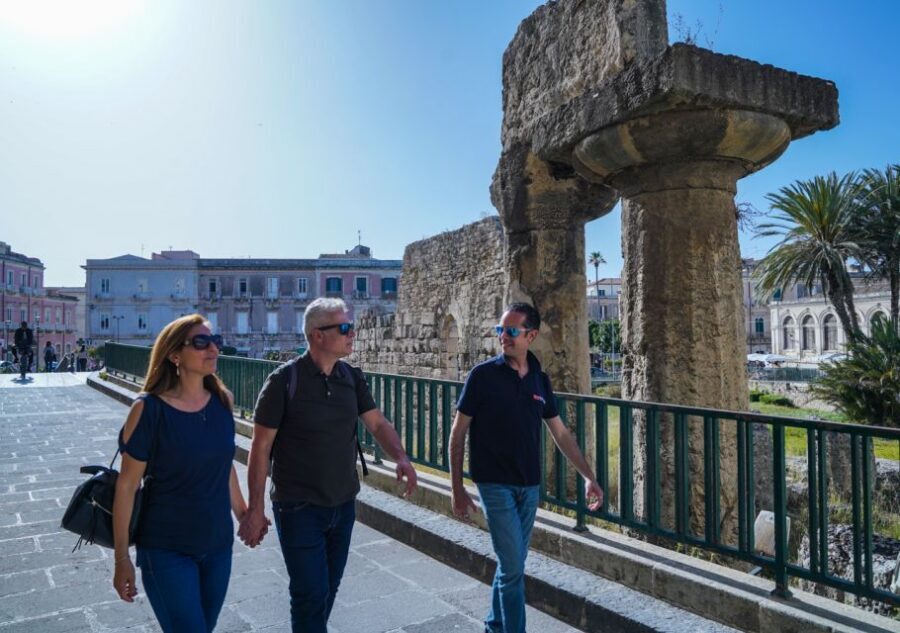
- Neapolis Archaeological Park: Greek Theatre, latomie, and Roman layers
- The Greek Theatre and that massive cavea
- Latomie and the Ear of Dionysius
- San Nicolò ai Cordari and Christian-era additions
- The Roman Amphitheatre (and why timing matters)
- Self-guided time: how to make that hour count
- Ortigia Island: Arethusa fountain and the Duomo piazza in golden light
- Greek temple atmosphere mixed with later street life
- The Arethusa fountain
- Piazza del Duomo and the baroque palaces around it
- Lunch timing: how to stay fed without losing your day
- Noto in 90 minutes: Sicilian Baroque and the Stone Garden effect
- Corso Vittorio Emanuele and the palaces-and-churches walk
- When festivals change the pace
- The logistics reality: 8–9 hours, set stops, and smart seating
- Small group size helps, but the day still has edges
- Parking and walking time can vary
- Audio can be an issue in the vehicle
- Guides make the difference: what you’re likely to feel on the ground
- Who this tour suits best (and who might want something else)
- Value check: is $130.28 a good deal?
- Should you book the Catania to Syracuse, Ortigia, and Noto tour?
- FAQ
- How long is the tour from Catania?
- Is hotel pickup included, and where does it happen?
- What’s included in the ticket price?
- Is lunch included?
- Is there a guided tour inside the Neapolis archaeological park?
- Is this tour suitable for people with mobility impairments?
Key things to know before you go
- Self-guided Neapolis time: you get entry and a structured visit window, then explore at your own pace.
- Greek Theatre + latomie combo: one stop covers major Greek landmarks and the limestone cave called the Ear of Dionysius.
- Ortigia in 90 minutes: enough time for the Arethusa fountain and the Duomo-area palazzi, not enough to see every church inside.
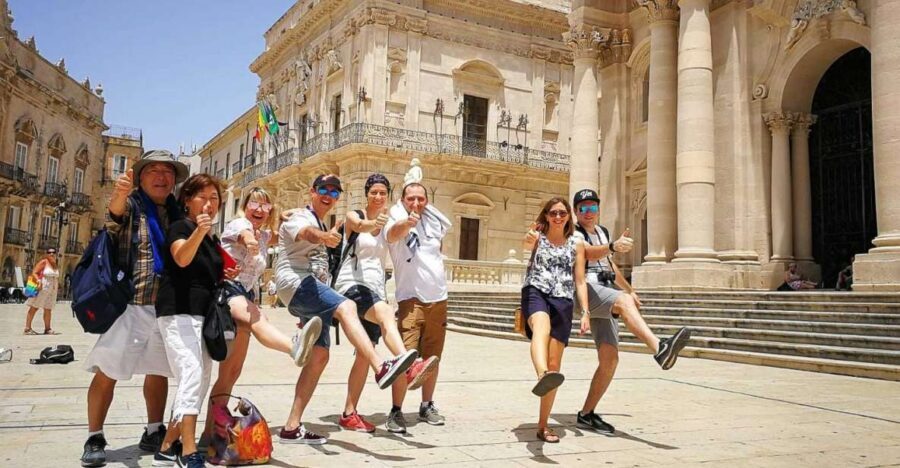
- Noto’s Stone Garden: Sicilian Baroque palaces and churches lining Corso Vittorio Emanuele.
- Small group (up to 8): better conversations and easier logistics than big bus tours.
- Audio can vary: one past group noted no whisper system, so sitting closer to the front can help.
From Catania to Syracuse: riding out with the right pace
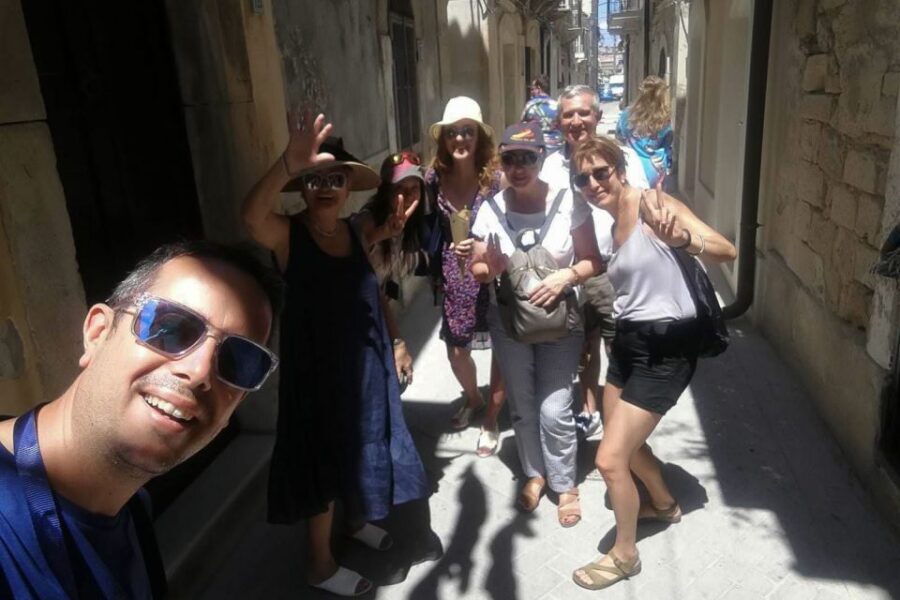
This is the kind of tour that fits well if you’re using Catania as your base and you don’t want to plan bus connections, parking, or timing on your own. Pickup is from hotels and B&Bs in Catania only, and you’ll hop into a shuttle-style vehicle for the run toward Syracuse.
Plan on a long day on the move. The driving segments are part of the experience here, and the day is built around three main areas—Neapolis, Ortigia, and Noto—so your feet will do most of the work. Bring weather-appropriate clothing, and yes, you’ll appreciate comfortable shoes because these are walking-heavy historic zones.
You can also read our reviews of more tours and experiences in Catania.



Neapolis Archaeological Park: Greek Theatre, latomie, and Roman layers
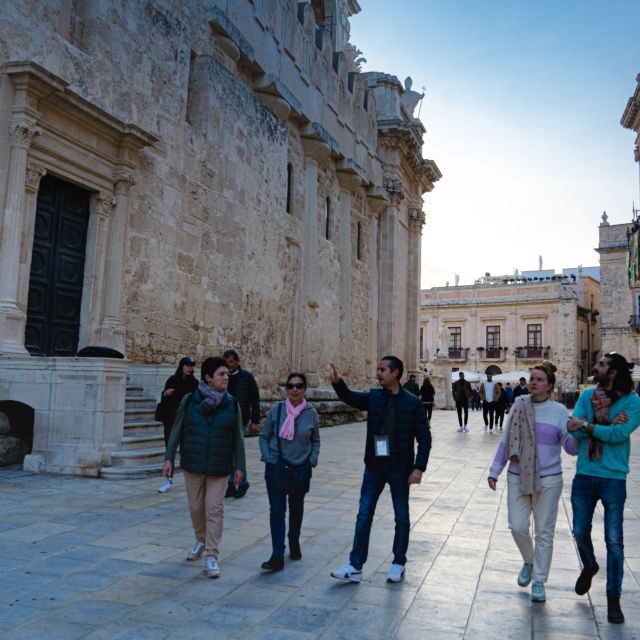
Neapolis is the anchor of the whole tour. After arrival, you’ll have about an hour on your own inside the archaeological park area—long enough to hit the big hitters if you don’t stop to read every last plaque.
The Greek Theatre and that massive cavea
The Greek Theatre is the signature moment. The cavea is described as among the largest ever built by the ancient Greeks, which matters because the scale changes how you feel the place. Even if you don’t memorize dates, you can still understand the engineering and the public impact of an auditorium meant to hold large crowds.
Latomie and the Ear of Dionysius
Near the theatre area, you’ll see the latomie—limestone quarry caves—and one of the most famous: the Ear of Dionysius. This is one of those sights that makes history feel physical. The cave name gets repeated for a reason: it’s a vivid, memorable way to connect to the landscape that the ancients shaped.
San Nicolò ai Cordari and Christian-era additions
In the same general neighborhood, you’ll also encounter the Christian Church of San Nicolò ai Cordari. It’s a useful reminder that Syracuse wasn’t frozen in ancient times—it kept being reused, reshaped, and repurposed as cultures changed.






The Roman Amphitheatre (and why timing matters)
You’ll also have the Roman amphitheatre on your radar in this park visit. One important consideration: on at least some days, the amphitheatre has been reported closed for maintenance, and that can shrink what you can actually see from inside. If you’re the type who hates missing things, keep your expectations flexible and focus on the core park landmarks you can reach within your time window.
Self-guided time: how to make that hour count
Because the Neapolis park portion is self-guided, your best strategy is simple: pick your priorities before you wander. In this hour, I’d focus on the Greek Theatre area and the latomie (Ear of Dionysius zone) first, then add anything else you can reach without sprinting across the park.
If you want help with order, pick up context from your guide early, then go hands-on. Having a plan will save you from doing the classic vacation mistake: stopping to admire everything equally—right up to the moment your time runs out.
Ortigia Island: Arethusa fountain and the Duomo piazza in golden light
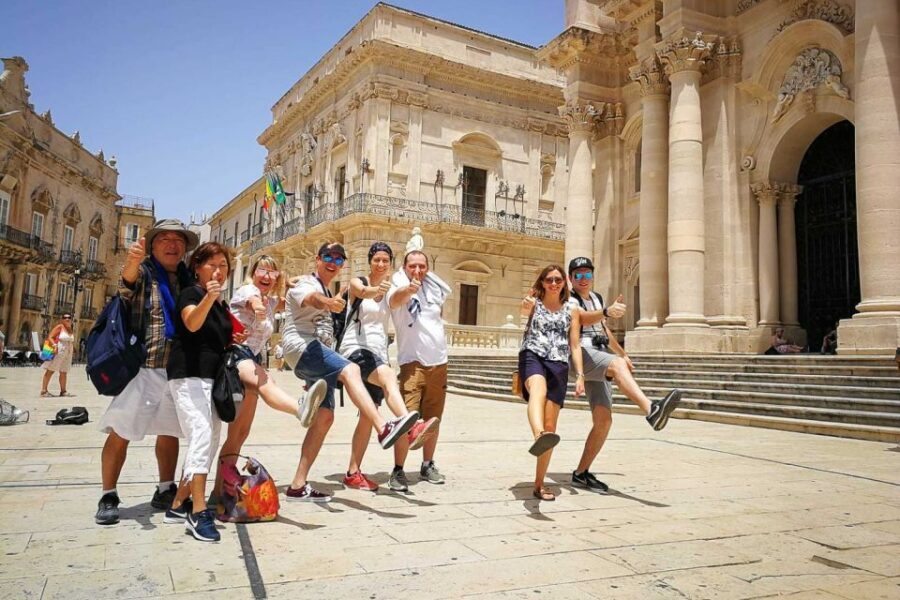
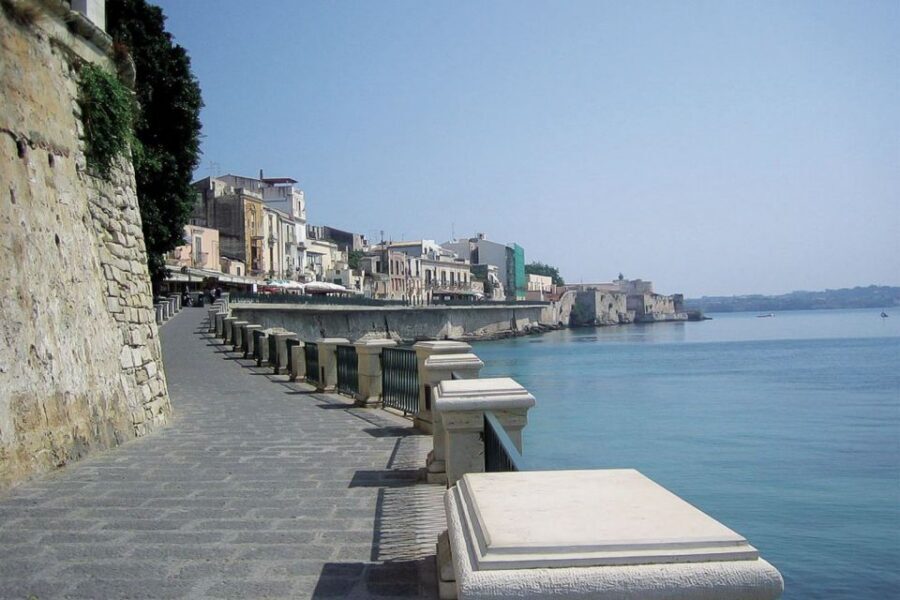
Ortigia is Syracuse’s historic heart, and you feel the difference quickly. The island sits at the eastern end of the overall park area, separated by a narrow channel, so the experience shifts from ruin-park scale to old-city texture.
You’ll get about 1.5 hours here. That’s enough time to see the highlights and absorb the vibe, but it’s not enough to do a slow “every church door” marathon—so choose what matters most to you.
Greek temple atmosphere mixed with later street life
Ortigia is often described as a mix of Greek-temple elements, Christian churches, and Arabian-influenced streets. Walking there helps you understand how the layers coexist—buildings don’t erase history; they stack it.
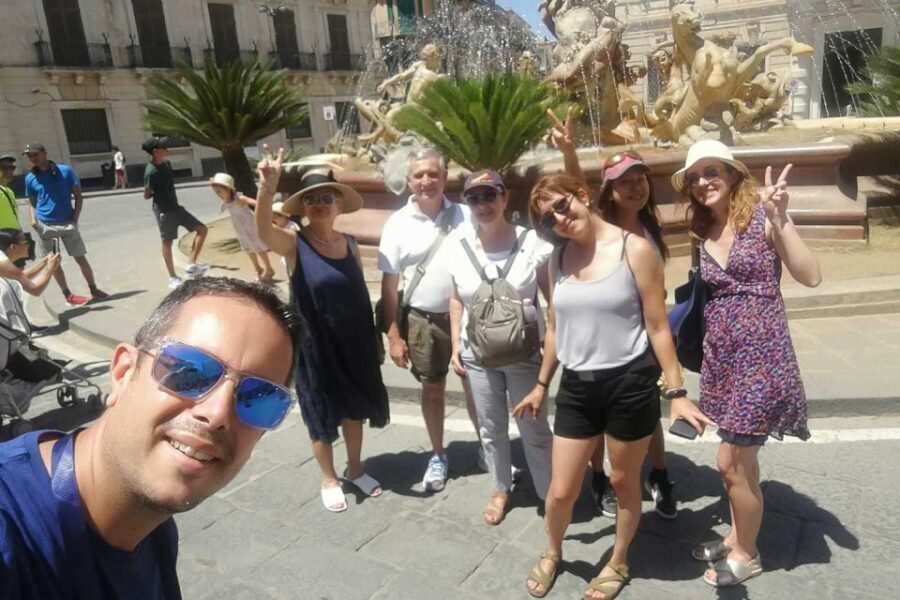
The Arethusa fountain
The Arethusa fountain is one of the easiest must-sees to justify. It’s a recognizable anchor point, and it gives you a quick win after the archaeological park walk. When your day is packed, having a clear “landmark moment” helps you pace your energy.
Piazza del Duomo and the baroque palaces around it
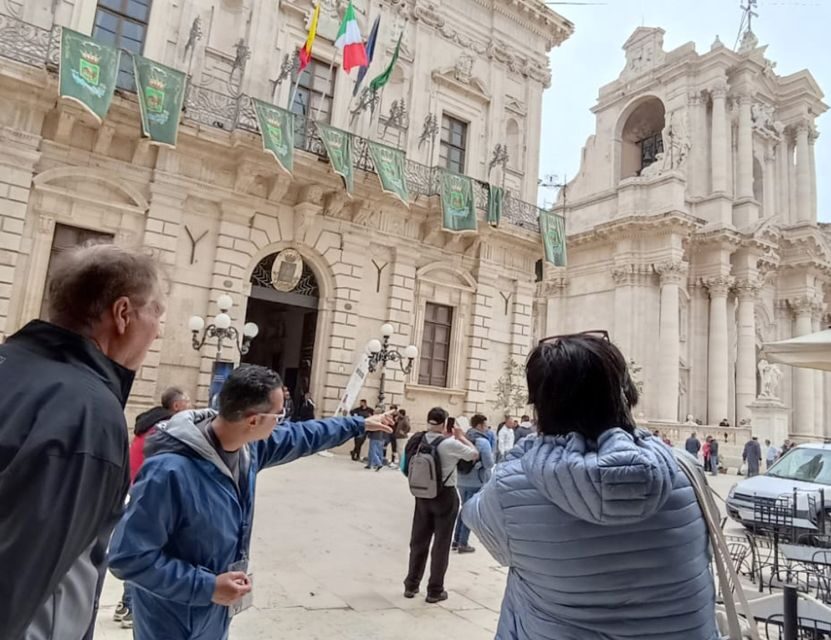
From there, your visit leads toward Piazza del Duomo, surrounded by baroque palaces such as Beneventano del Bosco Palace and Senate Palace. This is where Sicilian baroque becomes more than a style label—it turns into sculpted facades you can actually read with your eyes.
If you like photos, this is a good place to take a breath. Look upward at details, then step back for the full-street composition. Ortigia is the kind of place where small changes in angle make the whole architecture pop.
Lunch timing: how to stay fed without losing your day
Lunch is not included, and you’ll be on your own for food and drinks. That can be a positive: you can choose something casual, and you’re not locked into one fixed schedule.
Just keep in mind that one past experience flagged an unusually expensive lunch spot in Syracuse. I’d treat lunch as a budget choice you actively manage: check menus before you commit, and if prices look out of line, walk a few minutes more. In a long tour day, small money savings can make a bigger comfort difference later.
Also factor in breaks. Past groups noticed that food and toilet stops can eat time in an already packed schedule. Plan to treat lunch as “quick but good,” not a full sit-down meal.
Noto in 90 minutes: Sicilian Baroque and the Stone Garden effect
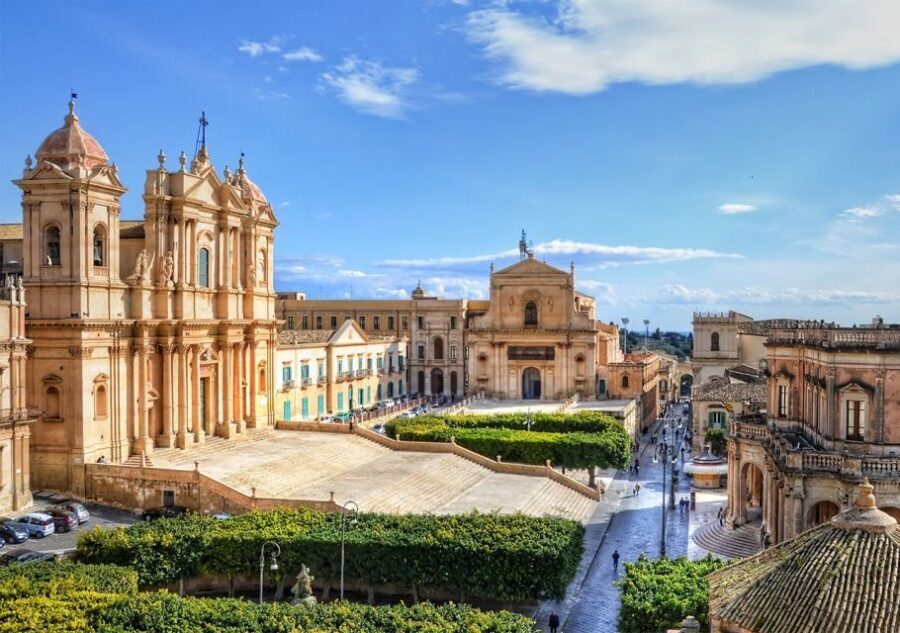
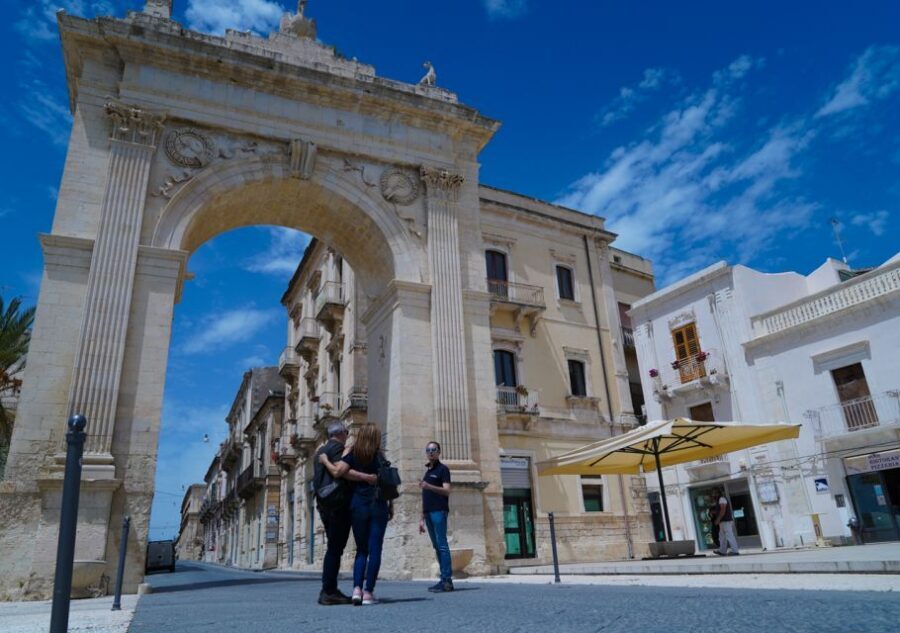
Noto is the day’s beauty payoff, and you’ll have about 1.5 hours there with a guided portion. The town is known for Sicilian Baroque architecture, and it’s often described as an open-air museum—less “one monument” and more “the whole town as the exhibit.”
Corso Vittorio Emanuele and the palaces-and-churches walk
Your time in Noto is built around Corso Vittorio Emanuele, a main spine where palaces and churches line up with dramatic effect. Groups that love this stop usually like it because you can wander and still feel like you’re moving through a curated set of facades, even without museum-ticket vibes.
This is also where the town’s nickname comes in: the palaces and churches together are known as the Stone Garden. That phrase isn’t just poetry—it helps you remember to look at the building cluster as a single visual experience.
When festivals change the pace
A real-world tip: sometimes events can make Noto more crowded than usual. One group mentioned a flower festival at the time of their visit, and that made it harder to see and move smoothly. If you arrive and the streets are packed, don’t get stubborn. Adjust your route, focus on the main visual stretch, and accept that your view might be framed by other people for a while.
The logistics reality: 8–9 hours, set stops, and smart seating
Let’s talk practicality, because Syracuse plus Noto is not a half-day “see a thing and go” outing. You’re signing up for a full-day loop from Catania, with driving time between stops and time blocks inside each town.
Small group size helps, but the day still has edges
This tour runs as a small group limited to 8 participants. That’s a good setup for questions and for keeping the guide’s attention on you, not on a busload of strangers.
Still, a small group doesn’t magically create extra time. Some people felt they wanted more minutes in Ortigia or Noto, and that’s understandable since you’re capped at roughly 1.5 hours for each main town portion.
Parking and walking time can vary
There’s also the real-world issue of getting parked and moving on the ground. One past experience mentioned time spent driving around for parking, which trimmed a bit of sightseeing time. Your best defense is mindset: assume the day is fluid, and focus on the big targets rather than insisting you’ll see everything perfectly in every direction.
Audio can be an issue in the vehicle
One note worth taking seriously: one group said there was no microphone or speakers for the guide during driving and cobblestone rides, which made hearing harder from the back seats. If you’re picky about audio, choose a seat closer to the front when you board.
Guides make the difference: what you’re likely to feel on the ground
The strongest pattern in the feedback is how guides translate complex places into a day you can actually enjoy. Names that came up include Nando, Lorena, Andrea, Salvo, Floriana, Franco, and Francesco—and the common theme is clear, friendly explanations.
A couple of concrete ways that shows up:
- Guides seem to pace the day so you don’t feel rushed while walking key areas.
- They handle mixed-language groups, with explanations available in Italian, English, and Spanish depending on the guide.
One extra detail that can matter: flexibility. One past group asked about adding an unplanned boat ride around Ortigia, and their guide managed to find a boat company even in low season. That’s not guaranteed every day, but it tells you the guides are willing to try when you ask early and keep your expectations reasonable.
Who this tour suits best (and who might want something else)
This works especially well if you:
- Want a classic first-timer Syracuse day without planning a route
- Love Greek and Roman sites but also want the modern street experience of Ortigia
- Like baroque towns and don’t mind that Noto is best enjoyed with planned time rather than an open-ended wander
It may feel less ideal if you:
- Need lots of free time in one place (Ortigia and Noto are both time-boxed)
- Have mobility limitations, since the tour is listed as not suitable for people with mobility impairments
- Hate the idea of self-guided time inside Neapolis (you won’t get a fully guided walkthrough inside the park)
One more small note: pets are not allowed. So plan around that if you’re traveling with an animal.
Value check: is $130.28 a good deal?
At $130.28 per person, you’re not just paying for entry tickets. You’re paying for a full-day structure: hotel pickup and drop-off in Catania, shuttle transportation, a multilingual tour leader, and the Neapolis archaeological park entry ticket.
Food and drinks are on your own, and the Neapolis area is not included as a guided walkthrough inside the park. So if you strongly prefer a “guide points to everything for two hours” style, you may feel the Neapolis portion is more hands-on self-exploration than lecture.
But if you’re the kind of traveler who wants the benefits of a guided day—logistics solved, key sites prioritized—this pricing usually makes sense. You’re buying convenience plus interpretation, then getting to explore at your own speed where it counts most.
Should you book the Catania to Syracuse, Ortigia, and Noto tour?
I think you should book it if you want one efficient day that hits big-name ancient sites and then rewards you with two very different Sicilian atmospheres: Ortigia’s old-street heart and Noto’s Stone Garden baroque look.
If you’re more of a “slow travel” person, or if you’re picky about hearing every word in a vehicle, adjust your expectations and prepare: pick your priorities inside Neapolis, sit closer to the front, and treat lunch as flexible.
For most first-time visitors with a limited window in Sicily, this is a smart way to get variety without doing a spreadsheet.
FAQ
How long is the tour from Catania?
The total duration is about 8 to 9 hours, depending on the starting time.
Is hotel pickup included, and where does it happen?
Yes. Pickup and drop-off are included for hotels and B&Bs in Catania.
What’s included in the ticket price?
Hotel pickup and drop-off, shuttle transportation, a multilingual tour leader, and the Neapolis Archaeological Park entry ticket are included.
Is lunch included?
No. Food and drinks are not included, so you’ll need to plan lunch on your own.
Is there a guided tour inside the Neapolis archaeological park?
No. The Neapolis visit is self-guided, and a guided tour of the park is not included.
Is this tour suitable for people with mobility impairments?
No. It’s listed as not suitable for people with mobility impairments.