REVIEW · SICILY
ETNA – Sunset at high altitude
Book on Viator →Operated by Ashàra Etna & Stromboli Guides · Bookable on Viator
Etna at sunset is a real attitude shift. It’s a guided hike that starts with a cable-car lift to the high slopes, then pushes upward to crater terrain where the sky changes fast. Two things I like a lot are the guided eruption context (you’re not just looking at rocks) and the practical planning for comfort with headlamp, helmet, trekking poles, and boots provided. One thing to weigh: this is a moderate-fitness hike with real altitude and a long walk back on volcanic sand, so you’ll want to pace yourself.
I also appreciate how the guide energy matters here. In the reviews, guides like Pepe and Max get praised for being both kind and seriously prepared, and that’s exactly what you want when the terrain is technical and the light is fading.
The main consideration is simple: if the weather is rough or visibility is limited, you may not get the exact sunset plan. The good news is you’re going to an operator that requires good weather for a reason—safety and views go together.
In This Review
- Key Highlights to Look For
- Etna Sunset at High Altitude: What Makes This Hike Special
- Meet at Piazzale Rifugio Sapienza and Get Gear-Ready
- Cable Car Lift to 2500m: Why This Start Matters
- The 2001 Eruption Briefing: Learn While You Look
- Valle del Bove: The Eastern Flank View That Stops You
- Torre del Filosofo: A Famous Landmark in the Middle of the Story
- Sunset Near 3000m: Craters of 2002/2003 in the Best Light
- The Long Walk Back on Volcanic Sand Under Starlight
- Price and Value: What the $62.47 Covers (and What It Doesn’t)
- Who This Etna Sunset Hike Suits Best
- Practical Tips for Comfort at 2500–3000m
- Should You Book This Etna Sunset Tour?
- FAQ
- What time does the Etna sunset hike start?
- How long is the experience?
- Is the cable car ticket included?
- What gear is included in the tour price?
- What fitness level do I need?
- What happens if the weather is bad?
Key Highlights to Look For
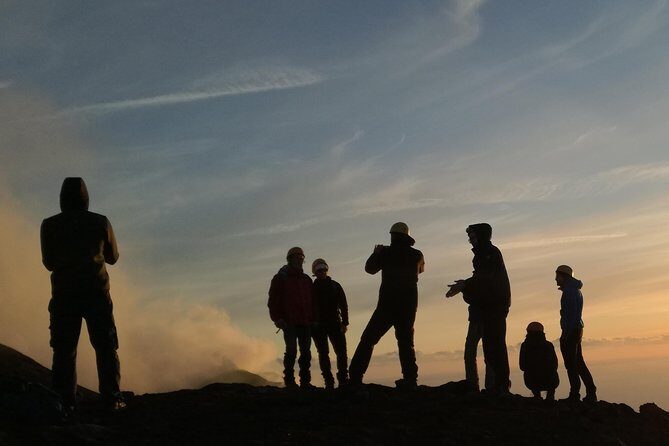
- 2500m cable-car start to reduce the slog and get you up into the Etna zone quicker
- 2001 eruption explanation paired with real viewpoint time, so you understand what you’re seeing
- Valle del Bove overlooks from the eastern flank—big-sky drama without rushing
- Torre del Filosofo stop during the climb, giving the hike a clear storyline
- Sunset near 3000m on the 2002/2003 craters for maximum payoff
- Volcanic-sand return by starlight with headlamp support (provided) and poles to help your footing
Etna Sunset at High Altitude: What Makes This Hike Special
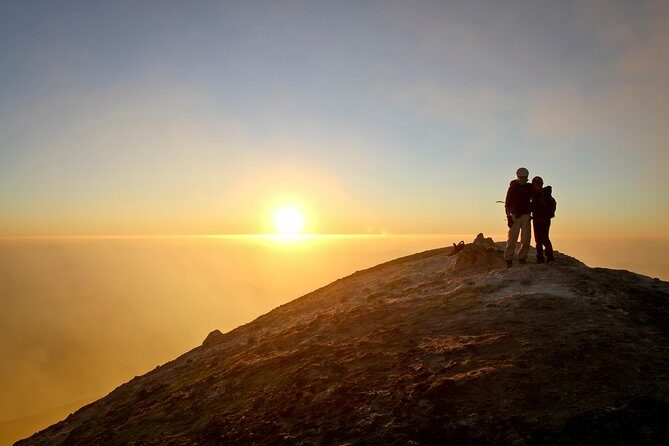
This is not the kind of Etna day where you sit on a bus and hope for a postcard moment. You work upward, you learn as you go, and then you watch the light shift over a volcano that still feels alive. The whole structure is built around that southern side timing: climb first, then arrive where the sunset actually does something.
The hike also has a built-in storyline. You start around 2500m, get the background on the 2001 eruption, then look out over Valle del Bove, and finally climb toward the crater area of 2002/2003 for sunset at roughly 3000m. That arc matters because it turns random scenery into a sequence you can remember.
And yes, the starlight walk down is part of the point. You’ll be returning on characteristic volcanic sands while your headlamp does its job. It’s atmospheric, but it also helps you stay steady on an uneven surface.
You can also read our reviews of more evening experiences in Sicily
Meet at Piazzale Rifugio Sapienza and Get Gear-Ready
You meet at Piazzale Rifugio Sapienza, 95030 Nicolosi CT, Italy, starting at 3:00 pm. The endpoint is the same spot, so you’re not dealing with cross-town logistics after a long day.
One smart detail: gear is included. You get trekking poles, a headlamp, a helmet, and trekking shoes. That’s a big deal if you don’t want to rent or pack everything. It also signals that the route involves uneven ground where poles and a light really help.
Group size is capped at 20 travelers, which tends to make the pace feel more human. On a hike like this, you want your guide close enough to manage footing and timing, especially as daylight fades.
Cable Car Lift to 2500m: Why This Start Matters
The day begins with a cable car ride up to about 2500 meters. The cable car ticket is not included and is listed at 52€ per person, so budget for that extra cost.
This start is practical. If you had to climb from the parking area, your time at altitude would shrink and your energy would drop right when you need it. Here, the cable lift gets you into position for learning and viewpoints before the hardest parts of the route.
Also, the altitude upshift happens before sunset. That means you’re already in the right temperature zone and air pressure range when the temperature starts to drop with evening. You’ll notice that more if you’re sensitive to altitude.
The 2001 Eruption Briefing: Learn While You Look
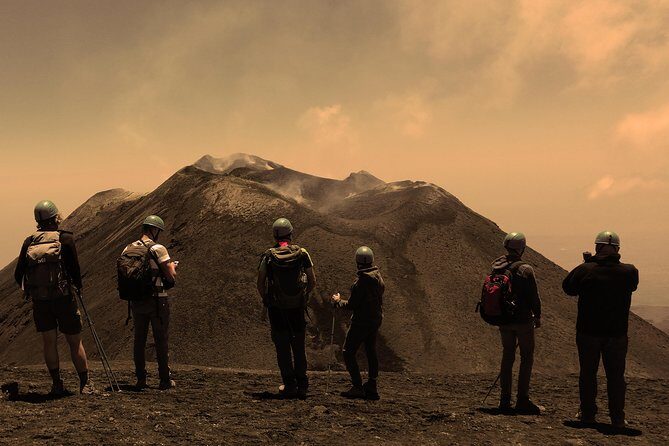
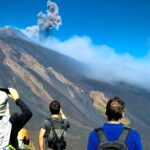
One of the best parts of a guided Etna hike is when the guide connects the terrain to what happened. Here, you’ll learn about the eruption of 2001 and then you’ll be looking at it in context, not just standing somewhere high and guessing.
You also get the kind of viewpoint that makes the story land. The guide doesn’t just name features; you’re positioned to see the volcano’s structure and the way the slopes break down across the eastern side.
In the reviews, people call out how prepared the guides are. Seeing named landmarks like the 2001 eruption area and later the 2002/2003 craters makes the day feel “earned.” You’re building a mental map as the hike unfolds.
Valle del Bove: The Eastern Flank View That Stops You
After the initial briefing, you overlook Valle del Bove, described as an immense depression that marks Etna’s eastern flank. This is the kind of view where your brain finally grabs the scale of the volcano.
The strength of this stop is timing and pace. You’re not sprinting past it. You have time to look, notice how the terrain opens up, and then keep moving with the landscape making sense behind you.
Potential drawback: on clear evenings you’ll want your camera ready, but you still need to keep attention on your footing. At altitude and in low light, it’s easy to trip if you spend every second staring down for photos. Let the guide set the rhythm.
Torre del Filosofo: A Famous Landmark in the Middle of the Story
Next comes the climb toward the Torre del Filosofo, the famous tower associated with Etna hiking routes. You won’t just pass it like a checklist item. This part of the trek is a bridge between viewpoints: you’re working upward, then you’re rewarded with a sense of direction and height.
The tone changes here because the day is moving toward its final goal: the sunset zone near the crater area. That means you’ll likely feel your legs starting to load up. Poles help a lot on steep stretches, and the provided poles are there for a reason.
If you’re planning your effort, think about this segment as your “active middle.” The climb is not just distance—it’s elevation gain while you’re also soaking in views and learning cues from the guide.
Sunset Near 3000m: Craters of 2002/2003 in the Best Light
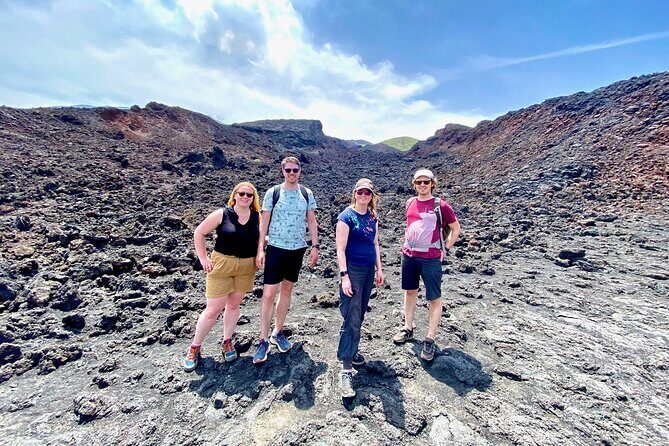
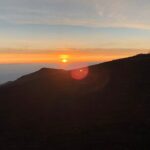
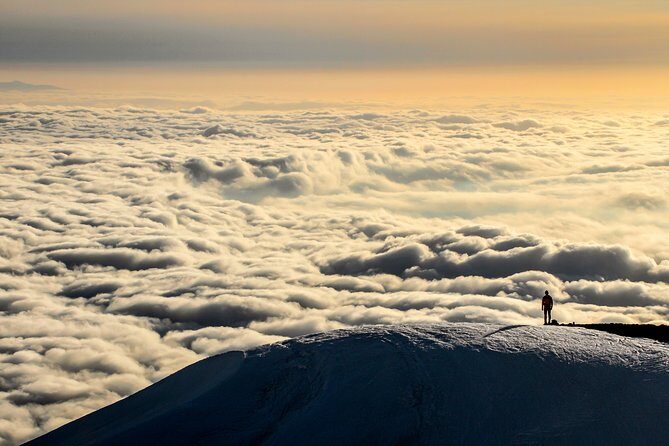
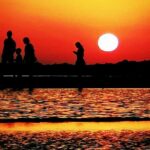
The main event is waiting for sunset around 3000 meters, on the summit area of the Craters of 2002/2003. This is where the hike earns its name. The light doesn’t just get pretty; it changes how volcanic rock and ridges read across the horizon.
This is also the part where a guide’s timing matters. You need to arrive with enough energy to stand, look, and take photos without feeling rushed. And you need daylight long enough to find your bearings before the sky goes dark.
The reviews back up the value of doing the hike with a guide rather than going solo at around 2900m. You’ll experience more than altitude alone—the learning stops and viewpoint sequence are part of the value proposition, not decoration.
Possible drawback: sunset time means cooler air and shifting conditions on the ground. Even if it starts comfortable, expect it to feel colder as you wait and as the return begins.
The Long Walk Back on Volcanic Sand Under Starlight
After sunset, you’ll walk back over volcanic sands. This is not a smooth trail. Volcanic ground can shift under your feet, so your balance matters more than your speed.
This is where the included headlamp becomes essential. You’re hiking after dark, so the light isn’t optional comfort—it’s how you move safely and confidently. Trekking poles also reduce strain on knees and improve stability in uneven stretches.
One practical tip: keep your steps shorter on loose sand. Long strides can make you sink or slip. Your goal is steady rhythm, not quick progress.
The whole “starlight” return also has a payoff beyond the walk itself. When your eyes adjust, the sky at altitude can feel dramatic—especially after you’ve spent the evening moving through a lunar-like terrain.
Price and Value: What the $62.47 Covers (and What It Doesn’t)
The listed price is $62.47 per person for a 5 to 6 hour excursion, with a mobile ticket. Admission is included, and the route includes equipment like poles, headlamp, helmet, and trekking shoes.
What’s not included is the cable car ticket (52€ per person). That’s the one big add-on you should expect before you go. Still, once you factor gear and a guided route with safety-focused equipment, the value can make sense—especially if you’d otherwise pay for rentals and then also miss the eruption context.
Here’s the honest way to decide if it’s worth it for you: if you care about understanding Etna—why these areas matter after specific eruptions—then the guide time is the core value. If you only want views and you’re comfortable navigating and timing yourself, you might wonder about the cost. But for most people, guided structure plus included climbing gear is a good deal for the effort involved.
Who This Etna Sunset Hike Suits Best
This excursion fits people who want a guided Etna experience rather than a quick sightseeing loop. You’ll enjoy it most if you like geology or at least like learning why a view looks the way it does.
You’ll also like it if you can handle a moderate hike. The operator says the experience requires moderate physical fitness, which usually means you’re okay with uphill sections, uneven ground, and an evening return.
It’s a strong pick for:
- couples and small groups who want one “big” Etna evening
- hikers who want trekking poles and a headlamp without doing logistics
- visitors who are short on time and still want real altitude
You may want to rethink if:
- you’re sensitive to altitude or prefer flat walking
- you hate dark hikes or uneven footing (even with headlamps)
- you don’t like plans that depend on weather and visibility
Practical Tips for Comfort at 2500–3000m
The route climbs from around 2500m up to roughly 3000m for sunset, then it continues after dark. That means clothing comfort matters.
Dress for changing conditions:
- bring warm layers for when the sun drops
- wear the trekking shoes you’re provided, but make sure your socks fit well
- use the helmet and poles as intended, not as accessories
Since the activity requires good weather, keep your flexibility in mind. If conditions are poor, you may be offered another date or a refund, which is typical for a hike where visibility and safety matter.
Also, start time is 3:00 pm, so plan your day so you’re not rushed at the meeting point. You’ll feel that last-day fatigue more at altitude.
Should You Book This Etna Sunset Tour?
Book it if you want an Etna evening with structure: guided eruption context, specific viewpoints like Valle del Bove and Torre del Filosofo, then sunset near the 2002/2003 craters. The included gear lowers friction, and the small-group format helps you enjoy the experience without feeling herded.
Skip it or wait for another option if you’re not comfortable with a moderate hike on uneven ground after sunset. Also, if you know you struggle with cold at elevation, you’ll want to plan layers carefully.
If you’re trying to choose between a DIY approach and a guided one, this tour is set up to reward people who want to understand what they’re looking at, not just see it. For many first-timers, that difference is the whole point.
FAQ
What time does the Etna sunset hike start?
The tour starts at 3:00 pm, and it ends back at the meeting point.
How long is the experience?
It lasts about 5 to 6 hours.
Is the cable car ticket included?
No. The cable car ticket is listed separately at 52€ per person.
What gear is included in the tour price?
You’ll receive trekking shoes, trekking poles, a headlamp, and a helmet.
What fitness level do I need?
The tour is for people with moderate physical fitness.
What happens if the weather is bad?
The experience requires good weather. If it’s canceled due to poor weather, you’ll be offered another date or a full refund. There is free cancellation up to 24 hours in advance for a full refund.