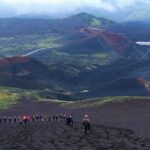
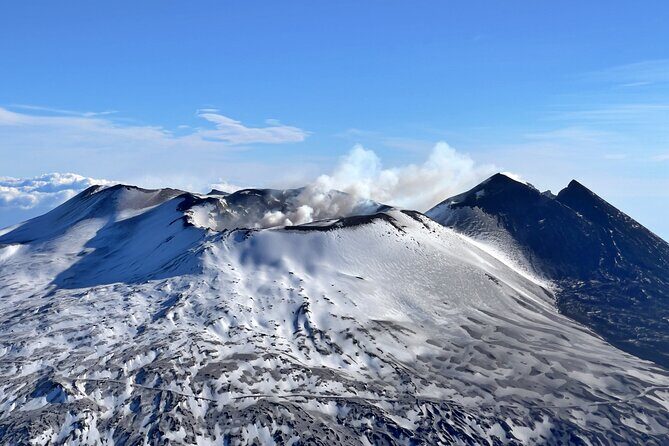
Flying over Etna changes everything. This Etna helicopter tour turns the volcano into a map you can actually read, with sweeping views of crater fields and lava systems. I also like how the guiding is proactive—the pilot and guide stay focused on what you’re seeing, not just where you’re going.
My favorite part: meeting and communication felt smooth right from the start, and names like Antonio, Marcello, and Sofia come up for their clear explanations. In a private setup for up to 5, you’re not just waiting your turn—you’re getting context as the helicopter tracks over Etna’s key landmarks.
One drawback to plan for: you’re flying based on visibility and weather. If clouds roll in, you might not get the exact crater angles you hoped for, and the experience still has a hard time limit at about 30 minutes—so it’s not a slow “hang out” tour.
In This Review
- Key points worth knowing before you go
- A 30-Minute Helicopter Flight Over Mount Etna: What You Really Gain
- Logistics and meeting details from Land Of Dreams in Fiumefreddo di Sicilia
- Your route in the air: ski resort views, Silvestri craters, and Valle del Bove
- Northern ski resort overview
- Passage over the Silvestri Craters
- Flight over the Valle del Bove, plus lava from 1991–1993
- View of the 1928 eruption
- Overview of the Sartorius Craters eruption of 1865
- Flight over Zafferana Etnea and more 1991–1993 lava
- Passage on the western slope, then Giarre and Riposto port
- How to spot the major eruption areas during the flight
- Price, private value, and how far ahead you should book
- Who should book an Etna helicopter tour—and who should think twice
- Should you book this Etna Helicopter Tour?
- FAQ
- How long is the Etna Helicopter Tour?
- Is this a private tour?
- What is the maximum group size?
- What language is offered?
- Where is the meeting point?
- When does the tour operate?
- Is there a weight limit?
- Do I need a mobile ticket?
- What happens if weather is bad?
- What is the cancellation policy?
Key points worth knowing before you go
- Private and compact: up to 5 people share one flight plan, so the experience feels personal.
- Short flight, big geography: you see far more Etna than any hike can cover in the same time.
- Aerial eruption storytelling: you’ll fly over areas tied to major eruptions, including 1991–1993, 1928, and 1865.
- The route is visibility-sensitive: good weather matters, and cloud cover can affect how close you get to certain crater views.
- Strong staff experience: Antonio, Marcello, and Sofia are repeatedly linked to clear communication and a calm ride.
A 30-Minute Helicopter Flight Over Mount Etna: What You Really Gain
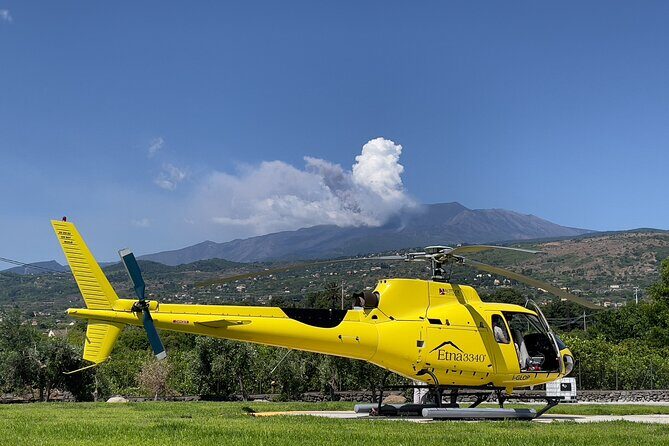
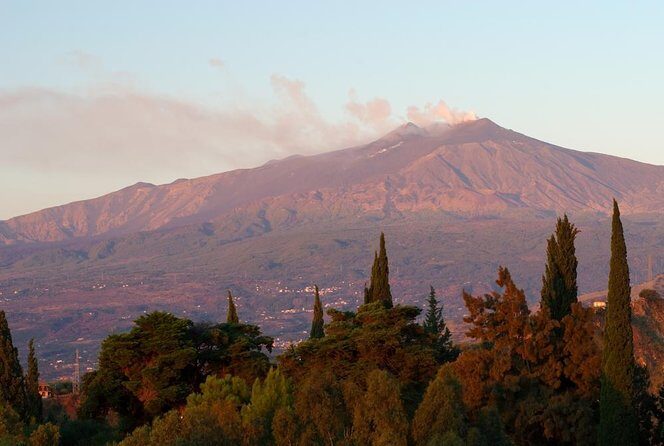
A helicopter tour over Mount Etna isn’t about checking a box. It’s about getting your bearings. From the ground, the volcano can feel steep, dramatic, and confusing—because your eyes only cover what’s right in front of you. From the air, Etna snaps into scale: craters spread out like clusters on a board game, lava fields turn into slow-moving rivers of rock, and the “where” starts to explain the “why.”
The whole thing runs for about 30 minutes, which is both a blessing and a reality check. It’s long enough to cross several major zones and see different eruption landscapes. It’s short enough that weather planning really matters—you’re not sitting around for hours waiting for the skies to cooperate.
I especially like that the flight is paired with an overview style of guiding: you’re not only looking at geology, you’re learning what part of the volcano you’re above. The experience is also offered in English, which helps if you don’t want to guess what you’re seeing while everyone else is chatting.
When it works perfectly, it’s the fastest way to understand Etna’s system of secondary craters and lava flows. When conditions aren’t perfect, you still tend to come away with the big picture—because the aircraft can track multiple areas even when one spot is obscured.
You can also read our reviews of more tours and experiences in Sicily
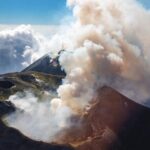
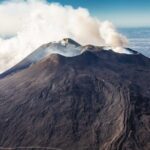
Logistics and meeting details from Land Of Dreams in Fiumefreddo di Sicilia
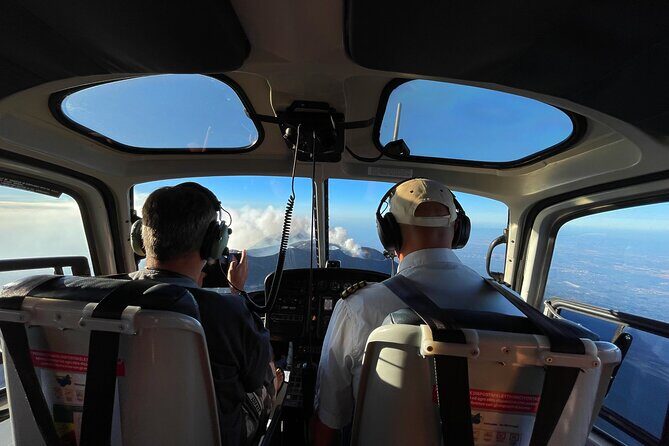
You’ll meet at Land Of Dreams, Via Catania Messina 14, 95013 Fiumefreddo di Sicilia (CT), Italy. The activity ends back at the same meeting point, so you don’t have to plan extra transportation for getting home after the flight.
The operating window runs 05/03/2026 to 11/26/2026, with Monday through Sunday times listed as 8:30 AM to 9:00 AM. Practically, that means you’re starting early and you’re depending on morning visibility. If you’re staying nearby in the Catania area, it’s straightforward to reach, but still treat it like an appointment, not a flexible morning.
This is a private tour/activity, meaning only your group flies—up to 5 people per group. That matters for value and for comfort. You’re paying for exclusivity, not for a crowded cattle-car shuttle to the “same” viewpoint.
You’ll also use a mobile ticket, and you should receive confirmation at the time of booking. One more practical note: there’s a listed total weight per passenger of 221 lbs. If you’re near that limit, check before you go so your day isn’t ruined by a last-minute refusal.
Your route in the air: ski resort views, Silvestri craters, and Valle del Bove
This flight is built like a guided circuit around Etna’s most important visual zones. You’re not doing stops where you step out of a vehicle. It’s all about what you see from above as the helicopter passes each landmark.
Northern ski resort overview
The early part of the route gives you a sense of how Etna transitions into winter terrain. From the air, you can spot how human recreation meets volcanic terrain—an odd mix that helps you understand why Etna attracts both scientists and skiers. Even if you never touch a slope, this first look gives your brain a reference point.
Potential drawback: depending on cloud height, the “overview” moments can be less crisp than the crater-focused sections. Still, they matter because they place later eruption zones into a wider frame.
Passage over the Silvestri Craters
Next comes a major crater zone: the Silvestri Craters. This is where the aerial perspective really pays off. From the ground, you might see one crater edge and feel the scale is too big to decode. From the helicopter, you can see crater groupings and how secondary vents spread outward.
If weather is spotty, crater visibility can be the first thing that gets reduced—but you can still come away with strong views of crater fields even when the sky isn’t perfect. In at least one real-world example, clouds blocked a crater-over flight angle, yet the overall Etna panorama and the network of secondary craters still impressed.





Flight over the Valle del Bove, plus lava from 1991–1993
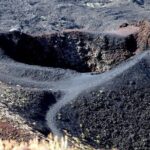
Then you shift to Valle del Bove, a key structural feature of Etna. In plain terms: this is the kind of wide, dramatic space where aerial views help you understand the volcano’s shape, not just its peaks. The route also includes a view of the 1991–1993 lava, which is one of the most visually readable lava time periods you’ll see from above.
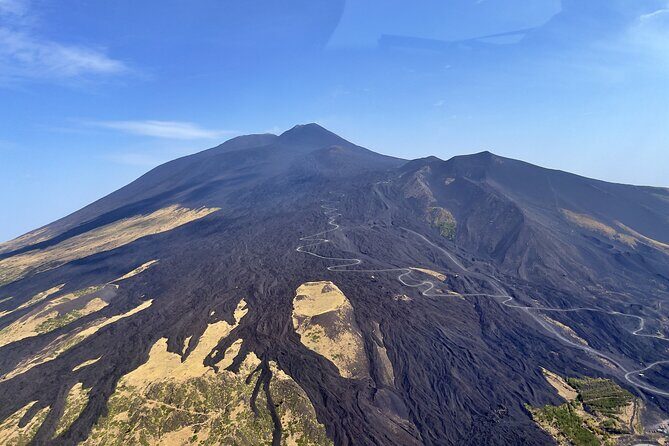
Here’s what I’d look for: the lava flow patterns. From the air, you can often trace how molten rock traveled and where it broke into branches or stopped. That’s the difference between seeing lava as random black patches and seeing lava as a system.
View of the 1928 eruption
The flight continues with a view of the 1928 eruption. This segment is valuable because it adds another time layer to the geology. You’re not just seeing “lava on Etna,” you’re seeing different phases—different eruptions leave different signatures in the terrain.
Even when your flight is relatively short, these time jumps give your brain a timeline. You start connecting the dots between crater activity and the long-lasting impact on the landscape.
Overview of the Sartorius Craters eruption of 1865
After 1928 comes a much older reference point: the Sartorius Craters eruption of 1865. From the air, older volcanic areas often show more “blended” terrain compared to fresh-looking flows. That’s not a disappointment—it’s part of the lesson. Volcanic surfaces change, weathering happens, and older zones look different because they’ve had more time to be shaped.
This is also the segment where guiding explanations can make a big difference. When someone gives you the names and ties them to what you’re seeing, those labels stop being trivia and become orientation.
Flight over Zafferana Etnea and more 1991–1993 lava
Next, the route brings in Zafferana Etnea and another look at the 1991–1993 lava area. Repeating that 1991–1993 view from a different angle is smart. It helps you verify what you saw earlier and get a stronger mental map of the flows.
Zafferana Etnea isn’t just a dot on a map here—it helps frame the volcano in a lived-in region. You’re seeing where settlements sit relative to volcanic activity, which is exactly the kind of “real geography” perspective that makes this tour better than a single static viewpoint.
Passage on the western slope, then Giarre and Riposto port
The route finishes with passage on the western slope, then an overview of Giarre, followed by a passage over the port of Riposto. These last pieces help you understand Etna’s proximity to the coast and how quickly the story shifts from volcano systems to inhabited areas and trade routes.
Riposto’s port view is a good reality check: you’re staring at a volcano that can look remote and huge, while a functioning coastal landscape sits nearby. It’s a reminder that Etna isn’t a faraway attraction—it’s part of Sicily’s daily world.
How to spot the major eruption areas during the flight
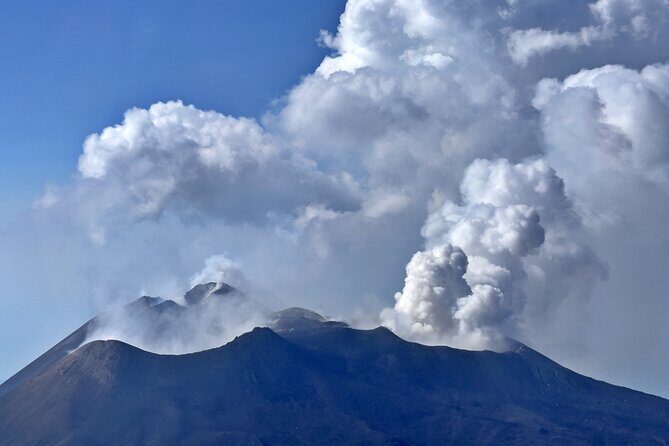
Because this is an aerial tour, the “what should I look for?” question matters. You’ll be seeing several named eruption areas and crater zones, and the naming isn’t just for show. It’s how you understand what caused each terrain pattern.
Here’s the practical way to read what you’re seeing from above:
- When you hear a name like Silvestri Craters, focus on crater grouping and how secondary vents spread out. That’s how you grasp Etna’s multi-crater behavior.
- When you hear Valle del Bove, shift from isolated craters to the overall shape of the volcano’s interior structure.
- For 1991–1993 lava, watch for visible flow channels and branching patterns. This period is often easier to recognize as “flow” rather than “random broken rock.”
- For 1928 and 1865 zones, expect terrain that looks older and more integrated into the surrounding slopes. The goal isn’t to find something “perfect,” it’s to compare how volcanic surfaces evolve over time.
If you’re the type who likes learning in the moment, you’re going to like the emphasis on explanations. Guides and pilots such as Antonio and Marcello are specifically linked to calm communication and clear commentary, and that helps you turn a 30-minute flight into an actual understanding of what you just saw.
One more honest note: if visibility is limited, you may not get the exact crater angles you imagined. Even so, the aerial format gives you enough alternate sightlines to keep the experience coherent—so you don’t feel like you missed the whole thing.
Price, private value, and how far ahead you should book
At $2,037.05 per group (up to 5) for about 30 minutes, the price is big—but it’s also the standard shape of helicopter tours: you’re paying for access to aircraft time and a controlled, private flight plan, not just a guide.
To judge value, think in terms of how many people split the cost. If you have a group of 4–5, your per-person cost drops noticeably compared to solo booking. If you’re traveling as a couple, it can still be worth it if you genuinely want a one-of-a-kind Etna view that would take days of hiking (and still wouldn’t match the aerial scale).
Timing matters too. This type of tour is booked on average 153 days in advance, so availability likely tightens quickly. If Etna is in your travel plan and you’re serious about doing the helicopter flight, I’d book early rather than counting on “maybe we’ll see.”
Finally, a small but meaningful advantage: this is offered in English, with mobile tickets and confirmation at booking. Less paperwork stress means you can keep your morning focused on the flight instead of chasing details.
Who should book an Etna helicopter tour—and who should think twice
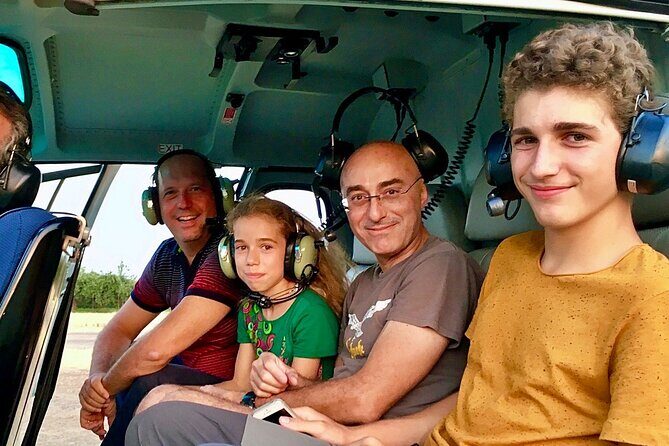
I’d say this tour fits best if you:
- Want Etna’s scale fast, without spending hours hiking.
- Like geology explanations and don’t mind learning names and eruption periods in the moment.
- Are traveling as a couple or small group and can split the cost of a private flight.
I’d think twice if you:
- Are highly weather-dependent in your planning. The experience requires good weather, and poor visibility can affect what you see or whether you fly that day.
- Need a long, seated window of time. This is built around a tight flight duration, not a slow tour with lots of stops.
- Are near the 221 lbs weight limit and haven’t checked eligibility ahead of time.
Also, bring a practical mindset: this is a helicopter ride with a schedule. If you treat it like a key appointment—show up early, listen to the briefing, and expect route adjustments as conditions change—you’ll get the best day possible.
Should you book this Etna Helicopter Tour?
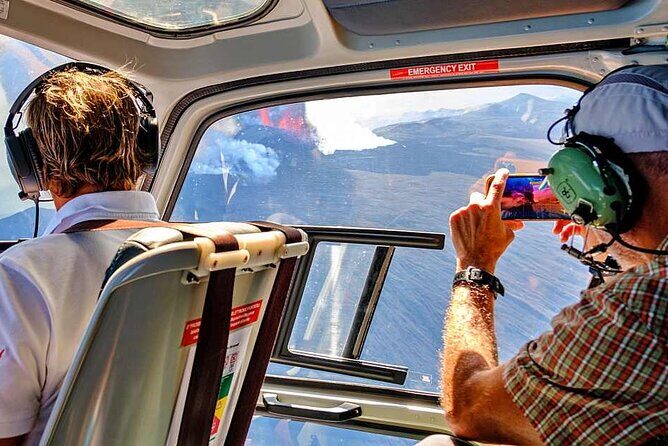
If you’re choosing between a ground tour and an aerial one, I’d book the helicopter when your group can handle early morning timing and you’re okay with the reality that weather affects crater-level views. The trade-off is clear: you pay for speed and perspective.
This tour is strongest when you want a big-picture Etna map: craters like Silvestri, structure like Valle del Bove, lava from 1991–1993, plus eruption references from 1928 and 1865, ending with coastal context near Giarre and Riposto. It’s the kind of trip where you leave with names in your head and a route you can picture.
If your priority is a hike-style adventure, you may not need helicopter time. But if your priority is understanding the volcano from above—this is one of the most direct ways to do it in Sicily.
FAQ
How long is the Etna Helicopter Tour?
The flight is approximately 30 minutes.
Is this a private tour?
Yes. Only your group participates.
What is the maximum group size?
Up to 5 people per group.
What language is offered?
The tour is offered in English.
Where is the meeting point?
The meeting point is Land Of Dreams, Via Catania Messina 14, 95013 Fiumefreddo di Sicilia (CT), Italy.
When does the tour operate?
It runs from 05/03/2026 to 11/26/2026, Monday through Sunday, with listed hours from 8:30 AM to 9:00 AM.
Is there a weight limit?
Yes. The total weight per passenger is listed as 221 lbs.
Do I need a mobile ticket?
Yes. The tour includes a mobile ticket.
What happens if weather is bad?
This experience requires good weather. If it’s canceled due to poor weather, you’ll be offered a different date or a full refund.
What is the cancellation policy?
You can cancel up to 24 hours in advance for a full refund. If you cancel less than 24 hours before the start time, the amount paid won’t be refunded. Changes within 24 hours aren’t accepted.