REVIEW · SICILY
Etna Grantour – 4×4 & trekking – Private tour with lunch included
Book on Viator →Operated by EtnaExcursion.it · Bookable on Viator
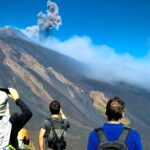
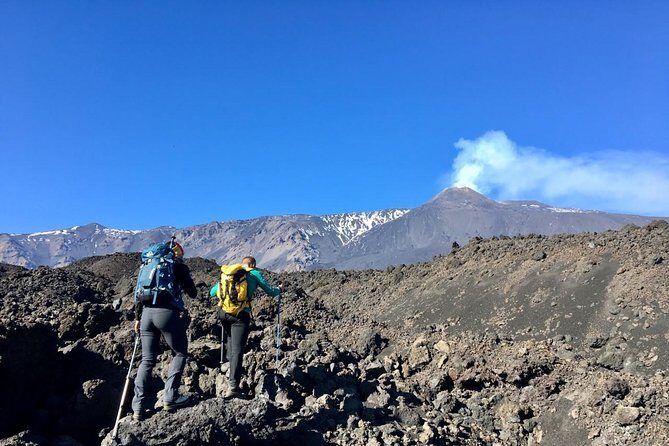
Etna is the kind of place that looks unreal. This tour mixes a morning trek with an afternoon 4×4 so you see real sides of an active volcano without spending the whole day driving. You also get a lava-tube cave visit with helmets and lights, plus lunch and tastings at an Etna farm.
What I like most is how the day is built for variety: you get crater viewpoints, a cave stop, and then food and tasting on the slopes. I also like that the route is paced by terrain, not by rushing between checklists, and the guide experience tends to be personal and calm (Sebastián comes up in reviews as a relaxed guide who explains a lot).
One consideration: this is not a light walk. The morning involves a trek of about 8–10 km and you need proper footwear since closed or trekking shoes are compulsory (rental is available).
In This Review
- Key points worth knowing before you go
- How the Day Flows From Treks to Craters
- Mount Etna: More Than a Volcano, It’s a Whole Vertical World
- The Silvestri Craters and the 1892 Story
- Grotta Intraleo: Lava Tubes You Can Actually Walk Through
- MontataGrande Farm: Lunch and Tastings on Etna’s Slopes
- Valle del Bove: The Natural Amphitheater Effect
- Transportation, Footwear, and Comfort Tips That Matter
- Value for $168.19: Why This Adds Up
- Who This Tour Fits Best (And Who Should Rethink It)
- Should You Book Etna Grantour?
- FAQ
- How long is Etna Grantour?
- What’s included in the tour price?
- Do I need tickets for the stops?
- Are pickup and transportation included?
- What footwear do I need?
- Is the tour suitable for beginners?
- Is this tour affected by weather?
Key points worth knowing before you go
- Trek + 4×4 mix: you’ll walk in the morning, then switch to vehicle time when the terrain demands it
- Small group feel: max of 8 travelers, which usually means better attention and easier pacing
- Lava-tube cave visit: helmet and lights included so you can safely experience volcanic tunnels
- Etna farm lunch and tastings: wine, liqueurs, oil, Zafferana honey, sweet creams, pesto, pistachio and more
- Big volcanic viewpoint stops: Valle del Bove is a dramatic amphitheater from a past collapse
- Weather matters: the tour requires good weather, so plan for schedule shifts if conditions are rough
How the Day Flows From Treks to Craters
This is a full-day Etna outing, roughly 9 hours starting at 8:45 am from MontataGrande – AgricolTour & Gusteria dell’Etna in Trecastagni. It ends back at the same meeting point, which keeps logistics simple once you’re there.
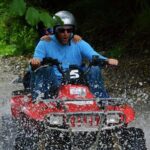
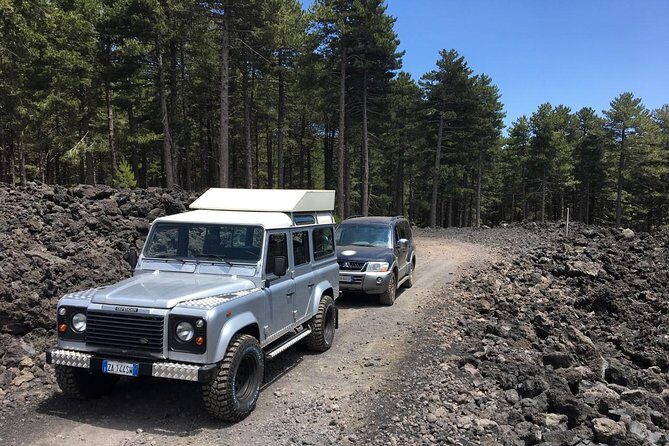
The pacing is the main “secret sauce.” You start with a morning trekking segment (about 8–10 km) while the air is usually cooler and your energy is higher. Then the plan switches to an afternoon 4×4 tour, so you still get access to key volcanic angles without having to walk every single road and slope. An air-conditioned vehicle helps between stops, and the tour includes a visit to three sides of the volcano, which matters because Etna’s character changes depending on where you stand.
With a max group size of 8, you’re less likely to feel like you’re part of a stampede. That matters on a day that mixes walking, viewpoints, and a cave where attention and foot placement are important.
You can also read our reviews of more private tours in Sicily
Mount Etna: More Than a Volcano, It’s a Whole Vertical World
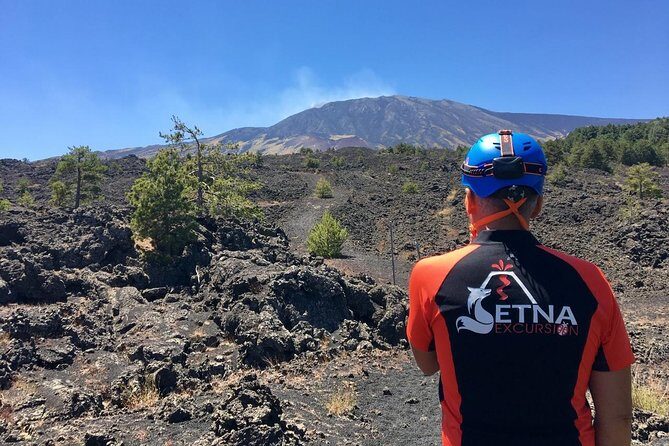
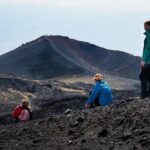
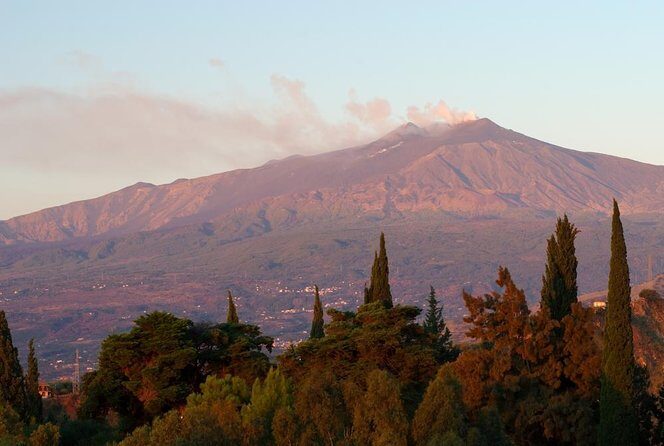
Your main first stop is Mount Etna, and it’s set up to challenge a common misconception. Yes, Etna is active, but it’s not just raw rock. Because Etna rises from near sea level up to 3329 meters, you get a huge altitude spread in a relatively compact area.
That altitude difference is what creates the changing “ecosystems” of Etna—different plants, different conditions, and different ways people have lived here for centuries. You’ll hear how the terrain is shaped by eruptions, but also by how nature and people adapt around constant change. In the local language, Etna is tied to the idea of muntagna (mountain), which helps you understand why locals don’t treat this as something distant and scary. They live with it.
A practical note: the first stop is also your biggest orientation moment. If you’re the kind of person who likes to understand what you’re looking at before the dramatic part, this start style works well.
The Silvestri Craters and the 1892 Story
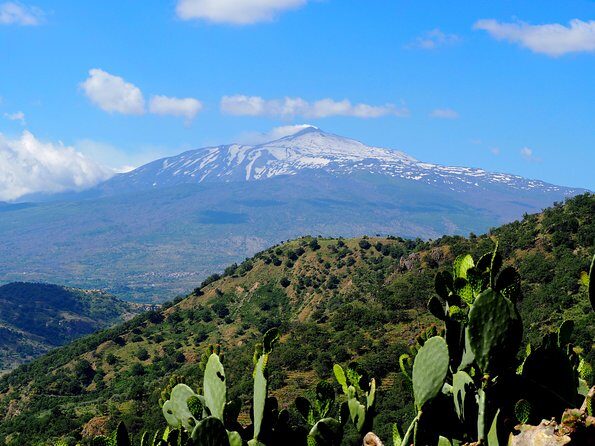
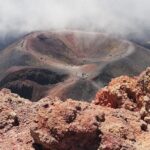
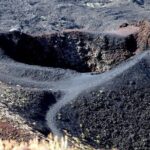
After the main Etna overview, the tour moves to the Craters Silvestri—specifically described as the spectacular lateral eruptive cones from the 1892 eruption. This is one of those stops where the shapes help you understand the volcanic process. Instead of a single peak event, you’re seeing how lateral activity can build cones and alter the terrain around the volcano.
This stop is shorter, around 30 minutes, so it’s not a long lecture. It’s more like a guided “look and interpret” moment: what you see in the ground and sides is the clue. If you like geology but hate museums that feel like homework, you’ll probably enjoy this part because the setting does most of the teaching.
Grotta Intraleo: Lava Tubes You Can Actually Walk Through
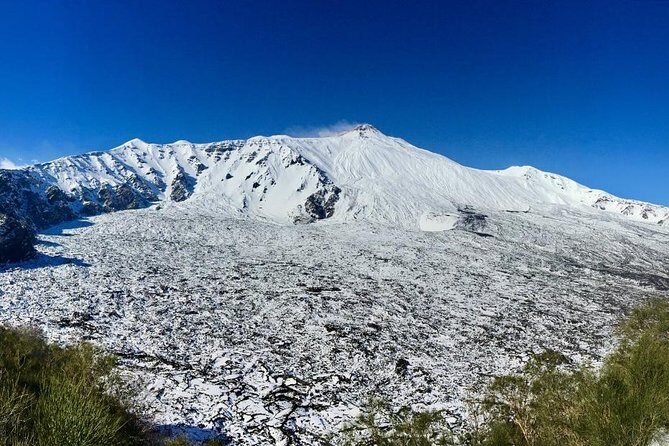
Next up is Grotta Intraleo, with a cave visit that’s about 30 minutes. The key element here is the focus on lava tubes—the volcanic tunnels formed when molten lava flows and then drains away, leaving the inside pathways.
You’ll get a speleologist helmet and lights, and your guide helps you descend into the cave’s meanders. That gear is important because it changes the experience from an ordinary cave visit into a real “see the structure” moment. The cave time is short, but it’s one of the most memorable stops on Etna days like this, because it’s the volcanic side you can’t get from viewpoints alone.
One consideration: caves mean cool air and careful footing. Even with lights, it’s not the place for flimsy shoes or sloppy steps. You’ll want footwear with solid grip.
MontataGrande Farm: Lunch and Tastings on Etna’s Slopes
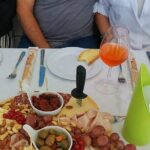
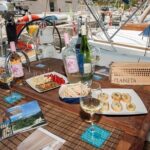
This is where the tour becomes more than a nature outing. At MontataGrande, you’ll do a tasting and lunch on the farm, around 1 hour. The tasting list includes wine, liqueurs, oil, Zafferana honey, sweet creams, salty pesto, and Bronte pistachio, among other local products.
What I like about this structure is that it gives you a reason to slow down. Half the day is about movement and altitude. Here, you’re seated and you can actually taste the culture that grows on Etna’s specific conditions. It also helps you connect the volcano to daily life: people don’t just survive near Etna, they build food traditions around it.
If you’re the type who thinks lunch is just a break, this farm stop is more than that. It’s a guided edible tour of what makes Etna agriculture distinct—especially the pistachio and honey items.
You can also read our reviews of more tours and experiences in Sicily
Valle del Bove: The Natural Amphitheater Effect
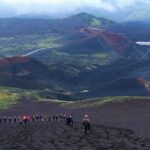
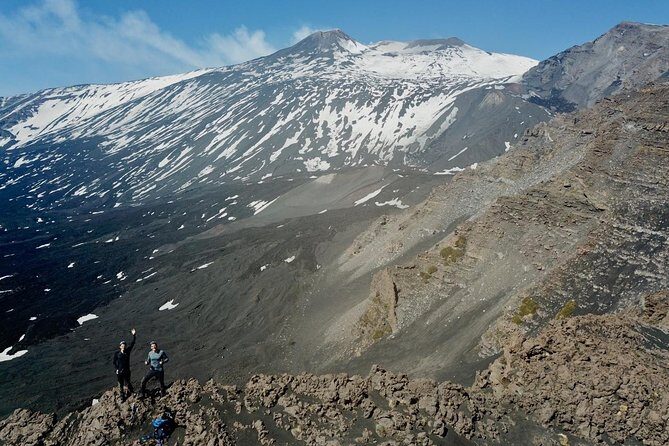
The day finishes with Valle del Bove, described as a volcanic amphitheater generated by the collapse of ancient eruptive centers. This is a classic Etna dramatic viewpoint, and it’s worth taking seriously even if you’ve seen photos before.
You get about 45 minutes here, which is enough time to take in the scale and watch how the terrain reads from different angles. The view works because Etna’s structure is not one simple shape. You’re seeing results of past activity that changed the volcano’s “stage” over time, including collapse features that create that open bowl feeling.
One practical tip: viewpoints can shift fast with weather and light. If clouds move in, you may still get good views, but plan to be flexible with timing and camera angles.
Transportation, Footwear, and Comfort Tips That Matter
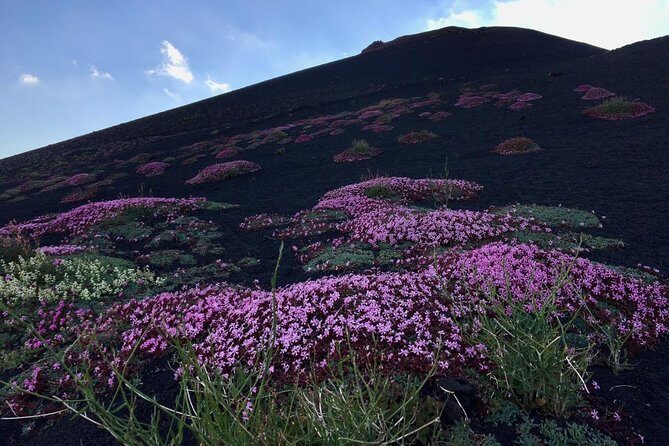
This tour includes an air-conditioned vehicle, plus what’s described as a visit of three sides of the volcano. You’re not spending all day in a bus, but you also shouldn’t expect to navigate everything on foot.
Footwear is the big real-world issue. Closed or trekking shoes are compulsory, and rental may be available for hire. If you’re bringing your own, focus on grip and comfort over looks. A short fall on volcanic rock or in a cave is still a fall.
Your fitness level should be moderate. The trek is around 8–10 km, which means you’re not just “strolling.” It’s long enough that you’ll want to pace yourself and avoid turning it into a sprint. The upside: once you’re warmed up, Etna’s views make the effort feel justified.
Weather is also a hard factor. The experience requires good weather, and if it’s canceled due to poor conditions, you’ll be offered another date or a full refund. That’s not a “maybe”—it’s something you should check the day before if you’re planning other activities around the tour.
Pickup is offered, but there’s an extra shuttle option. The main start is at MontataGrande in Trecastagni, and the shuttle pricing depends on where you’re coming from. If you’re staying near Catania or Acireale/Giarre, the shuttle may be simpler, and payment for the shuttle service is made to the driver.
Value for $168.19: Why This Adds Up
At $168.19 per person, this isn’t the cheapest Etna outing. But when you look at what you actually get, the cost starts to make sense.
You’re paying for:
- A morning trek of about 8–10 km
- An afternoon 4×4 experience
- A volcanic cave visit with helmet and lights
- Lunch plus a farm tasting featuring multiple Etna and Sicilian products
- Vehicle support and a route designed to hit multiple sides of the volcano
Many cheaper tours either cut down the food, shorten the active parts, or skip the cave component. Here, lunch and tastings are built into the day, not added as a last-minute option. That’s real value if you’d otherwise be hunting for a meal after a long hike.
Also, the small group cap of 8 travelers can quietly save you time and stress. On volcanic terrain, being one of many can mean long waits and slower pacing. In a smaller group, you tend to move more smoothly and get more attention when needed.
Finally, this is offered in English and uses a mobile ticket, which reduces friction on the day itself.
Who This Tour Fits Best (And Who Should Rethink It)
This is a great match if you want Etna with real variety: trekking, 4×4, crater viewpoints, a lava-tube cave, and a farm lunch that doesn’t feel like an afterthought. The vibe also seems to be guided and human, with reviewers highlighting how Sebastían explains Etna and stays relaxed and attentive.
It’s especially good for:
- People who can handle a moderate trek (not a couch-to-volcano day)
- Anyone who wants more than just viewpoints—caves and agriculture included
- Travelers who like small groups and clear guidance, not rushing
You might want to rethink it if:
- You’re uncomfortable with long walks around 8–10 km
- You don’t have suitable trekking footwear and don’t want to rent
- You’re very sensitive to cold or uneven surfaces (the cave and volcanic ground are not flat and polished)
Should You Book Etna Grantour?
If you’re choosing between a basic Etna sightseeing trip and something more active, this one leans toward the active-but-managed side. The combination of trek + 4×4 + cave + farm lunch gives you a full picture of Etna without making the day feel like chaos.
I’d book it if you:
- Want a structured day with multiple volcanic experiences
- Appreciate lunch that’s part of the plan (tasting included)
- Like the idea of a small group with a guide who takes time to explain
I’d skip or switch to a lighter option if you’re not ready for a moderate fitness demand or if you’re traveling with footwear issues. But if you can meet the basics—good shoes, realistic pace, and flexible weather expectations—this is the kind of Etna day that tends to earn a strong recommendation.
FAQ
How long is Etna Grantour?
It runs for about 9 hours (approx.).
What’s included in the tour price?
The tour includes an air-conditioned vehicle, a visit of three sides of the volcano, morning trekking (about 8–10 km) plus a 4×4 afternoon tour, a volcanic cave visit with speleologist helmet and lights, and lunch with tastings of typical Etna products from the farm.
Do I need tickets for the stops?
The provided stop details list admission tickets as free for the Mount Etna stop, the Silvestri craters, Grotta Intraleo, and Valle del Bove.
Are pickup and transportation included?
Pickup is offered, but private transportation is not included. A shuttle service is available for an extra fee, and the tour starts at MontataGrande in Trecastagni, with the tour ending back at the meeting point.
What footwear do I need?
Closed or trekking shoes are compulsory. Rental of trekking shoes may be available for hire.
Is the tour suitable for beginners?
It’s meant for travelers with moderate physical fitness level. The morning trekking portion is about 8–10 km, so a beginner should be prepared for a real walking day.
Is this tour affected by weather?
Yes. The experience requires good weather. If it’s canceled due to poor weather, you’ll be offered a different date or a full refund.