REVIEW · SICILY
Dolphin Watching & Conservation – Dolphins in the Gulf of Catania
Book on Viator →Operated by Marecamp · Bookable on Viator
You’re chasing wild dolphins with a science-minded crew. This Marecamp trip pairs low-speed search in the Gulf of Catania with a marine biologist, dolphin recognition cards, and an ACCOBAMS-style focus on good conduct around animals. And yes, the volcano often steals the show in the background.
I especially like how they build the experience around species recognition, not just sightseeing. You get binoculars plus recognition cards so you can actually connect what you’re seeing to what the team catalogs out on the water.
One thing to think about: this is a small-boat day with limited shade, and the boat setup can be basic (bring sunscreen, and if you’re traveling with kids, plan to check lifejacket sizing).
In This Review
- Key Things That Make This Tour Worth Your Time
- Eco-Friendly Dolphin Watching That Feels Like Fieldwork
- Price and Value: What You’re Paying For
- Getting Ready at the Catania Marina (and Why Timing Matters)
- Small-Boat Sailing: Comfortable, But Bring Sun
- The Gulf of Catania Search: Slow Speed, High Focus
- Dolphin ID Cards: Learning What You’re Seeing
- Stop by Stop: Aci Trezza, Aci Castello, and the Etna View Thread
- Aci Trezza: Rock Formations and a Classic Dolphin-Watching Area
- Aci Castello: More Coastline Options for Spotting
- Mount Etna in the Background: The Sicily Bonus
- Catania: The Home-Base Coast Vibe
- How the Tour Handles Sightings (and Why That Matters)
- What to Expect If Dolphins Do Not Show Up
- Best For: Who This Tour Fits
- Should You Book This Dolphin Watching Tour with Marecamp?
- FAQ
- How long is the dolphin watching tour?
- Where does the tour start, and what time is it?
- What’s included in the price?
- Is the tour offered in English?
- How many people are on the tour?
- What happens if poor weather cancels the trip?
Key Things That Make This Tour Worth Your Time
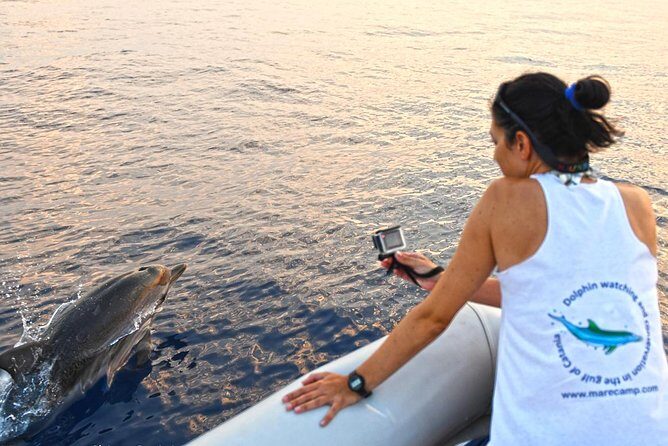
- Marine biologist guidance to help you identify local cetaceans by name and behavior
- Dolphin recognition cards + binoculars so you learn as you watch
- ACCOBAMS-style good conduct to reduce disturbance while you observe
- Low cruising speed search with patience while the team scans for sightings
- Etna in the background as you sail key parts of the Catania coast
Eco-Friendly Dolphin Watching That Feels Like Fieldwork
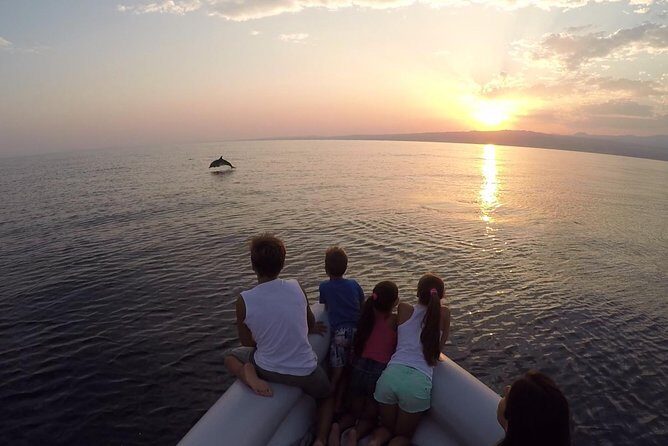
If you’ve ever watched a nature tour where the wildlife becomes a prop, this one works differently. The Dolphin Watching & Conservation outing with Marecamp is set up as a conservation-minded experience: you’re out there to observe, learn, and support monitoring rather than chase thrills.
The tour runs about 3 hours and keeps group size small, with a maximum of 10 travelers. That matters. In a smaller group, you don’t feel like you’re packed around a focal point. You also tend to get more time for questions and for the team to explain what they’re noticing.
Most departures aim for a dolphin sighting, and the stated chance is around 80%. Even then, the sea has its own rules, and the trip is designed with that in mind: slow search, careful behavior, and the team’s knowledge of where to look in the Gulf of Catania.
You can also read our reviews of more dolphin watching tours in Sicily


Price and Value: What You’re Paying For
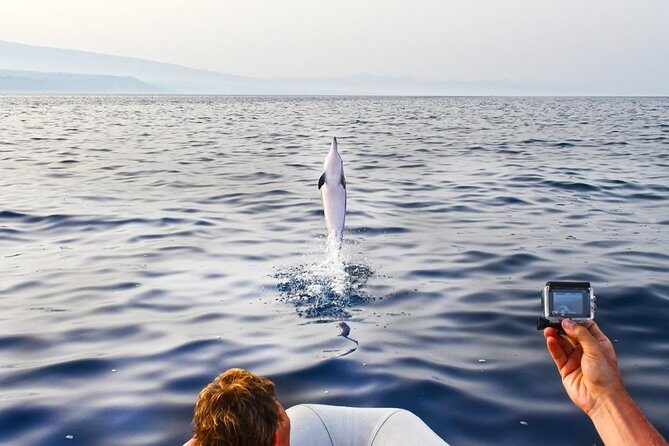
At $84.48 per person, you might wonder what justifies the price. Here’s the practical breakdown of why it’s not just a short boat ride:
- You’re paying for a guided search by a skipper plus a conservation-minded team member who brings marine education into the mix.
- Your gear is included: binoculars and cetacean recognition cards.
- The outing includes the boat rental (dinghy/motor boat/sailboat depending on passenger count) plus fuel, with safety equipment and life jackets for everyone.
- The experience is explicitly tied to dolphin watching good conduct and conservation support, including an ACCOBAMS Whale Watching mark claim.
In other words, the value is in the combination: learning tools + trained spotting + time spent on the water at a pace that matches wildlife behavior.
Getting Ready at the Catania Marina (and Why Timing Matters)
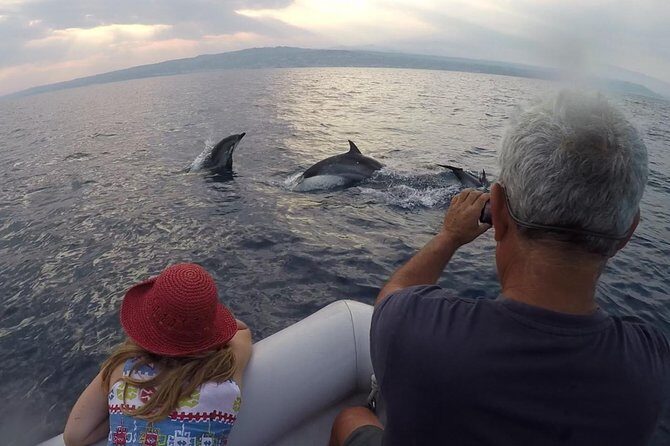
The tour starts at 9:00 am at Meeting Point 2: MareCamp / presso Club Nautico Catania, Via Cardinale Dusmet, 95100 Catania. It ends back there.
This matters for two reasons. First, morning light in the Gulf can make spotting easier. Second, on a small-boat experience, you want your bearings fast.
One practical note from real-world experience on this kind of tour: marina addresses can sometimes shift during repairs. I’d treat the meeting location like a “show up early” situation. Aim to arrive a bit before 9:00 so you can confirm exactly where the crew will board.
Also, the tour is offered in English, and you’ll receive a mobile ticket. Service animals are allowed, and the meeting point is near public transportation.
Small-Boat Sailing: Comfortable, But Bring Sun
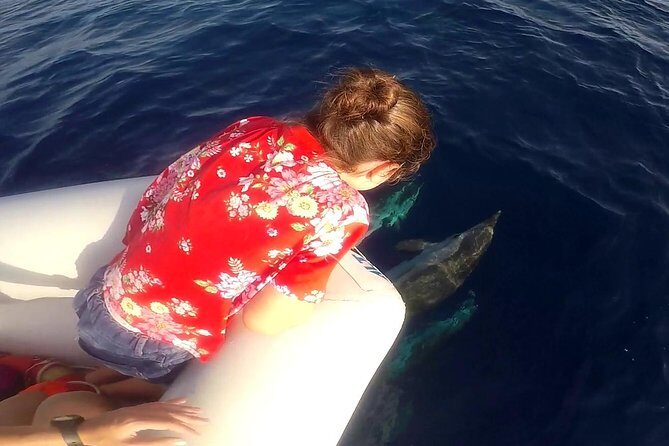
You should expect a day on the water with a boat that’s designed for searching close to where animals appear. The tour uses boats in the 7.20 m or 11 m range depending on how many people are going.
Two comfort truths to plan for:
- You may have little or no shade. One traveler noted their zodiac had no shade, so sunscreen really mattered.
- Lifejackets are provided, but sizing can be inconsistent for kids on some boats. If you have young passengers, do a quick check-in so everyone has something that fits properly before you push off.
Pack for sun and sea spray: sunscreen, sunglasses, a hat, and water. If you get motion-sensitive, consider taking a travel remedy before you board.
The Gulf of Catania Search: Slow Speed, High Focus
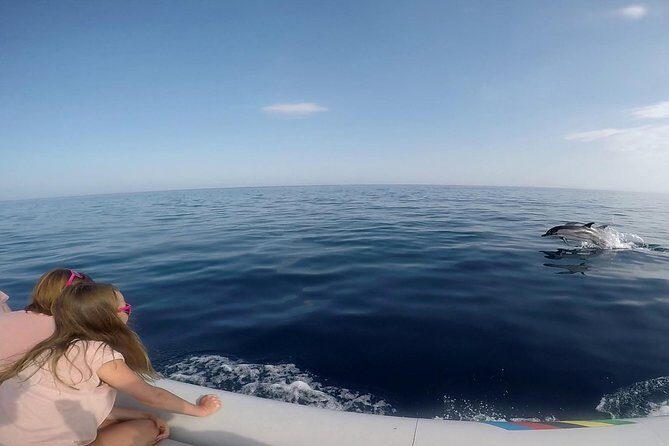
The core rhythm is simple: you leave port, then you scan the horizon and sail at low cruising speed until you find local cetaceans. The guides use local knowledge and the day’s observations to decide where to look next.
Here’s what you’ll actually feel out there:
- There’s a calm pace that gives you time to watch patterns, not just flashes.
- The team’s explanations help you stop guessing and start noticing behavior.
- Once dolphins are located, you’ll likely get a moment to photograph and record while the crew manages the distance and interaction.
This is also where the “conservation” angle becomes real. The tour states they use an international code of good conduct to minimize disturbance, and they refer to an ACCOBAMS Whale Watching mark standard. That’s not marketing fluff if you’re paying attention to how the crew behaves when animals appear: fewer unnecessary moves, more controlled positioning, and more emphasis on observation.
On some outings, you may also get a science bonus such as listening on a hydrophone to hear dolphin activity. It’s a great way to turn a visual moment into a multi-sense experience.






Dolphin ID Cards: Learning What You’re Seeing
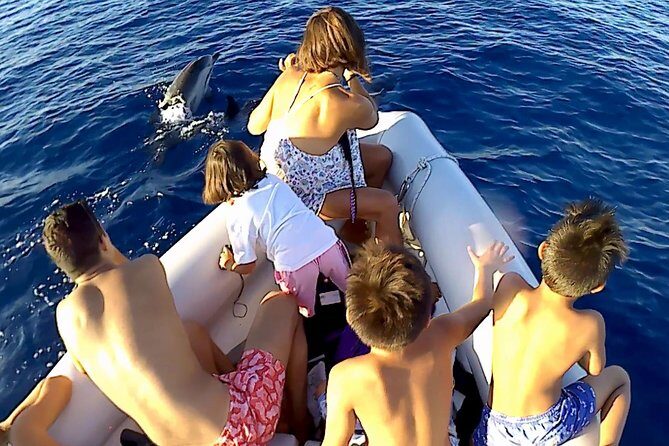
One of the best parts is the learning system they give you. Instead of telling you to simply hope for dolphins, the tour helps you recognize them.
You get:
- Cetacean recognition cards
- Binoculars to spot details at distance
- A briefing on the monitored area and local species
In practical terms, this turns your trip into an “I can name what I saw” souvenir. Dolphins aren’t all identical at a glance. Behavior, shape, and movement style can matter, and the cards plus guidance help you connect those dots quickly.
You’ll also learn why certain behaviors show up when dolphins are feeding, traveling, or socializing. That helps your photos too. You’re not just shooting “dolphins,” you’re capturing moments you can explain.
Stop by Stop: Aci Trezza, Aci Castello, and the Etna View Thread
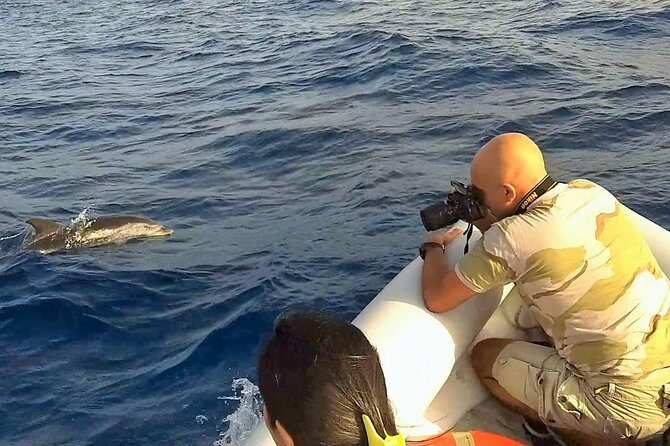
The tour route centers on parts of the Catania coastline where wildlife sightings often happen. The plan includes key stops like Aci Trezza and Aci Castello, plus time with Mount Etna in view. Depending on the day, the sailing may cover additional coastal areas such as Brucoli, Ognina, Santa Tecla, Santa Maria La Scala, Stazzo, Riposto, or even Taormina.
Here’s how those stops tend to feel for you on the water:
Aci Trezza: Rock Formations and a Classic Dolphin-Watching Area
Aci Trezza is a strong starting point for this kind of search because it’s the kind of coastline where you can expect the sea to hold activity. You’ll be scanning for movement and surface behavior rather than expecting instant results.
If you’re one of those people who needs action every five minutes, this part can be an adjustment. The crew keeps the pace controlled, and sometimes you’ll wait. The payoff is that when dolphins do appear, you’re positioned well to observe without chaos.
Aci Castello: More Coastline Options for Spotting
Aci Castello adds another coastal “angle” to the day. From a viewer’s perspective, it means more chances to find a concentration of dolphins as the team follows the cues they’re watching for.
This stop also helps keep the trip from feeling like one long stretch in a single direction. You get that sense of moving through the Gulf with purpose.
Mount Etna in the Background: The Sicily Bonus
Etna isn’t just a famous photo spot. On the water, it becomes a visual anchor: volcano behind you while you search for living wildlife in the same frame.
That contrast is what makes the trip feel distinctly Sicilian. You’re not in a themed aquarium day. You’re seeing animals in the same region defined by geology, sea, and weather.
Catania: The Home-Base Coast Vibe
Catania marks the “near enough to be real” end of the experience. You start and end around the marina, and you sail along a coast where the region’s daily life stays close by.
This is ideal if you’re combining dolphin time with other Sicily plans. The tour is short enough to feel like a special morning or early outing, not a full-day commitment that eats everything else.
How the Tour Handles Sightings (and Why That Matters)
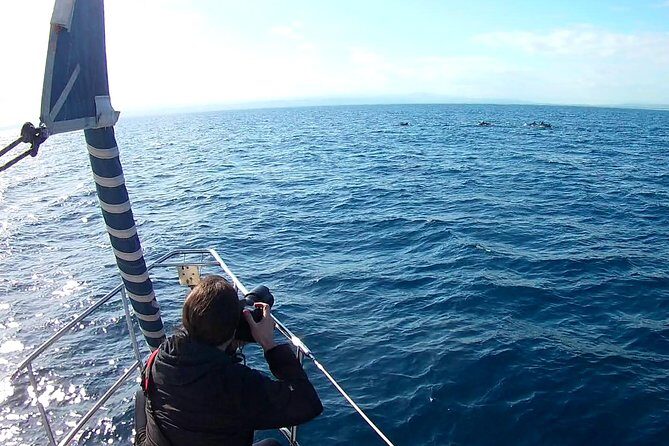
When dolphins are found, the crew’s job is to balance your experience with the animals’ needs.
The trip description specifically emphasizes:
- Controlled behavior when dolphins appear
- Following a code of good conduct during sightings
- Minimizing disturbance while still giving you time to observe and photograph
In plain terms, you should expect the crew to keep decisions tidy rather than crowd animals. That keeps the experience more enjoyable for you and more ethical for the wildlife.
Some guidance can include introducing you to dolphins by name from a catalog the team has researched. That’s a neat detail because it reframes the animals from “random dolphins” into individuals the team knows.
And yes, you may feel that emotional undercurrent when a sighting is exceptional. One guide named Carla was noted in feedback as being moved by rare, big group sightings. That kind of enthusiasm often comes with serious attention to behavior, not just excitement.
What to Expect If Dolphins Do Not Show Up
Even with a strong odds target, there’s always a chance of no sightings. The tour is designed for patience and search, and that’s part of the deal with wild animals.
From a realistic standpoint:
- The sea conditions matter.
- Dolphins don’t always show on schedule.
- The crew can’t force wildlife to appear.
If you go in expecting perfect odds, you’ll feel better. If you go in ready to learn and enjoy the boat ride and Etna views even without a sighting, you’ll likely walk away satisfied.
Best For: Who This Tour Fits
This experience is a great match if you want:
- Wild dolphin watching with a conservation focus
- Small-group sailing (up to 10)
- Real learning tools like recognition cards and binoculars
- A calm, guided search rather than a loud chase
It’s also a strong pick for people who care about ethics. The tour doesn’t hide its mission: it highlights minimizing disturbance and references ACCOBAMS-style good conduct. It also points to research support and even a foundation linked to Marecamp that supports disadvantaged children.
If you’re the type who just wants the fastest possible “big animal” moment with zero waiting, you might find the slow scanning frustrating. But if you’re okay with calm patience, this feels like a better way to do wildlife viewing.
Should You Book This Dolphin Watching Tour with Marecamp?
I’d book it if your priority is wild dolphins plus actual learning. The recognition cards and binoculars turn the experience into something you can remember with context, not just photos. The small-group size makes it easier to stay focused, and the explicit good-conduct approach is a green flag for anyone who doesn’t want wildlife treated like an attraction.
Skip it only if you know you can’t handle waiting on the water or you’re set on guaranteed sightings. Wild dolphin trips come with nature’s unpredictability, and this one is honest about the odds.
If you’re traveling to Sicily and want a morning that blends Etna views with a conservation-minded boat day, Marecamp’s Gulf of Catania dolphin watching is a very solid choice.
FAQ
How long is the dolphin watching tour?
It lasts about 3 hours.
Where does the tour start, and what time is it?
It starts at Meeting Point 2 MareCamp, near Club Nautico Catania on Via Cardinale Dusmet in Catania, at 9:00 am.
What’s included in the price?
Binoculars and dolphin recognition cards are included, along with the skipper and guide, safety equipment and life jackets, a briefing on cetaceans and the monitored area, the boat rental, and boat fuel.
Is the tour offered in English?
Yes, it is offered in English.
How many people are on the tour?
The tour has a maximum of 10 travelers.
What happens if poor weather cancels the trip?
If the experience is canceled due to poor weather, you’ll be offered a different date or a full refund.