REVIEW · SICILY
Course of Arancini and Almond Paste in Catania
Book on Viator →Operated by Futuro e Lavoro · Bookable on Viator
Nothing beats learning Sicilian food by hand. This Catania course has you making almond paste and arancini, then tasting it all in a relaxed meal with Sicilian drinks. It’s built for small groups, taught in English, and designed for you to take the skills home.
I especially like that the lesson focuses on two iconic items, not just one. You’ll learn the almond-paste method (no milk needed), and you’ll also work on arancini using typical Sicilian products. One thing to consider: it runs for about 2.5 hours, so it’s not a full-day deep workshop—great for a taste of cooking, but you won’t leave with a kitchen career.
In This Review
- Key Highlights You Can Plan Around
- Catania’s Cooking Lesson That Ends With a Real Meal
- What You’ll Learn: Arancini and Almond Paste, Hands-On
- Arancini: Street Food Familiarity, Local Ingredients
- Almond Pastes: A Soft Dessert You Can Repeat at Home
- The Sicilian Almond Paste Twist: Lactose Intolerance Included
- Your Chef and the Lab Setup: Small Groups, Real Guidance
- The Finish: Light Lunch or Dinner With Sicilian Wine and Limoncello
- Wine and Limoncello Pairing Logic
- Timing: About 2.5 Hours Total
- Price and Value: What You’re Actually Paying For
- Who This Class Suits Best (and Who Might Want Something Else)
- Should You Book This Catania Course?
- FAQ
- What is included in the Arancini and Almond Paste course?
- How long is the experience?
- Is the course offered in English?
- Is the almond paste suitable for lactose intolerance?
- How many people will be in the class?
- What happens if the weather is poor?
Key Highlights You Can Plan Around
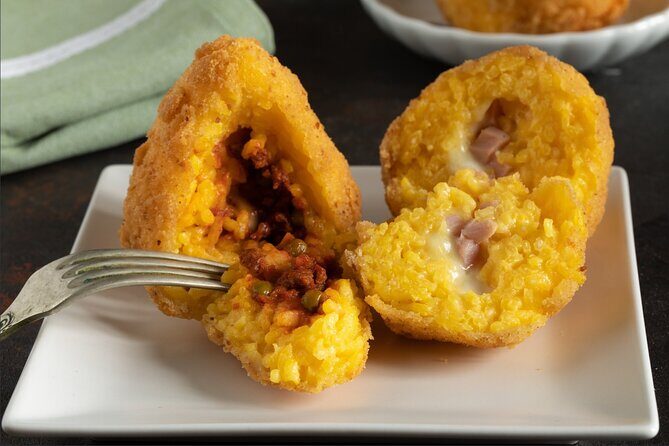
- Two Sicilian icons in one class: arancini plus almond pastes, with what you make served at the end
- Lactose-intolerant friendly: almond paste is made with an almond base and has no milk or milk derivatives
- Small-group pace: the class runs from 2 up to a maximum of 12 (with a practical cap of 14 travelers)
- Chef-led, hands-on work: you use professional kitchen equipment in an equipped laboratory
- A proper sit-down finish: a light lunch or dinner with Sicilian red wine and limoncello
- Convenient start point: Via Cervignano 42, near the GALATEA and ITALIA subway stops
Catania’s Cooking Lesson That Ends With a Real Meal
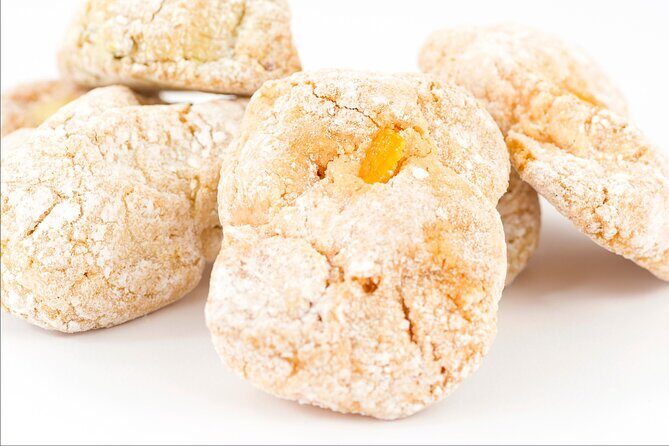
If you want Sicilian food that feels personal, this is a smart pick. You’ll spend about 2 hours 30 minutes in a real cooking setup, learning how to create almond paste and arancini with typical local products. Then you eat what you made—so the class doesn’t stop at instruction.
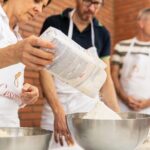
I like that the experience is designed like a mini evening plan, not a rushed demo. You’re in an equipped laboratory with professional kitchen equipment, and the group stays small enough that you’re not just watching. Plus, the course is offered in English, so you won’t be stuck guessing what’s happening.
One more practical note: the schedule is weather-dependent. If conditions are poor, the experience may be moved or refunded, so it’s worth not booking the very last hour of your trip.
You can also read our reviews of more tours and experiences in Sicily.


What You’ll Learn: Arancini and Almond Paste, Hands-On
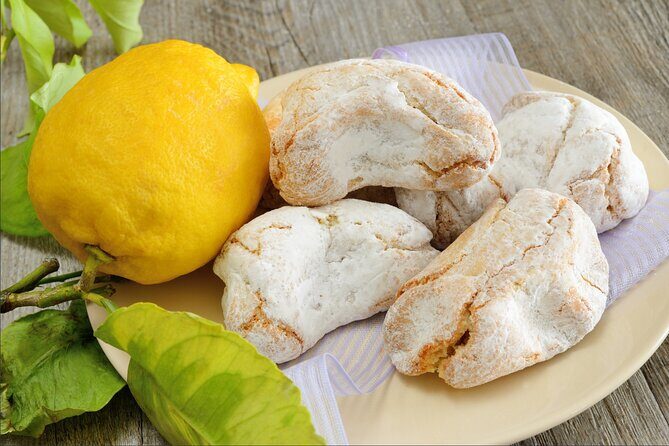
This course is built around making two foods you’ll see across Sicily, especially in Catania—arancini and almond pastes.
Arancini: Street Food Familiarity, Local Ingredients
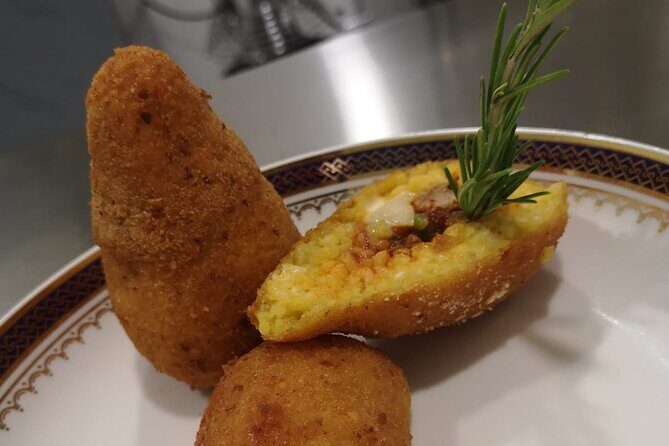
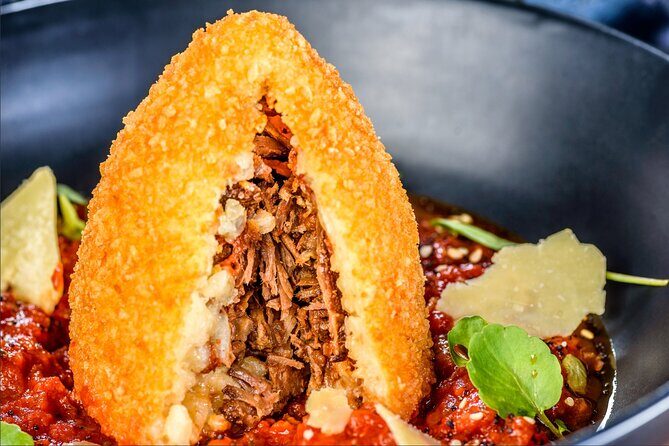
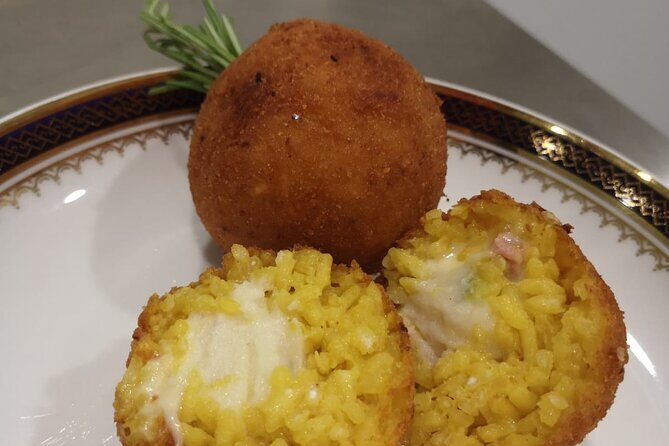
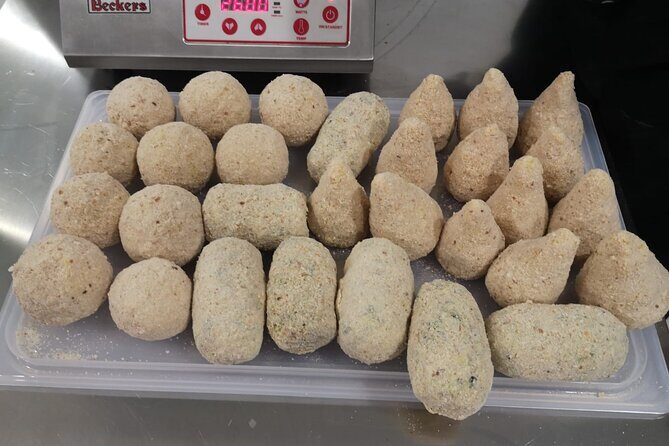
For the arancini portion, you’ll make them using typical Sicilian products. That matters because arancini aren’t just a fun shape—they’re a street-food tradition with strong local identity. In a class setting, you get to focus on technique and feel, rather than trying to copy something from a photo.
During the session, you’ll be guided step-by-step by the chef and the team, working in the lab with the proper tools. You’ll finish the lesson by tasting the arancini you helped prepare as part of the meal.
Almond Pastes: A Soft Dessert You Can Repeat at Home
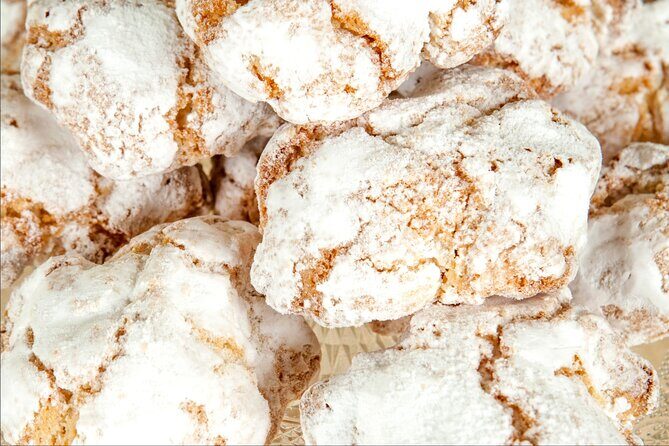
Almond pastes are one of Sicily’s signature sweets. Here, the class emphasizes the almond base and the texture—soft, dessert-ready, and meant for everyday occasions as well as special ones.
The practical value for you is what you can take home. The experience is described as something you can replicate at home, which usually means you’ll leave with a clearer understanding of proportions and method, not just a finished cookie moment.
The Sicilian Almond Paste Twist: Lactose Intolerance Included
One reason I’m drawn to this dessert lesson is that it’s built to be lactose intolerant friendly. The almond pastes are described as having a total absence of milk and derivatives. That’s not a vague claim; it’s stated directly as part of what you’re learning and tasting.
So if dairy usually makes sweets a gamble, you’re in better shape here than with many desserts. You can also think of this as more than a dietary checkbox. Almond paste is a Sicilian symbol, and the class helps you understand why it’s served with coffee or tea—so you can recreate the vibe, not only the flavor.
If you have other allergies, the course instructions encourage you to list food allergies or intolerances. That’s the best way to make sure your plan matches your needs.



Your Chef and the Lab Setup: Small Groups, Real Guidance
What makes cooking classes worth paying for is whether you can actually work. This one sets you up for that with a kitchen lab and professional equipment.
The course runs for a minimum of 2 people and a maximum of 12, and it has an overall cap of 14 travelers. Translation for your planning: you get more attention than you would in a large group, especially if you’re new to cooking or feel self-conscious. In the class atmosphere, that smaller size shows up in how people describe the experience—helpful, informative, and practical.
Chef Simona Salerno is named in the feedback, and her role is highlighted as both informative and very helpful. That’s exactly what you want in a hands-on lesson: you want someone who can explain and troubleshoot while you’re working, not just present the final result.
Language support also helps. The class is offered in English, which makes a big difference when you’re trying to follow cooking steps and timing.
And because the meeting point is close to public transit—near the GALATEA and ITALIA subway stops—you can build it into a Catania itinerary without stressing about parking or long transfers.
The Finish: Light Lunch or Dinner With Sicilian Wine and Limoncello
This is where the class feels like a full experience instead of a quick activity. At the end, you taste what you prepared under the guidance of the chef, and you’ll sit down for a light lunch or dinner.
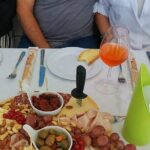
You’ll eat street-food style arancini made with typical Sicilian products, along with typical Sicilian almond pastes. The meal also includes an excellent bottle of Sicilian red wine and a glass of limoncello.
Wine and Limoncello Pairing Logic
This part is smart because it ties directly to the flavors you just made. Sicilian red wine brings a warm, savory backbone that matches hearty street food like arancini. Limoncello adds brightness, which is a natural partner to almond sweets and coffee or tea traditions.
So you’re not only learning flavor—you’re experiencing the balance in the same session. That helps the memory stick, which is what you want if you plan to repeat the recipes later.
Timing: About 2.5 Hours Total
Because the duration is around 2 hours 30 minutes, you’ll leave with a satisfying meal but still have time for other Catania plans. The experience ends back at the meeting point, which makes evening logistics simple.
Price and Value: What You’re Actually Paying For
At $114.88 per person, this isn’t a bargain snack. But it’s also not an overpriced “tourist food moment.” The value comes from what’s included:
- professional kitchen equipment and hands-on instruction
- typical Sicilian foods and ingredients used in the cooking
- a light lunch or dinner that includes Sicilian wine and limoncello
When I judge value, I look for three things: real instruction, quality ingredients, and a meal that justifies the time. This course checks all three. You’re not paying only for a meal—you’re paying for the skill-building that leads into the meal.
Also, the small-group format can be a big cost driver. If you’ve ever tried to learn to cook in a crowded environment, you know why that matters. Here, the group limits mean you should be able to participate rather than watch.
One more planning point: it’s booked on average 12 days in advance. If you’re visiting in peak season or on weekends, I’d treat this like a popular food experience and book early so you don’t end up scrambling.
Who This Class Suits Best (and Who Might Want Something Else)
This course is a strong match for you if:
- you want hands-on Sicilian cooking, not a lecture
- you’re interested in two icons—arancini and almond pastes—without bouncing around the city
- you want lactose-intolerant friendly dessert options (milk and derivatives are absent)
- you’d like a small-group format with English support
It’s less ideal if:
- you only want to sample food and don’t care about learning technique
- you’re looking for a very long session (this is about 2.5 hours)
- you need highly specialized dietary handling beyond what the chef can confirm through the allergy note
If you’re traveling with someone who loves food but doesn’t love cooking, this can still work—because you end up eating what you made. And for couples, the small-group dynamic is usually calmer and more fun than big group classes.
Should You Book This Catania Course?
I’d book it if you want a Catania food experience that has structure, teaches real methods, and still pays off with a proper meal. The standout is the combo: you learn an almond dessert that’s free from milk and milk derivatives, you make arancini with typical Sicilian products, and you finish by tasting your own work with Sicilian wine and limoncello.
Before you click confirm, do two quick checks:
- Make sure your schedule has about 2.5 hours plus the short walk or transit time to Via Cervignano 42 near GALATEA and ITALIA.
- If you’re traveling in a weather-sensitive part of the season, keep in mind the experience requires good weather, so have some flexibility.
If those points fit, this is one of those classes where you don’t just leave full—you leave with something you can actually cook again.
FAQ
What is included in the Arancini and Almond Paste course?
You’ll get use of professional kitchen equipment, typical Sicilian foods and products for the dishes, and a light lunch or dinner featuring what you prepared, plus Sicilian wine and limoncello.
How long is the experience?
The course is about 2 hours 30 minutes.
Is the course offered in English?
Yes, the experience is offered in English.
Is the almond paste suitable for lactose intolerance?
Yes. The almond pastes are described as having a total absence of milk and milk derivatives, which makes them suitable for lactose intolerance.
How many people will be in the class?
The course has a minimum of 2 and a maximum of 12 people, and it lists a maximum of 14 travelers.
What happens if the weather is poor?
The experience requires good weather. If it’s canceled due to poor weather, you’ll be offered a different date or a full refund.