REVIEW · CATANIA
COLORS , FLAVORS and SMELLS IN THE SCENIC BAROQUE of SICILY
Book on Viator →Operated by Sicily By Experts · Bookable on Viator
Sicily gets in your nose and on your plate. I love the mix of south-eastern baroque towns with a guided olfactory tasting experience, not just sightseeing. I also like that you get a proper local lunch of fish by the sea in Marzamemi. One possible drawback: the trip is built around private driving and long road time, so if you hate being in a van for stretches, plan snacks and a relaxed attitude.
This is a private, 2-day circuit that starts in Catania at 9:00 am and ends after Modica. You’ll spend one night in a 4-star charming hotel, with dinner on your own, then return for a second day focused on Scicli and Modica. The pace feels full-but-manageable for a moderate fitness level.
For me, the standout part is the sensory theme: you’re guided through unknown aromas and forgotten scents, then you end the day in Modica with chocolate-making traditions you can watch. It’s a smart way to see the Val di Noto area as more than architecture.
In This Review
- Key highlights you’ll actually feel
- Entering the south-eastern baroque loop: Val di Noto with a sensory twist
- Day 1 from 9:00 am: Marzamemi’s sea colors, then Portopalo’s slow southern edge
- Your 4-star base near Ragusa or Modica: sleep, recharge, and go your own way for dinner
- Day 2 in Scicli: baroque streets plus an olfactory journey in a greenhouse space
- Modica’s baroque streets and chocolate-making: why scent and sugar belong together
- Food focus: fish lunch, tastings, and how to plan your appetite
- Who leads this trip, and why that matters for the details
- Price and logistics: what $1,388.18 per person is really paying for
- Practical considerations: clothing, fitness, and the pace of a private circuit
- Should you book this Marzamemi–Scicli–Modica scent tour?
- FAQ
- How long is the tour?
- What’s included for meals?
- Do I need to pay entrance fees for monuments?
- Is a vegetarian option available?
- What about the guide—will there be a local licensed guide?
- Is the tour suitable for children?
Key highlights you’ll actually feel
- Marzamemi by the water: an Arabic-origin fishing village walk and a local fish lunch in a seaside taverna
- Portopalo di Capopassero at the southeast edge of Sicily: slower, quieter atmosphere near Capo Passero
- An olfactory journey in a nursery-like event space: unknown aromas paired with recipes, tastings, and aperitifs
- Scicli’s late baroque buildings in the Val di Noto World Heritage area
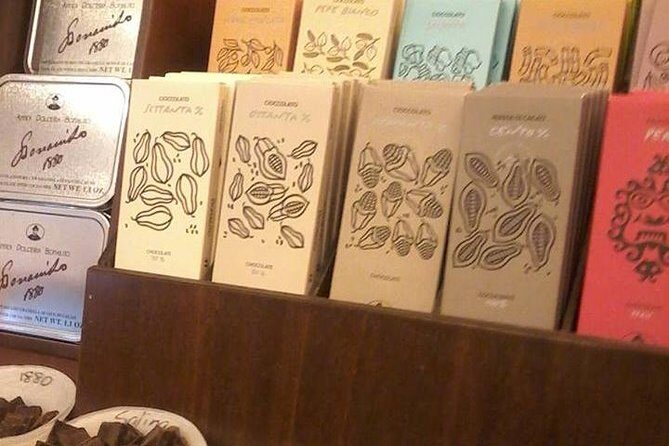
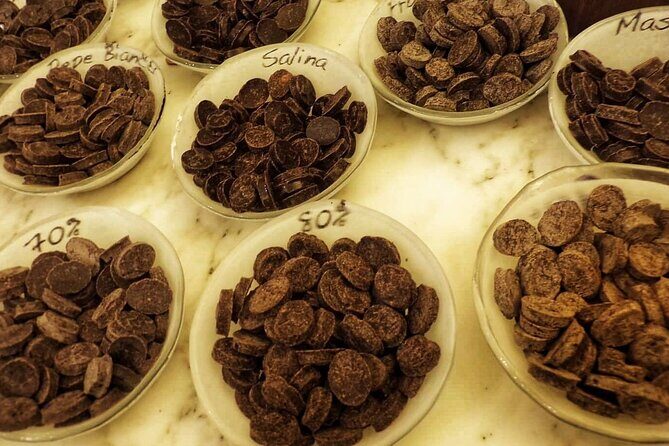
- Modica’s chocolate tradition: watch chocolatiers at work and taste local specialties made the traditional way
- Private door-to-door comfort: air-conditioned minivan plus pickup and drop-off from designated points
Entering the south-eastern baroque loop: Val di Noto with a sensory twist
Most baroque tours in Sicily focus on façades and photos. This one gives you a reason to slow down, because it mixes architecture with scent and food as part of the “how it feels” experience. The result is more memorable than a checklist of churches.
You’ll be moving through UNESCO-linked territory in the south-east, where late baroque is part of the landscape of daily life. Scicli and Modica aren’t just pretty; they’re urban shapes built into the area’s light, stone tones, and hillside settings. And because the day includes tastings and an olfactory activity, you’re not just looking—you’re also experiencing.
One practical note: the tour is private (only your group), but there’s a minimum of 2 people per booking. If you want this for a single person, you’ll need to confirm how the provider handles it.
You can also read our reviews of more tours and experiences in Catania.
Day 1 from 9:00 am: Marzamemi’s sea colors, then Portopalo’s slow southern edge
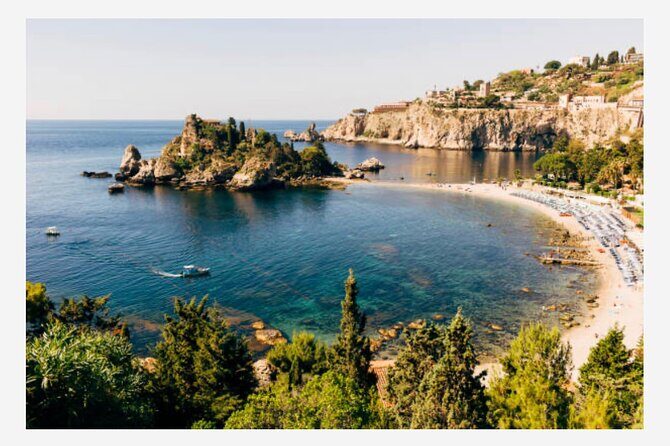
Your morning starts with pickup in Catania and a 9:00 am departure. The first stop is Marzamemi, a small seaside fishing village of Arabic origin. Even before lunch, the village is about old shapes and original colors, plus the sense that fishing processing is more than an industry—it’s a tradition passed down through Phoenicians, Greeks, Romans, and Arabs.
You’ll walk along the sea while the story stays grounded in food and work. Then comes the best kind of “pre-lunch bonus”: you reach a small taverna facing the water, where you can enjoy a local fish lunch. The lunch matters here because it sets the tone for the rest of the trip—this area is coastal, seasonal, and practical, not staged.
After Marzamemi, the route continues south toward Portopalo di Capopassero, at Sicily’s very southeast corner. It’s described as an outpost near the Mediterranean and Africa, and time seems to move differently there. The village still lives from fishing and agriculture, which is exactly why it works as a mood reset after busier towns.
A small drawback to expect on Day 1: you’re traveling from one distinct setting to another—seaside village to far-south tip to the Ragusa or Modica area for your hotel. If you’re sensitive to motion or long drives, bring water (it’s included) and keep your plans flexible.
Your 4-star base near Ragusa or Modica: sleep, recharge, and go your own way for dinner
At the end of Day 1, you’ll check in at a 4-star charming hotel. The tour description notes you’ll continue to Ragusa or Modica, which is where your overnights tend to be positioned, so you’re not crammed back into the far-from-it driving.
Breakfast is included, and that’s a real value on a trip like this. The second day is more structured with visits, tasting, and lunch—so a full breakfast helps you enjoy the day instead of just getting through it.
Dinner is on your own. I like this setup because it gives you freedom to eat simply and locally without feeling trapped by a schedule. If you want one plan that works, choose a nearby spot and keep it easy—your day involves sensory experiences later, not late-night sightseeing marathons.
Day 2 in Scicli: baroque streets plus an olfactory journey in a greenhouse space
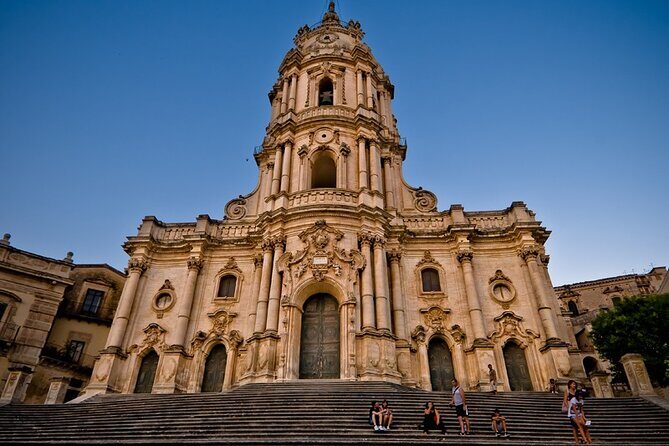
Day 2 starts again with pickup and escort/driver. First up: Scicli, in the south-eastern part of Sicily close to the sea. Scicli is part of the World Heritage context for the Val di Noto area, and the reason it’s special is the scale and unity of its late baroque buildings—stone façades that feel designed for the local light.
Then you’ll move to a nursery setting between Scicli and the sea. This is where the tour becomes its most unusual self: you’ll be guided through an olfactory journey made of unknown aromas and forgotten scents. It’s set in an event space created in greenhouses, which matters because it changes the feeling of the tasting—less “classroom,” more “you’re doing this.”
You get instructions-for-use, recipes, and tastings, plus aperitifs as part of the experience. I like this approach because it forces your brain to connect scent to interpretation. You’re not just smelling randomly; you’re using guided prompts to notice what each aroma suggests and how it pairs with food.
Then lunch happens on-site as part of that program. For a lot of food tours, the meal is an afterthought. Here, the lunch and tastings are the point, so you’ll want to treat lunch as a slow moment, not fuel before rushing out.
Modica’s baroque streets and chocolate-making: why scent and sugar belong together
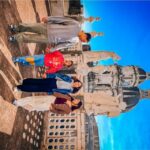
After lunch, you’ll head into Modica, another UNESCO World Heritage site. Modica is famous for its terraced narrow alleys and how the town sits integrated into the surrounding hills and valleys. The tour describes it as an open-air museum—and it’s hard to explain until you’re walking and realizing the streets are part of the architecture.
But this tour doesn’t stop at visuals. Modica also needs to be smelled: local baking shops and chocolatiers working, jasmine in warm seasons, and the overall perfume of a town where ingredients have daily rhythms. That’s a big reason the olfactory theme from Scicli continues smoothly here.
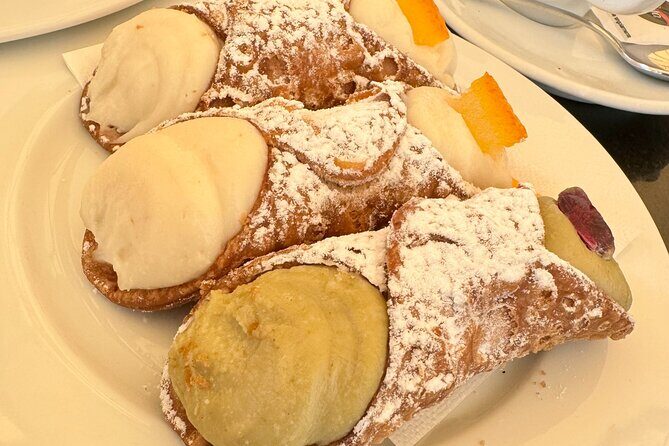
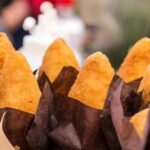
For the true chocoholic moment, you can watch chocolatiers at work. The description ties the chocolate tradition to Aztec methods and old recipes. That detail matters for value, because it means the tasting isn’t only about sweetness—it’s about a historic technique still in motion today.
If you’re deciding what to prioritize in Modica, I’d put chocolate-making viewing high. It’s the one activity that takes you from tasting to understanding the craft, and it gives you something to remember that goes beyond a photo.

Food focus: fish lunch, tastings, and how to plan your appetite
You’ll get more than one eating moment, and they’re different styles.
- Marzamemi fish lunch: local fish served in a taverna by the sea
- Scicli olfactory experience lunch: built into the sensory program, with tastings and aperitifs
- Chocolate factory taste: included, plus the chance to watch the process
The tour also includes bottled water, which sounds basic but saves you from turning a full sensory day into a constant drink hunt. If you have diet needs, the provider says a vegetarian option is available if you advise at booking. That’s important for planning; don’t wait until the last minute.
Because tastings and aperitifs are part of the Scicli segment, I suggest you avoid arriving starving. A proper breakfast helps you enjoy the aromatics without feeling rushed or overwhelmed by salty-sweet combinations.
Who leads this trip, and why that matters for the details
The experience is guided by a driver/guide or tour escort/host. The description is clear that the drivers are not licensed local guides, so you’ll get interpretation through the escort/host rather than a fully licensed monument expert at every stop.
That said, the company name is Sicily By Experts, and the included service style comes through in their emphasis on passion and land knowledge. One previous guest praised the guide Angela and also mentioned driver Giuseppe, pointing to a team that handles care and pacing across the two days.
Why you should care: in a tour with scent tasting, food explanations, and regional context, the guide’s ability to connect the dots is the whole game. You’re not only traveling; you’re getting meaning.
Price and logistics: what $1,388.18 per person is really paying for
Let’s talk value in plain terms. At $1,388.18 per person for about 2 to 3 days, you’re paying for a lot of included pieces:
- 1 overnight in a 4-star charming hotel
- Breakfast plus local taxes
- Fish lunch and a second lunch tied to the olfactory program
- Olfactory visit with tastings and aperitifs
- Chocolate factory visit and taste, plus viewing chocolatiers at work
- Private tour structure, with hotel pickup and drop-off and round-trip private transfer
- Air-conditioned minivan and transport by private vehicle
- Bottled water
What’s not included: entrance fees to monuments. Since those fees are excluded, your real cost can edge upward if you plan to pay for multiple sights on top of what’s scheduled.
Also note the operating style. This is not a “hop out for one quick photo and back in” deal. You’re traveling between different towns and doing hands-on tasting experiences, so the logistics support matters. The air-conditioned transport is a real comfort factor in Sicily’s warm months.
If you’re comparing it to doing everything alone, the big trade-off is time and coordination. The tour bundles transport, meals, and the specific sensory experiences that are harder to reproduce on your own without local connections.
Practical considerations: clothing, fitness, and the pace of a private circuit
A few details that affect your day-to-day comfort:
- Dress code is formal or smart casual
- A moderate physical fitness level is suggested
- You’ll be in cars/minivans during transfers, so expect seated travel time between stops
- The tour is private for your group, but there’s a minimum of 2 people per booking
One more logistics reality: if you’re spending time in Catania before the 9:00 am start, parking can be tricky in the central area. I’d plan to arrive with buffer time and don’t bank on easy curb parking.
Should you book this Marzamemi–Scicli–Modica scent tour?
Book it if you want Sicily that goes past architecture. I’d choose this for the sensory olfactory journey, the fish lunch by the sea, and the chance to see traditional Modica chocolate-making in action. It’s especially good if you like food-led travel and you enjoy guided meaning, not just monuments.
Skip it (or think twice) if your ideal trip is mostly free time with minimal driving. Day 1 and Day 2 are built around a circuit of towns, and you’ll spend more time in transit than in one-stop wandering.
If you’re a couple or a small group who can align on dates, the private format is part of the value. And if you want a trip theme that feels unusual—in the best way—this one uses scent and taste as the thread that ties baroque Sicily together.
FAQ
How long is the tour?
It’s designed as a 2-day experience (with an approximate duration of 2 to 3 days). The schedule includes a full Day 1 and a full Day 2.
What’s included for meals?
You’ll have breakfast (with your hotel), a fish lunch in Marzamemi, and lunch as part of the olfactory visit experience. A chocolate factory taste is also included.
Do I need to pay entrance fees for monuments?
No. Entrance fees to monuments are not included, so if you want to enter specific sites, you should expect extra costs.
Is a vegetarian option available?
Yes. A vegetarian option is available, and you should advise the provider of dietary requirements at booking.
What about the guide—will there be a local licensed guide?
The tour includes a driver/guide or tour escort/host, but the description specifies that the drivers are not licensed local guides.
Is the tour suitable for children?
The tour notes a child rate applies only when sharing with 2 paying adults, and children must be accompanied by an adult. It also lists a minimum drinking age of 18.