REVIEW · CATANIA
Catania: Scuba Diving Experience
Book on GetYourGuide →Operated by Jonio Pro-Dive Catania · Bookable on GetYourGuide
Getting your first breath underwater near Catania is pure wow. This 2-hour scuba try-out puts you over a seabed carved by ancient lava flows, with submerged caves and plenty of Mediterranean life. I like that the whole experience is built around the thrill of seeing the Ionian Sea up close, without pushing you too deep.
Two things I really like: the patient, safety-first instruction (people named Samantha, Bruno, and Vicki have led these sessions) and the fact that you’re kitted out with everything you need. One possible drawback: the water time stays shallow (max 5 meters), so if you’re hunting for big, adrenaline-style drops, this isn’t that kind of outing.
In This Review
- Key highlights you’ll actually feel
- Catania’s Ionian Sea: Lava-Flow Seabed and Volcanic Caves at Shallow Depth
- Meeting at Camping Jonio: Check-In That Gets You in Control Fast
- Your 2-Hour Plan: Briefing, Gear Setup, Then Time Underwater
- Max 5 Meters: Safety Rules and Why Shallow Water Helps You Learn
- What You’ll See: Lava Flows, Caves, Fish, and Sometimes Octopus
- Instructors Who Keep Nervous First Timers Calm (Names You’ll Hear)
- Price and Included Gear: What $94 Gets You (and What It Doesn’t)
- Who Should Book This Catania Underwater Try-Out—and Who Should Skip
- Should You Book This Catania Scuba Session?
- FAQ
- Where is the meeting point in Catania?
- How deep will I go?
- How long does the experience last?
- What gear is included in the price?
- What should I bring since it’s not included?
- What languages are available for the instructor?
- How many people are in the group?
- Is this suitable for children?
- Can pregnant women or non-swimmers participate?
- Is there a rule about altitude after the session?
- Can I cancel and get a full refund?
Key highlights you’ll actually feel
- First breath in the blue: a calm, guided introduction designed to steady your nerves fast
- Catania’s volcanic seabed: lava-flow shapes you can literally follow underwater
- Submerged caves: small, scenic underwater features at beginner-friendly depth
- Biodiversity you can spot close up: fish, and sometimes octopus sightings
- Small group format (up to 6): more time with your instructor, less time waiting around
Catania’s Ionian Sea: Lava-Flow Seabed and Volcanic Caves at Shallow Depth
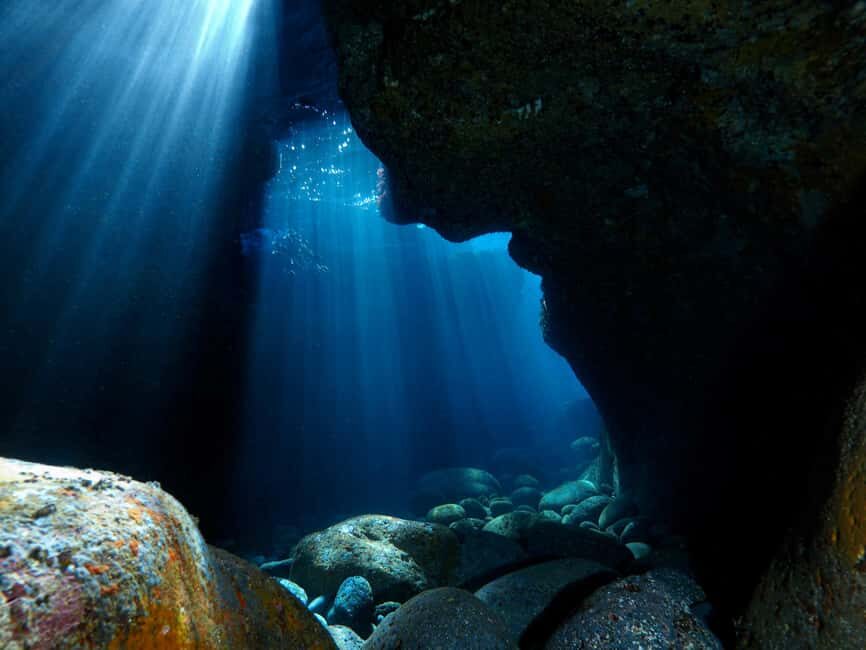
This session takes place off Catania on Sicily’s Ionian coast, in water where the scenery is driven by geology. You’re not just looking at blue water—you’re swimming over a seabed with lava-flow morphology, the kind of textures and shapes that happen when ancient molten rock meets the sea.
The operator describes the underwater features as part of volcanic leftovers, including seabed created by ancient lava flows. They also note that the last lava flow that reached the sea happened around 15,000 years ago, which helps explain why the underwater shapes still look so dramatic today.
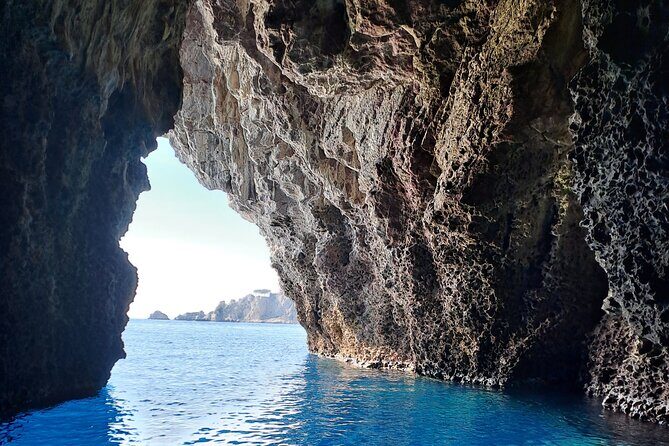
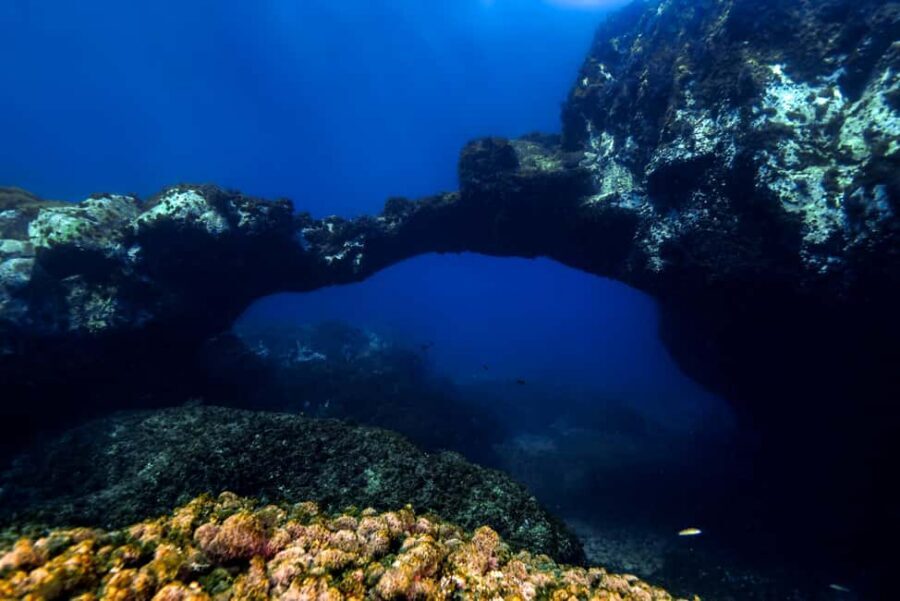
You’ll also encounter submerged caves during the experience. At the maximum depth of 5 meters, these aren’t extreme “go through a tunnel” features. Think of them as underwater pockets and formations you can observe comfortably, with enough time to look instead of rushing.
And yes, there’s sea life involved. From what I can tell from the style of the experience people describe, you’re meant to slow down, watch what’s around you, and get that close-up feeling that makes people remember their first time underwater.
You can also read our reviews of more scuba diving tours in Catania
Meeting at Camping Jonio: Check-In That Gets You in Control Fast
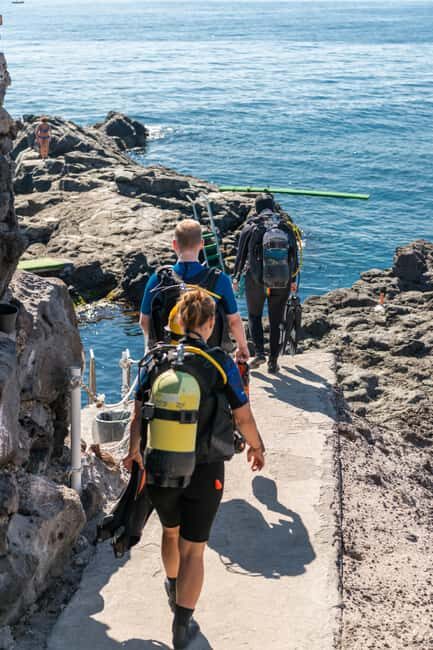
Your meeting point is inside Camping Jonio in Catania. That matters because you’re not starting in some distant “show up at a dock and hope for the best” chaos. You check in at the center located there, then you get geared up before you ever enter the water.
Once you arrive, the staff introduce themselves, then you register and check in. After that, you’re issued the equipment and get an equipment briefing. This part is more important than people expect. When you’re learning how to use a regulator, wear fins correctly, and trust your buoyancy device, clear instructions reduce stress more than anything else.
The instruction team can work in Italian, English, French, Spanish, German. If you’re not fluent in Italian, that’s a real quality-of-life factor. And because the group is kept small, you’re more likely to get questions answered without feeling rushed.
Practical tip: even if you’re excited, keep your first gear fit simple. Tight straps should feel secure, not painful. If anything feels off, say it right away before you go under.
Your 2-Hour Plan: Briefing, Gear Setup, Then Time Underwater
This is a 2-hour experience start-to-finish. Most of the time is split between prep and the underwater portion, which is exactly what you want for a first scuba session.
Here’s the flow you should expect:
- Check-in and register at the center inside Camping Jonio
- Get your equipment and do a focused briefing on what you’ll do in the water
- When everyone is ready, you enter the water and go over the underwater area—lava-flow formations, submerged caves, and sea life at shallow depth
- After you’re back, there’s a debriefing, plus a snack and the usual photos
The “debriefing + snack + photos” part isn’t fluff. It gives you closure. You’ll learn what went well and what to practice if you do another session or consider certification later. The photos are also useful because first-timers often don’t realize how much they moved or how their breathing looked.
Also, this is described as a test with an instructor in total safety. That language usually means you’re not treated like an advanced athlete. You’re treated like a learner who needs structure, and the instructor is there to guide your pace.
Max 5 Meters: Safety Rules and Why Shallow Water Helps You Learn
The experience is capped at a maximum depth of 5 meters. For first-timers, that’s a huge deal. Shallow depth means less pressure stress, simpler breathing management, and more time to focus on the basics: buoyancy, calm head position, and slow movement.
You go with an instructor in total safety, and the session includes equipment sized to you (wetsuit, mask, fins, regulator, buoyancy jacket/BCD, tank, and weights). The instructor briefing covers what you’ll do, how you’ll behave underwater, and what to expect when you start.
One important consideration: you need to be in good health. The activity is also not suitable for non-swimmers, so don’t “fake it” here. If you can’t confidently swim on the surface, the underwater part will be much harder to handle.
After the session, there’s a key rule: you should not climb above 600 meters (including Etna and/or airplane) for at least 12 hours. That’s the kind of instruction that sounds technical, but it’s also practical. It affects your next day plans, especially if you’re hiking or flying soon.
If you tend to get anxious in new environments, you’ll likely appreciate the way instructors handle nerves. In these sessions, people specifically praised calm guidance and patience—helpful if your breathing feels strange at first.
What You’ll See: Lava Flows, Caves, Fish, and Sometimes Octopus
The underwater “wow” in this experience comes from contrast. You get the volcanic setting—lava-flow shapes—and then you see life moving through it.
The seabed’s history is part of the story: the operator describes seabed morphology created by ancient lava flows. Underwater, that usually translates into visible ridges, uneven textures, and paths you can follow at a beginner depth. Instead of staring at one flat patch of sand, you can actually observe how the rock and seabed formed.
Then there are the submerged caves. At 5 meters max, they tend to be more like underwater nooks and shaded areas than deep cavities. Still, they look cool because light changes near openings, and it gives the water depth a bit of mystery without turning the experience risky.
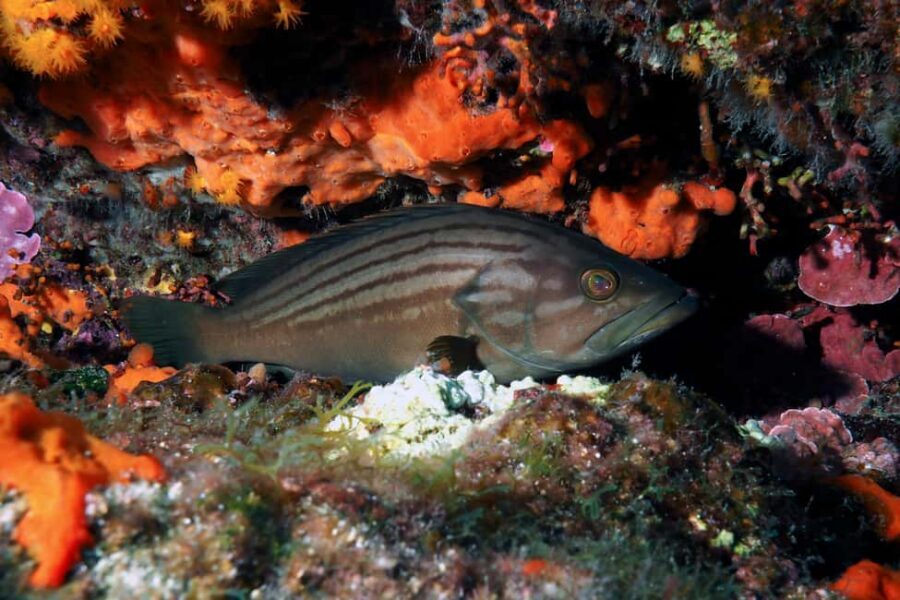
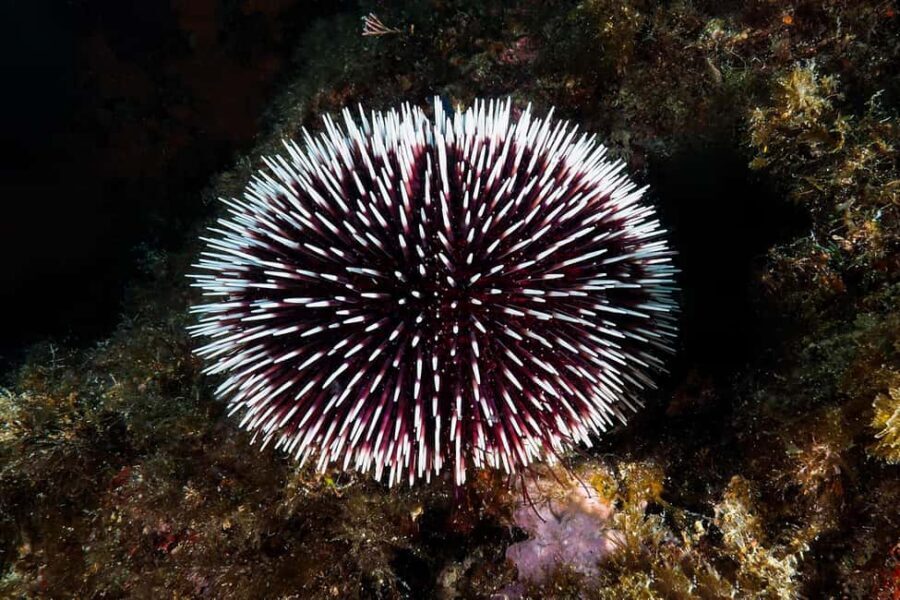
As for biodiversity, people have described seeing fish and watching sea life closely. One highlight that pops up is octopus sightings close to where you’re swimming. You can’t control what you’ll see, but the set-up and the shallow, guided pace make it more likely you’ll notice what’s around you.
My advice: don’t treat it like a photo mission. Slow down. Look around first. When you spot movement, keep your body still and let the sea come to you.

Instructors Who Keep Nervous First Timers Calm (Names You’ll Hear)
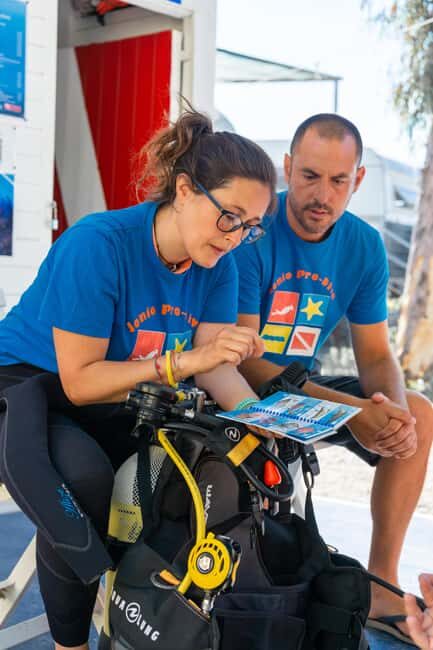
A standout theme in the experience is instruction style. People repeatedly praised instructors for being patient and calm, especially during the early moments when first-timers sometimes panic about breathing or buoyancy.
The names mentioned include Samantha, Bruno, and Vicki. Beyond the names, the important pattern is the same: instructors explain what’s happening, give you time to practice, and help you feel less scared once you’re actually in the water.
That “practice time” matters because the hardest part for many beginners isn’t the scenery. It’s coordination. Regulator breathing feels different at first. Fins pull your body in ways you don’t expect. Even mask comfort can take a moment to settle.
If you’ve got any wobble in your confidence, you’ll want an instructor who slows the pace and focuses on the basics. This experience is built for that. It’s also structured as a small group (max 6), so you get more human attention.
One more practical note: if your oxygen use feels faster than expected, it’s not automatically a disaster. The instructor can adjust your pace and keep the group safe. The priority here is controlled learning, not racing.
Price and Included Gear: What $94 Gets You (and What It Doesn’t)
At $94 per person for 2 hours, the value question is simple: you’re paying for professional instruction and full equipment setup. That’s not always the case with cheaper tours.
What’s included:
- Wetsuit
- Mask
- Fins
- Buoyancy jacket/BCD (called a jacket in the info)
- Regulator
- Tank
- Weights
That list matters because it removes the usual beginner problem: figuring out what to rent, what fits right, and what you’ll actually need once you’re there. If you’re new to scuba, that’s a big savings in time and mental energy.
What’s not included:
- Beach towel
- Swimsuit
- Flip flops
So pack like an adult who’s thinking ahead. Bring a swimsuit and a towel you’ll actually be comfortable using afterward. Flip flops help you move around safely before and after the water part.
Also, plan your expectations around the equipment. The wetsuit and weights are part of your buoyancy. If something fits poorly, your whole experience feels harder. Take a moment to confirm comfort during the gear briefing.
Who Should Book This Catania Underwater Try-Out—and Who Should Skip
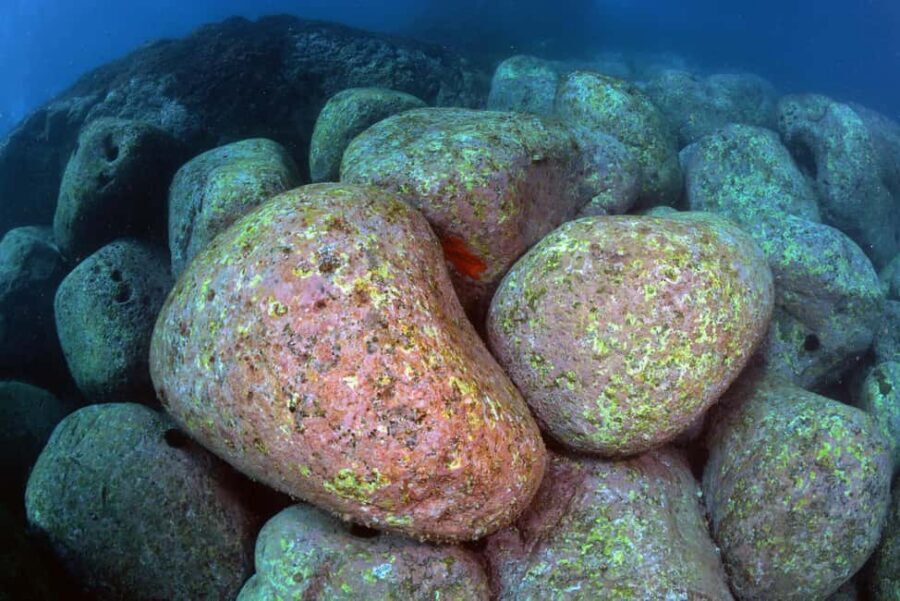
This is a great fit if you want a first scuba-style experience with structure, calm pacing, and a shallow maximum depth. It’s also well-suited for people who want a real Catania setting—lava flows, caves, and sea life—without needing advanced underwater skills.
You should book if:
- You can swim confidently
- You want a guided first underwater session with a small group
- You’re curious about volcanic seabed features like lava-flow textures and caves
- You like the idea of shallow water where you can look closely at sea life
You should skip if:
- You’re a non-swimmer
- You’re pregnant
- You’re under 10 years old
- You don’t meet the good-health requirement
- You have plans to climb above 600 meters within 12 hours of the session
If you’re aiming for more depth or technical training, this won’t satisfy that goal. The whole point here is beginner-friendly learning in total safety under an instructor’s supervision.
Should You Book This Catania Scuba Session?
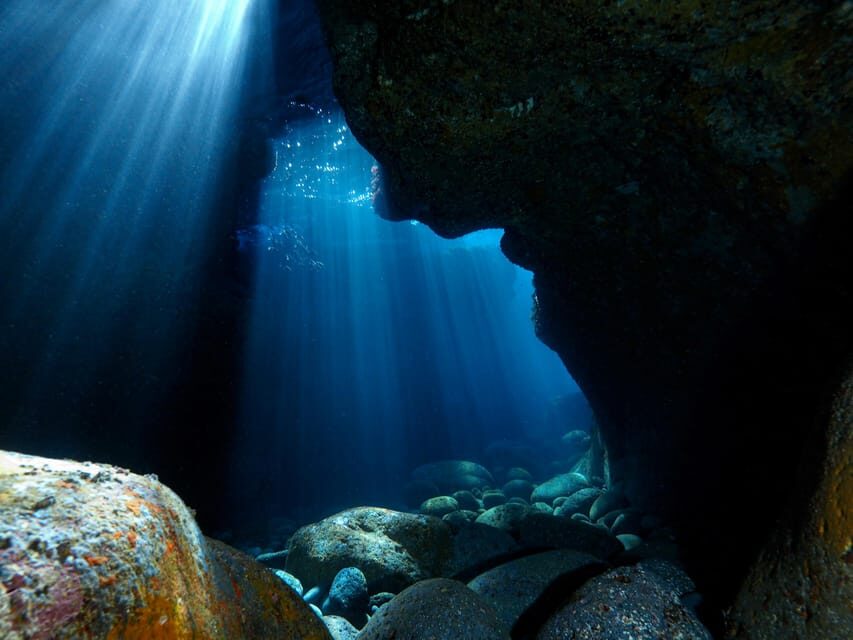
If your goal is a first underwater experience with real Sicilian geology and calm instruction, I’d say yes. The combination of small group size, shallow depth (max 5 meters), and all-in equipment makes it a straightforward, low-stress way to get your bearings underwater.
Book it if you want the story the underwater area tells—lava-flow shapes, cave-like features, and wildlife you can watch close up—while still having a safety-first setup.
Skip it if you’re chasing depth, speed, or adventure that starts at far deeper than shallow conditions. This is learning-focused. And if you’re honest about that, you’ll probably have the kind of memory that lasts longer than a vacation photo.
FAQ
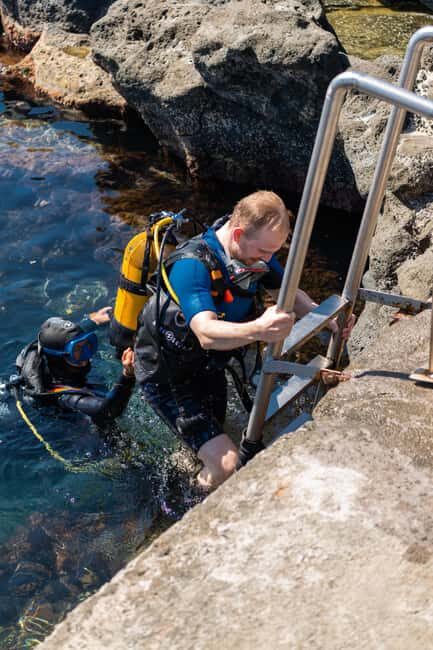
Where is the meeting point in Catania?
You meet in Catania inside Camping Jonio.
How deep will I go?
The experience keeps you at a maximum depth of 5 meters.
How long does the experience last?
The total duration is 2 hours.
What gear is included in the price?
Included equipment: wetsuit, mask, fins, jacket (BCD), regulator, tank, and weights.
What should I bring since it’s not included?
You should bring a beach towel, swimsuit, and flip flops.
What languages are available for the instructor?
The instructor can work in Italian, English, French, Spanish, and German.
How many people are in the group?
The group is limited to 6 participants.
Is this suitable for children?
It’s not suitable for children under 10.
Can pregnant women or non-swimmers participate?
No. It’s not suitable for pregnant women and non-swimmers.
Is there a rule about altitude after the session?
Yes. You should not climb above 600 meters (including Etna and/or airplane) for at least 12 hours after the session.
Can I cancel and get a full refund?
Yes. There is free cancellation up to 24 hours in advance for a full refund. You can also use reserve now & pay later (book your spot and pay nothing today).