REVIEW · CATANIA
Catania: Noto, Modica and Ragusa Ibla Baroque Tour
Book on GetYourGuide →Operated by Lemontour Catania · Bookable on GetYourGuide
Stone cities tell the story of 1693. I love the late-Baroque stonework—masks, carvings, and dramatic facades—and you get an easy way to see three UNESCO-linked towns without wrestling with trains or parking. I also really like the Modica chocolate tasting angle, since it’s not just sight-seeing props. One drawback to plan around: this is a packed day, and a couple of rides have been reported as less than comfortable (not always air-conditioned).
In practice, what makes the day work is the guide. I’ve seen past guides praised by name—Silvia, Andrea, Dan, Lorenzo, and Giuseppe—so you can expect lively, organized commentary and site-by-site explanations in multiple languages (English, French, Italian, Spanish). Still, the timing is tight enough that you’ll want to move at “tour pace” between stops, not museum-crawl pace.
In This Review
- Key things that make this tour worth your time
- A Baroque Time Machine in Val di Noto
- Catania Pickup and the Day’s Pace: Fast, Focused, and Time-Savvy
- Ragusa Ibla and the Ragusa Province Stop: Alleys First, Drama Second
- Modica Chocolate Time: A Break That’s Actually Part of the Experience
- Noto’s Garden of Stone: Elegance, Sinuosity, and Big-Façade Energy
- Guides, Language Options, and the Real Value of Organized Interpretation
- Van Comfort and Logistics: What to Pack for a Long Stone-Filled Day
- Price, Value, and Who Should Book This Catania Day Trip
- Should You Book This Noto, Modica, Ragusa Ibla Baroque Tour?
- FAQ
- What cities does this tour visit?
- Where do I get picked up in Catania?
- How long is the tour?
- Is there a live guide, and what languages are offered?
- Is pickup available if I’m not in Catania city?
- Can I cancel for a full refund?
- Is Modica chocolate included?
Key things that make this tour worth your time
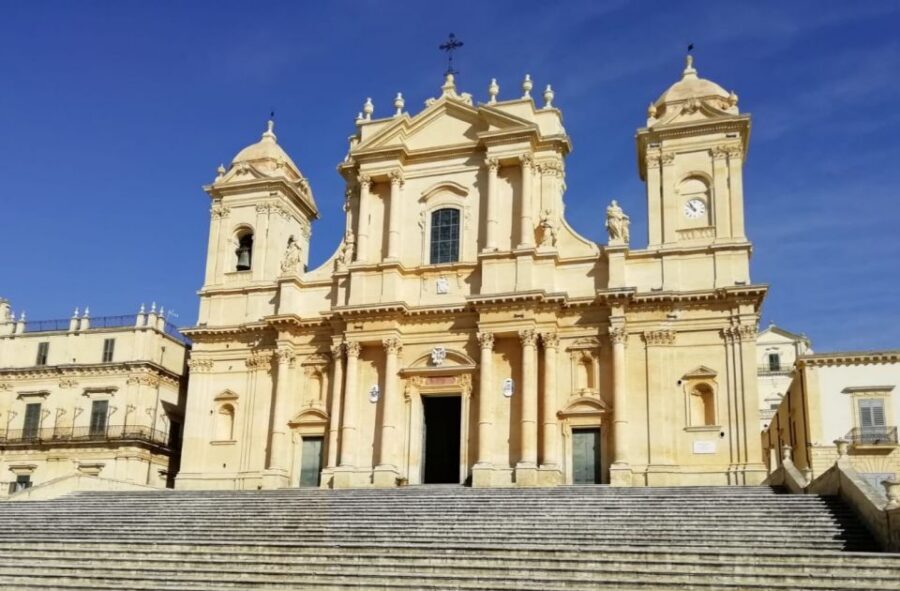
- Noto’s Baroque star power: stop in the town often described as a capital of Sicilian late Baroque.
- Modica chocolate, not just a photo stop: plan for tastings of different varieties.
- Ragusa Ibla’s alleys: the charm is the street-level details—arches, turns, and grand facades.
- A UNESCO rebuild story: the 1693 earthquake is part of the explanation for why these towns look like this.
- Pickup from your Catania-area lodging: convenient start time around 9–9:15 AM.
A Baroque Time Machine in Val di Noto
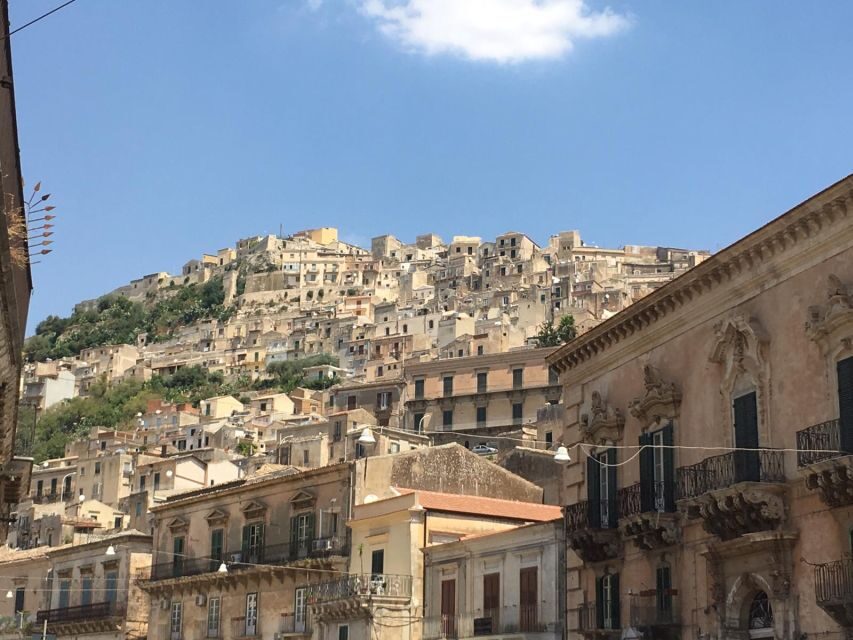
This trip is built around a simple idea: watch how Sicily rebuilt itself after disaster, then study how that history turned into art you can walk through. After the devastating earthquake of 1693, towns in the Val di Noto area were rebuilt with a flamboyant late-Baroque style. The result is dramatic architecture—stone carvings, ornate balconies, and sculpted details that look almost theatrical up close.
I like that the tour doesn’t treat Baroque like an abstract art lesson. It gives you the story first, then hands you streets to verify it. Even the spooky-looking elements—like the ghostly masks mentioned in the tour approach—make more sense once you understand the era and the rebuilding mindset. And because you’re moving among three towns in one day, you start noticing patterns: the same design language, expressed with local personality.
This also helps if you’re the type who gets bored by endless churches unless there’s a payoff. Here, the payoff is that each town has a different flavor of Baroque theater. Noto leans elegant and sculpted. Ragusa Ibla feels theatrical at street level. Modica adds a very practical reason to keep your energy up: chocolate.
You can also read our reviews of more tours and experiences in Catania.
Catania Pickup and the Day’s Pace: Fast, Focused, and Time-Savvy
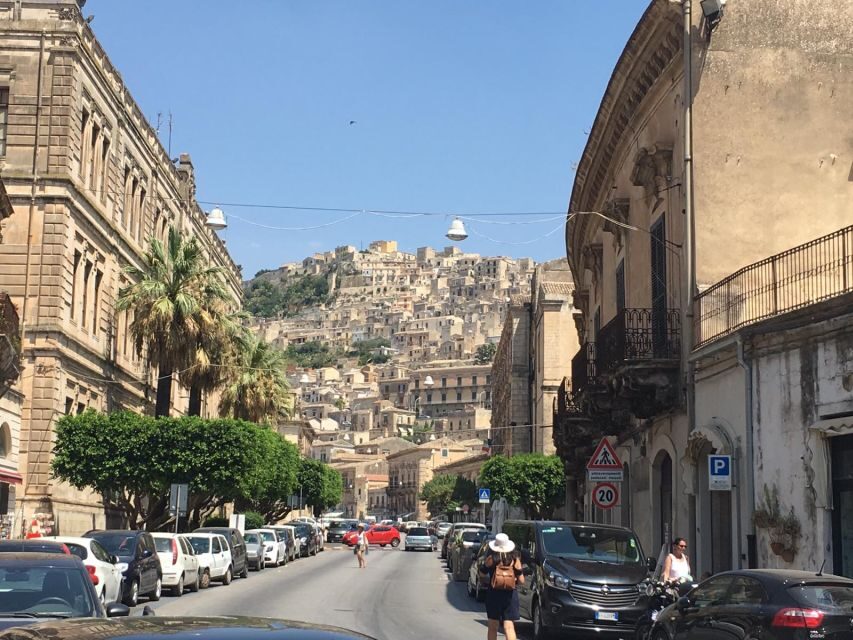
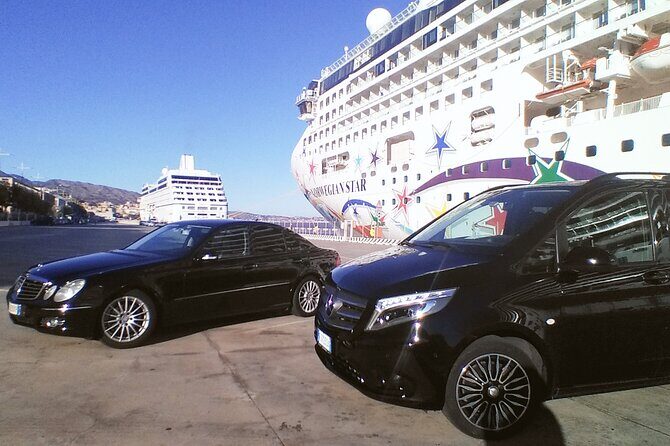
The tour runs about 8 hours, starting with pickup at your Catania city lodging (and nearby areas). Pickup is usually around 9:00 to 9:15 AM, so set your morning routine to be ready a little early. The big value here is obvious: you don’t have to coordinate buses or rental car logistics for a multi-town route.
Once you’re in the van, travel segments take time, so the day becomes a rhythm:
- travel to the next town,
- guided walk through the main Baroque sights,
- then a ride to the next stop.
That structure is exactly why this works for a first visit. You get guided context without wasting half a day figuring out where to go and how long each stop should take.
The pacing can be the only real “trade-off.” Some reviews point out vehicle comfort issues—like lack of air-conditioning—plus the general reality that small delays (parking, quick transfers, doors closing for groups) can compress your free time. Bring that mindset: go with curiosity, not the expectation that you’ll linger forever at every corner.
If you’re sensitive to heat or noise, it’s worth planning for it. Pack water, wear breathable layers, and be ready to hear the guide best when you’re close together during the walk segments.
Ragusa Ibla and the Ragusa Province Stop: Alleys First, Drama Second
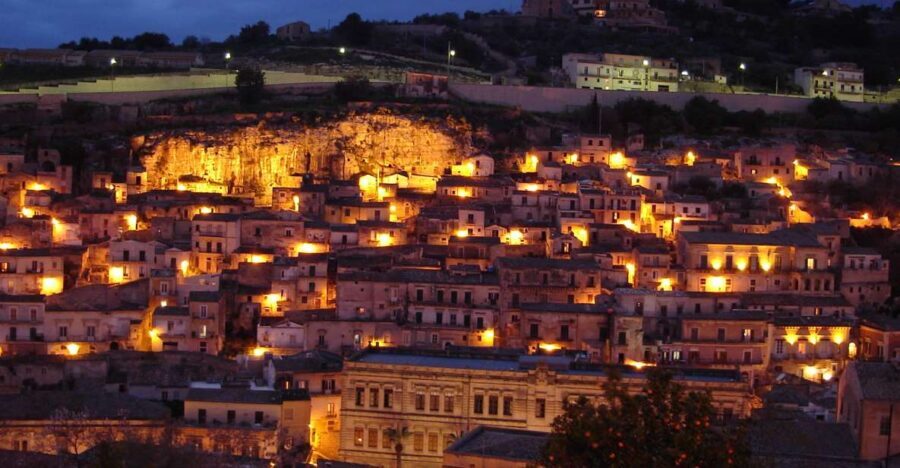
After pickup, the day starts by heading into the Ragusa province area, with a guided walk around Ragusa Ibla. This is where the “Baroque works better when you’re walking” part really clicks.
Ragusa Ibla’s claim to fame is the street-level vibe: characteristic alleys and turns that make you slow down without being forced. You’re not just staring at one landmark. You’re experiencing the town like a series of reveals. As you move, opulent buildings and the Baroque details come into view from different angles—so the architecture feels less like a picture and more like a story told in stone.
The tour framing here is useful: you learn what to look for. When the guide points out details like carvings and ornamentation, you’ll start to see “why that shape exists,” not just that it exists. This helps you connect Ragusa Ibla to the broader Val di Noto rebuild story—same era, different local expression.
Practical note: alley towns tend to mean uneven footpaths and steps. Wear comfortable shoes you can trust. This is not the day for fragile soles.
Modica Chocolate Time: A Break That’s Actually Part of the Experience
Modica is where the tour turns from architecture student mode into food and flavor mode. You get a guided visit with time built in for the famous Modica chocolate tradition—tasting different varieties. This matters because Modica’s chocolate reputation isn’t just marketing. It’s part of how people identify the town.
The best way to experience this stop is to treat it like a short, guided tasting rather than a random snack break. You’ll likely notice that chocolate here is presented with a certain pride and specificity. Even if you’re not a die-hard chocoholic, it gives you a sensory reset from the visual overload of Baroque facades.
Food stops also help you manage the day’s pace. After hours of walking and looking, chocolate gives your brain a different kind of input. You’ll return to the next town more alert and less “photo fatigue.”
If you have dietary restrictions, the data you have doesn’t list ingredient options. So it’s smart to plan for the possibility that tastings are standard chocolate preparations. If that matters, ask your guide for what’s included in the tasting before you commit to eating.
Noto’s Garden of Stone: Elegance, Sinuosity, and Big-Façade Energy
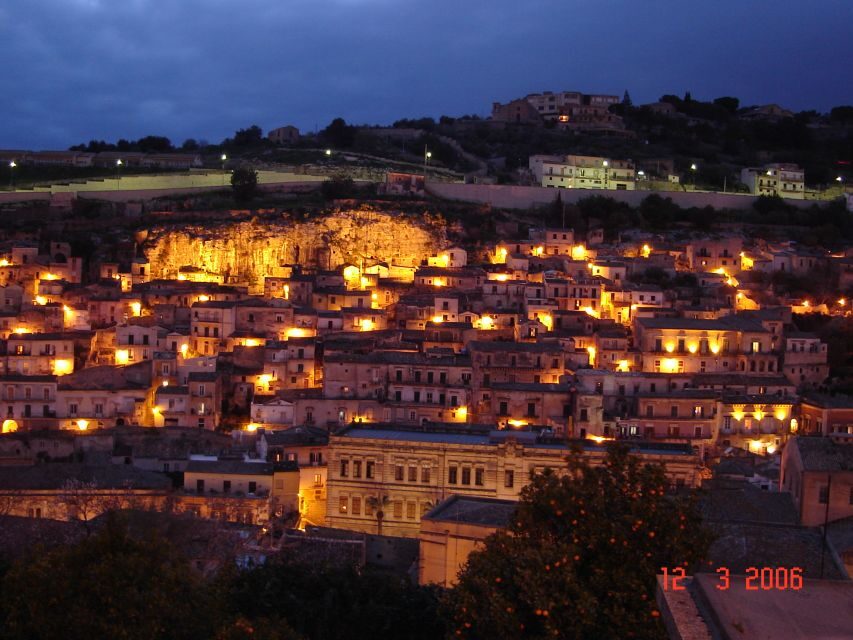
Noto is often described as a key center of Sicilian late Baroque, and on this tour it becomes the marquee stop. Expect a guided walk designed to show you why Noto is sometimes called the capital of this Baroque style. The architecture here is a feast for your eyes, with buildings often described as elegant and with architectural elements that look “curvy” or sinuous—balconies, window frames, and stonework that don’t behave like plain decoration.
One standout detail in the tour approach is the idea of the Garden of Stone. Even if you don’t catch every literal feature, the concept is clear: Noto feels like the whole town is carved. You’re not just visiting one monument. You’re moving through streets where the architecture has been sculpted into personality.
This stop also pays off because Noto is a place where the rebuilding story becomes visible. The late-Baroque look isn’t random. It’s tied to the 1693 earthquake aftermath and the decision to rebuild with a style that announces resilience. Once you’ve heard the story and seen the ornamentation in Ragusa, Noto reads like the master class.
Plan for photo time, but also plan to look up. The most “wow” moments in Baroque towns are often on upper levels—balconies, cornices, and sculptural details at eye height or above.



Guides, Language Options, and the Real Value of Organized Interpretation
This tour is built around a live multilingual guide in English, French, Italian, and Spanish. That’s not a small detail. Good guiding turns a list of churches and palaces into something you can actually understand in motion.
Past guides have been praised by name: Silvia, Andrea, Lorenzo, Dan, and Giuseppe. The consistent theme in those commendations is simple: knowledgeable, attentive, and careful not to rush people too hard. One review even highlights that the guide made sure the timing didn’t feel like a sprint.
In practical terms, this means:
- you’ll get historical context tied to what you see,
- you’ll be dropped off close enough to major sights for minimal wandering,
- and you’ll have someone answering questions as you go.
The flip side is that a single guide plus a single van setup means you’re relying on the group flow. If you’re the kind of person who needs personal space at every stop, you may find the pacing a little tight. But if you like clear explanations while walking, this is a strong match.
Van Comfort and Logistics: What to Pack for a Long Stone-Filled Day
You’re in a van for multiple legs: roughly 105 minutes early, additional travel between stops, and a longer return ride to Catania. That’s normal for a route that stitches together three towns.
Here’s the honest consideration. At least one review flagged that the van lacked air-conditioning and felt rough on the road. Another mentioned the lack of a separate driver setup that could reduce time lost during parking. None of that ruins the tour, but it affects your comfort level.
So pack like you’re going to be in the vehicle as well as on the streets. Bring:
- water (heat can sneak up fast in Sicily),
- a light layer for air-conditioned interiors if you find them,
- sunglasses,
- and shoes that handle steps and uneven ground.
Also, keep your expectations aligned with group travel. You won’t have total control of timing at every corner. Instead, you’ll get a well-structured route that hits the biggest Baroque notes without you getting lost.
Price, Value, and Who Should Book This Catania Day Trip
The price listed is $101.50 per person for an 8-hour day with pickup and drop-off plus a multilingual guide. On the face of it, that’s not “cheap,” but it’s also not pretending this is a free-for-all. You’re paying for transport, guided interpretation, and the convenience of being collected from your lodging in Catania.
Here’s how I’d judge value:
- If you’d otherwise spend hours arranging transport and building an itinerary, the guide + van saves real time and mental energy.
- If you care about Baroque architecture and want context tied to the 1693 rebuild story, the guided walking value goes up.
- If you only want a quick drive-by and you hate walking, then you might not feel the cost is justified.
This tour fits best if you like structured sightseeing. It also works well for first-time Sicily visits based in Catania Province, especially when you want three distinct towns in one day.
If your group includes different interests, you’ve got a built-in compromise: architecture and street wandering for some people, chocolate tasting for others.
Should You Book This Noto, Modica, Ragusa Ibla Baroque Tour?
Book it if you want a guided, efficient way to experience Sicilian late Baroque tied to the real 1693 earthquake rebuilding story. It’s especially appealing if you’re curious about what makes the Val di Noto towns look the way they do—and you like the idea of Noto finishing the day with maximum stonework drama.
Skip it or reconsider if you’re very sensitive to uncomfortable vehicles or if you hate tight schedules. This is a “see a lot” day, not a slow soak.
For most people staying in Catania, the combination of pickup, live multilingual guidance, and three major towns is a sensible use of one day. And if chocolate is your thing, Modica gives you a payoff that’s not purely visual.
FAQ
What cities does this tour visit?
It visits Noto, Modica, and Ragusa Ibla in the Val di Noto area of Sicily.
Where do I get picked up in Catania?
Pickup is included from your accommodation in Catania city and the surrounding area, with pickup time usually around 9:00 to 9:15 AM.
How long is the tour?
The tour duration is about 8 hours.
Is there a live guide, and what languages are offered?
Yes. The tour includes a live guide with English, French, Italian, and Spanish options.
Is pickup available if I’m not in Catania city?
If you’re based in another city in Catania Province, you can contact the provider to book a transfer service, but it is not included in the tour price.
Can I cancel for a full refund?
Yes. Free cancellation is available up to 24 hours in advance for a full refund.
Is Modica chocolate included?
The tour includes tasting Modica chocolate, with different varieties mentioned as part of the experience.