REVIEW · PALERMO
Anti-Mafia Heroes (Cool Hours) Morning Walking Tour
Book on GetYourGuide →Operated by Gobo Tours Italy · Bookable on GetYourGuide
Palermo keeps receipts. This Anti-Mafia Heroes (Cool Hours) morning walking tour uses real Kalsa locations tied to Falcone and Borsellino to turn the anti-mafia fight into something you can actually picture. I like the 10 important site format with three major crime locations, and I also like how the route mixes serious history with everyday Sicilian life—piazzas, food spots, and streets you’ll recognize on a return visit.
One possible drawback: the morning version is not shaded for about 1 mile, so plan for sun and bring your hat and sunscreen. The subject matter is heavy, too, so if you want purely light sightseeing, you’ll need to pace yourself with the cafe break.
In This Review
- Key things I’d circle before you go
- Why Palermo’s Kalsa is the perfect stage for anti-mafia stories
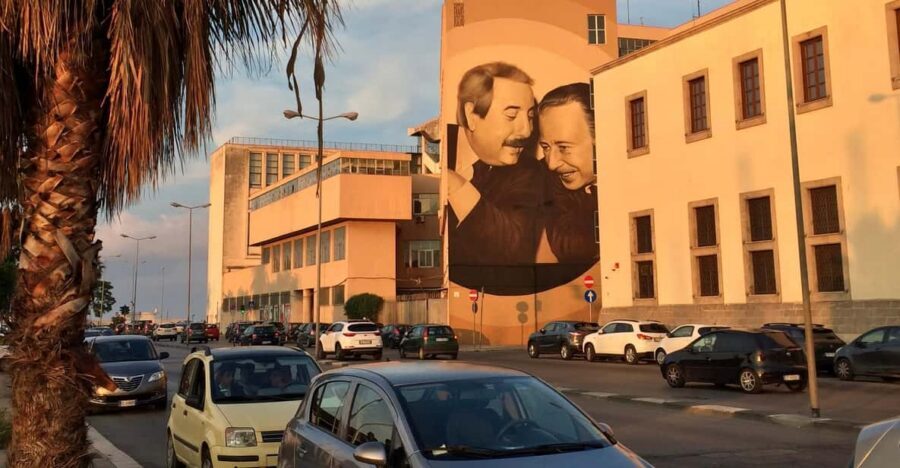
- The tour starts at Giovanni Falcone’s birthplace markers
- Piazza Magione: where the pace stays walkable and the story stays clear
- Antica Focacceria San Francesco: history you can smell
- Punto Pizzo Free: the tour connects past conflict to present action
- Cagliostro Bakery break: where optional gelato turns into a useful reset
- Giardino Garibaldi and the final walk to Piazza della Kalsa
- Price and value: why $39.86 can make sense
- Morning logistics that can make or break your comfort
- Who should book Anti-Mafia Heroes, and who should think twice
- Should you book this morning walking tour?
- FAQ
- How long is the Anti-Mafia Heroes (Cool Hours) morning walking tour?
- Is the tour shaded during the morning?
- What language is the guide?
- Are refreshments included in the ticket price?
- Where do I meet the guide?
- Is the tour suitable for wheelchair users?
Key things I’d circle before you go
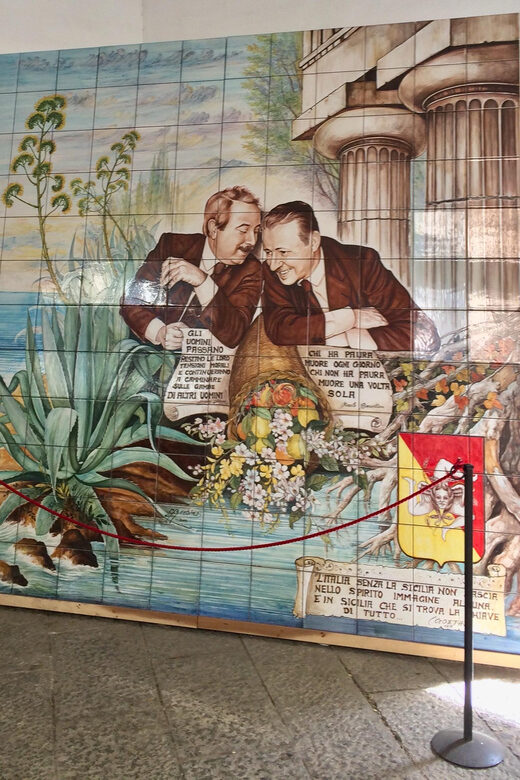
- Three major crime-site stops framed with people and context, not just facts
- 10 important locations covered in about 2.5 hours, with time to ask questions
- Small-group feel and a guide who can personalize the pace (example: Angela)
- Mid-tour break at Cagliostro Bakery with optional refreshments like gelato
- Morning sun reality check for the unshaded 1.6 km walk
- A book and movie recommendation list to keep learning after the tour ends
Why Palermo’s Kalsa is the perfect stage for anti-mafia stories
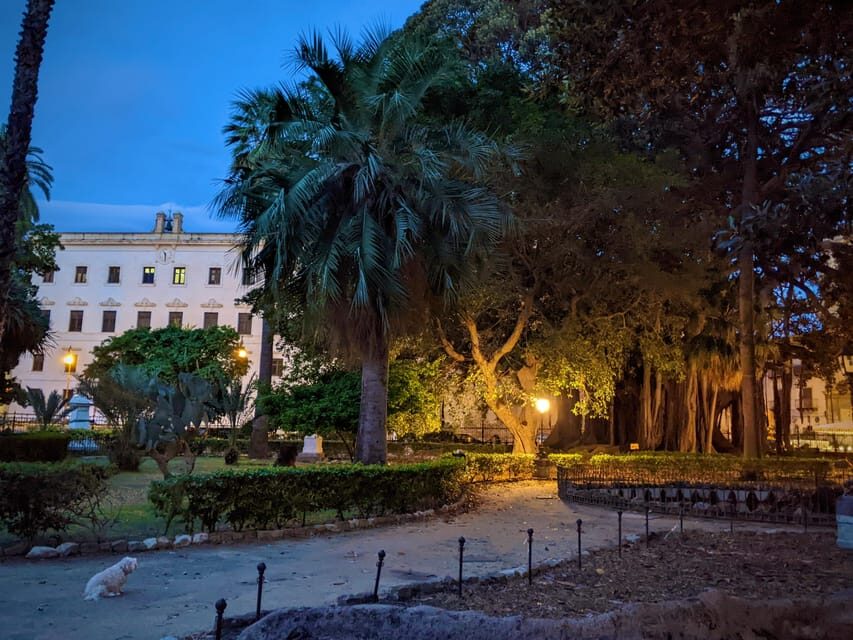
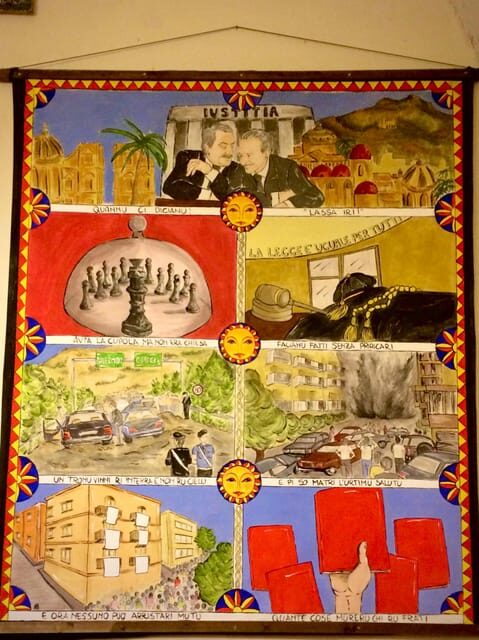
The smartest thing about this tour is that it stays in La Kalsa, the neighborhood linked to the early lives of Falcone and Borsellino. You’re not handed a lecture in a museum room. Instead, you’re standing in the kind of streets where ordinary life happens—where the story of organized crime clashes with daily routines, local pride, and community resolve.
I like that the tour leans into both sides of the equation: the mafia’s impact and the counter-movement that grew from Sicilian citizens pushing back. The guide’s job is to connect the emotional weight to concrete places—so you don’t just leave with names. You leave with a map in your head: what happened, where it happened, and why that matters now.
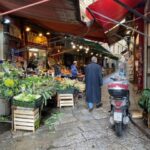
And yes, you’ll get the layers of Palermo here. The route moves through a mix of spaces—historic squares, old food institutions, restored areas tied to anti-mafia urban renewal—so the “story” doesn’t feel stuck in one time period.
You can also read our reviews of more walking tours in Palermo
The tour starts at Giovanni Falcone’s birthplace markers
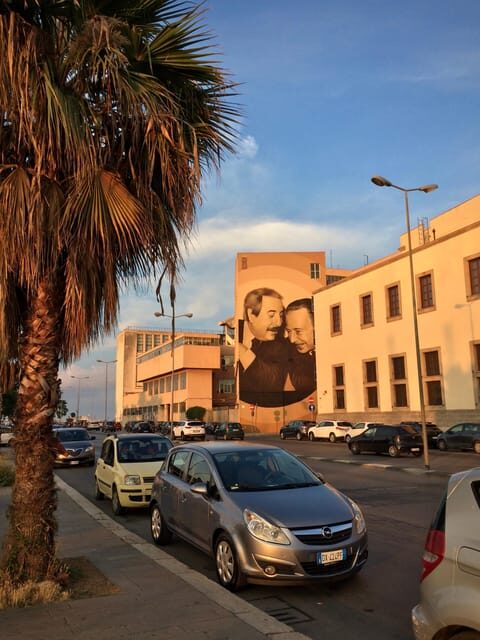
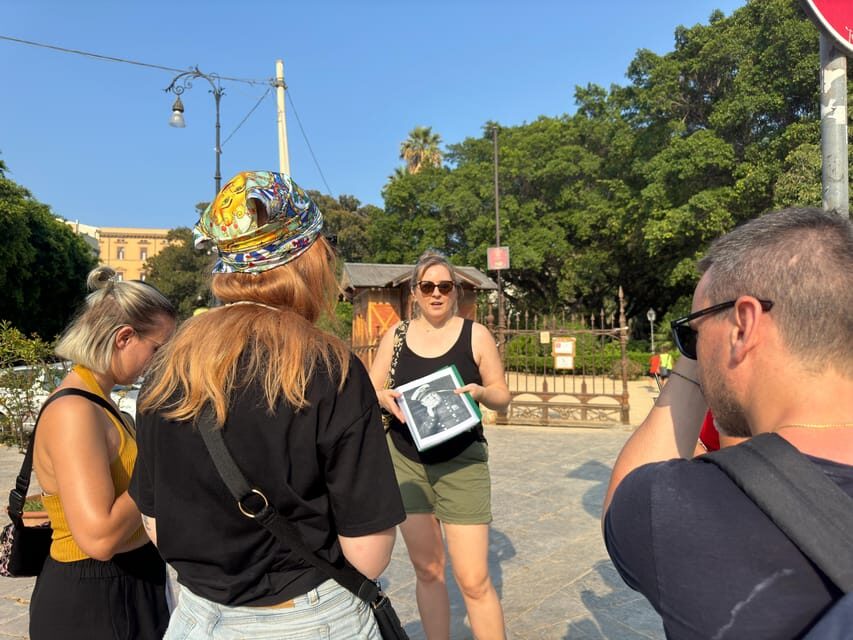
You’ll meet at the meeting point by the restaurant Ciccio Passami l’Olio. Look across the way: in the park there’s a plaque marking the birthplace of Giovanni Falcone, and that’s where your guide will be waiting.
From there, the tour begins at Ruderi della casa natale del giudice Falcone. Even the word ruderi (ruins) tells you the tone: this isn’t a glossy memorial stop. It’s a reminder that the anti-mafia struggle is tied to real lives, real homes, and real stakes.
This first segment matters because it frames the whole walk. The guide doesn’t treat Falcone and Borsellino like distant heroes. The story connects them to where they were born and raised, then links that background to the ongoing fight against organized crime. If you’re the kind of person who wants the human thread, you’ll appreciate how the tour builds it right away.
Piazza Magione: where the pace stays walkable and the story stays clear
Next comes Piazza Magione, with a guided stop. Squares can be tricky: they’re easy to pass through and hard to make meaningful. Here, the guide uses the open space to help you understand the neighborhood as a setting for events—how public places and ordinary movement matter when the mafia is trying to control people through fear.
What you’ll likely notice is the balance. The tour keeps moving at a comfortable speed, and the storytelling stays focused on what you can see around you. That’s a big deal on a 2.5-hour walk, because you’re not dealing with long travel breaks—your attention is the main “currency.”
If you like asking questions, this is the kind of stop where you can raise them and still keep the group on track. The format clearly allows back-and-forth dialogue rather than a one-way monologue.
Antica Focacceria San Francesco: history you can smell
Then you hit Antica Focacceria San Francesco, another guided stop. This is where the tour gets very Palermo, very fast. Instead of treating food culture as a side note, the stop ties daily life to the larger anti-mafia story.
You don’t need to know the menu to get something out of this. The value is in the contrast: a place where people gather for something simple and delicious sits right alongside the harder edges of the conflict. The guide uses that contrast to highlight how the fight against Cosa Nostra wasn’t only fought by officials and institutions—it was also fought by ordinary Sicilians protecting their communities.
I like stops like this because they stop the tour from becoming one mood only. You get to reset your senses while still staying on the same thread of meaning.
Punto Pizzo Free: the tour connects past conflict to present action
After the focacceria, you’ll make your way to Punto Pizzo Free for another guided explanation. The name alone signals that the anti-mafia movement isn’t only about old case files—it’s also about resisting coercion today.
The tour’s approach here is practical: it frames ongoing efforts in Sicily’s fight against organized crime, and it shows you how public spaces can reflect civic resistance. This is also where you might hear the guide explain how the tour looks at actual origins of Cosa Nostra rather than repeating myths.
That “myths vs. reality” angle is important. Organized crime stories can get distorted into legends, and legends can be dangerous because they replace understanding with rumor. This tour tries to keep the focus on what’s real—through the people, through the places, and through the consequences.
Cagliostro Bakery break: where optional gelato turns into a useful reset
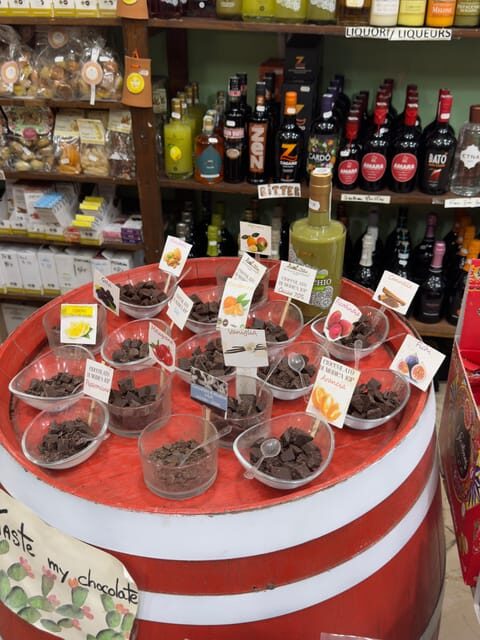
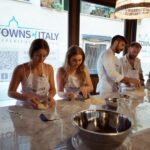
Stop five is Cagliostro Bakery, and this is your break time. This is the moment you’ll appreciate the tour design, because it gives you a breath halfway through, plus there’s bathroom availability halfway through the walk.
Refreshments are optional. Gelato is listed around 3 euros, and you can treat this like your planned pause rather than an accidental stumble into a café.
If you’re walking in the morning sun, this break is more than comfort. It’s how you keep the tour enjoyable when you’re dealing with a topic that can feel grim. A cold gelato can’t change the subject matter, but it helps you stay present enough to absorb what the guide is connecting.
Giardino Garibaldi and the final walk to Piazza della Kalsa
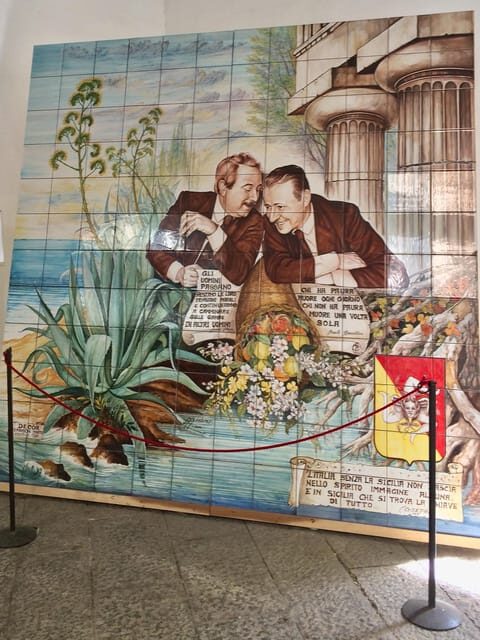
Next is Giardino Garibaldi, another guided stop. Gardens are a smart choice in a city walk, especially when your itinerary is mostly unshaded in the morning. Here, you get a more sheltered feeling while still staying in the flow of the story.
Then you finish at Piazza della Kalsa. This matters because it closes the loop in the heart of the Kalsa narrative, so the last impression is place-based. You’re not finishing at a transit hub or a random corner. You’re finishing where the neighborhood identity is strongest—and where the anti-mafia theme still feels grounded in everyday life.
By the end, the tour leaves you with an understanding that Cosa Nostra is portrayed here as something that’s not truly rooted in Sicily’s long cultural story. Instead, the tour frames it as an aberration with shallow historical roots—something foreign to the island’s character. That framing isn’t just moral; it helps you see why Sicilians kept organizing and pushing back.
Price and value: why $39.86 can make sense
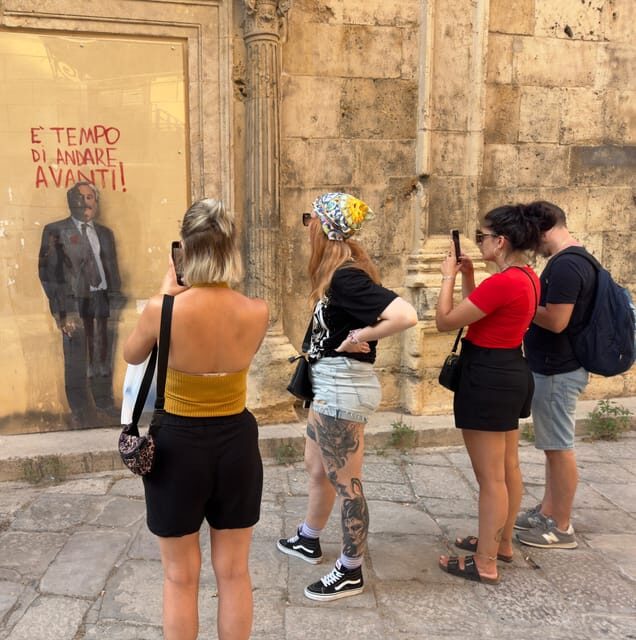
At $39.86 per person, this tour isn’t cheap in a “coffee and pastry” way. It is priced like a guided experience with multiple stops and real storytelling work.
Here’s what you’re paying for, based on what the tour includes:
- A live English guide and time to ask questions
- Visits to 10 important sites, including three major crime locations
- A focused 2.5-hour format that keeps you moving without feeling rushed
- An included book and movie recommendation list from Gobo Tours Italy to extend what you learn
For me, the value question comes down to this: do you want names and dates, or do you want meaning tied to where things happened? This tour is built for the second option. And if you’re curious about the anti-mafia movement and how it reshaped public spaces, the guided “where” matters as much as the “what.”
Also, the tour model includes optional refreshments and a mid-tour break, so you can manage your energy instead of spending the entire 2.5 hours running on willpower.
Morning logistics that can make or break your comfort
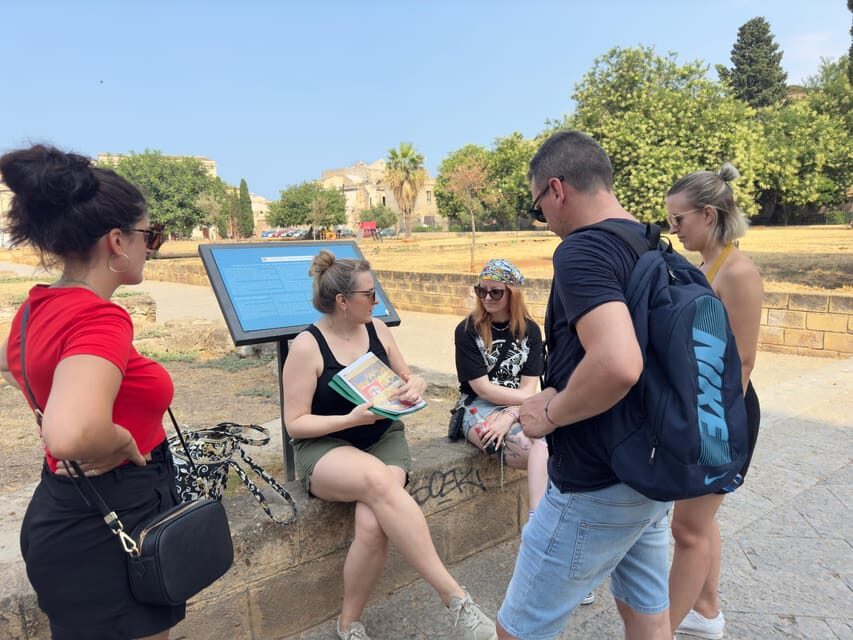
This is a morning walk of about 1.6 km / 1 mile. It’s not shaded during the morning tour, so comfort depends on your prep.
Do this:
- Wear closed-toe shoes (Palermo streets can be uneven)
- Bring a sun hat and sunscreen
- Expect no shaded stretches, so plan for sun exposure
- Avoid luggage or large bags
Good news: the tour includes a bathroom stop halfway through, and there’s a built-in cafe break at Cagliostro Bakery. Bad news: if you forget sun protection, you’ll feel it. This is one of those tours where your body remembers the schedule.
If you’re heat-sensitive, consider that the provider offers the same tour in the evening (the evening version is shaded). That matters if you’re deciding between morning and night.
Who should book Anti-Mafia Heroes, and who should think twice
This tour is a strong fit if you:
- Like guided walking tours where the explanation is tied to specific places
- Want context about Falcone and Borsellino and Sicily’s organized crime battle
- Enjoy question time and small-group pacing
- Prefer learning through neighborhoods, not only monuments
It’s less ideal if:
- You need a fully shaded route (morning isn’t shaded)
- You can’t manage a short city walk
- You’d rather keep your sightseeing topic-light
One more note: the subject matter is inherently serious. You don’t have to have a background in Sicilian history, but you do need the willingness to sit with a story that involves crime and counter-crime.
Should you book this morning walking tour?
I’d book it if you want a walking tour with a clear purpose: connect Palermo’s anti-mafia story to the actual spaces where it played out. The three major crime-site element, the 10-site structure, and the guide-led pacing make it feel like more than a casual neighborhood stroll.
Skip it if you’re chasing sunshine-and-views only, because the morning version is unshaded and the content runs heavy. If you’re on the fence, the simplest decision rule is this: if you’re curious about the real fight against Cosa Nostra and how ordinary people and institutions respond, you’ll get your money’s worth here.
FAQ
How long is the Anti-Mafia Heroes (Cool Hours) morning walking tour?
The tour lasts 2.5 hours.
Is the tour shaded during the morning?
No. The morning tour is not shaded. The evening version of the same tour is shaded.
What language is the guide?
The live tour guide is available in English.
Are refreshments included in the ticket price?
Optional refreshments are not included. There is a cafe/bakery break, where you can buy things like gelato (about 3 euros is listed).
Where do I meet the guide?
Meet in front of the restaurant Ciccio Passami l’Olio. Across from it, in the park, there’s a plaque marking the birthplace of Giovanni Falcone, and the guide waits by that plaque.
Is the tour suitable for wheelchair users?
No. It is not suitable for wheelchair users.