REVIEW · SICILY
Volcanological excursion of the wild and less touristy side of the Etna volcano
Book on Viator →Operated by Guide Vulcanologiche Etna Nord · Bookable on Viator
If you want Etna without the crowds, go north. This volcanological excursion focuses on the wild flow-lines, active craters, and real science stations up on the less-touristy flank. You start at Piano Provenzana (1,800m) and spend the morning working up through lava terrain to crater edges and viewpoints near the Etna Nord Volcanological Observatory.
I especially like how the day mixes 4×4 access with a proper hike, so you actually reach the good stuff without wasting daylight on the wrong roads. I also love the guide setup: licensed volcanological guidance in English, plus gear like helmets, warm layers, extra socks, and trekking poles. That combination keeps the experience focused on the volcano instead of logistics.
One thing to consider: this is a serious high-altitude walking route. The hike is about 7 km, it runs on volcanic soil that can be loose or unstable, and dizziness is possible for people sensitive to crater-edge walks or altitude.
In This Review
- Key takeaways before you go
- Why the Etna North Side Feels Different Than the Usual Routes
- Getting Up to Piano Provenzana at 1,800m (and What It Really Means)
- Craters and INGV Monitoring on the Way Up (Piano delle Concazze Stop)
- The 7 km Mount Etna Hike: Crater Edges, Lava Tubes, and Historic Flows
- What You Get, What You’ll Wish You Brought, and How to Stay Comfortable
- Guides Like Pepe, Linda, Poldo, Vincenzo, and Domenico Make the Difference
- Making Sense of the Price: Is €71.20 Good Value for Etna?
- Best For Who (and Who Should Reconsider)
- Should You Book This Wild Etna North Volcanological Excursion?
- FAQ
- What is the meeting point for the tour?
- What time does the excursion start?
- How long is the experience?
- Is the tour in English?
- What equipment is included?
- Do I need to pay extra for parking or 4×4 vehicles?
- Is admission to Mount Etna included?
- What fitness level do I need?
- What happens if weather is bad?
- My final booking verdict
Key takeaways before you go
- Piano Provenzana is the calm start: less crowded, pine forest plus fresh lava cuts right into view.
- You ride authorized 4×4 routes: the panoramic north road is only reachable with the right vehicles and guides.
- Crater science meets huge views: you’ll pass deep craters, fractures, and INGV monitoring points.
- Expect a real trek, not a stroll: around 7 km with crater edges and uneven volcanic ground.
- Small group feel: maximum group size is 20, so explanations don’t get lost.
- Clear-day payoff: from high points, views can reach Catania, Syracuse, multiple mountain ranges, and even toward Calabria.
Why the Etna North Side Feels Different Than the Usual Routes
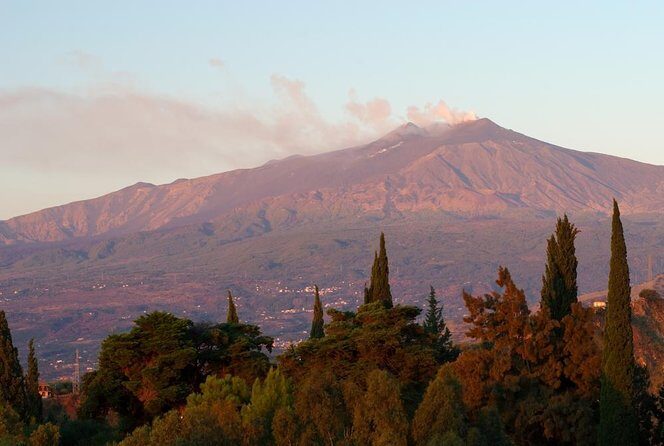
Etna has two personalities. The north side is greener in patches, quieter on the access roads, and more about raw volcanic ground than tour-bus stops. This tour leans hard into that. You’re not just looking at Etna from a viewpoint—you’re moving along a route that was once used for research, then transformed into a guided trek for certified volcanologists.
The result is a day that feels like understanding the volcano while you’re standing on it. You’ll see how fresh ash and lava cover old surfaces, where pioneer plants begin colonizing new ground, and how monitoring stations sit out on that lunar-looking terrain. Even if you don’t consider yourself a science person, the way the guide explains it keeps the whole walk meaningful.
Also, there’s a practical reason this north route is satisfying: fewer people reach these higher, more dramatic areas. When the group stays small and the guide controls the pace, you actually have time to look up, breathe, and take in what’s happening around the summit area.
You can also read our reviews of more tours and experiences in Sicily.

Getting Up to Piano Provenzana at 1,800m (and What It Really Means)
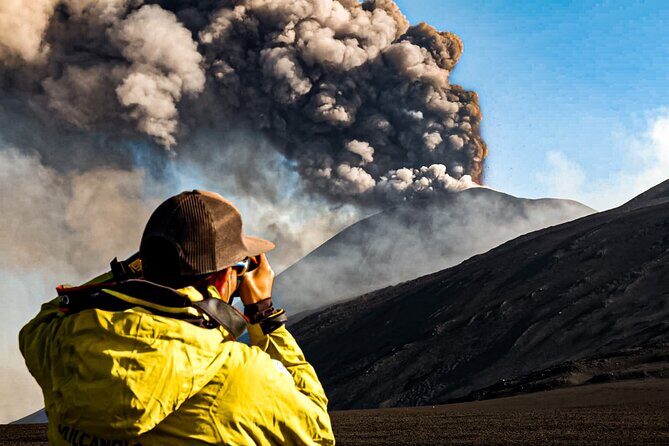
Your day starts at the meeting point at CHIOSCO BAR MARENEVE DI FERRARO Etna nord – Piano Provenzana, Via Provenzana, 95015 Linguaglossa CT, Italy, with a 7:45 am start time. You’ll spend your first chunk of time at Piano Provenzana, the north-side gateway reached by regular paved roads.
This is a small practical base, not a fancy resort. Expect souvenir shops, cafés, restrooms, and a parking area in blue-striped spaces where you pay for parking for the day. In winter it’s a ski station, and in warmer months it becomes the start point for guided hikes and excursions.
The key detail here is what happened in 2002. Piano Provenzana sits inside the lava field from the October 27, 2002 eruption, which wiped out earlier tourist facilities like restaurants, hotels, ski lifts, and trails. That’s why the access road feels like a living timeline: dense forest running right into stark lava flows. It’s one of those “wait, this is real” places.
You’ll also notice something else: from Piano Provenzana, you don’t just drive yourself higher. You move forward only with licensed guides on approved vehicles. That matters because it keeps you on route in a place where terrain can be unpredictable.
Craters and INGV Monitoring on the Way Up (Piano delle Concazze Stop)
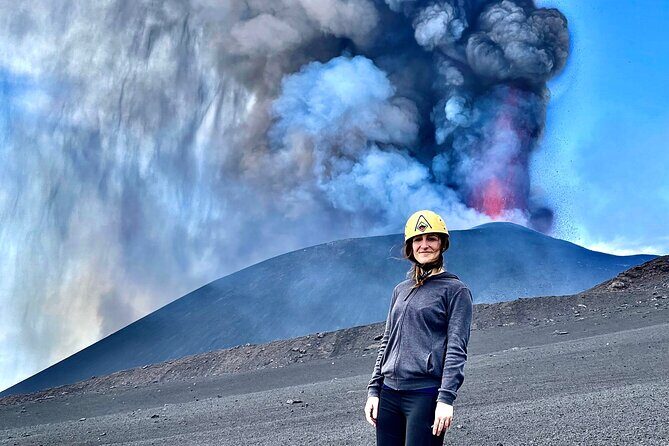
After a short briefing at Piano Provenzana, the tour shifts into the panoramic north drive—crossing forests and wide lava fields and passing the ruins of old tourist infrastructure. One memorable marker in the route is the semi-buried hotel roof still visible from the access road. It’s a stark reminder that eruptions don’t just threaten the summit. They reshape the whole travel map.
As you climb toward the upper volcano, you’ll hear explanations while you pass:
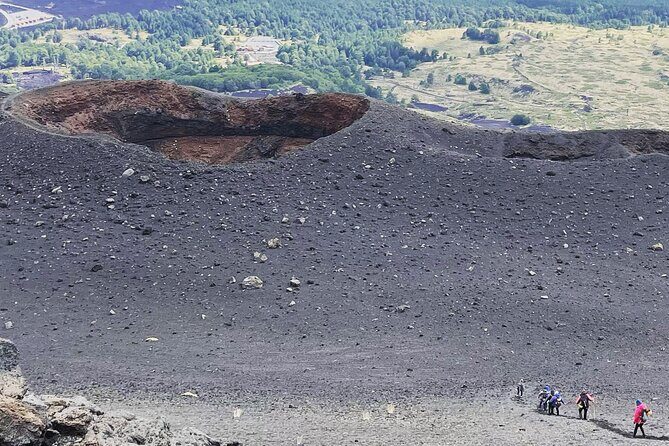
- craters that are over 40 meters deep
- eruptive fractures cutting through the terrain
- wide summit-lava flows
- hardy plants starting to grow where fresh rock is still new
One of the most interesting parts is seeing monitoring stations—including INGV presence—dotting the landscape. This turns the day from “pretty volcano hike” into “how we keep track of an active system.”
You end this section at Piano delle Concazze (2,860m) beside the Etna Nord Volcanological Observatory. On a clear day, the views stretch far: from Catania to Syracuse, across the Nebrodi and Peloritani ranges, toward the Madonie, past the direction of the Aeolian Islands, and even toward Calabria. It’s not just sightseeing. It’s a geographic lesson in where Etna sits inside Sicily’s larger landscape.
The 7 km Mount Etna Hike: Crater Edges, Lava Tubes, and Historic Flows
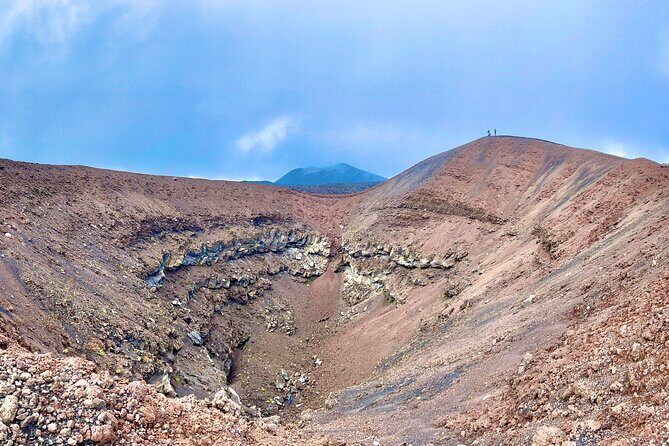
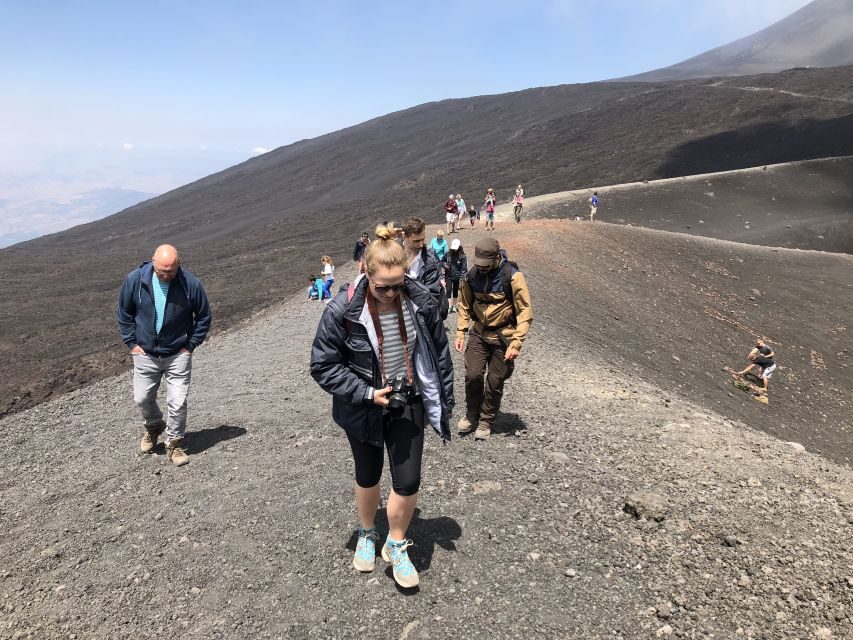
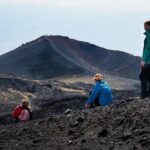
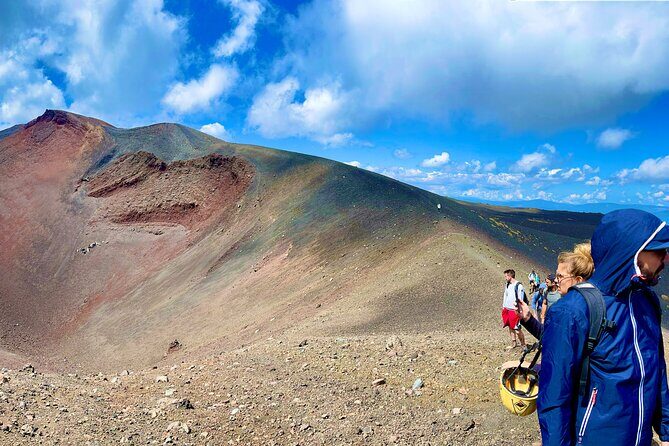
This is the main event. The trek takes place on the wild north flank of Europe’s highest active volcano, guided by certified volcanologists. Vehicles take you higher along that north route, crossing the same forest-to-lava transition and passing the remnants from the earlier tourist facilities again as you head up.
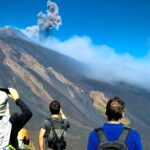
When the summit is closed, you’ll still ride to about 3,000m, which is the highest point allowed then. Above, active craters can be steaming and visibly active, depending on conditions.
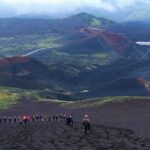
Once you start walking, expect a route around 7 km. Good fitness helps here because you’ll walk on volcanic surfaces that can be inconsistent and unstable, and you’ll spend time moving along crater edges where dizziness can happen for susceptible people.
What makes the hike special is what you actually visit. The route is designed to show you multiple volcanic layers and time periods, including craters associated with eruptions from:
- 2002
- 1911
- 1923
- 1874
- 1879
- 1809
- 1646
- 1614
- 1624
You’ll also see the dramatic north-flank fault, ancient lava tubes, and pioneer plants pushing into new ground. This isn’t a one-topic walk. It’s a “spot the evidence” tour, where the guide connects visible features to how Etna behaves.
Then you finish with a descent back toward Piano Provenzana: a sandy-channel and forest route that feels different from the rocky ascent. It’s often the part where you realize just how much the ground changes even over a few hours.
Practical tip: take the first minutes slow. Your body has to adjust to altitude and dust. Don’t fight the pace.
What You Get, What You’ll Wish You Brought, and How to Stay Comfortable
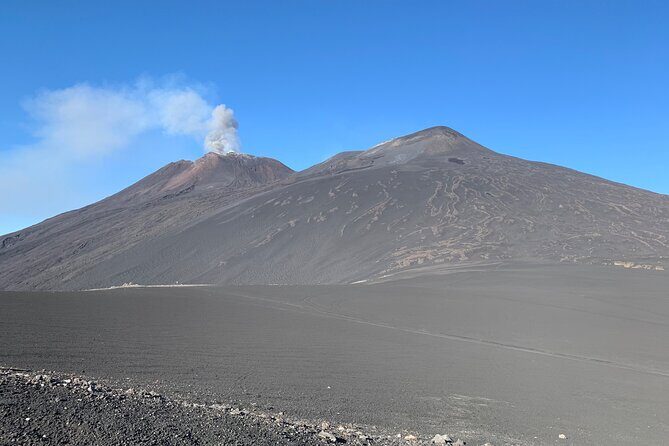
The tour is surprisingly well thought-out for a volcanic hike. Included gear covers the big stuff: trekking poles, trekking shoes, helmets, a warm jacket, extra socks, and an extra backpack. There’s also insurance for accidents, and the entry/admission to Mount Etna is part of the package.
What’s not included:
- a windbreaker
- parking, paid on-site (about €5 weekdays / €8 Sundays and public holidays)
- a 4×4 vehicle fee paid on the spot: €50 per person
- transport from your accommodation
That €50 4×4 fee is the detail I’d plan for early. It can be easy to miss if you’re only looking at the headline price. If you’re budgeting, treat that as part of the real cost of reaching the high north terrain.
For what to bring, focus on comfort and basic protection:
- water (your body will appreciate it on dusty ground)
- a hat if you’re going in warmer months (reviews mention little/no shade and a big sun effect)
- avoid contact lenses if you’re sensitive, since volcanic gases and ash can cause issues
The guide will provide helmets and a warm layer, which is great. Still, weather at Etna can turn. A windbreaker is the kind of thing that saves your day even when the morning looks calm.


Guides Like Pepe, Linda, Poldo, Vincenzo, and Domenico Make the Difference
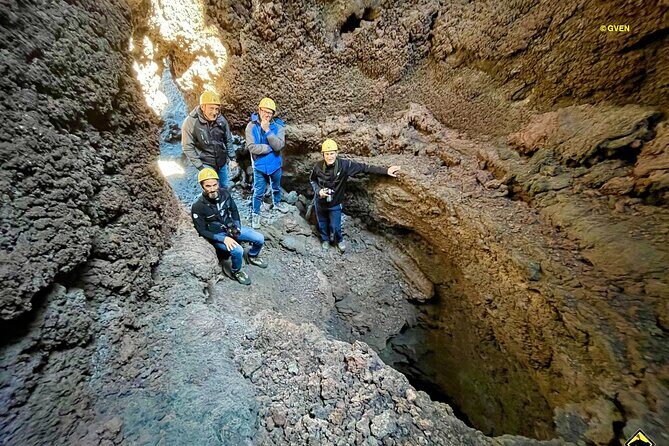
This is one of those tours where the guide quality really shows. The experience is led by licensed volcanological guides, and multiple guide names show up in people’s feedback: Pepe, Linda, Poldo, Vincenzo, and Domenico.
What stands out from their approach is how the science stays understandable. One day can be packed with:
- crater depth explanations
- why certain fissures matter
- how eruptions from decades past still show on the ground
- what monitoring stations are doing there, and why
And you get answers without feeling rushed. With a maximum of 20 travelers, the guide can actually manage questions and keep the group together—useful when footing is uneven and the pace needs to stay safe.
If you like learning while walking, this is ideal. If you prefer quiet sightseeing, you can still enjoy the route, but you should expect the guide to talk a lot. That’s the point: volcanology in real-world form.
Making Sense of the Price: Is €71.20 Good Value for Etna?
The price here is $71.20 per person, for about 4 hours 30 minutes. On paper, it’s easy to think “Etna tours are all expensive.” But this one is more reasonable than it looks once you compare what’s included.
You’re not just buying a viewpoint. You’re paying for:
- licensed volcanological guidance
- equipment (including trekking poles, helmets, warm jacket, and shoes)
- entry/admission to Mount Etna
- an organized route that uses authorized vehicle access
- insurance coverage for accidents
Then there’s the extra on-the-day 4×4 vehicle fee (€50 per person) plus parking. Those add cost, but they also explain why you can reach the wild north areas safely and legally.
My take: this is a good value if you want the north side experience—craters, observatory area, and the crater-edge hike—without spending a whole day driving yourself around. If you only want a short scenic stop, you might feel it’s more effort than you want.
Best For Who (and Who Should Reconsider)
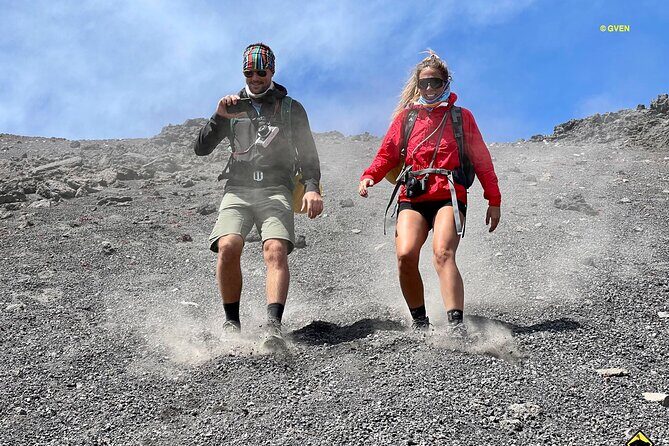
This outing is suited to people with moderate physical fitness. The route involves ascent and walking along crater edges. It’s also described as not recommended for people with cardio-vascular problems, breathing problems, or hypertension, and dizziness can happen for sensitive individuals.
If you’re a regular hiker, you’ll likely find the challenge manageable—still real, just not extreme for someone who walks often. You should also be comfortable in volcanic dust and uneven ground.
Kids: the route is described as suited for children over 6 years old, but the general physical precautions still apply. If you’re traveling with kids, keep the safety and pace expectations clear before you go.
Also, if you wear contact lenses, consider swapping to glasses for the day due to gas/ash exposure risk.
Finally: start time matters. The 7:45 am departure is there for a reason, and it helps with weather and timing on a summit that may or may not be accessible depending on conditions.
Should You Book This Wild Etna North Volcanological Excursion?
Book it if you want Etna that feels honest and less controlled—the north side, smaller group size, and the chance to walk where evidence of multiple eruptions is still visible. I think it’s a smart pick when you care more about understanding the volcano than checking the biggest Instagram angles.
Pass or rethink if you’re not comfortable with:
- a 7 km trek on volcanic soil
- crater-edge walking where dizziness can be an issue
- high-altitude exertion
- the idea of additional on-the-day costs like the €50 4×4 fee and parking
If you go, bring your best hiking shoes, plan for dust and sun, and be ready to learn. When the weather is clear, the viewpoints from high up are the kind of payoff that makes the early start feel worth it.
FAQ
What is the meeting point for the tour?
You meet at CHIOSCO BAR MARENEVE DI FERRARO Etna nord – Piano Provenzana, Via Provenzana, 95015 Linguaglossa CT, Italy.
What time does the excursion start?
The start time is 7:45 am.
How long is the experience?
It lasts about 4 hours 30 minutes.
Is the tour in English?
Yes, the experience is offered in English.
What equipment is included?
The tour includes trekking poles, trekking shoes, helmets, a warm jacket, extra socks, and an extra backpack.
Do I need to pay extra for parking or 4×4 vehicles?
Parking is paid on-site (about €5 weekdays and €8 Sundays/public holidays). There is also a €50 per person fee paid on the spot for the authorized 4×4 vehicles.
Is admission to Mount Etna included?
Admission/entry to Mount Etna is included in the tour.
What fitness level do I need?
It’s suited to travelers with moderate fitness. The hike involves ascent and walking along crater edges, and it’s discouraged for people with certain health issues such as cardio-vascular problems, breathing problems, or hypertension.
What happens if weather is bad?
The experience requires good weather. If it’s canceled due to poor weather, you’ll be offered a different date or a full refund.
My final booking verdict
If your goal is Etna on the wild north side with a certified volcanology guide, a real walk, and strong views when conditions are good, this is a very solid choice. Just budget for the on-the-day vehicle fee and be honest with yourself about footing, dust, and altitude.