REVIEW · TAORMINA
Taormina: Cannoli Making Class
Book on GetYourGuide →Operated by Noema Viaggi Srl - Sicilyexcursions · Bookable on GetYourGuide
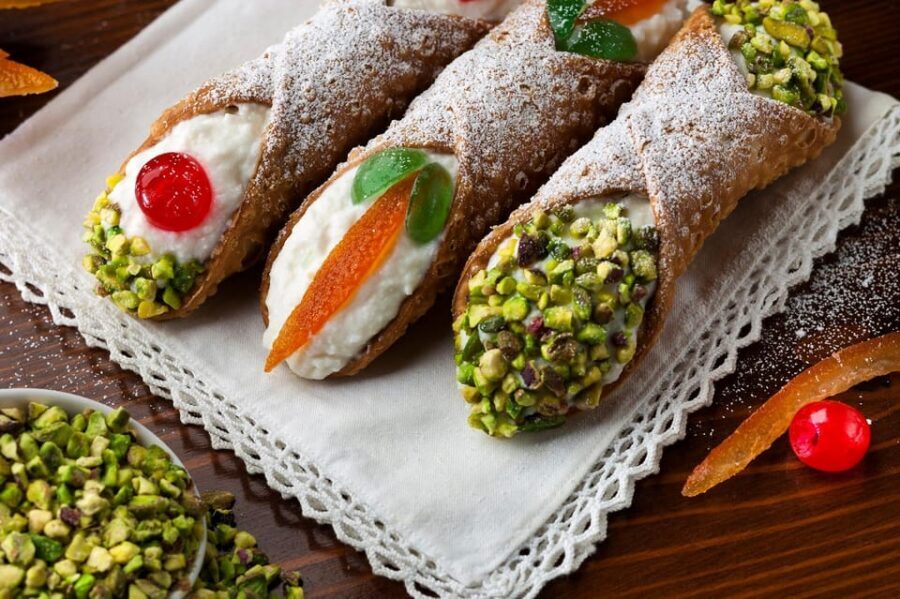
Making cannoli feels like Sicily in your hands. In this Taormina cooking class, you’ll learn the shell and cream basics behind the island’s most famous dessert, guided by an English-speaking local chef like Carmelo or Mary. I love that you actually get your hands dirty with kneading and frying, and I love that you don’t just watch—you taste what you make. One possible catch: the workspace can feel tight, so if you’re sensitive to crowded cooking stations, plan to be flexible.
You meet at Porta Messina and spend about 1.5 hours learning the process, taking a quick coffee break with water, and leaving with both a box of cannoli and the recipe. The class also covers a bit of cannoli history, so it’s not just technique—it’s context for why the dessert is so Sicilian. For most people, that short format is the point: you’ll be fed, informed, and out the door without a half-day commitment.
In This Review
- Key Things That Make This Cannoli Class Worth It
- Getting Oriented: Porta Messina and What You Actually Do
- What I like about the setup
- Possible drawback to keep in mind
- History and Sicilian Secrets (Before You Start Frying)
- The Cannoli Shell: Kneading Dough and Frying It to Crisp
- What to expect during shell prep
- Why this is a real skill, not just a fun activity
- The Cream Filling: Making It Taste Like the Real Deal
- Why the filling instruction is valuable
- Your payoff
- Coffee Break, Tasting, and the Recipe Takeaway
- The certification of attendance
- Price and Value: How $68 Fits a 1.5-Hour Workshop
- What could affect value for you
- Who This Class Suits (and Who Might Want to Skip It)
- A few “not for you” notes
- Practical Tips So You Leave With Better Cannoli (Not Burn Scars)
- How to get the most from the instructor
- Make room in your day for the taste and takeaway
- Should You Book This Taormina Cannoli Making Class?
Key Things That Make This Cannoli Class Worth It
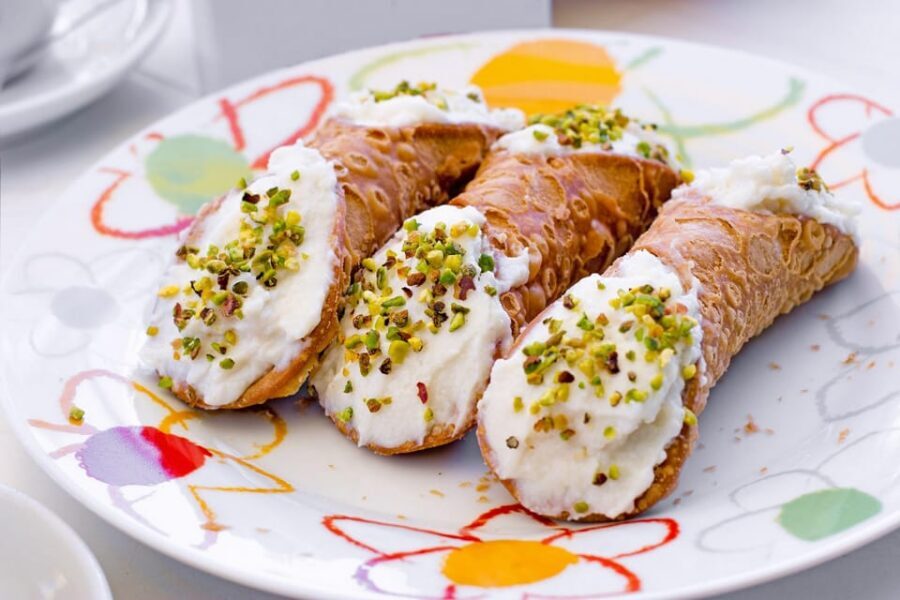
- Hands-on shell frying: You knead and fry the dough, not just assemble it.
- Cream filling practice: You learn how the filling comes together for a true cannoli texture.
- A small-group vibe: Some sessions run around 6 people, which helps you get attention while cooking.
- Taste + takeaway: You eat what you make and bring the recipe with you.
- Simple refreshment break: Coffee and water keep energy up during the sweet work.
Getting Oriented: Porta Messina and What You Actually Do
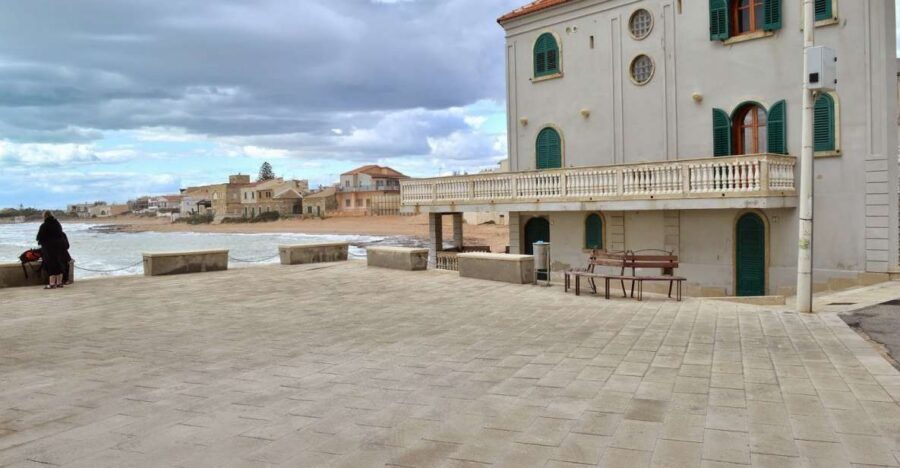
The class starts at a clear local spot: in front of Porta Messina restaurant in Taormina. There’s no transfer included, so you’ll want to build in time to get there on foot or by local transport. If you’re staying in the old center, it’s usually a straightforward walk, but still, don’t schedule it as a last-minute sprint.
Once you arrive, the format is focused and practical. You’ll be working with dough and ingredients, so expect a hands-on session where the chef explains what you’re doing and then you get to do it. Your practical advantage here is that it’s short: you learn the steps that matter most, instead of spending hours watching someone else do it.
You can also read our reviews of more tours and experiences in Taormina


What I like about the setup
You’re in “learning mode” from the first minutes: dough handling, frying, and filling. That means you pick up technique faster, because you’re not separated from the process by long lectures. It also helps you taste the result while it’s fresh and still true to the method.
Possible drawback to keep in mind
Because the activity revolves around a working kitchen setup, space may be limited. One review specifically noted that the space could be larger. If you prefer wide-open workstations, go in with the expectation that you’ll be close to your fellow classmates while you cook.
History and Sicilian Secrets (Before You Start Frying)
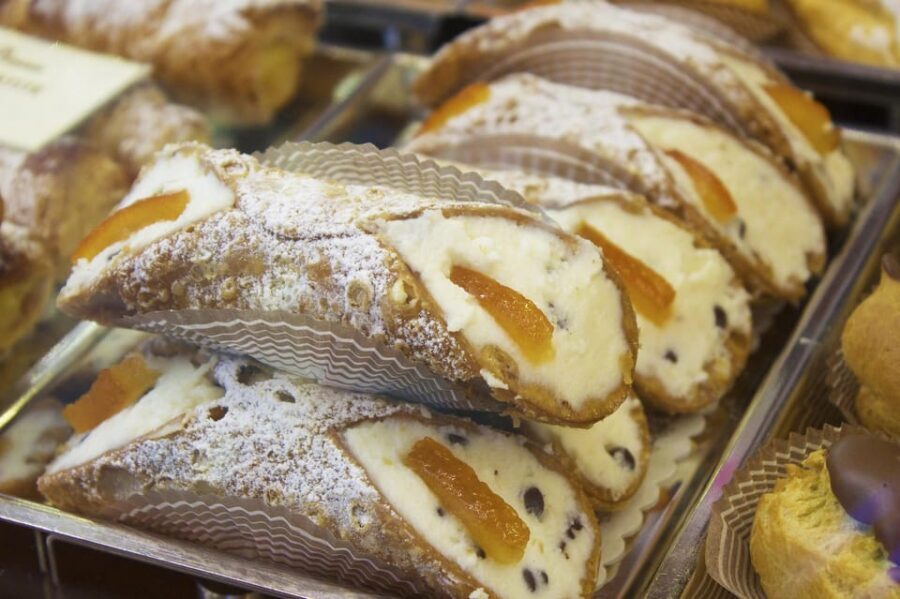
You don’t jump straight to cannoli shells without any story. The chef shares the background of cannoli and what makes the recipe distinctly Sicilian. That matters more than you might think. If you understand what the dessert is supposed to be—crisp shell, rich filling, the contrast in textures—you can judge your own results better when you’re cooking.
Then you get the secrets of preparation. The class is designed so you understand not only what to do, but why the method matters. That’s what turns a sweet project into a skill you can repeat later at home.
And yes, you’ll be learning in English. If you’re traveling with limited Italian, this is a big comfort. You’ll still want to pay attention to the hands-on instructions, because cooking is visual as well as verbal.
The Cannoli Shell: Kneading Dough and Frying It to Crisp
Here’s the part that makes this class feel worth it: you knead the dough with your own hands, then you fry it. This isn’t just a “try a tiny step” class. You’ll participate in the key physical work that shapes the cannoli shell.
The shells are the structure of the whole dessert. Get the dough handling wrong and you can end up with shells that don’t fry right or don’t stay crisp. The chef’s guidance helps you avoid common issues, like dough that’s too thick, too uneven, or mishandled during frying.





What to expect during shell prep
You’ll follow the chef’s instructions for preparing and handling the dough, then shaping it for frying. During the frying part, you’ll be able to take turns—so you don’t just stand around waiting. In one described session, each person had their own set of ingredients and took turns frying the shells, which is exactly the kind of structure that keeps everyone involved.
Why this is a real skill, not just a fun activity
A store-bought cannoli shell is crisp for a reason, and frying is where that texture comes from. Doing it yourself helps you understand the thin line between “perfectly crisp” and “oops, that one’s not right.” It also makes your takeaway more meaningful: when you bring the recipe home, you’ll remember the method that produced the shell.
The Cream Filling: Making It Taste Like the Real Deal
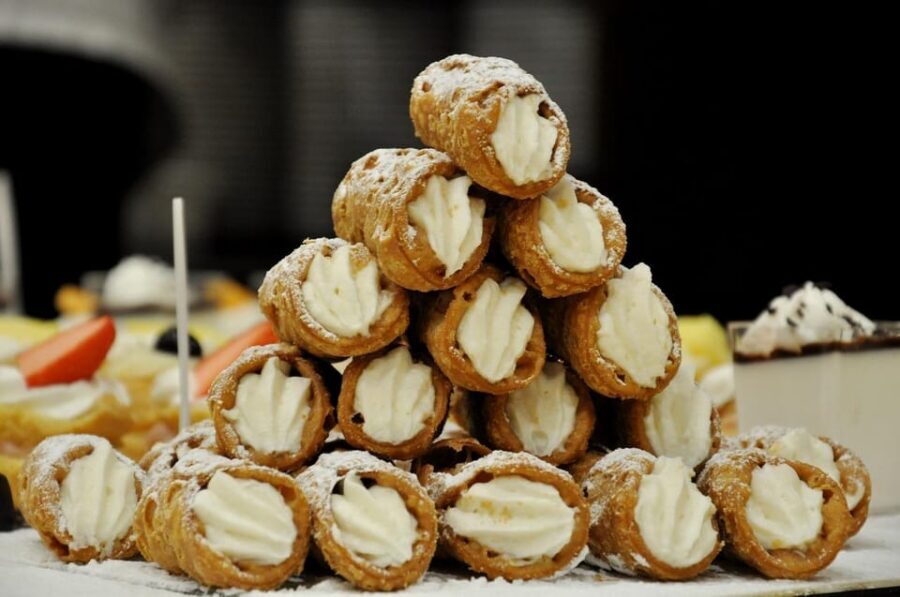
Cannoli cream is where a lot of people go wrong at home, usually because they focus on sweetness and forget the texture. In this class, you learn how to prepare the delicious cream that goes inside the shell. The aim is balance: creamy, rich, and ready to pair with a crisp exterior.
The chef walks you through the preparation so you understand how the filling is built and how to finish it for serving. You’ll learn what the filling should feel like and how it behaves when it meets the shell.
Why the filling instruction is valuable
Even if your shell is decent, the cannoli won’t feel right if the filling texture is off. Training on the cream side helps you reproduce the full dessert experience, not just the “cannoli name.” This is the kind of practical teaching that’s hard to get from a recipe page.
Your payoff
At the end of the class, you taste your cannoli creation. That tasting step matters because it turns the kitchen lesson into a direct result you can evaluate. And since you’re eating what you made, you don’t leave guessing whether your technique worked.
Coffee Break, Tasting, and the Recipe Takeaway

You’ll get a coffee break plus water during the class. It’s a small detail, but it makes a big difference in a hands-on cooking session. It helps you reset so you can focus for the next step rather than pushing through on empty.
When it’s time to taste, you’ll try your sweet creation. This isn’t a token bite; the class is set up so you leave with a result you can be proud of. One review mentioned leaving with a box filled with cannolis, which is the perfect kind of souvenir: edible, local, and made by you.
You’ll also bring home the complete recipe. That part is important for value. A cooking class is most useful when it gives you something repeatable. The recipe gives you a path back to the method, even if you can’t recreate Taormina’s kitchen conditions.
The certification of attendance
You also receive a certification of attendance. It’s not why you come for cannoli, but it’s a nice touch that makes the experience feel official and complete.
Price and Value: How $68 Fits a 1.5-Hour Workshop
At about $68 per person for 1.5 hours, the question isn’t only the number—it’s what you get for that time. You’re not paying for a show. You’re paying for instruction, hands-on frying and filling, and ingredients plus tasting.
What makes the value feel reasonable is the full experience loop:
- Learn the process (history + secrets)
- Make the cannoli (shell and cream with your own hands)
- Eat the result
- Take the recipe home
If you’ve spent time in tourist kitchens where you do one tiny task, this is different. The class is short but not skimpy in participation. In one account, the group was only 6 people, and the instructor walked everyone through steps while everyone took turns frying. That kind of pacing is what you’re trying to “buy,” even when you can’t see group size ahead of time.
What could affect value for you
If you’re already confident baking and you mostly want a taste, you might see this as more labor than needed. But if you like learning technique—especially frying and texture—this price is tied to real skill building, not just eating.
Who This Class Suits (and Who Might Want to Skip It)
This is a great fit if you want an authentic Sicilian food experience without a long itinerary. It’s especially good for:
- Couples and small groups who want something active but not strenuous
- Food lovers who like learning how texture is made
- Travelers who want a practical recipe to take home
It’s taught in English, so it’s also friendly if you don’t speak Italian. You’ll need comfortable clothes, and you should bring a camera if you want to document the process.
A few “not for you” notes
- Pets aren’t allowed.
- It’s not suitable for babies under 1 year.
- If you dislike close-quarters workspaces, keep in mind the class may feel crowded at the stations.
Practical Tips So You Leave With Better Cannoli (Not Burn Scars)
You’ll be working with dough and frying, so your choices before you arrive matter.
Bring:
- A camera
- Comfortable clothes
Wear comfortable clothing you don’t mind getting a little doughy. And don’t assume your outfit will stay spotless—this is cooking, not a museum visit.
How to get the most from the instructor
Listen closely to the chef’s guidance for the shell dough and frying. The most common issue in homemade attempts is not having the right handling or timing. Since the class is short, ask questions when you get the chance, especially if you’re unsure about dough consistency or frying cues.
Make room in your day for the taste and takeaway
Because you’ll be eating what you make and leaving with cannoli and a recipe, don’t rush out immediately after the final step. Plan a bit of buffer so you can enjoy the result rather than packing it away mid-sweet.
Should You Book This Taormina Cannoli Making Class?
I think you should book this class if you want a hands-on Sicilian food lesson in a tight time window. For $68 and 1.5 hours, you get real participation: kneading, frying, filling, tasting, and a recipe to take home. The format is ideal for travelers who like doing more than watching.
You might want to skip it if your main goal is just to eat cannoli without any cooking involvement, or if you dislike cramped working environments. Otherwise, this is a straightforward, local, skill-based activity that leaves you with something better than a souvenir: a method you can repeat.
If you’re in Taormina and you want cannoli that actually comes from technique, not shortcuts, this class is a smart pick.