REVIEW · SICILY
Share Your Pasta Love in Local’s Home in Messina
Book on Viator →Operated by Cesarine: Cooking Class · Bookable on Viator
A real Italian kitchen beats any demo studio. This 1.5-hour class in Messina is hands-on from start to finish, with you learning fresh pasta technique and ending with dessert and wine. I love the small-group vibe and the way the host turns cooking into a meal you share, not a performance you watch.
You’ll likely be welcomed by a friendly local host such as Rosella, Daniela, or Consuelo, then guided through making two pasta dishes plus tiramisu. The possible drawback: you may run into a bit of language friction, since English is offered but home life is still home life, and communication can get practical (meaning lots of pointing, tasting, and smiling).
In This Review
- Key things to know before you go
- A Messina Home Kitchen Beats Any Cooking Studio
- Where You Meet (and Why That Matters)
- The Welcome Aperitif and the Start of Your Sicilian Meal
- Making Two Pasta Dishes: The Real Skill Is in the Hands
- Tiramisu in a Sicilian Home: Dessert That’s More Than Sweet
- Sitting Down to Your Pasta: Wine Pairing and a Real Table
- Morning vs Afternoon: How to Choose the Right Slot
- Group Size, Private Option, and How Personal It Feels
- Price and Value: Is $95.53 Fair for This Experience?
- What You’ll Learn That Actually Transfers Back Home
- Who Should Book This Class (and Who Might Skip It)
- Should You Book This Messina Pasta Class?
- FAQ
- What will I make during the class?
- Is the class offered in English?
- How long does the class last?
- Is the group small?
- What’s included with the meal?
- Can I cancel and get a full refund?
Key things to know before you go
- Learn two fresh pasta dishes plus tiramisu in about 90 minutes
- English is available, with a hands-on, teach-by-doing approach
- A sit-down meal with local wines happens right after your cooking
- Small group size (max 12) keeps the pace personal
- Morning or afternoon class lets you match it to your day in Messina
- Private classes can be more personalized if you want extra attention
A Messina Home Kitchen Beats Any Cooking Studio
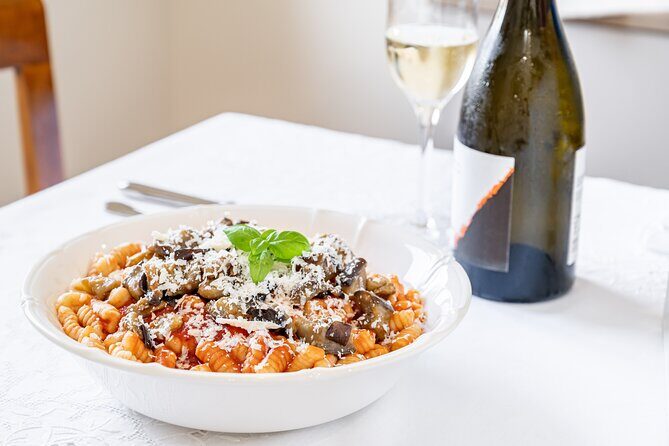
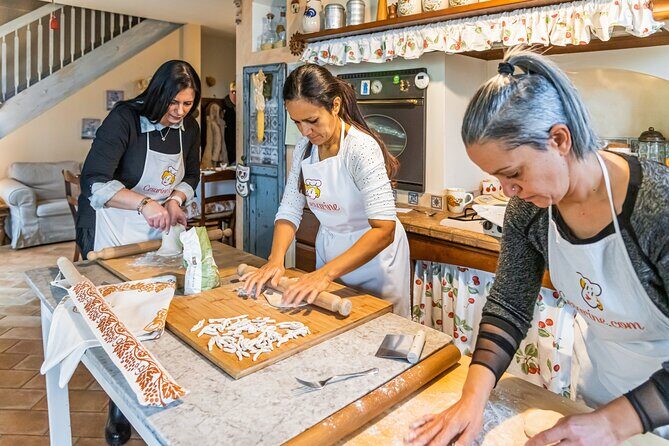
This experience works because it’s set inside a local home in Messina, not in a fenced-off classroom. The payoff is practical: you learn the feel of the dough, the rhythm of kneading, and the real workflow people use when they’re making food for family. That matters, because pasta isn’t “hard,” but it is touchy. If you’ve only ever made dried pasta at home, fresh pasta is a whole different thing.
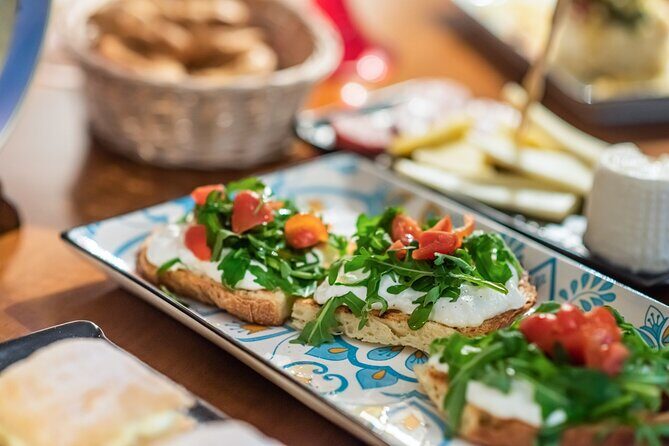
You also get a dose of Sicilian hospitality right away. The start includes a small appetizer and aperitif so your taste buds stop being tourists and start being curious. Then you move into the kitchen portion where the host guides you through mixing, kneading, and shaping. And once the pasta is ready, you sit down together and eat what you made, paired with local wine.
One more smart detail: the class is capped at 12 participants, so you’re not lost in a crowd. With that setup, you can ask questions, get corrected before you go too far, and actually finish with plates that feel like yours.
You can also read our reviews of more tours and experiences in Sicily.



Where You Meet (and Why That Matters)
You start at Via Osservatorio, Messina ME, Italy, and the activity ends back at the same meeting point. That round-trip convenience is small, but it keeps your day simple—especially if you’re pairing this with other Messina stops.
Another practical win: it’s near public transportation. If you’re not renting a car (and most people won’t in a city), that means you’re less dependent on exact timing. A hands-on cooking class also punishes late arrivals. You want to get there with a little buffer, because the appetizer and aperitif are part of the flow.
Also note the overall time window: plan for about 1 hour 30 minutes. That’s long enough to learn and eat, but short enough that you’re not locked into a half-day. It’s a great fit for people who want an authentic food experience without sacrificing their sightseeing time.
The Welcome Aperitif and the Start of Your Sicilian Meal
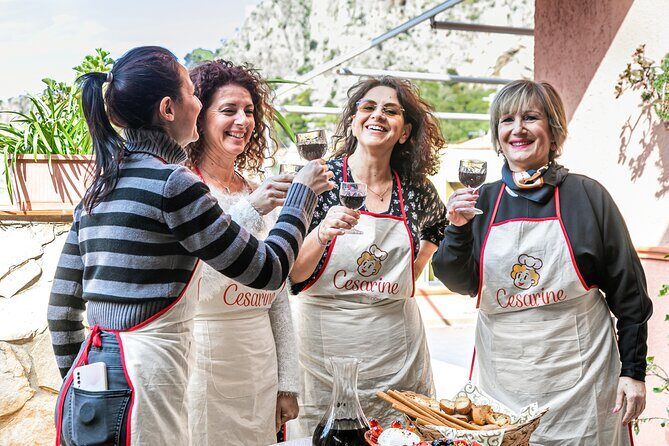
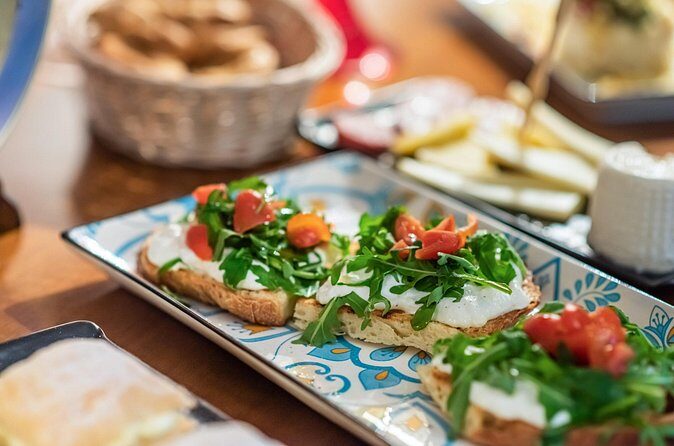
The class begins with a warm welcome that includes a small appetizer and an aperitif to set the mood and flavors of Messina. This isn’t random snack service. It’s a gentle way to get you thinking like the host—what flavors work, what textures belong on the table, and how the meal moves from bite to bite.
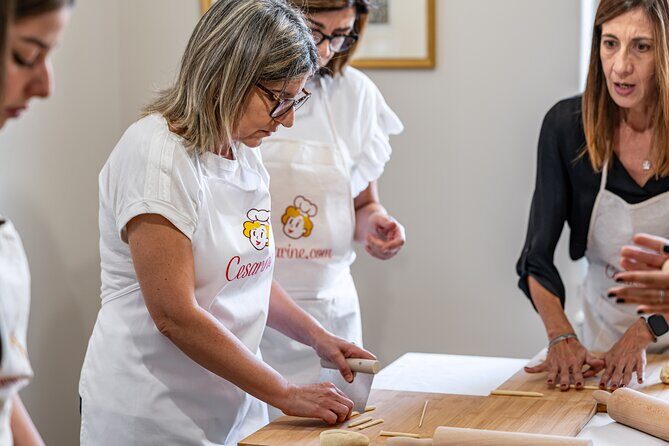
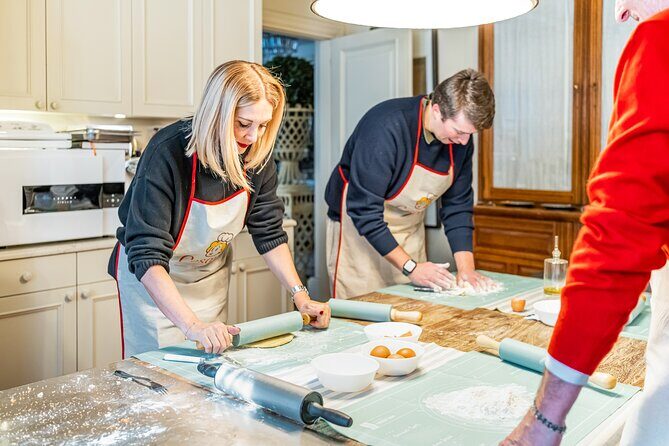
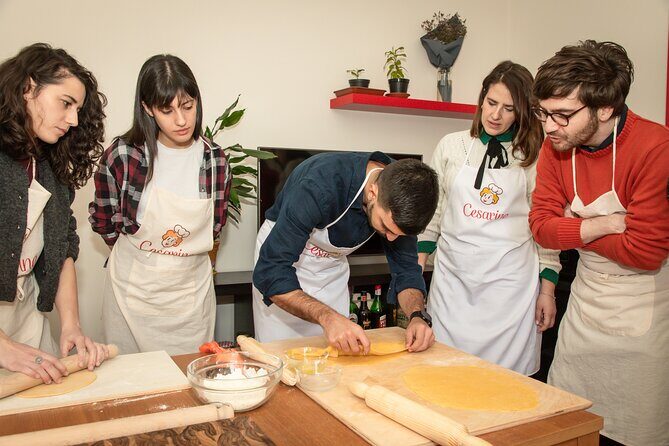
Then you’ll get into the kitchen instructions. The host’s role is key here: they guide you on the dough basics and on shaping steps, not just the ingredients list. Fresh pasta has a few non-negotiables—like how the dough should feel as you knead, and how it should behave when you roll or shape it. You can read about that all day, but it clicks when someone watches your hands and corrects you before you overwork the dough.
And because this is in a home setting, you’re not just learning technique. You’re learning pacing. When to switch tasks. When to taste. When to slow down so the dough doesn’t dry out. That’s the kind of advice that helps you later, back in your kitchen.
Making Two Pasta Dishes: The Real Skill Is in the Hands
You’ll learn to make two pasta dishes, guided through mixing, kneading, and shaping with traditional Sicilian technique. The exact pasta styles can vary, but you’re likely to work with classics such as pappardelle, tagliatelle, or ravioli. The “why” is simple: these shapes teach you different pasta skills.
- Pappardelle and tagliatelle help you understand rolling thickness and cut consistency.
- Ravioli teaches you dough discipline and filling control, because you’re shaping, sealing, and cooking with care.
You’ll also get a look at how Sicilian pasta can include local flavors and specialties. The menu examples include dishes like Pasta ’ncaciata and other Sicilian-style pasta preparations such as Pasta a picchi pacchi and Pasta ’a carrittera. You might not make every one of these, but the point is that the menu stays grounded in what people actually eat, not just generic “Italian pasta.”
The best part is that you’re not stuck watching someone else work. You’re part of the production line. That makes it easier to remember what to do later: your body learns the steps, not just your brain.
Tiramisu in a Sicilian Home: Dessert That’s More Than Sweet
After the pasta comes tiramisu, and that’s where this class becomes more than a pasta lesson. Tiramisu can look straightforward on paper, but getting the balance right takes care—timing, layering, and texture awareness.
In a home kitchen, you also learn the logic behind the steps. Why certain ingredients are used in a certain way. How long you let things rest. How you avoid turning dessert into mush. That kind of hands-on guidance is the real value, because it’s what separates decent tiramisu from “I want seconds.”
If you’re the type who loves cooking as a hobby, this dessert component is a bonus. If you’re not, it still matters, because it gives you something to take home that feels special, not just bread-and-butter Italian.





Sitting Down to Your Pasta: Wine Pairing and a Real Table
Once your pasta is ready, you gather around the table in a cozy home setting to enjoy what you made. This is not a quick, take-a-photo-and-go meal. It’s a sit-down experience with local wines.
Wine is included: the class provides complimentary wine with a simple rule—one bottle per three guests. That’s a helpful detail because it sets expectations. You’re meant to enjoy the meal, not sprint between sips.
The hosts often keep the table conversation going, and the mood is informal in the best way. Based on what people describe from their time there, you may find extra family involvement, like sharing the meal with the host’s relatives. In some homes, you may even meet a family pet, such as a small dog named Nina. The key is that this is a lived-in culinary space, where food is part of the day, not a staged attraction.
Also, you’re eating what you cooked. That sounds obvious, but it’s surprisingly rare in experiences that call themselves classes. Here, the learning leads directly to the dinner.
Morning vs Afternoon: How to Choose the Right Slot
You can choose either a morning or afternoon class, which is great because Messina is best when you don’t rush. If you like a slower start and want to build your appetite naturally, a morning session can feel like the most relaxing way to begin the day.
If you prefer to tour first and then do something cozy, the afternoon option works well. Either way, keep in mind that this is a hands-on class with eating included, so treat it like part of your meal plan, not just an activity block.
Pace matters, too. The experience is about 90 minutes, so it stays focused. You won’t get dragged through extra theory. You’ll get just enough instruction to cook, and then you get the reward: eating your work with wine.
Group Size, Private Option, and How Personal It Feels
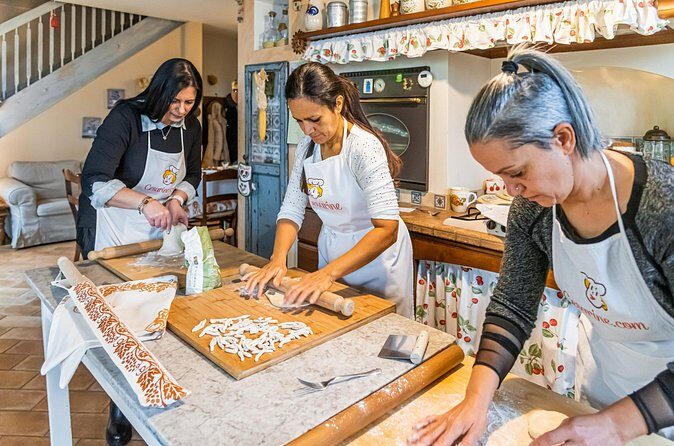
With a maximum of 12 travelers, this class lands in a comfortable zone. You’re not alone, but you’re also not competing for the host’s attention. That matters for pasta, because small corrections make a big difference—especially when you’re learning dough feel and shaping technique.
There’s also a private class option, which is ideal if you want more back-and-forth, faster help with hands-on steps, or simply a more relaxed atmosphere without group dynamics. If you’re traveling as a couple or a small family and want a smoother, more tailored experience, private is worth considering.
And because the class is offered in English, it’s easier to follow along even if your Italian is limited. Still, expect that cooking communicates in more than words. You’ll understand a lot through demonstrations, tasting, and the host’s direct feedback.
Price and Value: Is $95.53 Fair for This Experience?
At $95.53 per person, this isn’t the cheapest way to eat in Sicily. But it does include a lot of what usually costs extra when you pay à la carte: instruction, ingredients, a meal you sit down to, tiramisu, and complimentary wine.
Here’s the value math that makes sense for this kind of experience:
- You’re learning two pasta dishes plus tiramisu, not just making one item.
- You’re provided a welcome appetizer and aperitif to kick things off.
- You get wine included with your meal (bottle-per-group style).
- The setting is a local home with a small group cap.
If you’ve ever done cooking classes that feel like a lecture with snacks, this one is more like a true mini-production: you make the pasta, then you eat it as part of the same evening. For food lovers, that’s often worth paying for, because it turns into skills you can reuse back home—not just a dinner you forget.
The private option (when available) can be especially good value if you’re comparing it to paying for a similar-quality meal plus individual instruction.
What You’ll Learn That Actually Transfers Back Home
The best cooking classes teach you technique, not just recipes. This one is built around skills you’ll reuse:
- How fresh pasta dough should feel as you knead
- How to shape pasta so it holds together
- How to manage timing so everything finishes together
- How tiramisu layering affects texture
Even if the exact pasta dishes differ, the process carries over. After this, you’ll be less intimidated by fresh pasta. You’ll also have a clearer sense of what “right” looks like. That’s the real souvenir: confidence.
And if you’re a person who buys tools when they get inspired, this class may do that to you. Fresh pasta enthusiasts often leave wanting a pasta machine. That’s not required, but the impulse is common once you’ve made the dough and felt how satisfying it is.
Who Should Book This Class (and Who Might Skip It)
This experience is a strong match if you:
- Want a hands-on Sicilian food experience in a small group
- Like eating what you make, with local wine
- Enjoy learning through direct guidance rather than watching from the sidelines
- Want something more personal than a restaurant cooking demo
You might think twice if you:
- Don’t enjoy informal home settings (some tables feel very family-style)
- Are sensitive to communication challenges, since English is offered but you may still work through a bit of language nuance
- Want a long, structured “tour” with stops and walking (this is primarily cooking + eating)
For most people who want authentic, practical food time in Messina, it’s exactly the right size: focused, tasty, and not overly long.
Should You Book This Messina Pasta Class?
Book it if you want more than dinner. This class is for people who enjoy learning with their hands and then enjoying the reward immediately at the table. The combination of two fresh pasta dishes, tiramisu, a welcome aperitif, and included wine makes it feel like a full Sicilian meal experience, not a quick snack workshop.
Skip it only if you’re looking for something more sightseeing-heavy or if you strongly prefer a fully scripted, language-polished environment. Otherwise, this is the kind of booking that usually pays off fast: you’ll leave with new skills, good food, and a story that doesn’t feel like a typical tourist stop.
FAQ
What will I make during the class?
You’ll learn to make two fresh pasta dishes and tiramisu during the 1.5-hour experience.
Is the class offered in English?
Yes, the experience is offered in English.
How long does the class last?
The duration is about 1 hour 30 minutes.
Is the group small?
Yes. The class has a maximum of 12 travelers.
What’s included with the meal?
You’ll get a small appetizer and aperitif to start, and you’ll sit down to eat the pasta dishes and tiramisu with complimentary local wine.
Can I cancel and get a full refund?
Yes. You can cancel up to 24 hours in advance for a full refund.