REVIEW · PALERMO
Palermo storie e segreti: tour tra arte misteri e leggende
Book on GetYourGuide →Operated by Palermo a Piedi - Walking Tour · Bookable on GetYourGuide
Palermo’s secrets start in plain sight. This short walk pulls together art, street life, and legend, from cathedral carvings to market smells, all told by a local guide.
I especially like the way the tour connects big monuments to the stories Palermo people still repeat. I also like the practical pacing, with time to see major sights and still stop for real tastes in the old Capo market area.
One thing to consider: the tour is Italian only, and the Cathedral has a strict dress code (you may need to buy a cover at the entrance).
In This Review
- Key highlights you’ll feel immediately
- Three hours of Palermo: art, rumors, and food choices
- Meeting point near Feltrinelli: start on solid ground
- Cathedral of Palermo: the stop that rewards your attention
- Dress code you must plan for
- Entrance: included, but that’s not the whole deal
- Teatro Massimo legend: why Palermo loves a ghost story
- A practical tip
- Beati Paoli: secret sect stories in real streets
- Santuzza and the baroness of Carini: faith and tragedy
- Capo Market (del Capo): street food options without turning it into a meal tour
- Tastings are optional, not included
- What to do with your appetite
- Florio family story: how wealth shaped Palermo’s look
- Pasticceria Siciliana: sweets with a backstory
- What the guides do best: clear, animated, and flexible
- One small caveat
- Price and value: why $34 works for the right traveler
- Who this tour is perfect for
- Who might want a different option
- Should you book Palermo storie e segreti?
- FAQ
- Is the tour in English?
- How long is the walking tour?
- What is included in the $34 price?
- Are food and drinks included?
- Where do I meet the guide?
- What should I wear for the Cathedral of Palermo?
Key highlights you’ll feel immediately
- Cathedral of Palermo entrance included so you can actually step inside, not just stare at it from outside
- Teatro Massimo ghost legend makes the city’s nightlife history and rumors feel personal
- Beati Paoli sect stories turn Palermo’s alleys into a living plot
- Capo Market street-food stop options if you want bites, not a full meal plan
- Florio family history adds a real Palermo name tied to power and style
Three hours of Palermo: art, rumors, and food choices
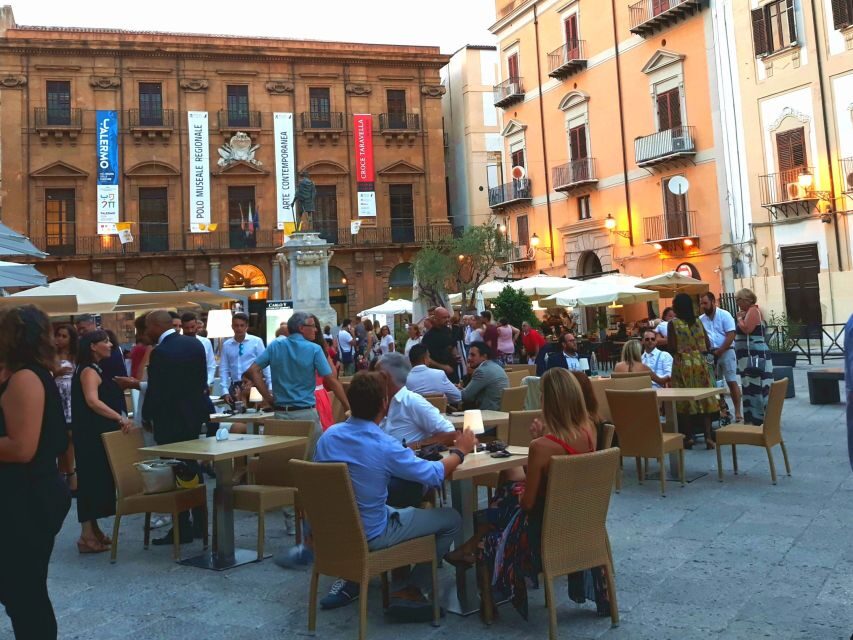
This tour is built for people who want Palermo fast, but not shallow. In 3 hours, you get the Historic Center’s main visual hits and the darker, stranger stories that locals associate with them. Instead of treating the city like a checklist, the guide treats it like a character with secrets.
The best part is the balance. You’ll be looking at real architecture and real streets, while the stories keep giving you a reason to keep your eyes up. And when the walk reaches del Capo, the mood shifts from monuments to senses: noise, scents, and the everyday energy that still defines Palermo.
The price is also easier to swallow than many “premium story” tours. At $34 for a 3-hour small-group walk with Cathedral entry included, you’re paying mostly for expert interpretation and the fact that the guide handles key access points.
You can also read our reviews of more tours and experiences in Palermo.

Meeting point near Feltrinelli: start on solid ground
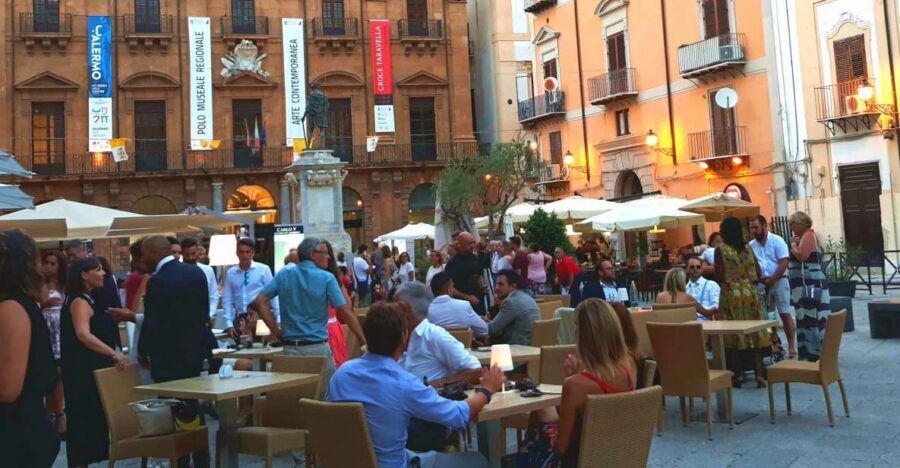
You’ll meet in front of the library Feltrinelli, and the guide wears a red tag that says tour guide. It’s a clear, easy-to-spot start, which matters when you’re on a tight schedule.
This kind of walking tour is strongest when you keep moving. The group stays tight, and you’re not stuck waiting behind a busload. If you’re arriving by cruise and want something short and meaningful, this length helps you enjoy Palermo without gambling your entire day.
Cathedral of Palermo: the stop that rewards your attention
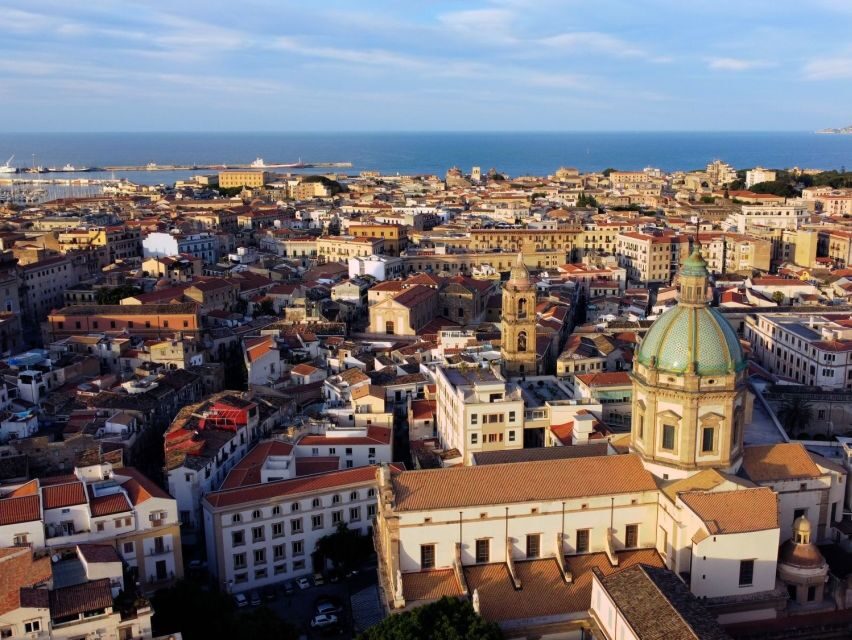
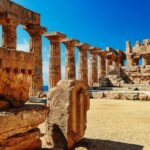
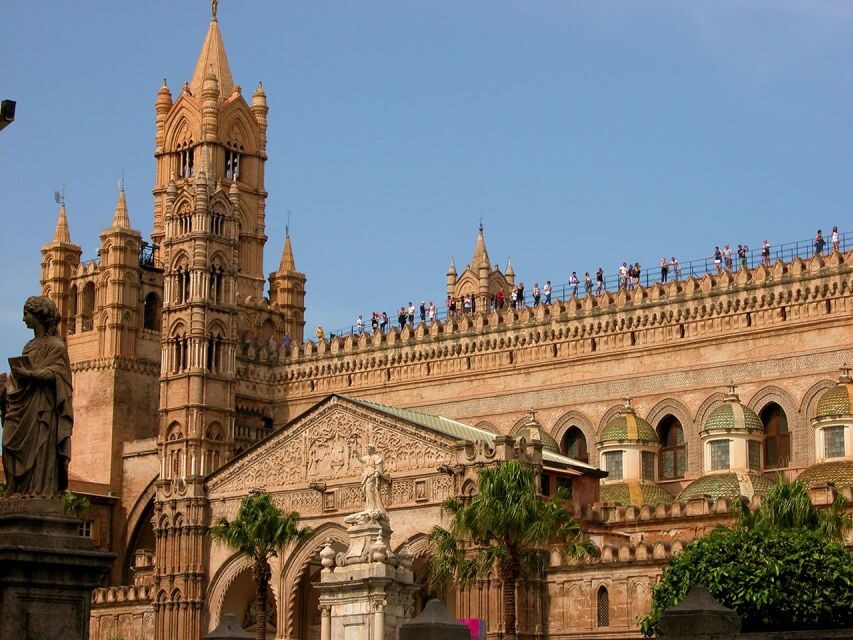
The tour’s first major anchor is the ancient Cathedral of Palermo, with its distinctive blend of influences visible in the details. Even if you’ve seen other historic churches in Italy, this one tends to surprise people because the architecture reads like a timeline rather than a single style.
What I like about starting here is that the guide can frame Palermo’s “layers.” Once you understand the city has been shaped by different eras and rulers, the rest of the tour makes more sense. You start noticing how stories attach to stone—how a façade or a doorway becomes part of what people remember.
Dress code you must plan for
Before you arrive, check your outfit. The Cathedral requires:
- Women: no shorts, no miniskirts, and no tops
- Men: no shorts and no tank tops
Bermudas and t-shirts are allowed. At the entrance, you can buy a light jacket for 1€ to cover shoulders and legs. If you forget, you’ll be solving it on the spot, so it’s worth planning clothes that match the rules.
Entrance: included, but that’s not the whole deal
The Cathedral entrance is included, which is a big value point. You’re not just passing by the building. Still, remember this is a walking tour. You’ll focus on key moments rather than turning into a full museum day.
Teatro Massimo legend: why Palermo loves a ghost story
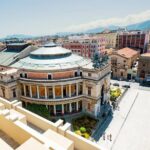
Next you’ll head toward Teatro Massimo, one of Palermo’s big cultural landmarks. The guide pairs the building’s presence with the legend of a mysterious ghost. It’s not just “spooky for fun.” The story helps you understand how public spaces become emotional spaces—places where people project drama, fear, and hope.
What makes this stop work is the way rumor becomes a lens. When you hear the legend while looking at the theater, you’re more likely to watch how Palermo imagines itself—especially around art, performance, and power.
A practical tip
If you’re the type who likes to see the outside details clearly, arrive with a bit of time to look up and around. On a walking schedule, you don’t get endless lingering, so taking 30 seconds to scan the façade or surroundings makes the story land better.
Beati Paoli: secret sect stories in real streets
Then comes one of the tour’s most distinctive themes: the events tied to the mysterious sect of the Beati Paoli. This is the part where Palermo turns into plot. The guide uses the city’s layout—alleys, corners, and older neighborhood rhythm—to explain why these kinds of secret societies became so believable in the first place.
I like story-based history when it helps you notice the environment. Here, you don’t just hear facts. You get a mental map of where intrigue fits into daily life.
Also, this section is a good reality check for expectations. If you came for pure archaeology, you might feel a bit more in “story mode” than in “museum mode.” But that’s the point of a tour like this: you’re learning how Palermo talks about itself.
Santuzza and the baroness of Carini: faith and tragedy
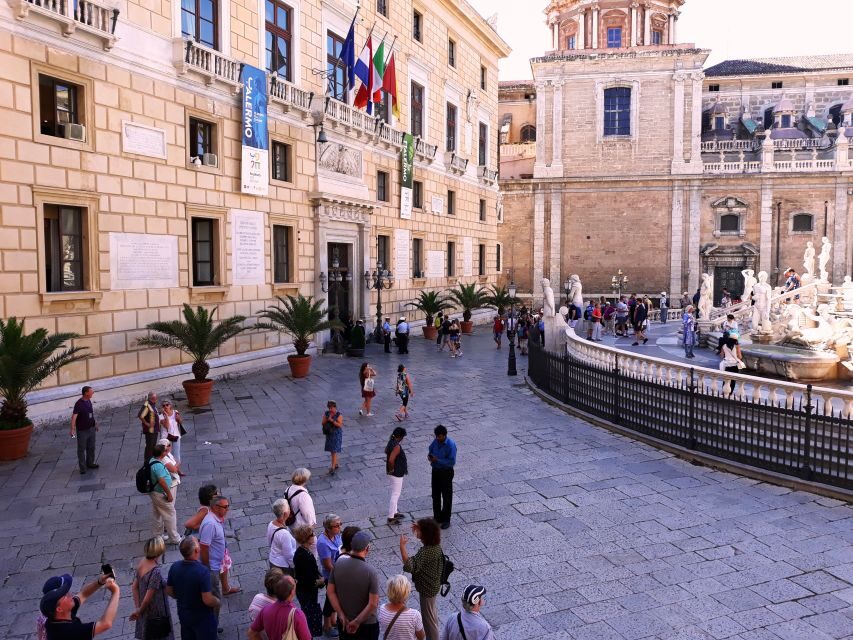
Palermo has a big religious heartbeat, and the tour brings that into focus with the story of santuzza (Saint Rosalia, Palermo’s protectress). You’ll also hear about the tragic love story of the baroness of Carini.
These moments matter because they connect the city’s spiritual identity to its everyday identity. It’s not distant history. People still use these stories to explain who they are and what they fear losing.
If you’re curious about how art, politics, and belief mix in a real city, this segment helps. You’ll also likely touch on themes like war and rebirth, and how Palermo absorbed trauma and rebuilt itself into something recognizable today.
Capo Market (del Capo): street food options without turning it into a meal tour
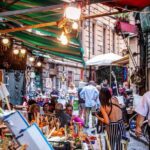
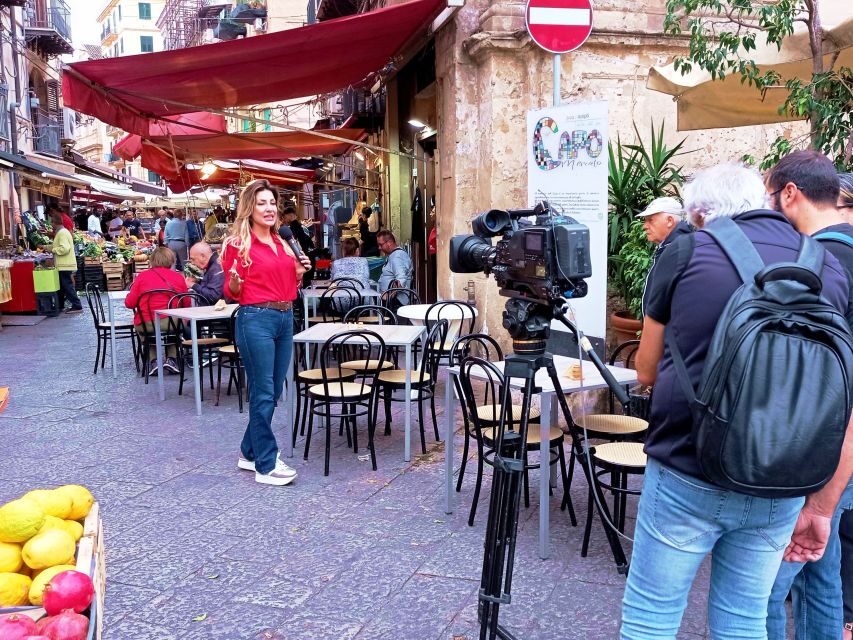
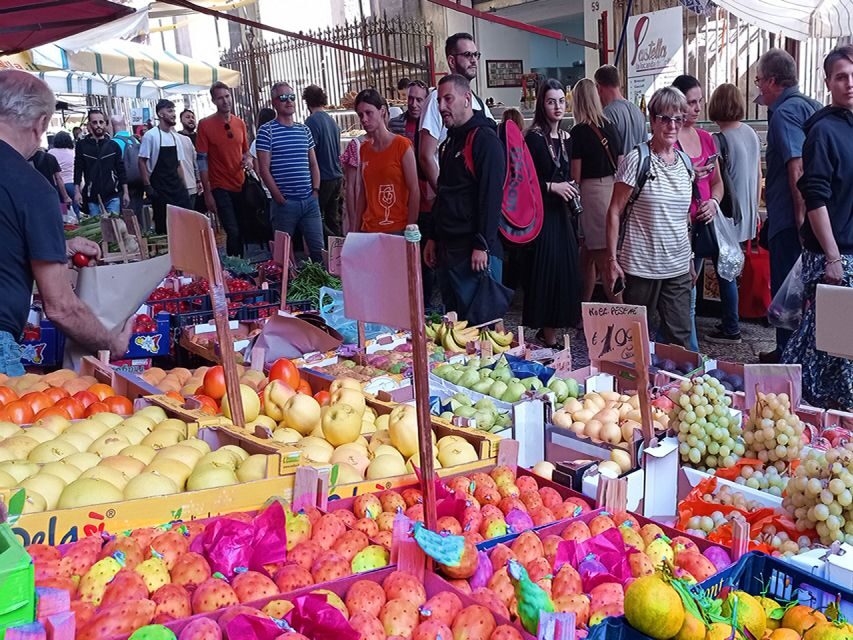
One of the best practical parts is the stop at the ancient Arab market area in del Capo. This isn’t a “look and go” pit stop. You’ll walk through the atmosphere—colors, smells, and that dense old-market feeling that’s hard to fake.
Tastings are optional, not included
Food and beverages are not included in the price. However, the tour allows for brief free stops for tastings if you want them. That’s a smart approach for value: you can sample without committing to a full set menu.
If street food is your thing, Palermo often delivers. The tour explicitly leans into that, so you’re not left wondering what to try. If street food isn’t your thing, you can still enjoy the market walk and keep your budget under control.
What to do with your appetite
Bring cash or a card you’re comfortable using on the spot. Tastings can add up, even when they’re small. If you’re on a strict budget, treat tastings as one or two “wow bites,” then move on.
Florio family story: how wealth shaped Palermo’s look
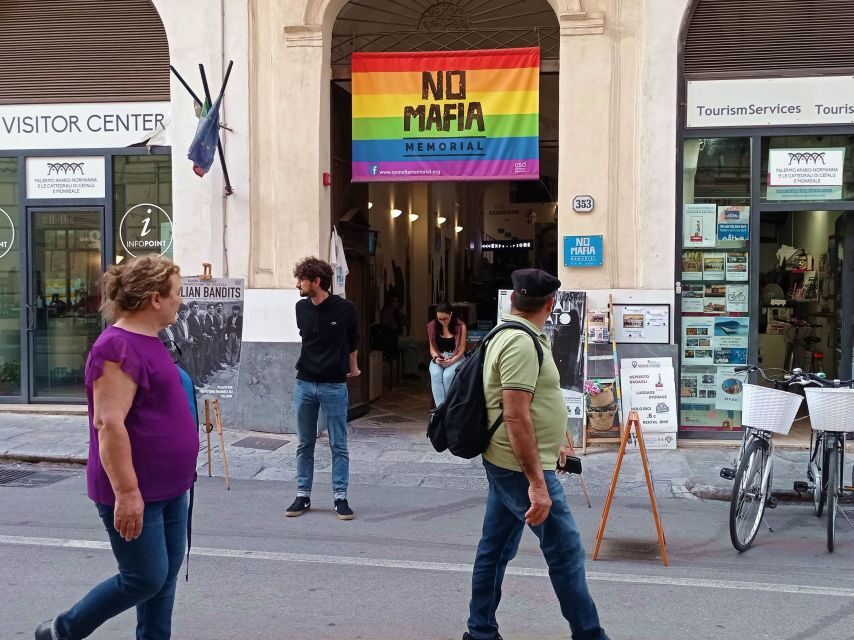
The tour also centers on the extraordinary story of the Florio family. This is where Palermo’s glamour and ambition show up in a way that feels grounded. The Florio name isn’t just trivia; it’s tied to how the city developed its public image and private power.
I like this kind of stop because it gives context. Once you understand who drove certain ambitions, the aristocratic palaces and refined contrasts you pass through feel less random. Even if you’re not a “business history” person, the guide’s storytelling makes it easier to connect names to visible places.
Pasticceria Siciliana: sweets with a backstory
Near the end, you’ll get to the topic of Pasticceria Siciliana and the sweets associated with secret recipes reportedly kept for centuries by cloistered nuns. Even if you don’t buy anything, the point is clear: Palermo treats food like memory.
This is the part that makes the tour feel distinctly local. Plenty of city tours mention “try a pastry.” This one frames why the pastry matters—so you taste with context instead of eating on autopilot.
If sweets are a weakness for you, plan your stop. If you’re not into desserts, you still get the stories and the cultural explanation around them.
What the guides do best: clear, animated, and flexible
The strongest praise in the real world tends to go to the guides’ preparation and storytelling. You might hear names like Claudio and Fabrizio in past departures, and the common thread is that both are described as highly invested and quick with useful details.
A standout pattern from feedback: guides often go beyond basic historical dates. They connect urban details, literature, and visual cues so you notice what you’d otherwise miss. People also highlight that the guide keeps the group involved, not lectured at.
You’ll also appreciate the practical kindness some guides show—like adding a bit of extra time when the schedule allows. That matters on a walking tour, because those last few minutes can be the difference between “saw it” and “really got it.”
One small caveat
With only 3 hours, you can’t expect unlimited church stops or every side street. One common desire people have is to enter a bit more than just the included Cathedral. If you want a deep church-and-museum day, pair this with separate time later.
Price and value: why $34 works for the right traveler
At $34 per person for 3 hours, you’re paying for:
- a local guide in Italian
- small group walking pace
- Cathedral entrance included
- structured storytelling tied to major sights
Food isn’t included, but the tour builds in optional tasting moments. That means you control your spending, and you don’t get forced into an expensive package.
If you’re a cruise passenger, the tour’s short-distance relationship to the port is a real advantage. It’s easier to commit when the tour duration is short and the meeting point is straightforward.
Who this tour is perfect for
This is ideal if you want:
- a first-time Palermo orientation that goes beyond guidebook photos
- stories that help you connect places—cathedral, theater, market—with why people care
- a light-food-and-history day rather than a full meal experience
You’ll especially enjoy it if you like folklore, architecture, and the way crime-and-cinema themes show up in the city’s imagination. The tour mentions topics like cinema and “mafia” as part of Palermo’s cultural frame, along with literature, art, war, and rebirth.
Who might want a different option
Skip it, or at least adjust expectations, if:
- you don’t speak enough Italian to follow the guide’s stories comfortably
- you want lots of interior visits beyond the included Cathedral
- you prefer fully scheduled food stops rather than optional tastings
Also, if you’re uncomfortable with dress-code constraints, it may feel like extra friction. The good news is the jacket option at the entrance makes it manageable.
Should you book Palermo storie e segreti?
If you want a fast, story-driven introduction to Palermo’s Historic Center, this is a strong pick. The value math works because the Cathedral entrance is included, the pace is compact, and the tour is built around places that actually shape Palermo’s identity.
Book it if you’re the kind of traveler who likes to leave with mental pictures, names, and themes you can reuse when you wander on your own later. Pass if you need English-only guiding or a heavy museum schedule.
If your schedule is tight, you speak Italian, and you want Palermo with both art and legend in the same walk, this one makes sense.
FAQ
Is the tour in English?
No, the tour is in Italian only.
How long is the walking tour?
The tour lasts 3 hours.
What is included in the $34 price?
The price includes a tour guide in Italian, a small group walking tour, entrance to the Cathedral, and the possibility of brief tasting stops. Info and assistance are also provided.
Are food and drinks included?
Food and beverages are not included. The guide may include brief tastings if you want them.
Where do I meet the guide?
You meet in front of the library Feltrinelli. The guide wears a red tag.
What should I wear for the Cathedral of Palermo?
You’ll need to follow the Cathedral dress code: no shorts or miniskirts (and no tops) for women, and no shorts or tank tops for men. Bermudas and t-shirts are allowed. You can buy a light jacket for 1€ at the entrance to cover shoulders and legs.