REVIEW · PALERMO
Palermo: Sicilian Bread Masterclass
Book on GetYourGuide →Operated by RistHome – Private Chef & Maestro of Mediterranean Fine Dining · Bookable on GetYourGuide
Bread in Palermo tells stories fast. In this Palermo masterclass, Chef Giacamo teaches you how to make hands-on Sicilian breads—Palermitano, Monreale, and brioscine—then you taste the results in a way that makes the techniques click. It’s food, yes, but also the little details behind how Sicilians think about ingredients and craft.
My favorite parts are the practical shaping/kneading work (you actually do it) and the final tasting that turns theory into real flavor. The one thing to think about: don’t plan a big snack beforehand—the experience is designed around eating, including the generous spreads and wine with the breads.
In This Review
- Key things you’ll notice right away
- Meet Chef Giacamo and the Palermo bread scene
- What breads you’ll make (and why these three matter)
- The 2-hour flow: from ingredients to your final tasting
- 1) Start with ingredient selection and dough thinking
- 2) Knead like a baker, not like a tourist
- 3) Baking: learn what the oven is really doing
- 4) Final tasting: eat while it makes sense
- Skip the guesswork: what you actually take home
- The languages side: you won’t get lost
- Where it happens: Palermo facility or your own home
- Value check: why this is worth your 2 hours
- Who should book this (and who might skip it)
- Quick thoughts on booking, timing, and cancellations
- Should you book Palermo: Sicilian Bread Masterclass?
- FAQ
- How long is the Palermo Sicilian Bread Masterclass?
- What breads will I learn to make?
- Where does the class take place?
- What languages are available for the instructor?
- Is there skip-the-line access?
- Can I cancel for a full refund?
- Is the experience wheelchair accessible?
Key things you’ll notice right away
- Chef Giacamo’s approachable teaching that mixes technique with real personality
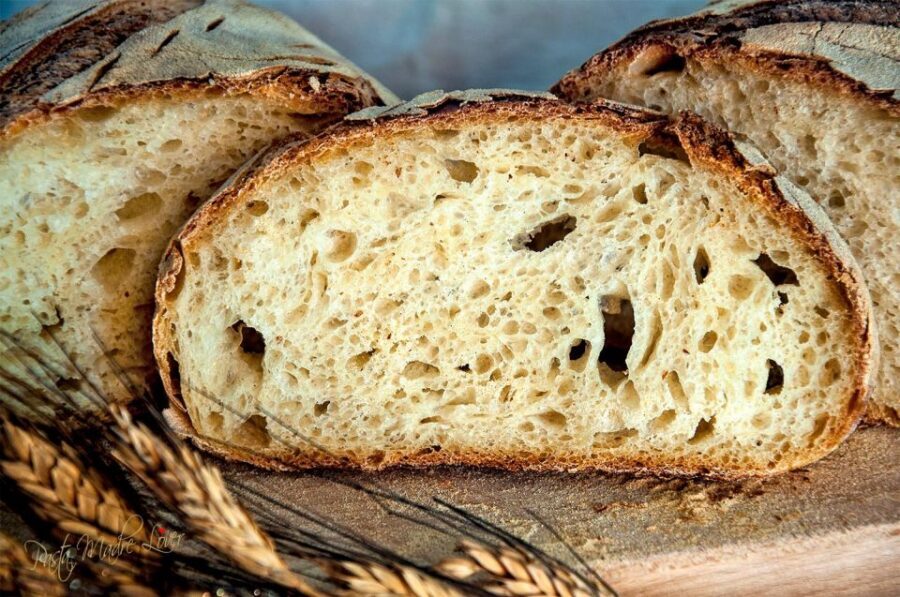
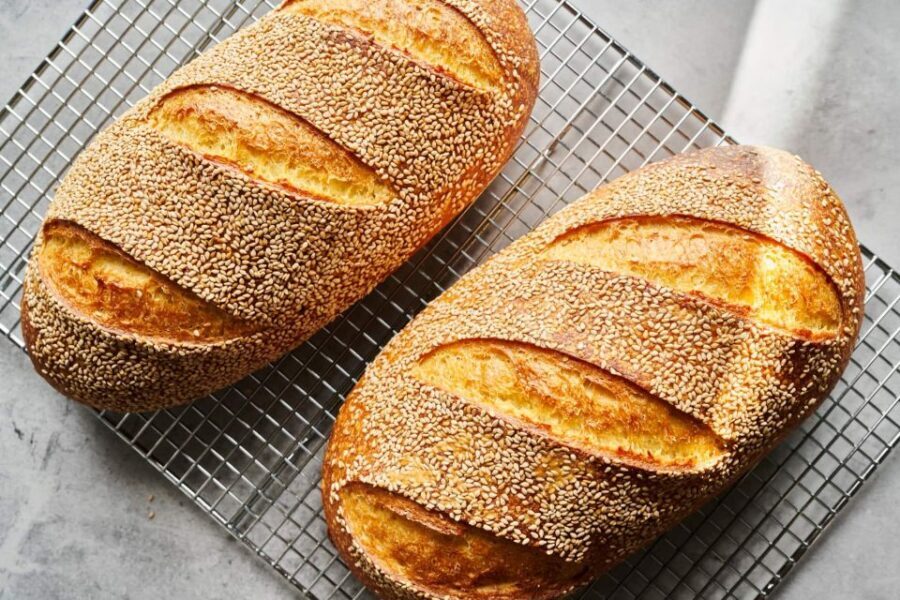
- Three distinct breads (Palermitano, Monreale, brioscine) so you taste differences, not just one loaf
- Ingredient choice and kneading practices explained in a way you can repeat later
- Final tasting with a food-and-drink flow that keeps you eating while you learn
- Recipe support so you’re not stuck remembering everything from scratch
Meet Chef Giacamo and the Palermo bread scene
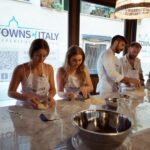
Palermo bread isn’t just a side. It’s a daily rhythm, the kind of food Italians build meals around, and this class treats bread like the main character. You spend 2 hours working in the center of that culture, learning the methods behind Palermitano, Monreale, and brioscine—each tied to a different flavor and identity.
Chef Giacamo (the instructor you’ll follow throughout) has a gift for making baking feel human. You’re not being lectured at. You’re being taught. And based on what people say about the vibe, it’s the sort of evening where you talk, laugh, and then get back to flour and dough like you mean it.
There’s also a nice practical bonus: the class is offered either at a state-of-the-art Palermo facility or in the comfort of your own home (if that option is available for your booking). That matters if you’re traveling with someone who wants an easier plan, or you just hate the logistics of another stop in a busy city.
You can also read our reviews of more tours and experiences in Palermo.

What breads you’ll make (and why these three matter)
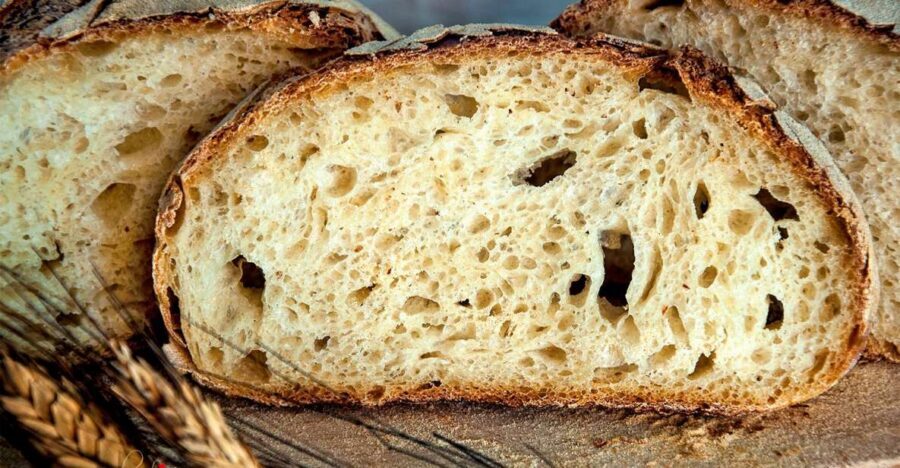
This masterclass focuses on three Sicilian styles, and that’s a smart choice. Instead of learning one bread in isolation, you learn how different approaches to dough show up in the final taste.
Here’s what the session is built around:
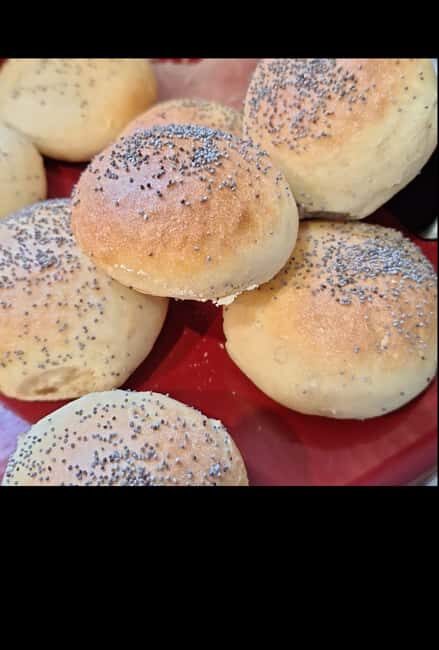
- Palermitano: your starting point for classic Palermo-style bread practice
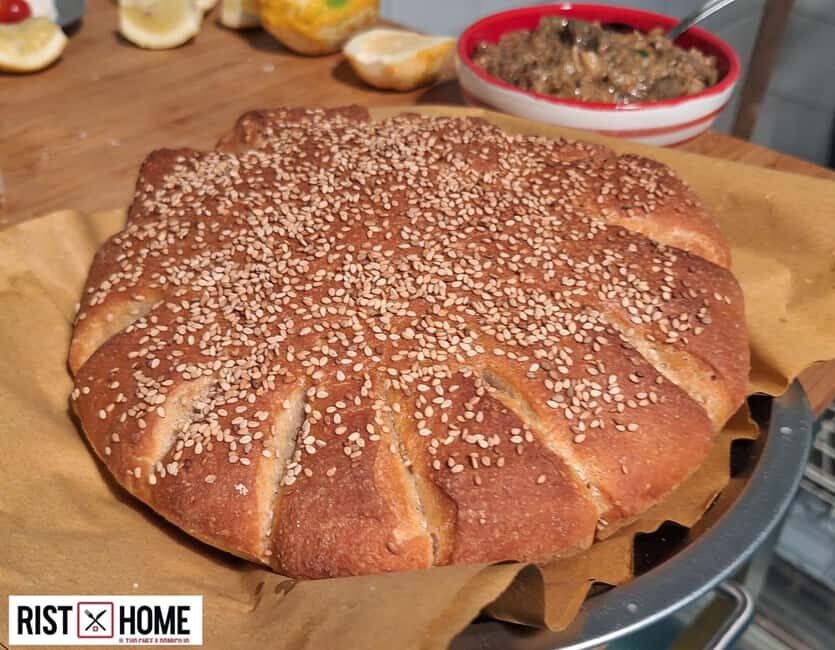
- Monreale: a second dough identity with its own flavor profile and technique cues
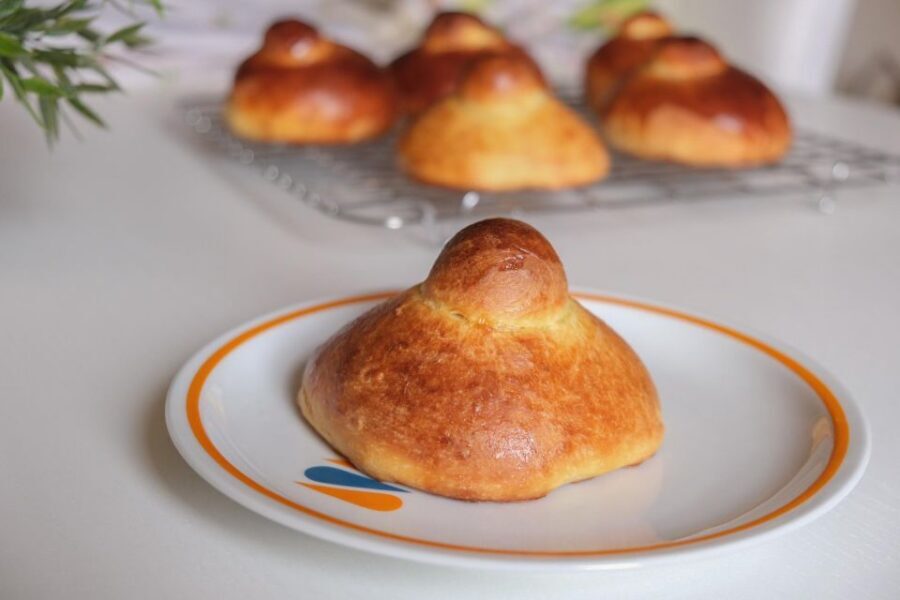
- Brioscine: a different texture and eating experience that rounds out the lesson
The big value for you is contrast. When you learn three breads back to back, you stop thinking of bread as one generic thing. You start noticing how ingredient selection and kneading shape texture, and how baking turns dough behavior into a crust and crumb you can recognize.
And because you finish with tasting, you also learn how to read bread with your mouth. You’ll be able to explain (to friends, or to yourself later) why one loaf feels lighter, more tender, or more “Sicilian” than another. That’s the kind of skill you can use at home when you buy flour and start experimenting.
The 2-hour flow: from ingredients to your final tasting
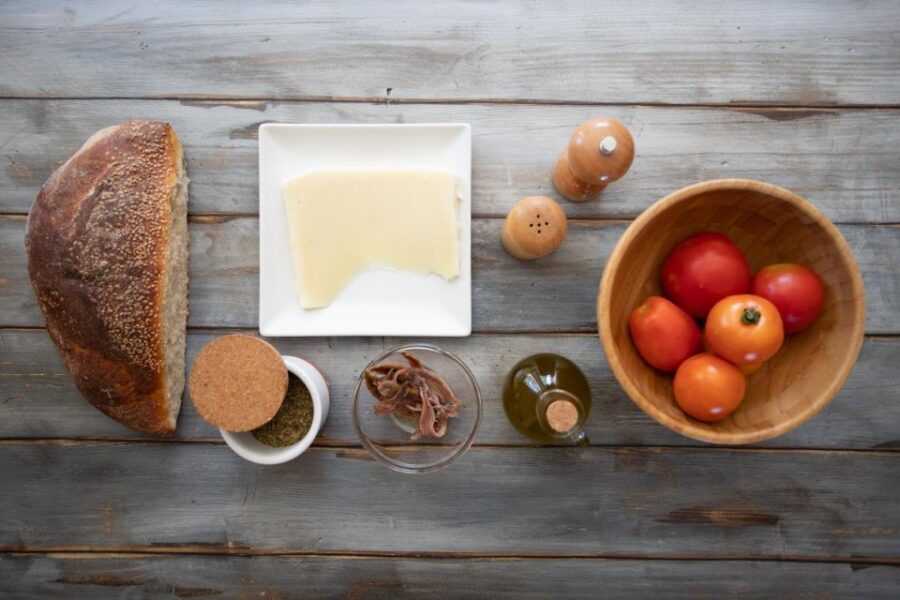
Even without a written minute-by-minute schedule, the class follows a clear arc. You’ll learn by doing—ingredient selection, kneading techniques, baking steps, then a tasting that ties it together.
1) Start with ingredient selection and dough thinking
Before hands meet dough, you get the guidance on what matters in the ingredients—especially the basics behind the breads you’re making. One of the best things you can pick up here is the concept of why flour and other components aren’t interchangeable. People also note that you’ll get sources for flours and other ingredients, which is huge if you want to repeat the results later rather than just enjoy the class once.
2) Knead like a baker, not like a tourist
Kneading can feel mysterious when you’re watching someone else. In this class, you’re taught the mechanics and the “feel” part—how dough changes as you work it. Expect focused instruction on kneading rather than a generic make-and-wait routine. This is where you’ll likely learn the most practical muscle memory.
Also, the way the class is described makes it clear you’re not just passive during this stage. You get help while you’re working, and the teaching approach supports you if you’re new.

3) Baking: learn what the oven is really doing
Once the dough is shaped and ready, you shift to baking. You’ll learn how the process completes the transformation—how heat works with fermentation and structure. You don’t need to be a technical baker to benefit. The goal is simple: understand what you’re seeing so you can recreate it later.
4) Final tasting: eat while it makes sense
The end of the masterclass is built for tasting, and that’s not filler. It’s part of how you learn.
You’ll sample the breads you made and connect the flavor to the techniques you practiced. Based on participant feedback, the food portion is generous, and there’s wine as part of the experience. It’s a nice rhythm: work hard, then enjoy what you produced with drink and conversation—exactly how food courses should feel.
Skip the guesswork: what you actually take home
One of the most useful outcomes from this kind of bread class isn’t just the enjoyment. It’s the transfer of knowledge into your own kitchen.
Here’s what you can realistically expect to leave with:
- Recipes: you’ll get the bread recipes, so you can bake again without hunting for notes
- Technique cues: you learn what to watch for in dough and how kneading affects the result
- Ingredient guidance: people mention that flours and ingredients are explained, including where to look for the right stuff
That last point is underrated. Many cooking classes teach you steps, but not what to buy. Here, you get the bigger picture so the bread you make at home has a better shot at matching what you learned in Palermo.
And if you’re already an avid baker, this is also a good fit. You’ll likely appreciate the specificity around technique and the chance to see how Sicilian breads behave differently.
The languages side: you won’t get lost
Teaching quality rises fast when you can actually understand the instructions. This masterclass is offered in multiple languages, with the instructor speaking Italian, English, Spanish, French, and German.
So if you’re not fluent in Italian, you can still follow the method and ask questions. That matters in bread baking, where small differences in technique can change the final result.
Where it happens: Palermo facility or your own home
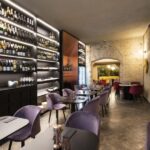
The masterclass can take place in Palermo at a state-of-the-art facility, or it can come to you at home. That flexibility is more than comfort—it changes the feel of your trip.
- If you want a true Palermo experience, go with the facility. You’ll likely enjoy the energy of being in a dedicated bread space.
- If you want less logistics, the at-home option can make the masterclass fit cleanly into your schedule.
Either way, the focus stays the same: teaching you the Sicilian bread craft and getting you to taste the results.
Also, the class includes skip-the-line access via a separate entrance, so you spend more time learning and less time sorting out arrival timing.
Value check: why this is worth your 2 hours
Even without a price listed here, you can judge value by the structure:
- You learn three bread styles, not one
- You get hands-on instruction on ingredient selection, kneading, and baking
- You end with a tasting that makes the lesson memorable
- You receive recipes and guidance on key ingredients
- You get instruction in multiple languages
This is the kind of activity that pays off after the trip. You’re not just eating in Palermo; you’re leaving with knowledge you can use again. And the enjoyment factor is real, too—people consistently talk about the fun, the food, and the instructor’s energy.
Who should book this (and who might skip it)
This bread masterclass is a strong match if you:
- love cooking and want a structured way to learn
- enjoy learning through your hands, not just watching
- like food experiences with a local identity (bread as Sicilian culture)
- want recipes and ingredient pointers for baking at home
You might consider a different kind of class if:
- you hate hands-on cooking activities
- you want a quick snack stop rather than a full 2-hour working session
- you’re planning a heavy meal right before, since the class is built around eating
One practical note: come ready to taste. If you eat too much beforehand, you’ll miss the point.
Quick thoughts on booking, timing, and cancellations
The experience runs for 2 hours, and you can check availability for starting times. Booking also offers free cancellation up to 24 hours in advance for a full refund, plus a reserve now & pay later option so you can keep your plans flexible.
Should you book Palermo: Sicilian Bread Masterclass?
If you want a Palermo food experience that teaches you something real, book it. You get a hands-on session centered on three Sicilian bread types, a guided tasting that ties technique to flavor, and recipes plus ingredient sourcing tips so the lesson has legs after you go home.
If you’re the type who likes quick, sit-down sightseeing over kitchen time, this may feel like too much work. But if you enjoy learning by making, this is a great use of your time in Sicily.
FAQ
How long is the Palermo Sicilian Bread Masterclass?
The masterclass lasts 2 hours.
What breads will I learn to make?
You’ll learn to make Palermitano, Monreale, and brioscine breads.
Where does the class take place?
It can be held at a state-of-the-art facility in Palermo, or you may have the option to do it in your own home.
What languages are available for the instructor?
The instructor can teach in Italian, English, Spanish, French, and German.
Is there skip-the-line access?
Yes. There is skip-the-line access through a separate entrance.
Can I cancel for a full refund?
Yes. You can cancel up to 24 hours in advance for a full refund.
Is the experience wheelchair accessible?
Yes, it is wheelchair accessible.