Capo market meets home-cooked Sicilian magic. This Palermo experience pairs Capo market shopping with hands-on cooking in a charming XVII-century apartment in Palazzo Asmundo, with limoncello at the center of it all. I love the way the class turns grocery choices into a finished meal you can actually taste and take home.
Two things I really like: you get to work with classic ingredients while making dishes like caponata and busiate with pesto trapanese, and you’re not stuck in a big lecture hall. You also benefit from the small, comfortable pace—many sessions feel like a relaxed table moment with Patrizia and her team, like Giuliana. One consideration: the home has cats (Nino and Bella are part of the story), so if you have allergies, you’ll want to plan where you’ll sit and ask what’s possible.
Expect about four hours, starting at 9:30am in central Palermo, and ending back at the meeting point. Pickup is available on request for an extra cost, and the group size is capped at 25, which usually helps the cooking stay practical.
In This Review
- Key highlights worth marking on your Palermo map
- Capo Street Market shopping: where your menu starts
- Palazzo Asmundo kitchen time: calm, homey, and built for hands-on learning
- The Sicilian menu: caponata, busiate pesto trapanese, and cassata
- Caponata: the starter that screams Sicily
- Busiate with pesto trapanese: learning how shape meets sauce
- Cassata: dessert with structure and personality
- Limoncello class: the souvenir part that’s actually a lesson
- Wine, conversation, and the role of Patrizia, Giuliana, and Alex
- Price and value: is $207.84 worth it?
- Who this Palermo cooking class suits best
- Potential gotchas: cats, expectations, and pacing
- Cats in the house (Nino and Bella)
- What you should expect from a cooking lesson
- Should you book? My honest take
- FAQ
- How long is the market tour and cooking class?
- What time does it start, and where is the meeting point?
- Is pickup available?
- What dishes and activities are included?
- How big is the group?
- What if I need to cancel?
Key highlights worth marking on your Palermo map
- Capo Street Market shopping with purpose: you’re guided on what to look for so your recipes start with the right produce and ingredients.
- A real home in Palazzo Asmundo (XVII cent.): not a studio kitchen—more like cooking with someone who lives the place.
- You cook three Sicilian dishes: the menu often includes caponata, busiate with pesto trapanese, and cassata.
- Limoncello making plus a take-home bottle: you learn the process and bring a small souvenir with you.
- Wine and conversation aren’t an afterthought: the pace often includes local wine and discussion while you cook.
- Cats in the house: Nino and Bella are mentioned—plan around that if you’re sensitive.
Capo Street Market shopping: where your menu starts
If you want a cooking class to feel connected to Sicily, start at Capo. This is the kind of market area where you don’t just buy ingredients—you learn how Sicilian cooking thinks: seasonal produce, bold flavors, and smart combinations that work because the ingredients are good.
Here, the market visit is built around your meal. You’re guided through shopping so you come away with the right items for what you’ll actually cook later (instead of a random tour where you forget everything once you leave). You’ll also get a feel for how locals shop: quick questions, practical choices, and a focus on freshness.
A practical tip: wear comfortable shoes. The market area is active, and you’ll be moving while making ingredient decisions. You’ll also want a tote bag (or plan to hold your purchases) so you’re not juggling everything once you switch modes to cooking.
You can also read our reviews of more shopping tours in Palermo
Palazzo Asmundo kitchen time: calm, homey, and built for hands-on learning
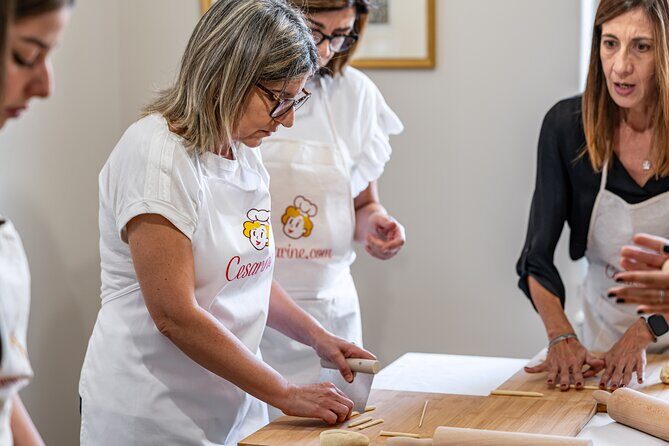
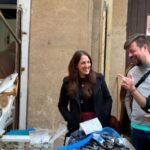
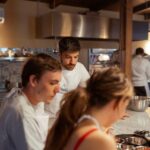
The cooking happens in a charming apartment inside an historical building (Palazzo Asmundo), near the old Capo and Ballarò markets. That matters because the experience isn’t staged like a restaurant demo. The kitchen is set up for real participation—chopping, mixing, shaping, and tasting—so you’re doing food, not just watching it.
I like that the venue supports a relaxed flow. The class tends to split attention between teaching and giving you room to work. Several people highlight how clean and open the home feels, which makes it easier to focus when you’re learning pasta-making basics or sauce technique.
One small planning detail: since it’s a home kitchen, the “rules” of space are different than a commercial classroom. You might find the station layouts tight in spots. If you’re cooking with others, just be ready to share counter space and move as the group cooks.
The Sicilian menu: caponata, busiate pesto trapanese, and cassata
You’ll cook three Sicilian dishes in the chef’s home kitchen, plus limoncello. The menu can vary by session, but a common set includes caponata (starter), busiate with pesto trapanese (main), and cassata (dessert).
Let’s break down what each one teaches you.
Caponata: the starter that screams Sicily
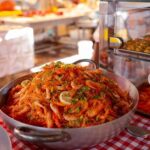
Caponata is the kind of dish that shows off Sicily’s talent for turning vegetables into something deeply satisfying. In a class setting, you’re not just making a stew-like salad—you’re learning how eggplant and other vegetables are transformed into a sweet-sour balance with real character.
Why it’s a great first dish: it moves you quickly from ingredient shopping to flavor understanding. By the time you’re ready for the main, you’ve already absorbed the idea that Sicilian cooking is confident with contrasts.
Busiate with pesto trapanese: learning how shape meets sauce
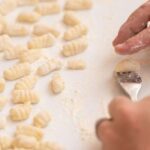
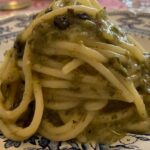
Busiate is a pasta shape that’s designed to catch sauce. In this class, you’ll make busiate with pesto trapanese, often described as an almond-and-tomato style pesto. You’ll get hands-on experience that makes more sense than simply hearing about it—because you’ll see how the sauce clings and why the texture matters.
This is also where the class becomes practical for you at home. Once you’ve made the pesto and watched how it coats the pasta, you can recreate the method without needing fancy equipment.
You can also read our reviews of more tours and experiences in Palermo
Cassata: dessert with structure and personality
Cassata is a traditional Sicilian pie with ricotta cream. It’s not just sweet—it’s built. That makes it a fun learning challenge because you’re assembling and baking something with a clear payoff at the end.
If you’re someone who likes cooking that feels rewarding rather than fussy, cassata fits. You get a dessert you can explain to friends back home, because you learn how it comes together step by step.
Limoncello class: the souvenir part that’s actually a lesson
The limoncello portion is a highlight in most sessions. You learn the process of making it right in the home kitchen, and you take home a small bottle as a souvenir.
This is more valuable than a quick tasting moment because limoncello is part of daily culture in Sicily. Learning the steps gives you context for why it tastes the way it does and what makes a good result. It also helps you avoid the common problem: bringing home a bottle and never knowing how it’s made.
One caution to keep you comfortable: one mixed report complained about limoncello not being made as promised and about recipes not being provided. To protect yourself from disappointment, confirm the inclusion of limoncello making and the take-home bottle before you arrive—especially if those are your top priorities.
Wine, conversation, and the role of Patrizia, Giuliana, and Alex
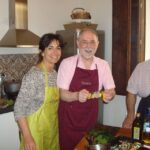
Food lessons work best when you feel at ease. Many people describe the hosts as welcoming and warm, with conversation that turns into part of the teaching. Patrizia is repeatedly named as the central host/chef, and Giuliana also shows up in at least some groups as part of the experience.
In one account, Alex is mentioned as the tour guide who made the market portion feel both educational and fun. Even if your session includes a different person for the walk, the goal stays the same: connect what you buy to what you cook, and connect Sicily’s food to the way people live.
You should also expect wine during the afternoon. Several reviews describe wine flowing alongside cooking and conversation. If you plan to drive afterward, don’t. If you’re taking a later evening walk, keep it easy and pace yourself.
Price and value: is $207.84 worth it?
At $207.84 per person for about four hours, this is not a budget market snack. But it’s also not just a theater-style class. You’re paying for a full market-to-table experience: guided shopping, hands-on cooking, local wine, and limoncello making with a take-home bottle.
Here’s the value math that matters to you:
- You’re cooking multiple dishes, not one.
- You’re using market ingredients chosen with guidance.
- You’re getting a real souvenir (a small bottle of homemade limoncello), which can justify part of the cost compared with buying drinks in shops.
- The cap of 25 travelers keeps the experience from turning into a production line.
If your goal is to learn a few techniques and eat well, the price starts to make sense. If you want a heavy stack of written recipes and strict step-by-step documentation, you might want to ask what you’ll receive in advance, since teaching style can be more “do it together” than “hand you a binder.”
Who this Palermo cooking class suits best
This is ideal for people who want Sicily through food—especially if you like the idea of starting with ingredients and ending with a meal you made yourself.
It also fits families better than many cooking tours. One review mentions kids ranging from 3 to 12 having fun, and another group of six with grandparents to young adults loved the experience. The key is that the pace is relaxed enough for different ages to participate, not just watch.
You’ll also enjoy it if you’re traveling solo. A class in a home kitchen can feel less lonely than a large group tour, because you’re actively involved and conversation tends to flow.
Finally, couples tend to love the atmosphere: a small-group kitchen, local wine, and a finish that feels like dinner with someone’s family.
Potential gotchas: cats, expectations, and pacing
Two things can affect your experience more than you’d think.
Cats in the house (Nino and Bella)
Cats are mentioned clearly. Some people note they were fine because there’s an outdoor space where you can stay. If you’re allergic, don’t assume you’ll be able to avoid them—ask what areas are cat-friendly and plan accordingly.
What you should expect from a cooking lesson
Most people describe the class as hands-on and focused on cooking and history/culture through the food. Still, one mixed report claimed the experience didn’t match expectations on limoncello and recipe support.
So here’s my practical advice: if limoncello making and take-home bottle are non-negotiable, confirm those inclusions in writing before you book. Also consider your preference—if you want a very structured cooking class with printed recipes, ask what materials are provided.
Should you book? My honest take
I think this is a smart booking for Palermo if you want something more meaningful than another walking tour. The pairing of Capo market shopping with a home-cooking session led by Patrizia (and sometimes Giuliana) is exactly the kind of food experience that helps Sicily click.
Book it if:
- you want to cook classic dishes like caponata, busiate with pesto trapanese, and cassata
- you care about learning limoncello, not just sampling it
- you like small-group, conversation-friendly experiences
- you’re comfortable in a home setting (and can handle cats if that’s relevant)
Skip or rethink if:
- cats are a deal-breaker for your health
- you need guaranteed, printed recipes and zero flexibility in what you’ll do
- you want something shorter than about four hours
FAQ
How long is the market tour and cooking class?
It runs for about 4 hours.
What time does it start, and where is the meeting point?
The start time is 9:30am. The meeting point is Via Volturno, 78, 90138 Palermo PA, Italy, and the tour ends back at the meeting point.
Is pickup available?
Yes, pickup is available on request for an extra cost.
What dishes and activities are included?
You’ll shop at Palermo’s Capo Street Market and then cook three Sicilian dishes plus limoncello in the chef’s home kitchen. A sample menu includes caponata, busiate with pesto trapanese, and cassata, and you’ll also make limoncello and take home a small bottle.
How big is the group?
The experience has a maximum of 25 travelers.
What if I need to cancel?
You can cancel for free up to 24 hours in advance for a full refund.