REVIEW · PALERMO
Palermo: Pasta and Tiramisu Cooking Class with Wine
Book on GetYourGuide →Operated by The Roman Food Tour · Bookable on GetYourGuide
Hands-on cooking in Palermo is weirdly satisfying. You’ll make pasta from scratch and a classic tiramisu, then eat it with wine in a real local restaurant setting. The class starts with a welcome pour of Prosecco, and you get English step-by-step help so you know exactly what to do (from chefs/hosts like Simone and George, when scheduled).
My favorite part is how practical the lessons feel: you learn the dough basics and why flour and technique matter, plus the differences between pasta fresca and pasta secca. The other big win is the meal at the end, with wine, so you’re not stuck just watching food go by.
One thing to consider: some people may find the portion size or overall value a bit tight for the price, especially if you’re hoping for a fuller multi-course meal.
In This Review
- Quick Hits Before You Go
- A 3-Hour Palermo Class That Starts at Carlo V (Carlo Quinto)
- What You Cook: Tiramisu First, Then Fresh Pasta Dough
- Building tiramisu step by step
- Then: pasta dough, the part most people guess wrong
- Entering the Real Restaurant Routine
- Pasta Dough Secrets You’ll Use at Home
- Tiramisu Details That Separate Good From Great
- The Meal Part: Wine With What You Made
- Small-Group Energy and Helpful Hosts Like George and Simone
- Price and Value: Is It Worth $53.47?
- Where It Fits Best in Your Palermo Plans
- Who Should Book This Class (and Who Might Skip It)
- Should You Book Palermo Pasta and Tiramisu With Wine?
- FAQ
- How long is the Palermo pasta and tiramisu cooking class?
- Where is the meeting point?
- What do I cook during the class?
- Are drinks included?
- Is lunch or dinner included?
- Is the tour guide available in English?
- What should I wear or bring?
- Is an apron provided?
- Is smoking allowed?
- Is hotel pickup included?
- What’s the cancellation and payment flexibility?
Quick Hits Before You Go
- Carlo V meeting point: right in the action, near Quattro Canti (about 100 meters)
- Welcome Prosecco plus wine with your meal
- Real instruction on perfect pasta dough, including flour choice
- Classic tiramisu prep with a focus on getting the steps right
- Recipes to take home so you can try again later (you’ll leave with what you need)
A 3-Hour Palermo Class That Starts at Carlo V (Carlo Quinto)
This is the kind of activity that makes Palermo feel close and human fast. You’re not just “tasting Sicilian food” from behind glass. You’re getting hands-on instruction inside a popular Palermo restaurant near Quattro Canti—around a short walk, roughly 100 meters away.
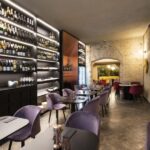
Your experience begins at the restaurant Carlo V (Carlo Quinto). When you arrive, you’re greeted with a welcome glass of Prosecco. Then it’s straight into the cooking space. They’ll get you set up with an apron, and you’ll wash your hands before you start. Small ritual stuff, but it helps everyone settle in, and it keeps the class moving.
The whole session is designed to feel like a proper restaurant day: you learn, you work, and then you sit down and eat what you made with a glass of wine. That rhythm matters. It’s easy to stay focused when there’s a clear reason for each step.
You can also read our reviews of more cooking classes in Palermo
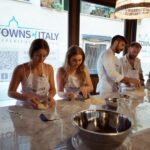
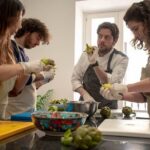
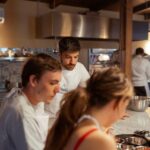
What You Cook: Tiramisu First, Then Fresh Pasta Dough
You’ll cook two signature Italian comfort-food classics: tiramisu and pasta from scratch. The order is on purpose. You start with the dessert, then move to the pasta dough when you’re ready for something more hands-on and technical.
Building tiramisu step by step
You begin your class by preparing tiramisu. The guide will walk you through it step-by-step, and you’ll also learn the dessert’s background and the key “don’t mess this up” details. Tiramisu sounds simple until you’re actually assembling it. That’s why this class is useful: you’ll learn how to keep the texture right while you work.
Then: pasta dough, the part most people guess wrong
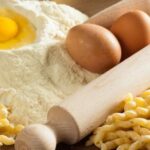
Once the tiramisu is handled, you move to your pasta station. This is where you get the most practical payoff. You’ll learn how to prepare the dough and how to choose the right flour. You’ll also get guidance on technique, not just a list of ingredients.
A big focus here is the difference between pasta fresca and pasta secca. That matters because it affects everything: the dough’s handling, the expected cooking behavior, and the overall feel of the finished pasta. If you’ve ever made pasta at home and wondered why yours came out differently than you expected, this lesson explains the why.
Entering the Real Restaurant Routine
The setting isn’t staged like a demo kitchen. You start by stepping behind the scenes to see how a real Italian restaurant runs. You’ll notice they treat the process like work, not a show. That’s good news for you, because it keeps the instructions grounded.
After you get your apron, the class moves quickly into action. Expect step-by-step guidance at each stage. If something feels confusing—like dough consistency or assembling the dessert—the guide helps you adjust rather than just correcting you after the fact. Several class descriptions emphasize that the chef and staff work alongside you, not from across the room.
This is also where you’ll get that small, personal feel people love. The group stays small enough that you don’t feel lost, and questions don’t get ignored. If you want to actually learn rather than just complete a checklist, this structure helps.
You can also read our reviews of more wine tours in Palermo


Pasta Dough Secrets You’ll Use at Home
The pasta lesson is the heart of the experience. And the best part is that it’s not vague. You’ll learn the key steps of dough-making, including which type of flour to use and how to think about the dough as you work.
Here are the practical skills you’re aiming to leave with:
- How to start the dough correctly so it isn’t sticky or too dry
- What “right” dough should feel like while you knead and shape
- Why pasta fresca and pasta secca are not interchangeable in your kitchen
- How to follow the process without guessing at each step
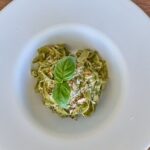
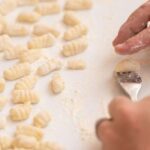
You’ll also likely make more than one pasta shape. One of the strong takeaways from class feedback is that people often come away feeling like they didn’t just try one thing—they made multiple pasta types plus dessert. That gives you more confidence for round two back home.
Even if you’re not a pasta wizard, this class gives you a repeatable approach. The dough lesson is the kind you can transfer to your next cooking attempt, whether you’re making fresh shapes for dinner or experimenting with texture.
Tiramisu Details That Separate Good From Great
Tiramisu is one of those desserts people think they already understand. Then you make it and realize it’s about timing, assembly, and texture. This class focuses on the steps you need, not just the final look.
You’ll learn about the dessert’s history as part of the experience, but the real value is the practical instruction while you’re building it. The guide will show you how to prepare it properly and how to handle the components so the finished tiramisu tastes right, not soggy or heavy.
If you’re the kind of traveler who loves learning recipes that taste like the real thing, this is the moment. Tiramisu is very “process-driven,” which means your results improve quickly when someone is watching and coaching.
The Meal Part: Wine With What You Made
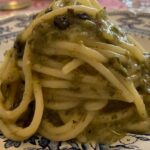
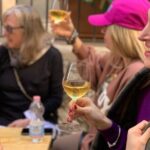
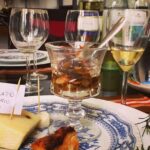
Once your work is done, you sit down for lunch or dinner (your session time will determine which). This is where the class becomes more than an activity. You’re eating your own food, in the same restaurant you learned in, with a glass of wine paired with the meal.
A welcome glass of Prosecco gets you started. Then the wine shows up with the meal, which makes the whole experience feel celebratory without turning it into a long drinking event. It’s a comfortable pacing choice: you’re not expected to cook on an empty tank of nerves.
One of the best signs of value here is the complete loop. You learn the technique, you cook the dishes, and then you taste the outcome in a proper setting. That’s also why the class runs about three hours—there’s time to do real work and then enjoy it.
Small-Group Energy and Helpful Hosts Like George and Simone
Two names pop up in strong feedback: George as a friendly, chatty host, and Simone as a chef who offers clear, supportive instruction. You might not meet the same people every day, but the pattern matters. The teaching style is what people remember: staff talk you through what you’re doing, keep the atmosphere relaxed, and make it easy to ask questions.
The experience also tends to feel small and social. People describe laughs, an easy vibe, and a sense that the class doesn’t turn into a chaotic line of strangers cooking at once. If you’re traveling solo, that social comfort can make the class feel like a quick dinner party with tasks.
And yes, you’ll likely get recipes to take home. That turns the class from a one-off moment into something you can repeat later, which is a big part of why it feels worth it.
Price and Value: Is It Worth $53.47?
At about $53.47 per person for a roughly three-hour class, the price is strongest when you treat it as a full experience—not just a cooking demo.
Here’s what you’re getting for that cost:
- A welcome glass of Prosecco
- Guided cooking of pasta and tiramisu
- Lunch or dinner
- A glass of wine with your meal
- An apron
- An English-speaking live guide
What you’re not getting: hotel pickup and drop-off.
So is it value? For many people, yes, because the class bundles ingredients + instruction + meal + drinks into one package. If you’d otherwise pay for dinner anyway and add drinks, the cooking instruction becomes less of an extra cost and more like the reason you’re there.
That said, one note worth respecting: a few people feel the portions and overall meal size could be better for the price. If you’re very hungry and prefer bigger servings, you might want to plan a light snack earlier so you’re comfortable during the meal.
Where It Fits Best in Your Palermo Plans
This class is well placed for a first trip to Palermo. Starting near Quattro Canti means you can combine it with sightseeing before or after. It’s also the kind of activity that breaks up heavy walking days with something structured and indoor.
Think of it as a “food day anchor.” Do it when you want to learn something real about Sicilian-leaning Italian cooking, not just take pictures. And do it if you enjoy technique: dough handling, dessert assembly, and the small choices that lead to better results.
If you’re short on time, the three-hour duration is manageable. If you’re picky about being hands-on, this is still a good fit because the class includes step-by-step guidance rather than leaving you to figure everything out alone.
Who Should Book This Class (and Who Might Skip It)
Book it if:
- You want to cook pasta from scratch and not just watch
- You care about learning the differences between fresh and dried pasta
- You enjoy a sit-down meal with wine as part of the experience
- You like small-group energy and friendly instruction
You might skip it if:
- You’re mostly there for a long, multi-course dining experience rather than learning
- You strongly prefer very large portions
- You don’t enjoy hands-on cooking steps at all
Also bring comfortable shoes and comfortable clothes. You’ll be moving a bit, working at your station, and then eating.
Should You Book Palermo Pasta and Tiramisu With Wine?
I’d book it if you want a short, memorable Palermo experience that blends learning and dinner in one place. The real strength is the step-by-step coaching on pasta dough and the inclusion of both tiramisu and a wine-and-Prosecco meal payoff. For the price, it makes sense because it’s not just tasting—it’s doing.
If you’re on the fence about value due to portion size, plan around it. Eat lightly before you arrive, and treat the class as a technique-and-dessert lesson with a pleasant restaurant meal at the end, not a full feast.
FAQ
How long is the Palermo pasta and tiramisu cooking class?
It runs for about 3 hours.
Where is the meeting point?
You start at the restaurant Carlo V (Carlo Quinto). The restaurant is about 100 meters from Quattro Canti.
What do I cook during the class?
You make pasta from scratch and prepare a classic tiramisu.
Are drinks included?
Yes. You get a welcome glass of Prosecco when you arrive, and a glass of wine with your meal.
Is lunch or dinner included?
Yes. The class includes a lunch or dinner at the end.
Is the tour guide available in English?
Yes. The live tour guide speaks English.
What should I wear or bring?
Wear comfortable clothes and comfortable shoes.
Is an apron provided?
Yes. An apron is included.
Is smoking allowed?
No, smoking is not allowed.
Is hotel pickup included?
No, hotel pickup and drop-off are not included.
What’s the cancellation and payment flexibility?
Free cancellation is available up to 24 hours in advance for a full refund. You can also reserve now and pay later to keep your plans flexible.