REVIEW · SICILY
Olive harvest, visit to the oil mill and typical lunch
Book on Viator →Operated by Terra Surti · Bookable on Viator
Olive harvest in Sicily is surprisingly hands-on. What makes this experience fun is the full chain from olive grove work to the oil mill, then a proper Sicilian lunch. I like the chance to learn different olive varieties and harvesting methods while you’re standing under the trees, and I love that the day ends with tasting the result and eating local favorites. One thing to consider: the tour runs best in good weather, since it’s outdoors for part of the day.
You’ll start at Terra Surti in Sortino (meet around 10:00am), and you’ll return to the same spot when it’s done about 3 hours 30 minutes later. The group stays small (max 30), and the experience is offered in English, which makes it easier to ask questions and actually understand what you’re doing.
If you’re hungry for something more real than a quick “look and leave” farm stop, this is the kind of day that sticks.
In This Review
- Key Highlights You’ll Care About
- From Sortino Groves to Real Oil: What This Day Is About
- Meeting Terra Surti: Where Your Day Starts (and How Long It Takes)
- Walking Centuries-Old Trees and Learning What Actually Matters
- Joining the Olive Harvest: Hands-On, Practical, and Fun
- Seasonal note
- Inside the Oil Mill: From Harvest to Pressed Oil
- Oil Tasting: How to Taste Extra Virgin Olive Oil Like a Beginner
- The Sicilian Lunch You’ll Actually Remember
- Price and Value: Is $120.41 Worth It?
- Logistics That Matter: Weather, Comfort, and Getting There
- Public transport tip
- Who Should Book This Olive Harvest Day?
- Should You Book? My Take
- FAQ
- What’s the duration of the olive harvest and mill tour with lunch?
- How much does it cost?
- Where is the meeting point?
- What time does the tour start?
- Is the tour offered in English?
- What’s included in the lunch?
- What’s the group size?
- Is there a cancellation policy?
Key Highlights You’ll Care About
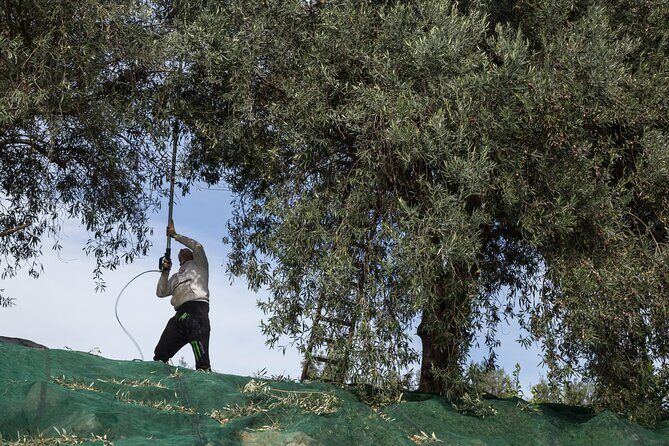
- Harvest olives with traditional tools in centuries-old groves
- Tour the oil mill machinery and see how olives turn into extra virgin olive oil
- Oil tasting included, so you taste what the work produces
- Sicilian lunch with wine featuring bruschetta, pizzolo, and dessert options
- English-speaking guide experiences, including guides like Adele and Federica
- A family-farm feel, with the third-generation owner Elio sometimes joining lunch
From Sortino Groves to Real Oil: What This Day Is About
This isn’t a farm photo-op where you stroll, watch, and head back to town. This is built around three steps: walking the olive groves, joining the olive harvest, then seeing what happens in the mill—followed by tastings and lunch. That structure matters, because olive oil isn’t just a product; it’s the result of timing, technique, and attention to the fruit.
The setting helps too. You’re in Sicily, near Sortino, where olive growing isn’t a historical idea—it’s part of daily life. Even if you don’t know your way around varieties yet, you’ll get a practical sense of how trees are tended and how harvesting changes the final oil.
You can also read our reviews of more tours and experiences in Sicily



Meeting Terra Surti: Where Your Day Starts (and How Long It Takes)
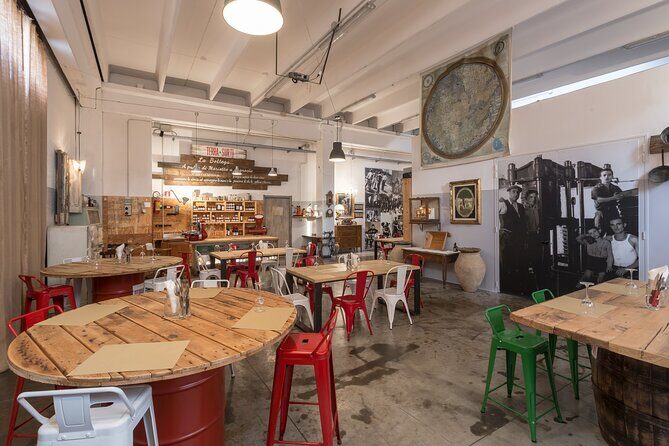
You meet at Terra Surti, Contrada Luigi Albinelli, snc, 96010 Sortino SR, Italy. The start time is 10:00am, and the activity ends back at the meeting point. Plan on roughly 3.5 hours total.
That length is a sweet spot. It’s long enough to do the grove walk, get involved in harvesting, and visit the mill—without feeling like you’ve lost an entire day. If you’re using this as a day trip from Syracuse or Catania, it also fits nicely into a wider itinerary.
One more practical note: the group is capped at 30 people. That’s big enough to feel lively, but small enough that your questions about trees and processing won’t vanish into the crowd.
Walking Centuries-Old Trees and Learning What Actually Matters
The grove portion is where the story becomes grounded. You’ll walk through olive groves with very old trees, and you’ll learn how olives are grown and what it means to manage different varieties. The tour also covers the practical side of harvesting methods, so you understand why timing and tools aren’t just details for specialists.
I like this approach because it changes how you look at the trees afterward. Instead of seeing olives as a background for pictures, you start noticing things like how the grove is managed and how the harvest fits into the production timeline.
Guides such as Adele and Federica come up in the experience you’re likely to have, and the common thread in their approach is clarity. They explain the process from tree to pressed oil in a way that feels real, not lecture-y.
Joining the Olive Harvest: Hands-On, Practical, and Fun
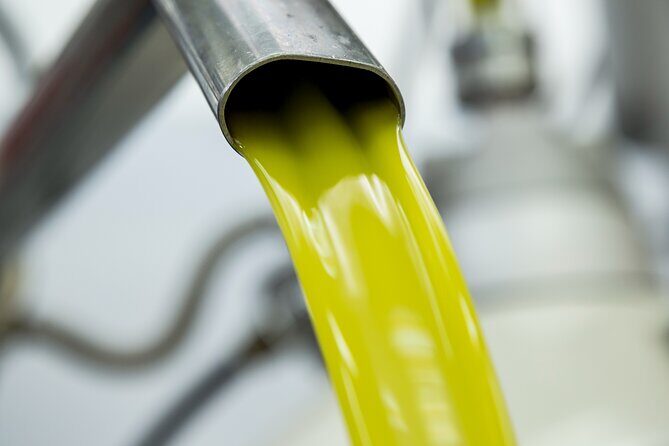
This is one of the most praised parts of the day for a reason: you don’t just observe. You can participate in the olive harvest with traditional tools, depending on how the activity is run during the season.
Doing the work yourself is the quickest way to learn. You feel the pace of picking, you notice how olives behave, and you start to understand what makes harvesting careful. That matters because olive oil quality is very sensitive to what happens between picking and pressing. The tour’s emphasis on the whole chain helps you connect those dots.
If you’re traveling with kids, this tends to work well because it’s active and visual, not just listening. And if you love a good laugh, there’s usually plenty of time to talk and compare techniques as everyone gets into the rhythm.
Seasonal note
Harvest timing changes the feel of the day. In late-season situations, you’ll often see how “this is the moment” the production phase really is. The experience description also hints that some parts of lunch (like pizzolo filling) follow the season, which can make repeat visits feel different.






Inside the Oil Mill: From Harvest to Pressed Oil
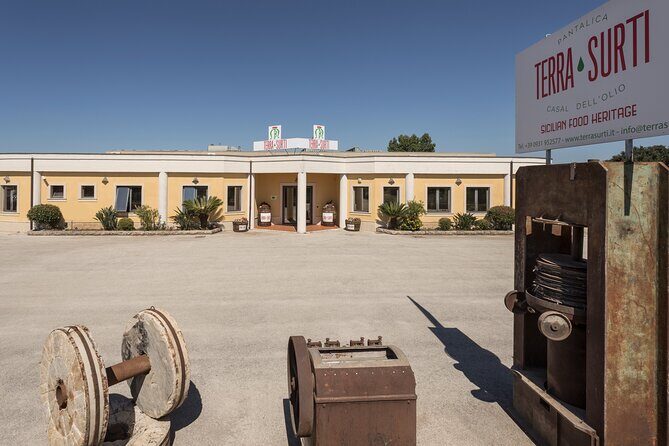
After the grove, you move to the mill to see how processing works. This is where the experience earns its keep, because many farm tours stop before you get to the complicated part.
You’ll visit the oil mill and learn about the processing machinery, and you’ll get a close look at the unique experience of contributing to the production of fine extra virgin olive oil. Even without being technical, you can understand the logic: olives become oil through a sequence of steps that transforms raw fruit into a usable product.
This part is especially valuable if you’re the type who likes to bring home more than a souvenir. You’ll leave knowing why “extra virgin” isn’t just a label—it’s tied to the quality and handling of the olives.
Oil Tasting: How to Taste Extra Virgin Olive Oil Like a Beginner
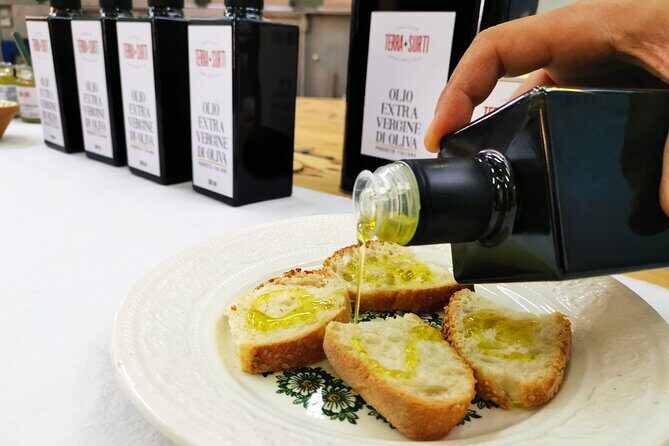
The tour includes an olive oil tasting, and I think that’s a smart decision. It turns the day’s learning into something you can actually evaluate.
You’re tasting the end result of the work you just saw—tree care, harvesting, and milling. That makes it easier to connect flavor to process. If you’re new to tasting olive oil, don’t overthink it. Focus on what you notice: pleasant bitterness, fruitiness, peppery notes, and how the oil feels on your tongue. Your guide can help connect your impressions to what you’re tasting.
And if you like to bring a bottle home, the tasting also gives you a starting point for shopping later. One practical tip from the general vibe of the experience: if you want to buy olive oil, plan time to do it thoughtfully and compare what you liked most at the tasting.
The Sicilian Lunch You’ll Actually Remember
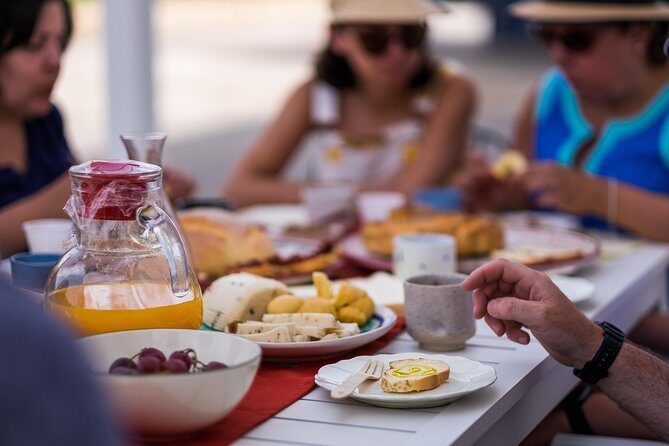
Lunch is a big part of why people rate this so highly. The meal is classic Sicilian farm-food style: filling, simple, and built around local ingredients.
Here’s what you can expect from the sample menu:
- Bruschetta with various pestos, plus olives, cheese, and salami
- Typical pizzolo stuffed according to the season
- Dessert based on ricotta or honey
- Water and wine included
That combo matters. It gives you both savory bites and something sweet, and it balances the day after picking olives. Pesto, olives, cheese, and salami are all familiar flavors, but the pizzolo brings in the local angle. And desserts with ricotta or honey feel distinctly Sicilian, especially after an outdoor morning.
One charming touch from the experience is that Elio, the third-generation owner, may stop by during lunch. That family connection is a big part of why the day feels less commercial and more rooted.
Price and Value: Is $120.41 Worth It?
At $120.41 per person for about 3.5 hours, you’re paying for a lot more than a walk and a photo. You’re paying for access to the grove experience, hands-on harvesting, a mill visit with processing machinery, an oil tasting, and a proper lunch with wine.
In practical terms, you’re getting:
- Paid time with guides (in English)
- Entry to a working production space (not just a museum)
- Food that’s clearly part of the same farm-day rhythm
If you’ve ever done a “cheap” countryside tour that feels rushed, this feels different. The value comes from doing the whole arc—groves to pressing—then eating the result of that same regional culture.
Logistics That Matter: Weather, Comfort, and Getting There
Good weather is required. Since part of the day happens outdoors, a rainier day can affect the experience. If the tour is canceled due to poor weather, you’ll be offered a different date or a full refund.
Comfort-wise, wear shoes you don’t mind getting a little rural-dusty. You’ll be walking through groves and standing during harvesting guidance. Also, consider bringing water, and plan for sun if you’re going in warmer months.
Public transport tip
If you’re coming from Syracuse or Catania, check AST BUS schedules. That’s your best cue for public transport options in this region.
Who Should Book This Olive Harvest Day?
This is a great match if:
- You want a hands-on Sicilian food experience, not a passive sightseeing stop
- You’re interested in how extra virgin olive oil is made, from grove to mill
- You want lunch included with local dishes (and wine)
- You like small-group farm days with time to ask questions
It may be less ideal if you’re looking for a super-fast, strictly urban half-day, or if you prefer purely indoor attractions. The outdoors component is part of the point.
Should You Book? My Take
If you’re in eastern Sicily and you have a morning free, I think this is one of the smarter food-and-farm bookings you can make. The reason is simple: you don’t just taste olive oil—you learn how it’s produced, see the machinery, and connect your fork to your press. Add the included tasting and Sicilian lunch, and you’ve got a full, satisfying day that feels genuinely local.
If your dates are flexible, book it. If you’re set on specific days, still book early, since this type of experience is often snapped up ahead of time.
FAQ
What’s the duration of the olive harvest and mill tour with lunch?
The experience runs for about 3 hours 30 minutes.
How much does it cost?
It costs $120.41 per person.
Where is the meeting point?
You’ll meet at Terra Surti, Contrada Luigi Albinelli, snc, 96010 Sortino SR, Italy.
What time does the tour start?
The start time is 10:00am.
Is the tour offered in English?
Yes, it’s offered in English.
What’s included in the lunch?
The sample menu includes bruschetta with various pestos, olives, cheese, salami, typical pizzolo stuffed according to season, dessert based on ricotta or honey, plus water and wine.
What’s the group size?
The tour/activity has a maximum of 30 travelers.
Is there a cancellation policy?
You can cancel for a full refund up to 24 hours in advance, and free cancellation is offered. The tour requires good weather, and if it’s canceled due to poor weather you’ll be offered another date or a full refund.
If you want, tell me your travel month and whether you’re starting from Syracuse or Catania—I can help you sanity-check timing for a smooth day out to Sortino.