REVIEW · SICILY
Etna craters excursion 3000 m.
Book on Viator →Operated by Etna Esagonal Trekking Tour · Bookable on Viator
Etna at 3000 m is not a casual outing. This excursion focuses on a guided trek across recent lava terrain to reach the area tied to the 1971 explosive cone, with the payoff of seeing Europe’s highest volcano up close. I like that it keeps things practical: you get the core trekking setup and a guide who talks geology in a way you can actually follow.
Two things I really appreciate are the structured climb with real purpose and the smart equipment list. High-neck trekking shoes, trekking poles, a windbreaker, and even a protective helmet help you stay moving and comfortable when the weather shifts. One possible drawback: this is physically intensive and you should come with a basic fitness level for a steady mountain hike at altitude.
In This Review
- Key Highlights You’ll Notice Fast
- What a 3000m Etna Trek Really Feels Like
- Walking Through 2021 Lava to a 1971 Explosive Cone
- The 10:30am Sapienza Start and How the Day Is Set Up
- Gear That Actually Helps on Volcanic Ground
- The Big Drawback: It’s Not a Gentle Walk
- Value and Price: Why $72.41 Can Make Sense
- What You’ll See on Etna When the Route Gets Serious
- Group Size, Pace, and How to Get the Most Out of the Day
- Weather Rules: The One Thing You Can’t Control
- Who Should Book Etna Craters 3000 m (and Who Should Skip)
- Practical Tips Before You Go
- Should You Book This Etna 3000m Excursion?
- FAQ
- How long is the Etna craters excursion to 3000 m?
- What time does the tour start and where is the meeting point?
- What’s included and what’s not included?
- Is the tour offered in English?
- What physical fitness level do I need?
- What happens if the weather is bad or the minimum group size isn’t met?
Key Highlights You’ll Notice Fast
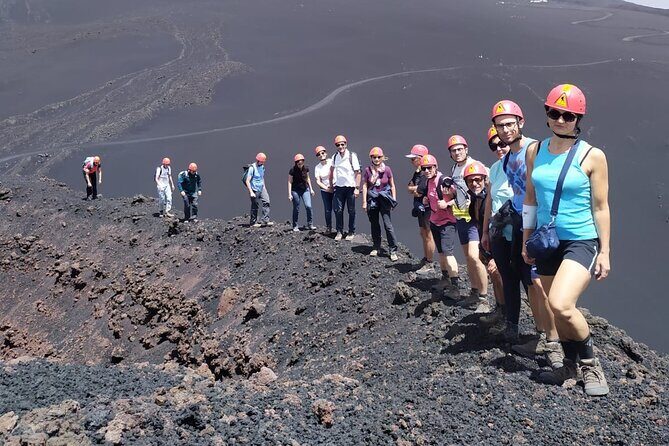
- Fresh 2021 lava terrain on the trek gives you that lunar, volcanic feeling up close
- Guided geology explanations that help you connect what you see to Etna’s eruption history
- Push toward 3000 m, with the big views coming from actual altitude, not just viewpoints
- Guided crossing of volcanic zones, including the route toward a small 1971 explosive cone area
- Group size capped at 20, which usually means less waiting and more attention on the trail
What a 3000m Etna Trek Really Feels Like
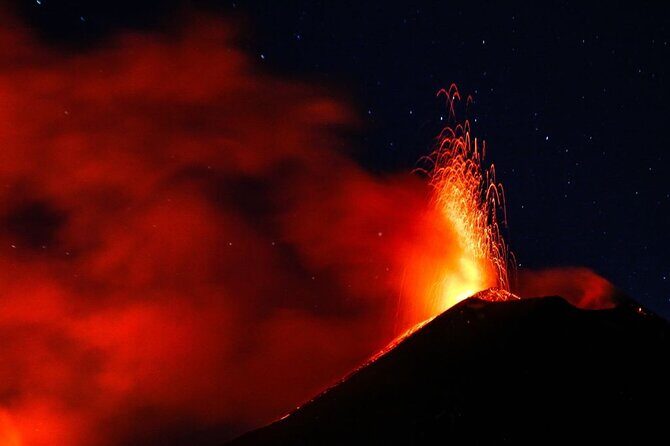
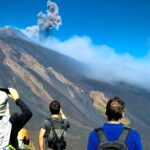
This is Etna as a hiking experience, not a bus-and-picture stop. The walk starts at the Sapienza side and builds you up into colder air and rougher ground as you gain height. You’ll be walking through black, jagged volcanic material that can feel surprisingly alien the first time you see it.
The tone of the day is intense but not chaotic. You’re not just checking off a distance; you’re moving across different volcanic surfaces while the guide ties it to eruption events. That matters because Etna can look like one big mountain from afar, but up close it’s a patchwork of different ages and types of lava.
If you’re the kind of traveler who likes a bit of effort for real payoff, you’ll probably click with this. If you want mostly flat walking, plan to look elsewhere. This one asks for a steady pace and good balance on uneven ground.
You can also read our reviews of more tours and experiences in Sicily.


Walking Through 2021 Lava to a 1971 Explosive Cone
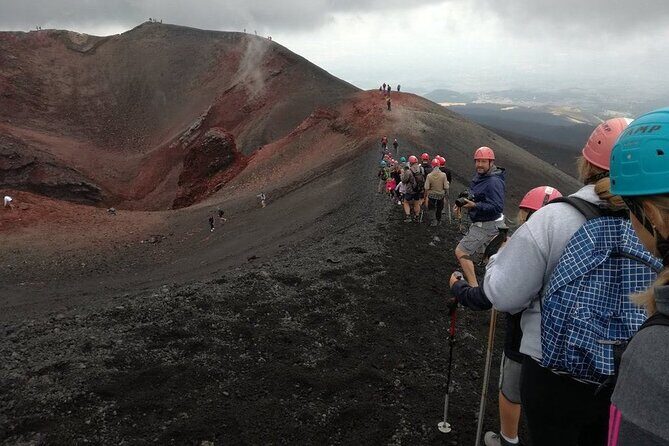
The core of the experience is the trek route itself. You start by crossing a recent lava flow scene from winter and spring 2021, which gives you that dramatic, newly formed look. The volcanic terrain can feel like it’s been freshly hammered into shape—sharp edges, dark surfaces, and a very “time-stamped” look where newer rock sits over older ground.
As you move along, the route targets the area of a small explosive cone from the 1971 eruption—a feature that’s been covered by the 2021 lava. In plain terms: you’re walking across the evidence of how Etna repeats itself, and how fresh eruptions can bury older structures.
This is where the guided part pays off. Etna’s history can sound abstract if you just read about it online. On the ground, the guide can connect the dots: what type of eruption changed the surface you’re stepping on, and why certain areas look the way they do.
The view also improves in a way that feels earned. At higher points, you start seeing the volcano’s scale and the way the mountain spreads out. Even when the sky is just partly clear, the contrast between black volcanic material and the lighter air higher up makes the whole thing feel more dramatic.
The 10:30am Sapienza Start and How the Day Is Set Up
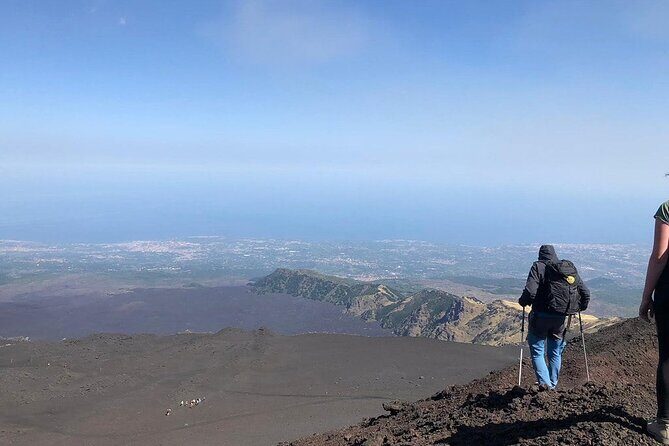
Your meeting point is back at the Sapienza area: Piazzale Rifugio Sapienza, 95030 Nicolosi CT, Italy. The start time is 10:30 am, and the tour runs for about 5 hours overall, ending back at the meeting point.
That timing is a practical sweet spot. Starting in the late morning gives you daylight for the climb and reduces the chances that you’ll be on the trail in the coldest early hours. At the same time, you’re still finishing with enough time left in the day to eat and wander around Nicolosi or head back toward Catania.
You don’t have to build your day around complicated transfers either. The meeting area is listed as being near public transportation, so it’s easier to slot into a wider Sicily plan without a huge scheduling headache.
Gear That Actually Helps on Volcanic Ground
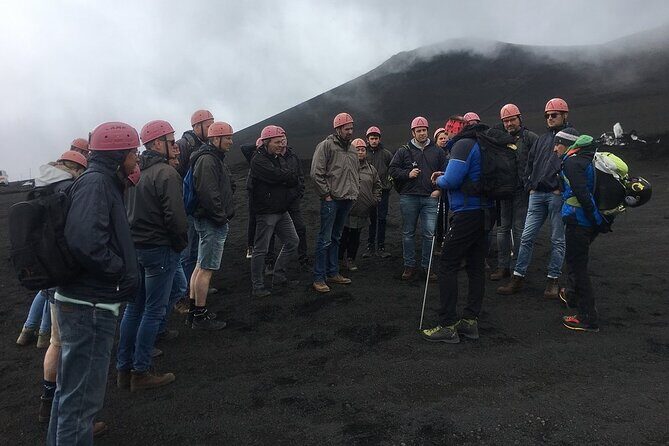
I like that the tour doesn’t just say bring hiking shoes. It’s more specific—and it gives you the items that help with comfort and safety on an active-feeling mountainside.
Included gear is:
- High-necked trekking shoes
- Windbreaker
- Trekking poles
- Protective helmet
- Volcanological or alpine guide service
That list matters because Etna can feel windy and exposed at height, even when the base area feels calm. A windbreaker is one of those “small” items that makes a big difference once you’re moving uphill and breathing harder.
Trekking poles are also a big deal on volcanic terrain. The ground can be uneven and gritty, and poles help you keep traction and stability. Add in the helmet, and you’re reminded this is a serious mountaintop environment where the group is managed intentionally.
One more point: you should still wear what works for you. If you’re used to hiking in good socks or a particular shoe model, bring what you prefer—just note that footwear is part of what’s included.
The Big Drawback: It’s Not a Gentle Walk
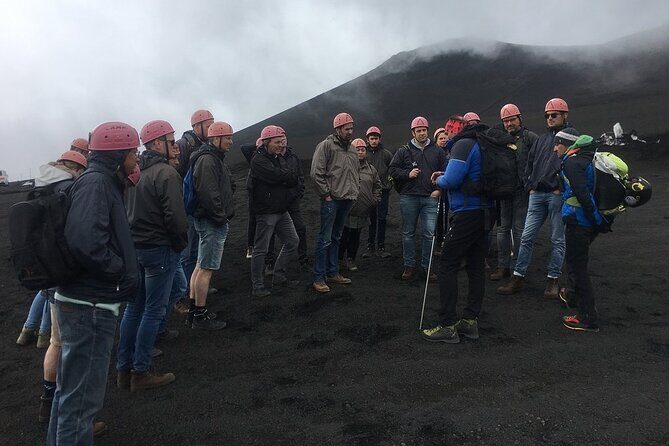
This is the part you should respect up front. The route is described as intense, and you’ll want moderate physical fitness. One review-highlighted message is clear: the hike is demanding and you shouldn’t assume you can do it on casual legs.
What does intense mean in real life? Expect a steady uphill effort, uneven ground, and a hike that lasts long enough to make your calves talk back. If you’re recovering from an injury, dealing with breathing limits, or usually struggle on hills, this might be too much.
Also remember altitude. The plan pushes up to around 3000 m, and even if you’ve hiked mountains before, altitude can still make the climb feel heavier than expected.
If you’re unsure, be honest with yourself. I’d rather you feel cautious and choose the right intensity level than end up struggling through a day you want to enjoy.



Value and Price: Why $72.41 Can Make Sense
At $72.41 per person, this falls into the “mid-range but fair” category for a guided mountain excursion. Here’s the value breakdown I see.
You’re paying for:
- a guide with volcanology/alpine expertise
- a plan that takes you to higher altitude (about 5 hours total)
- included trekking essentials like poles, a windbreaker, shoes, and a helmet
The “you get more than a generic walk” angle is the key. If you ever tried booking hikes where the guide basically points the way and you’re missing the right gear, you know how quickly that can turn into a miserable scramble.
One cost you should plan for is transport by cable car. The Etna cable car is excluded, so if you plan to use it to reach the trekking start area, you’ll need to budget that separately. The good news: you’re starting at Sapienza, and it’s easy to build the day around local logistics. The main point is not to assume the price covers everything getting up the mountain.
What You’ll See on Etna When the Route Gets Serious
Etna is impressive from a distance. But the real magic here is the close-up evidence: black lava textures, sharp edges, and the sense of walking across a surface that still carries a recent story.
You’re specifically walking across areas tied to the winter and spring 2021 flows, so the ground has that newer look that makes the geology feel immediate. Then, as the route heads toward the covered 1971 explosive cone area, it adds another layer—older structure beneath newer rock.
This combination turns the trek into more than views. It becomes an outdoor lesson you can physically experience. And when the guide explains the evolution of the volcano while you’re moving through it, the explanations land better than they would from a museum panel.
Even if clouds roll in, you’ll still get a meaningful experience. Volcanic terrain doesn’t need perfect weather to look dramatic. Clear weather just makes it more scenic at the higher points.
Group Size, Pace, and How to Get the Most Out of the Day
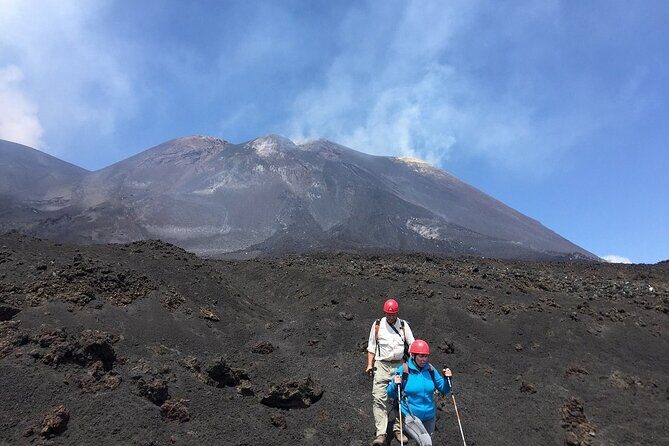
The group is capped at 20 travelers. That’s a good size for a guided hike. It’s small enough that you’re not stuck behind a huge line, and large enough that you won’t feel like you’re on a private expedition unless you happened to book one.
The tour is also offered in English, so language won’t be a barrier. That helps when the guide is sharing technical volcanic info—because hearing it clearly makes the whole trek feel more connected.
Pace is not spelled out in the details you’re given, but you can reasonably expect a moving schedule. You’ll be trekking for long stretches, and the guide’s role is to keep the group together while explaining what you’re seeing. Bring a mindset that fits: steady effort, frequent water breaks, and no racing.
Weather Rules: The One Thing You Can’t Control
This experience requires good weather. If conditions are poor, the tour may be canceled, and you’ll be offered a different date or a full refund.
It’s worth taking seriously because high-altitude terrain plus bad visibility is not a fun combo. If you’re traveling in Sicily during a changeable stretch of days, don’t book all your Etna plans back-to-back with zero flexibility. Give yourself a bit of breathing room so a weather shift doesn’t wreck your itinerary.
The tour also highlights that it needs the minimum number of travelers to run. If it doesn’t meet that minimum, you might be offered a different date or a full refund. Simple enough, but worth knowing if you have tight time constraints.
Who Should Book Etna Craters 3000 m (and Who Should Skip)
This is a strong fit if you:
- like active travel over sitting still
- enjoy guided explanations, not just photos
- can handle a steady uphill hike on uneven ground
- want real altitude payoff, roughly around 3000 m
It might not be for you if you:
- prefer gentle walking
- have limited hiking endurance
- struggle with moderate physical challenges
- are expecting an easy “crater sightseeing” day
The best part is that it’s clearly designed for people who are ready to put in effort. You’ll come away with more than a view—you’ll come away with a sense of how Etna changes.
Practical Tips Before You Go
Since this is an intensive, gear-focused hike, plan like it’s a real mountain day, not a stroll.
Bring:
- layers you can adjust if the wind or sun changes
- water and a snack approach that works for you (the day is about 5 hours)
- a calm attitude for uneven volcanic ground
Wear:
- the right socks and footwear setup you’re comfortable with
- whatever makes you confident stepping over rough, rocky surfaces
And mentally prepare for the altitude. Even if you’re fit, the climb can feel more demanding than you expect once you’re higher up.
Should You Book This Etna 3000m Excursion?
I think you should book it if you want a guided Etna experience that’s more than a viewpoint and you’re ready for a serious hike. The value feels strong because you’re paying for a guide, included trekking gear, and a route that targets meaningful volcanic features—2021 lava terrain and the buried 1971 explosive cone area.
Skip it or look for an easier option if the idea of an intense mountain trek doesn’t match your comfort level. This is a workout day in disguise, and it’s at its best when you arrive ready to move.
If you’re the type who loves seeing how places work up close—how eruptions shape what’s on the ground—this is the kind of trip that will stick with you.
FAQ
How long is the Etna craters excursion to 3000 m?
It lasts about 5 hours (approx.).
What time does the tour start and where is the meeting point?
The tour starts at 10:30 am at Piazzale Rifugio Sapienza, 95030 Nicolosi CT, Italy. It ends back at the meeting point.
What’s included and what’s not included?
Included: volcanological or alpine guide service, high-necked trekking shoes, windbreaker, trekking poles, and a protective helmet. Not included: the Etna cable car price.
Is the tour offered in English?
Yes, it’s offered in English.
What physical fitness level do I need?
You should have a moderate physical fitness level, since the trekking is described as intensive.
What happens if the weather is bad or the minimum group size isn’t met?
The tour requires good weather. If it’s canceled due to poor weather, you’ll be offered a different date or a full refund. If the minimum number of travelers isn’t met, you’ll also be offered a different date/experience or a full refund.