REVIEW · SICILY
Etna by Jeep: Exploring Craters and Lava Caves and Etna Wines
Book on Viator →Operated by Alessandro Mertoli · Bookable on Viator
Etna feels like another planet. On this 5-hour outing with Alessandro Mertoli, you walk through real volcanic features, including a lateral explosion crater from the 2001 activity and a lava cave system you reach by foot. You also get a proper Etna-area food and drink stop with Etna DOC tasting in Zafferana Etnea.
I really like the way Alessandro connects what you see (fumaroles, lava bombs, cracked ground) to what it means, without making it a boring lecture. I also like the small group setup (max 6), which keeps the pace humane and makes questions easy. The main drawback to plan around is weather: this tour depends on conditions, and safety rules can change which parts feel easy that day.
In This Review
- Key highlights worth knowing
- Why this Etna by Jeep tour fits a half-day plan
- Getting to Etna: pickup, timing, and the real meeting point
- Stop 1 on Etna: the 2001 eruptive vent, fumaroles, and crater walls
- Stop 2: Carcarazzi Craters lava cave experience (what it is and how to handle it)
- Stop 3: Valle del Bove caldera views and the story of caldera collapse
- Zafferana Etnea stop: Etna DOC wine tasting (white, rosé, red)
- Rifugio Sapienza: mountain-hut brunch and what you should expect
- Jeep ride expectations: transport style vs true off-road adventure
- The pace and how the guide keeps it moving
- What it’s like to be on volcanic terrain: comfort and safety basics
- Value check: is $114.65 worth it?
- Who should book this Etna tour
- Should you book Etna by Jeep?
- FAQ
- How long is the Etna by Jeep tour?
- Is pickup included?
- What language is the tour offered in?
- How many people are in the group?
- What stops are included during the tour?
- Is wine tasting included, and can everyone drink?
- What food is included at Rifugio Sapienza?
- What should I bring or wear?
- What happens if weather is bad?
Key highlights worth knowing
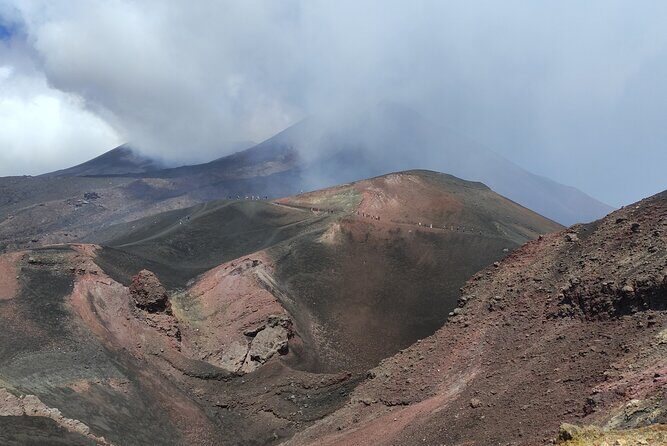
- 2001 eruptive vent stop: warm soil, sulfur smell, and fractures where activity still leaves marks
- Carcarazzi crater cave: a vertically developing cavity in volcanic slag, explored with head protection
- Valle del Bove view: a caldera-collapse amphitheater perspective with layered lava and ash
- Etna DOC wine tasting: white, rosé, and red tasting in Zafferana Etnea
- Rifugio Sapienza brunch: mountain-hut break with typical products before you head back down
- Small group experience: max 6 people means you spend time with the guide, not waiting in line
Why this Etna by Jeep tour fits a half-day plan
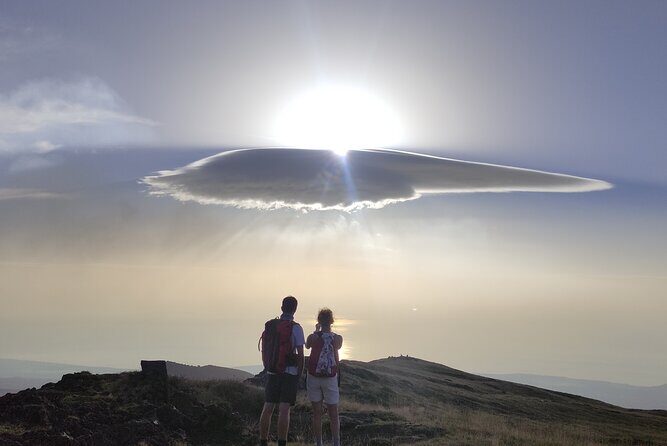
This is the kind of Etna trip that works when you have limited time in Sicily. In about 5 hours, you get multiple “wow” stops: volcanic craters, a lava-tube type cave experience, a major caldera viewpoint, plus wine and a mountain brunch. It’s not just driving to a single overlook, either. You walk enough to feel you are part of the geology.
The small group size matters. With up to 6 travelers, you don’t get stretched out across the mountain, and you’re more likely to get personal attention when the terrain is uneven or you want to ask a question.
You can also read our reviews of more wine tours in Sicily

Getting to Etna: pickup, timing, and the real meeting point
Pickup is offered, and it happens on the street under your accommodation once you share where you’re staying. Your start point is ORO d’Etna – Farm Costa – Beekeeping, on Via S. Giacomo, 135, in Zafferana Etnea (CT), and the tour ends back there.
Do expect a morning-or-early-day feel. Multiple stops at elevation and inside dark/uneven places mean you want to be ready on time, with water and layers.
A practical note from experience-style feedback: weather can slow things down, and traffic can cause early delays. Build in a little slack if you’re connecting the day to something else in Catania, Taormina, or a cruise departure schedule.
Stop 1 on Etna: the 2001 eruptive vent, fumaroles, and crater walls
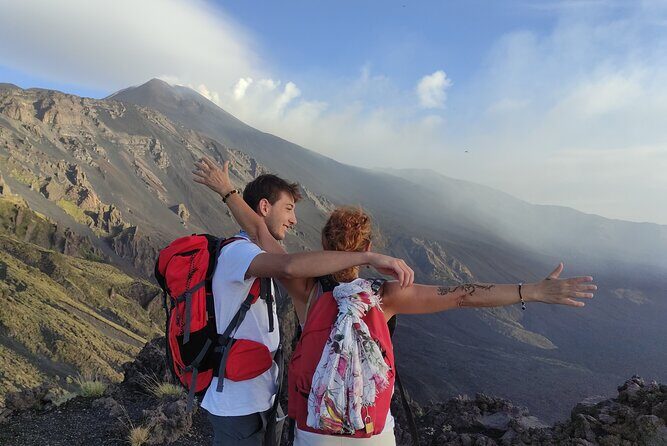
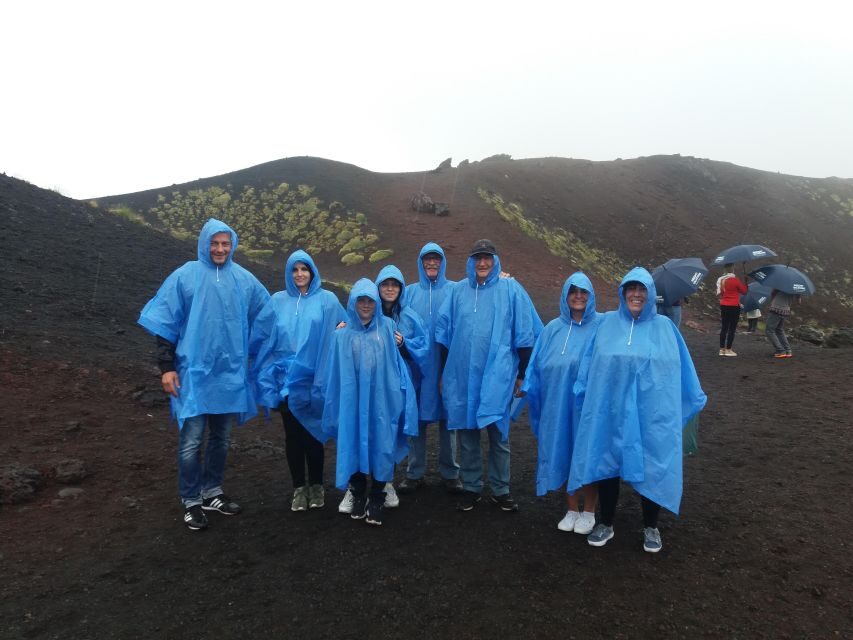
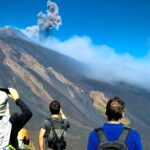
At the first Etna stop, you’re walking where the volcano still leaves physical clues. You’ll see the 2001 eruptive vent area and recognize a lunar-like mix of basalt rocks and disturbed ground. The air can include that sulfur smell, and warm soil underfoot can catch you off guard if you’re expecting only cold rock.
What I like about this stop is how it teaches you to read the ground. You’ll get close to a lateral explosion crater and look at layered lava walls, plus the kinds of volcanic bombs and fractures that show how magma moved and released energy. You’re not just taking photos; you’re learning the “why” behind the shapes.
What to consider: you’re dealing with active-volcano conditions, even if you’re not at the summit. That means surfaces can be rough, traction can change fast, and access may be affected by snow, rain, or low visibility.
Stop 2: Carcarazzi Craters lava cave experience (what it is and how to handle it)
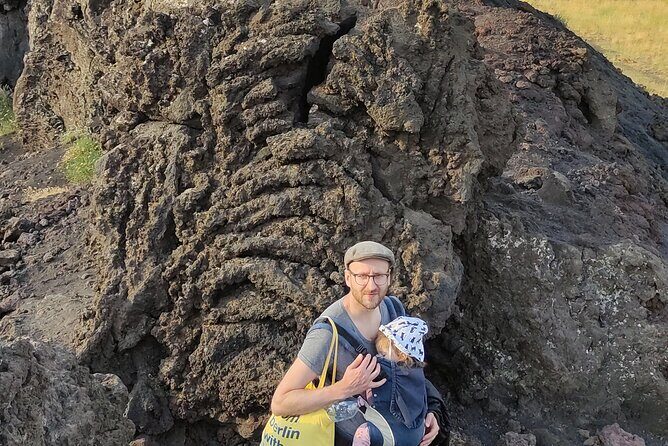
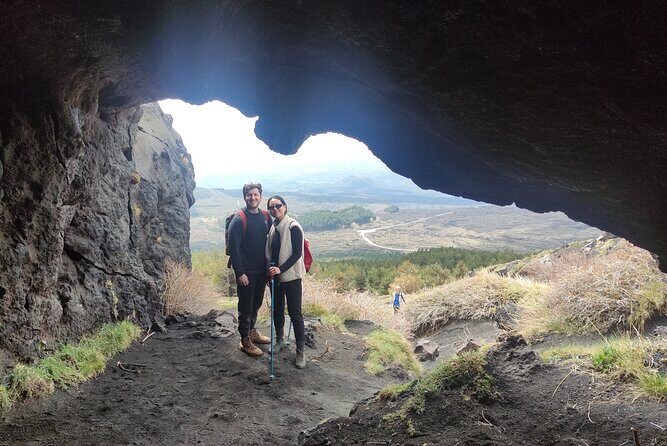
Stop two is the star for a lot of people: the Cave of the Carcarazzi Craters. This is a vertically developing cavity inside the eruptive apparatus of the 1766 eruption area (Calcarazzi mountains). The walls are described as extremely unstable because they’re made of welded slag.
In plain terms: you’ll move through a volcanic space that formed when the system had vents and fractures that let magma remnants consolidate, leaving emptier sections accessible through explosive or effusive activity. That’s why caves like this can feel both otherworldly and a bit fragile.
You should expect safety gear to matter. In feedback from past days, you’ll typically see helmets and head torches, and guides may help with trekking supports (like poles). If the weather turns snowy, access can change; one past group found the lava caves buried but still found a fun way to experience the terrain with the guide.
A small caution: some cave moments are short and don’t turn into an hour-long spelunking session. You’ll still get the key experience of walking inside volcanic tunnels and seeing firsthand how lava cooled and behaved.
Stop 3: Valle del Bove caldera views and the story of caldera collapse
Then you shift from “up close” to “big picture.” At Valle del Bove, you stand in view of an ancient caldera that looks like a geological amphitheater—layered walls of lava, pyroclasts, and ash stacked like pages from a volcanic notebook.
The way it’s explained makes the viewpoint easier to understand. The caldera forms when the magma chamber empties quickly and the top collapses. Later eruptions and deposits keep reshaping the area, so what you see from the viewpoint is the layered result of multiple phases, not one single event.
What I like here is the clarity of scale. You get a sense of how huge Etna’s internal plumbing is, compared with the smaller craters and cracks you saw earlier. The viewpoint also helps you connect the day’s walking to Etna’s longer history.




Zafferana Etnea stop: Etna DOC wine tasting (white, rosé, red)
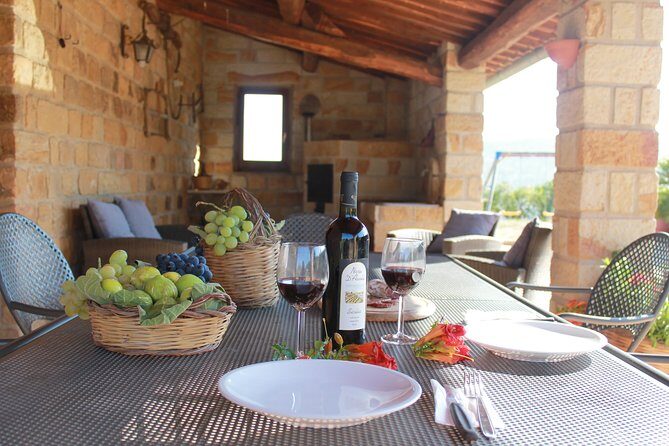
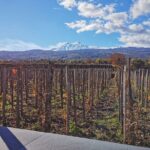
Next comes the palate reset in Zafferana Etnea. You visit vineyards connected to the Etna DOC wine area and taste three wines: white, rosé, and red.
This stop is only about 30 minutes, so it’s not trying to be a full winery day. It’s built to be efficient and informative: quick tastings, explanations tied to place, and a chance to enjoy something that’s actually local to the volcanic slopes you just walked.
Important for planning: Italy’s legal drinking age is 18. If you’re under that age, you won’t be served alcoholic beverages. In that case, you can still enjoy the vineyard setting and the non-alcohol parts of the tasting flow.
Rifugio Sapienza: mountain-hut brunch and what you should expect
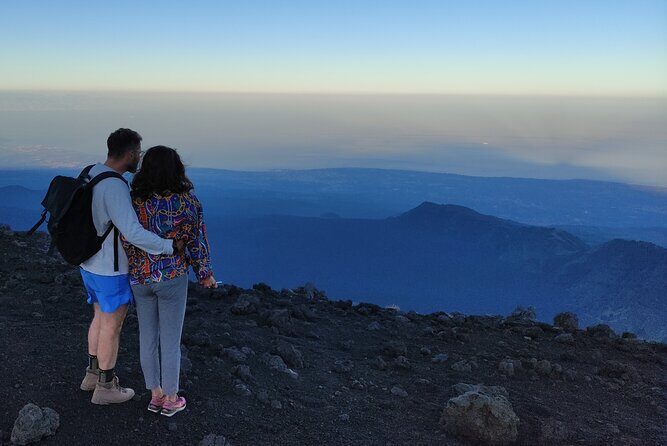
The tour includes a break at Rifugio Sapienza, a mountain hut setting. You’ll have a brunch with typical products, and the stop is around 30 minutes.
I like this structure. You’re not stuffing your face right before more walking, and you’re not leaving yourself too long on an empty stomach either. It’s the right kind of mid-day recovery for people who want Etna without turning it into a marathon.
What to keep in mind: mountain weather shifts. Even if it’s warm where you’re driving, you can feel colder up on Etna’s slopes. Bring layers you can add or strip quickly.
Jeep ride expectations: transport style vs true off-road adventure
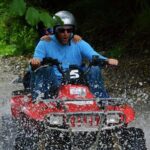
Despite the name, don’t assume this is an all-day off-road thrill ride. Some past experiences mention that it’s more of a guided transport between stops than a heavy “jeep adventure” with lots of rough trail driving. A few also mention the vehicle may look a bit worn, which is part of the practical reality of getting up a mountain in rural terrain.
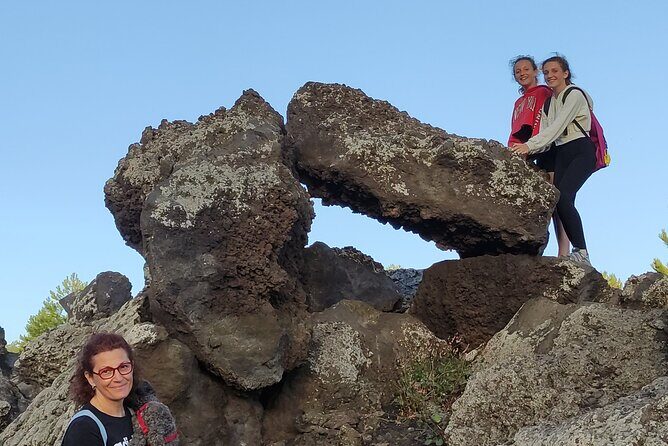
The real action is on foot: crater areas, cave paths, and the climb-like walk near the top zones. If you’re choosing this tour because you want hands-on volcano time, that part delivers.
The pace and how the guide keeps it moving
Alessandro and his team run this like a real field day. You’ll hear explanations at the stops, and you may see the guide using personal volcano videos on an iPad to help you connect to what you’re seeing on the ground. If you like photos, there’s also a chance your group gets pictures taken for you, so you spend less time swapping your camera between mode and timing shots.
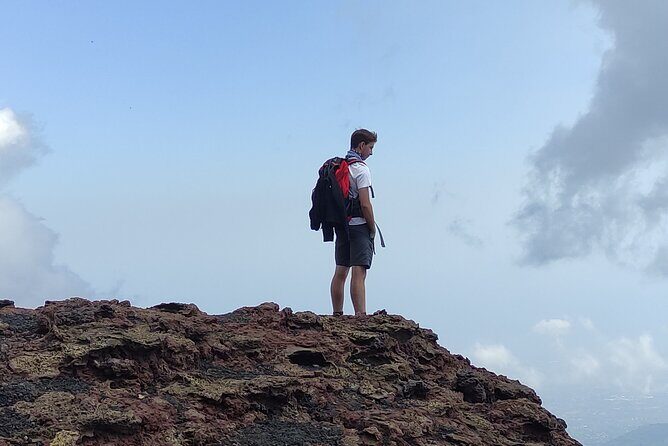
A short trek near the end is worth knowing about. One key review advice: plan on sturdy shoes because you’ll be walking on old lava surfaces that can be uneven. If you want to go at your own rhythm, you can usually do that, but you still need to be comfortable with walking on rock.
What it’s like to be on volcanic terrain: comfort and safety basics
Etna can be weird in the best way: you’re surrounded by familiar hiking rules, but the surface is lava and ash, not dirt trails. That means grip changes, footing changes, and you should take it slow on transitions.
Here’s what I’d plan around:
- wear shoes with real tread (not smooth sneakers)
- bring layers and keep a light wind layer handy
- carry water, especially if it’s sunny
- follow the helmet and head-torch instructions for cave sections
If snow or rain shows up, the tour still aims to keep the spirit of the day while adjusting for safety. That might mean a cave moment looks different than expected, but the guide will try to make sure you still get the core Etna experience.
Value check: is $114.65 worth it?
At $114.65 per person for around 5 hours, the value mostly comes from three things: time, access, and included experiences. You’re paying for guided time across multiple volcanic features, with pickup support and a capped group size of 6.
Admissions are included at the volcanic stops: Mount Etna (Stop 1), Cave of the Carcarazzi Craters (Stop 2), and Valle del Bove (Stop 3), plus the Rifugio Sapienza brunch. The wine tasting stop has an admission ticket that’s listed as free, so you’re not paying extra at that stage.
Add in the fact that the guide can tailor pacing to the group and keep it educational without losing fun, and you’re paying for more than transport. You’re buying an organized day where you don’t have to figure out the volcanic logistics yourself.
Who should book this Etna tour
This is a strong choice if you want:
- real volcanic visuals, not just a bus-ride viewpoint
- walking through lava fields and experiencing a cave-type stop
- a mix of geology, Sicilian food, and Etna DOC wine tasting
- a smaller group and an interactive guide style
It’s also a good fit for families with older kids, based on past feedback that two age ranges kept engaged. That said, if you or anyone in your group struggles with uneven rock walking or confined, dim cave areas, you’ll want to assess comfort level before you go.
Service animals are allowed, too.
Should you book Etna by Jeep?
Yes, if you want a structured, small-group Etna day that blends geology with food and wine. I’d choose it over a purely scenic option because the stops are designed to teach you how Etna shapes itself—vent details early, cave structure next, and caldera-scale views after.
Book with extra confidence if you’re the type who enjoys asking questions and connecting what you see to how volcanoes work in real life. Skip it or weigh it carefully if you’re chasing a big off-road jeep thrill, or if your schedule is so tight you can’t absorb weather or safety-based adjustments.
If you do book, pack for changing conditions, and keep expectations flexible. Etna does the deciding day-to-day.
FAQ
How long is the Etna by Jeep tour?
The experience runs for about 5 hours.
Is pickup included?
Yes. Pickup is offered, and the pickup happens on the street under your accommodation after you share the address.
What language is the tour offered in?
The tour is offered in English.
How many people are in the group?
The tour has a maximum of 6 travelers.
What stops are included during the tour?
You’ll visit Mount Etna, the Cave of the Carcarazzi Craters, Valle del Bove, a stop in Zafferana Etnea for an Etna DOC wine tasting, and then Rifugio Sapienza for a brunch.
Is wine tasting included, and can everyone drink?
Wine tasting is included with a tasting of white, rosé, and red Etna DOC wines. In Italy, the legal drinking age is 18, so alcohol won’t be served to anyone under 18.
What food is included at Rifugio Sapienza?
You’ll have brunch with typical products in the mountain hut setting at Rifugio Sapienza.
What should I bring or wear?
Wear sturdy shoes for walking on lava surfaces and bring layers for changing mountain weather. Water is a good idea, and the cave portion involves gear like helmets and head torches.
What happens if weather is bad?
This experience requires good weather. If it’s canceled due to poor weather, you’ll be offered a different date or a full refund. If you cancel for other reasons, the experience is non-refundable and cannot be changed.