Etna is loud, even when you stand still. This tour strings together classic stops around Mount Etna with a real sense of how the volcano shapes the area, from high-altitude craters to underground lava. I like that the walking time is built into the day without turning it into a long hike slog, and I also like the fact that multiple stops come with free entry so you’re not nickel-and-dimed.
My favorite part is the mix of viewpoints and textures: you get open-air geology at the Silvestri craters, then you switch to the dark, cool feeling of a lava-flow cave with included helmets and flashlights. The main consideration? Weather matters a lot—wind, snow, and low visibility can change what’s comfortable, and the tour is designed to work with the conditions rather than ignore them.
In This Review
- Why This Etna Tour Feels Worth It
- Etna at Work: What This 6-Hour Route Actually Shows You
- Picking the Right Stops: Silvestri Craters Walk at Altitude
- Grotta dei Tre Livelli: Going Under With Helmets and Flashlights
- Valle del Bove: A View With a Story Behind It
- Oro d’Etna Tastings: Local Flavor Without the Full Lunch Trap
- Timing, Pace, and Group Size: What 13 People Means for You
- Weather Rules: How to Think About Etna Conditions
- Price and Value: Why $71.04 Can Make Sense
- Who This Tour Fits Best
- Should You Book This Etna Experience?
- FAQ
- How long is the Etna tour?
- Is pickup offered?
- What language is the tour in?
- Are tickets or admission fees included for the stops?
- What should I wear for the crater walk?
- What’s included for the lava cave visit?
- Is lunch included in the price?
- How large is the group?
- What happens if the weather isn’t good?
Why This Etna Tour Feels Worth It
- Small group size (max 13) keeps the pace human and the guide’s attention closer.
- Multiple free-entry stops mean your money goes to time and guidance, not separate ticket lines.
- Helmets and flashlights included make the lava cave part easy to jump into.
- Four distinct environments in ~6 hours helps you understand Etna in more than one way.
- Free Sicilian tastings at Oro d’Etna adds a local flavor moment without needing a full restaurant stop.
Etna at Work: What This 6-Hour Route Actually Shows You
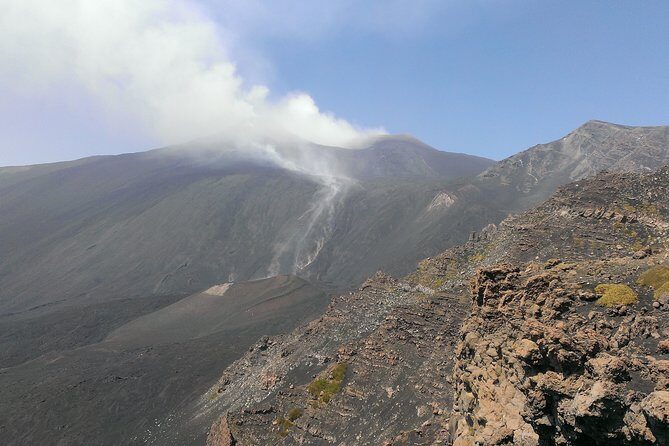
If you’ve ever seen photos of Mount Etna and wondered what it’s like to be near the source, this itinerary is a good reality check. It’s built around the idea that Etna isn’t one single view—it’s layers of time and forms you can move through.
You’ll start at altitude (the Silvestri area is about 2,000 meters) where the craters open the story of the volcano’s more recent eruptions. Then you head into the underground with Grotta dei Tre Livelli, formed by the 1792/1793 eruption. The day continues with Valle del Bove, a place tied to the volcano’s origins, and ends with Oro d’Etna for quick tastings of typical Sicilian products like honey and olive oil, plus wine.
This is also one of those tours where the “shape” of your day matters: it’s long enough to feel substantial (about 6 hours), but short enough that you’re not stuck out in the elements for an entire day of fighting fatigue.
You can also read our reviews of more tours and experiences in Sicily.
Picking the Right Stops: Silvestri Craters Walk at Altitude
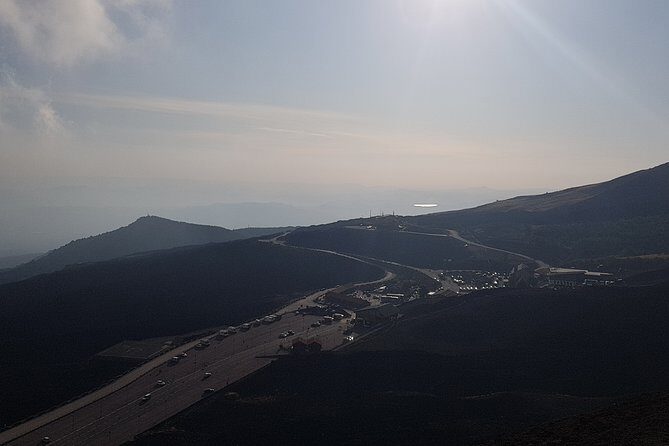
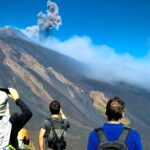
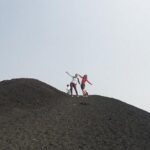
The day begins at the Craters Silvestri of Mount Etna. You’ll be around 2,000 meters above sea level, and from there you can see the majesty of the craters created by the 1891–1892 eruption. The best part is that you don’t just stand and stare. Starting from the lower part of the crater area, you can take a safe walk around the crater.
Why I like this stop for real travel value:
- A crater walk helps you understand scale. You see how big it is, then you physically move along the edges.
- The tour doesn’t rush you into a “photo sprint.” It’s set up for a walk-and-look rhythm.
What to watch for: the terrain can be tricky in colder months. One highlight from past guests was the guide working with snow and tough conditions in January, keeping the pace workable. If you’re visiting in winter or shoulder season, wear boots with grip and expect wind exposure at elevation. Bring a layer you can keep on without fuss.
Grotta dei Tre Livelli: Going Under With Helmets and Flashlights
Next comes Grotta dei Tre Livelli, a lava flow cave sometimes called the Three Levels. It’s tied to the 1792/1793 eruption, and the tour gives you the core gear you need: helmets and flashlights.
This stop lasts about 30 minutes, so think of it as an efficient intro to how lava systems can “store” the volcano’s energy underground. You’ll explore a portion of the cave with protective equipment, which is a big help if you’d rather not show up to a cave day hunting for gear.
Practical considerations:
- You’ll likely want a warm layer that’s comfortable against cooler cave air.
- Even with flashlights, visibility is limited—so follow the guide’s directions and slow your pace when the ground gets uneven.
The value here is that you’re not just seeing “a cave.” You’re seeing a piece of volcanic cause-and-effect that you can’t get from a viewpoint.
Valle del Bove: A View With a Story Behind It
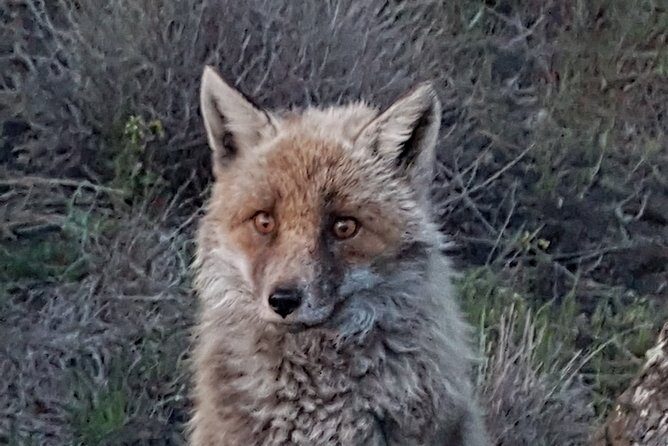
After the cave, you’ll spend about 30 minutes at Valle del Bove. The emphasis here isn’t on a long stroll. It’s on admiring the valley and hearing how the guide ties this place to the birth of Etna.
This is the part of the tour where your understanding starts clicking. The day moves from craters (eruption remains), to a lava-flow cave (eruption traces that moved and cooled in specific ways), to a valley setting that helps you connect the broader picture.
If you get restless when tours become too “lecture-y,” don’t worry—this stop is short. It’s designed for the balance of standing in a dramatic spot and getting the key context without burning up the entire afternoon.
Oro d’Etna Tastings: Local Flavor Without the Full Lunch Trap
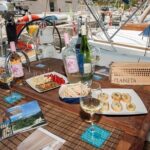
The last stop is Oro d’Etna, where you taste typical Sicilian products for free. The lineup can include honey, olive oil, and wine, among other local items.
This is a smart ending for two reasons:
- It feels like a reward after the physical parts of the day, especially the crater area and the cave.
- It keeps the day from derailing into a full restaurant meal when you’d rather use your time outdoors.
One note for planning: lunch isn’t included. The tastings are helpful, but they aren’t a meal replacement. Plan to eat separately before or after, and consider bringing a snack if you tend to get hungry between stops. Bottled water also isn’t included, so if you’re the type who likes hydration in hand, you’ll want to plan for that.


Timing, Pace, and Group Size: What 13 People Means for You
This tour typically runs about 6 hours and caps at a maximum of 13 travelers. That small size matters more than it sounds. It generally means:
- less waiting around during transitions,
- more flexibility if the terrain gets awkward,
- and a smoother experience if you’re traveling with questions.
Pickup is offered, and the tour is conducted in English. It’s also said to be near public transportation, which is useful if you prefer to not rely on pickup.
If you’re traveling as a family or a small group, the tour format can feel extra personal because the guide can adjust pacing. One person specifically praised how their family of four ended up being the only ones in the car with the guide—so you may get a more tailored feel depending on group makeup.
Weather Rules: How to Think About Etna Conditions
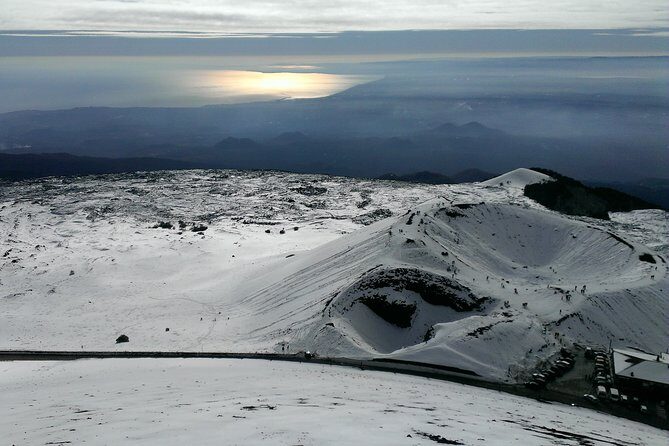
Etna is not a “rain or shine” location in the way some big-city tours are. The experience requires good weather, and if it can’t operate safely due to conditions, you’ll be offered a different date or a full refund.
Use that to your advantage. Instead of treating the day as guaranteed, treat it as a plan. If you’re visiting in winter or transitional seasons, expect change. Wind can be intense, and snow can affect comfort and traction around crater areas.
My practical advice:
- Wear layers you can adjust quickly.
- Bring gloves if you tend to feel cold easily.
- If you’re prone to slipping, take extra care in the crater-walk portion.
Price and Value: Why $71.04 Can Make Sense
At $71.04 per person for about 6 hours, this tour can be excellent value—mainly because of what’s included versus what’s not.
Included elements that add real cost (in practice) are:
- helmets and flashlights for the cave,
- guide time across multiple stops,
- and—crucially—free admission at each stop listed for the crater area, cave segment, valley viewing, and Oro d’Etna tastings.
Not included:
- lunch,
- bottled water.
So your “true” cost is basically the base price plus whatever you choose to eat and drink. If you’re already planning a meal and hydration anyway, you’re mostly paying for guided access, the cave gear, and a compact day that covers more than one volcanic environment.
Who This Tour Fits Best
This experience is a strong fit if you want:
- a guided day around Etna without needing to plan transportation between sites yourself,
- a mix of outdoor and underground volcanic features,
- and a small-group feel.
It also works well for people who can handle short walks and uneven surfaces, since the crater area includes walking around the crater. Most travelers can participate, but if you have mobility concerns, you’ll want to consider conditions on the day, especially in winter weather.
If you love stories—beyond just science—this tour can deliver. One guide named Daniele was praised for adding Sicily details alongside Etna, including references to celebrities, music, and legends, which helps the stops feel connected instead of separate.
Should You Book This Etna Experience?
Yes, if you want a structured, high-value day that shows Etna from multiple angles—craters up high, a lava cave under your feet, and a valley stop that explains where the volcano story starts—then this is a solid choice.
Book it with two things in mind:
- Go in ready for weather changes, especially if you’re visiting in winter.
- Budget for lunch and water separately, since the day ends with tastings, not a full meal.
If you’re the kind of traveler who likes a tight itinerary that still gives you time to look up and take in the scale, you’ll likely appreciate how this tour balances movement and meaning.
FAQ
How long is the Etna tour?
The tour lasts about 6 hours.
Is pickup offered?
Yes, pickup is offered.
What language is the tour in?
The tour is offered in English.
Are tickets or admission fees included for the stops?
Admission tickets for the listed stops are free.
What should I wear for the crater walk?
You should plan for walking at altitude and possibly uneven or wintry ground. In colder months, snow and wind can make conditions tougher, so wear appropriate footwear and layers.
What’s included for the lava cave visit?
The tour includes helmets and flashlights for Grotta dei Tre Livelli.
Is lunch included in the price?
No. Lunch is not included, and bottled water isn’t included either.
How large is the group?
The tour has a maximum of 13 travelers.
What happens if the weather isn’t good?
The experience requires good weather. If it’s canceled due to poor weather, you’ll be offered a different date or a full refund.