REVIEW · SICILY
Etna, Acicastello and Acitrezza
Book on Viator →Operated by Exclusive Etna Excursion · Bookable on Viator
Etna mornings feel like stepping into another planet. This outing strings together volcanic sites and a scenic coast so you get a full story of the island, not just a photo stop. I also like the small-group size (up to 55), because the day stays organized and you’re not stuck in a long shuffle.
You’ll start at Etna and work your way through key places linked to major activity, including the Silvestri area around 2000 m. Then you head down to the seaside towns of Acitrezza and Acicastello, where Etna’s early eruptions shaped what you see today.
One thing to plan around: there’s no lunch included, and the tour depends on good weather, so you’ll want to keep your schedule flexible.
In This Review
- Key Highlights You’ll Actually Use
- Why This Etna + Coast Combo Works
- Price and What’s Actually Included for Your Money
- Getting to Etna: Morning Timing, Pickup, and a Smooth Start
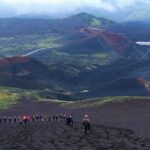
- Silvestri Craters at 2000 m: The Volcano Up Close
- Lava Flow Cave and Valle del Bove: Seeing Etna’s Inside Story
- The 1991/93 Lava Flow and Zafferana’s Tasting Stop
- Acitrezza and Acicastello: Coast Towns Formed by Eruptions
- What to Expect During the 6–7 Hours (Timing and Pace)
- Guides Make the Difference: Enrico and Salvo as an Example
- Who This Tour Suits Best
- Should You Book This Etna Excursion?
- FAQ
- What time does the tour start?
- Is pickup from my accommodation available?
- What’s included in the price?
- Do I need to bring helmets or torches for the lava cave?
- How high do you visit on Etna?
- How long is the excursion?
- Where does the tour end?
- What happens if the tour is canceled due to weather?
Key Highlights You’ll Actually Use
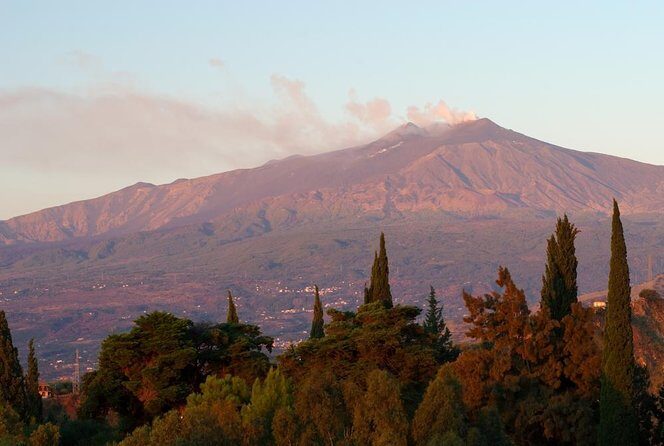
- Silvestri Craters around 2000 m for big views and a clear sense of Etna’s scale
- Lava flow cave visit with helmets and torches supplied, so you’re not scrambling for gear
- Valle del Bove to understand the volcano’s dramatic terrain
- 1991/93 lava flow story plus Zafferana tasting to connect geology with real local life
- Acitrezza and Acicastello coast time where the volcanic past meets the fishing-riviera feel
Why This Etna + Coast Combo Works
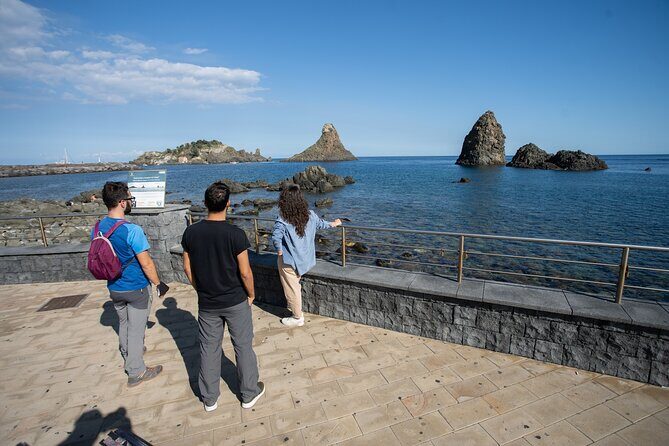
Most Etna trips only do volcano views and then rush you back. This one gives you a two-part day: fire on the mountain, then sea-level reality in two towns built around the volcanic story.
The order matters. You get altitude and active features first, so when you later look at the coastline areas, it clicks why these places matter. Etna isn’t just a mountain you look at. It’s a force that shaped where towns formed, how coastlines developed, and why the region feels the way it does today.
I also like that the experience doesn’t stop at one viewpoint. It mixes classic Etna stops (Silvestri Craters, Valle del Bove) with an inside look (the lava flow cave). That gives you both the wide picture and the hands-on geology.
You can also read our reviews of more tours and experiences in Sicily.

Price and What’s Actually Included for Your Money
At $127.34 per person for a 6 to 7 hour day, the value comes from what’s bundled in. You’re paying for guided time, transport by air-conditioned vehicle, and admission that’s included for the Etna portion. On top of that, the tour supplies helmets and torches for the lava cave, plus bottled water.
Lunch is not included, so that’s the one clear gap in the package. But if you compare this to piecing together transport + separate admissions + cave gear, this price starts to look pretty fair—especially because the day also adds Zafferana tasting and time in both coastal towns.
So if your goal is efficiency without feeling touristy, this is a solid match. If your goal is a long, slow day with lots of free time, you may feel the schedule is tight.
Getting to Etna: Morning Timing, Pickup, and a Smooth Start
The tour starts at 8:30 am, with pickup offered from your accommodation or an agreed meeting point. Either way, you’re not left figuring out how to get up Etna on your own. That matters in this part of Sicily, where public transport can be limited and local roads can be tricky.
The group size is capped at 55 travelers. In practice, that usually means you’ll keep moving without the full “bus load of everyone” feeling. Still, it’s a group day, so you’ll want to be ready on time—especially if you’re picking up at a meeting point.
You’ll ride in an air-conditioned vehicle, which is a nice comfort bonus on a day that can involve a lot of time outdoors and at altitude.
Silvestri Craters at 2000 m: The Volcano Up Close
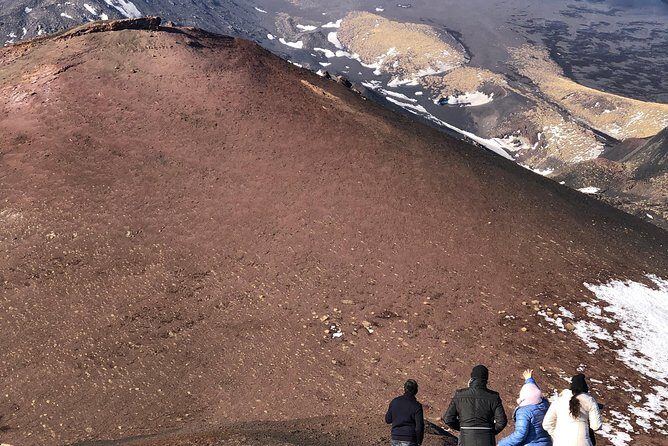
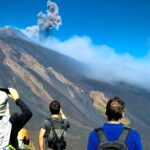
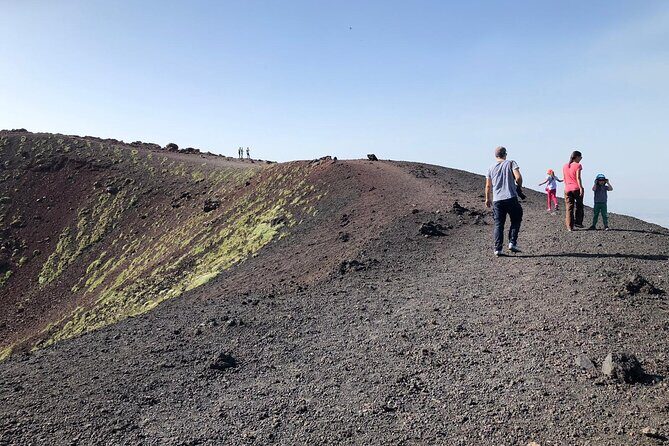
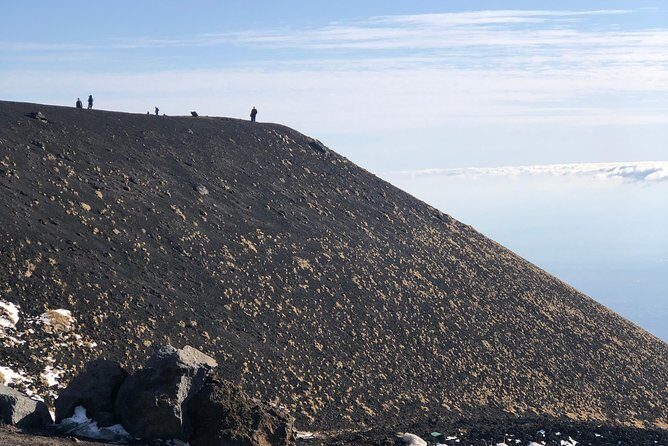
Your Etna block begins with time at Mount Etna and specifically a visit to the Silvestri Craters at about 2000 meters. Expect roughly 1 hour 30 minutes there, with the admission ticket included for this portion.
What I like about this stop is that it’s not just a “look from far away” situation. Being at higher altitude changes the whole feel of the mountain—visibility improves, and you start understanding why Etna’s geography is so structured. You also get a first anchor point for the rest of the day, because later stops (like the cave and Valle del Bove) make more sense once you’ve seen the craters up high.
One practical consideration: altitude can affect how you feel, even if you’re not doing strenuous hiking. Take your time with breathing, and don’t rush photos at the expense of staying comfortable.
Lava Flow Cave and Valle del Bove: Seeing Etna’s Inside Story
After the crater views, the tour moves into two of the most memorable pieces of the experience.
First up is the lava flow cave. You’ll be given helmets and torches, which is a big deal because it removes friction. Instead of worrying about equipment, you can focus on what you’re actually seeing: the kind of tunnel-like structure lava creates as it moves and cools. This is the moment where Etna stops being an image and becomes a physical process you can almost trace.
Then comes Valle del Bove. Even if you’ve seen volcano photos before, this area tends to make people understand scale and shape. The terrain is dramatic and gives you a stronger mental map of Etna’s interior forms, not just its edges.
In other words, this isn’t just spectacle. It’s a guided way to connect the dots between eruption behavior and what’s on the ground.



The 1991/93 Lava Flow and Zafferana’s Tasting Stop
The itinerary includes a look at the famous lava flow from 1991/93, the one that reached the gates of Zafferana Etnea. That’s more than trivia. It’s a reminder that this volcano isn’t only historic—it’s part of living memory for the region.
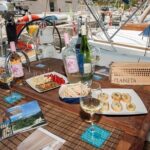
After that geology comes a human-scale pause: a tasting of typical products at a local company in Zafferana Etnea. This is one of those smart travel choices. You get a break from volcanic terrain and shift to food that reflects what people do with their environment and time.
Because lunch isn’t included, this tasting can help your day feel less like you’re only holding out for dinner later. Still, don’t treat it as a full meal. If you’re prone to getting hungry, you might want to plan a small snack before or after the tour.
Acitrezza and Acicastello: Coast Towns Formed by Eruptions
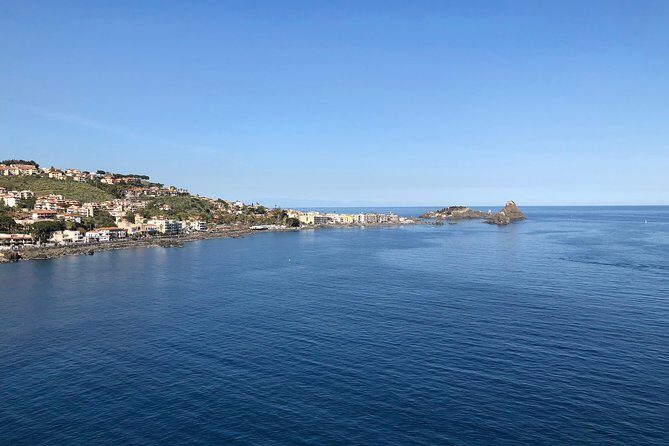
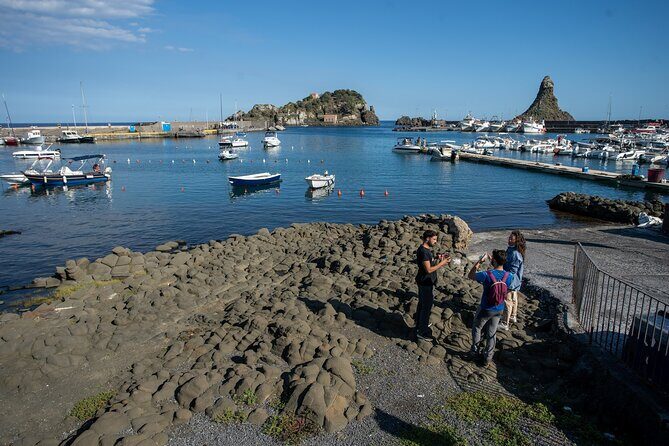
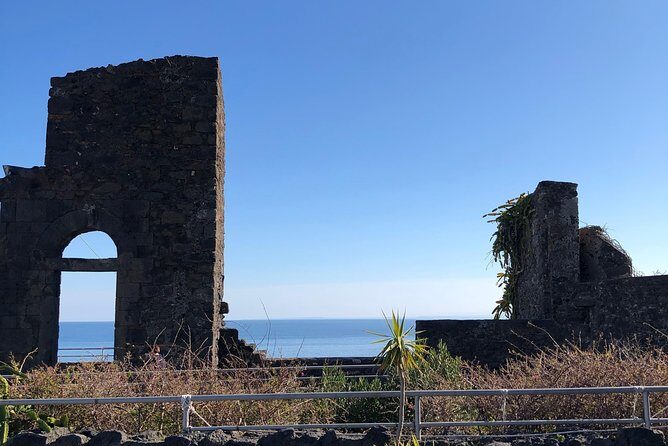
Now you switch gears to the sea. You’ll visit Acitrezza and Acicastello, two riviera-style stops that connect directly to Etna’s earliest activity. The idea is simple: after you understand the volcano’s behavior on the mountain, you get to see what those events did near sea level.
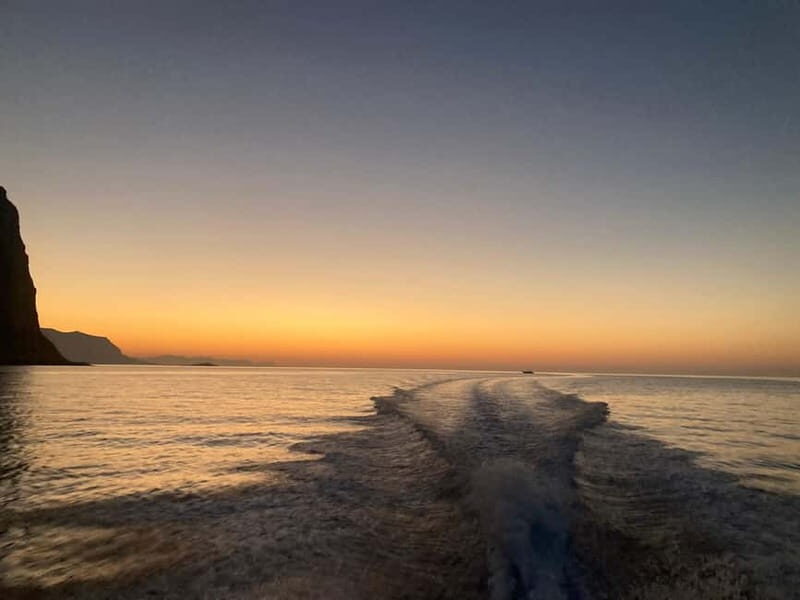
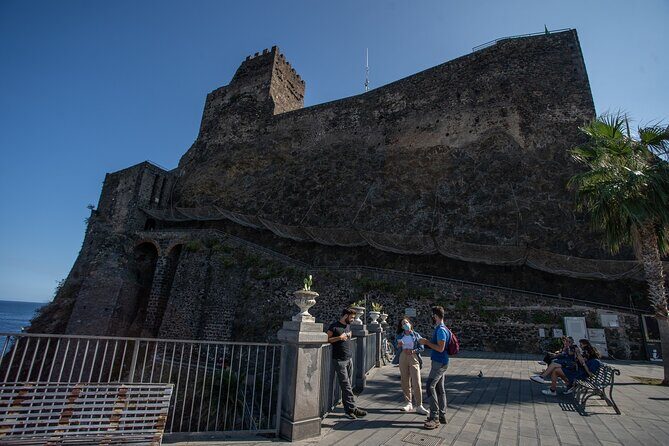
Acitrezza is known here as a fishing village vibe—relaxed, slow, and right at the water’s edge. Acicastello is smaller but has a reputation for scenic viewpoints, including terraces where you can look out over the sea and watch the coastline do its thing.
What I love about these towns in a tour like this is how they balance the day. The morning is all geology and altitude. The afternoon lets you reset with sea air and easier pacing. Even if you’re not a “wander for hours” person, these are good places for short walks and a calmer finish.
What to Expect During the 6–7 Hours (Timing and Pace)
Real talk: this is a full day. Between the crater time, the cave and Valle del Bove stop, the Zafferana tasting, and the two coastal towns, you’re moving through multiple settings with limited dead time.
The tour timing is approximate at 6 to 7 hours, starting 8:30 am. You’ll end back at the meeting point, with drop-off at your accommodation facility where offered.
If you like your days structured—clear stops, guided explanations, and a transport plan that actually works—this format will feel good. If you prefer long stretches of free time, you’ll want to keep your expectations realistic: the day is meant to cover a lot, not meander.
One more note that can shape your experience: the tour requires good weather. If conditions aren’t right, the operator will offer a different date or a full refund, so build your plan accordingly.
Guides Make the Difference: Enrico and Salvo as an Example
Etna tours live or die with the guide. The best ones help you see patterns instead of just naming places.
In this case, the experience stands out for guide competence and organization. I’ve seen praise tied to punctuality and strong preparation from guides including Enrico and Salvo. That’s exactly what you want when you’re standing on volcanic ground or inside a lava cave: you need clear instructions, a smooth flow, and explanations that make the scenery click.
If you care about understanding what you’re looking at, this kind of guiding is a big part of the value. The itinerary is solid, but the interpretation is what makes it memorable.
Who This Tour Suits Best
This tour is a strong fit if you want:
- An Etna day that includes both big views and an inside-the-volcano moment
- A practical way to reach multiple areas without dealing with complicated local transport
- A combo of mountain + coast, so your eyes don’t get bored halfway through
It’s also a good choice for mixed groups and families, as long as everyone is okay with a full schedule. It’s designed for most travelers, and it caps at 55, which helps keep the experience manageable.
If you’re the type who likes to drive yourself everywhere and wander independently, you might feel the day is too guided. But for a first trip to this region, guided is usually the fastest path to seeing the right things.
Should You Book This Etna Excursion?
I’d book it if you want a day that actually connects volcanic geology to real-world coastal towns. The included safety gear for the lava cave, the visit to Silvestri at about 2000 m, the Valle del Bove stop, and the Zafferana tasting all add up to more than the usual Etna sightseeing.
Skip it only if you strongly prefer lots of free time, or if you know your schedule can’t handle weather-based rescheduling. Also remember lunch isn’t included, so plan your food timing.
For most people, the decision is pretty simple: if you want an efficient, well-structured Etna + coast day with practical inclusions, this one earns its keep.
FAQ
What time does the tour start?
The tour starts at 8:30 am.
Is pickup from my accommodation available?
Yes. Pickup is offered at your accommodation or at an agreed meeting point.
What’s included in the price?
You get an air-conditioned vehicle, a Mount Etna admission ticket for the Etna portion, helmets and torches for the lava cave, and bottled water. Lunch is not included.
Do I need to bring helmets or torches for the lava cave?
No. Helmets and torches are supplied.
How high do you visit on Etna?
You visit the Silvestri Craters at an altitude of around 2000 m.
How long is the excursion?
It runs approximately 6 to 7 hours.
Where does the tour end?
It ends back at the meeting point, and drop-off at your accommodation facility is offered where applicable.
What happens if the tour is canceled due to weather?
This experience requires good weather. If it’s canceled due to poor weather, you’ll be offered a different date or a full refund.