REVIEW · SICILY
Archaeological excursion to the Rocca della Falconiera in Ustica
Book on Viator →Operated by Escursioni Ciprea Ustica · Bookable on Viator
One hill. Three time periods. A guide who tells it like a story. The archaeological excursion to Rocca della Falconiera in Ustica mixes Roman necropolis finds with the island’s 1920s-to-1960s confinement history, then tops it off with a climb for big views. I particularly liked the way the visit turns facts into a narrative, and the energy from guides like Vittorio Arnò (often praised for humor and engaging storytelling), which makes the Roman parts feel real instead of textbook. The main thing to consider is that you’ll do an outdoor walk and climb, so comfortable shoes and decent weather matter.
The format is straightforward and good value: short meeting time (6:00 pm), about two hours total, and an included entry ticket to Rocca. At the start you’ll also get a mask, and you can use a mobile ticket. One practical drawback: bottled water isn’t included, so you’ll want to bring your own or plan to buy some before you meet.
In This Review
- Quick hits you’ll feel on the walk
- Rocca della Falconiera: the reason Ustica feels deeper than it looks
- The 6:00 pm timing and the reality of a 2-hour hike
- Via Calvario: wars, confinement, and why Ustica mattered to big names
- Roman hypogea: learning the meaning behind burial spaces
- The last volcano you can still see: what it changes about the view
- The climb and panorama: your payoff at the Rocca top
- Masks, mobile tickets, and what’s included (and not)
- Is it worth $20.90?
- Who should book this, and who might skip it
- Should you book the Rocca della Falconiera archaeology tour?
- FAQ
- How long is the archaeological excursion?
- What time does the tour start?
- Where do we meet for the Rocca della Falconiera visit?
- Is entry to Rocca included in the price?
- Does the tour include bottled water?
- What if the weather is bad?
Quick hits you’ll feel on the walk
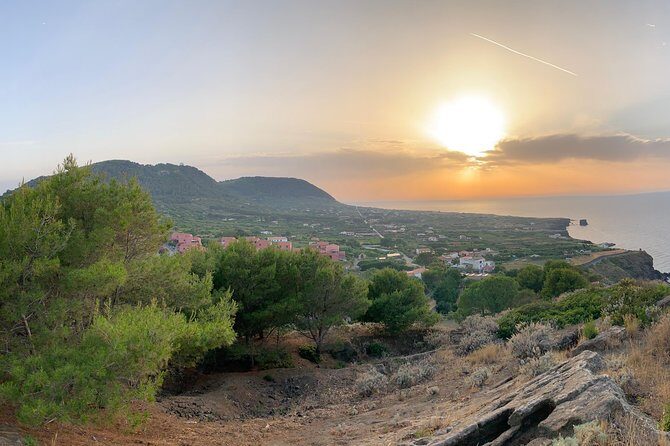
- Rocca della Falconiera + Roman hypogea: you enter the area tied to Ustica’s necropolis traditions around death and burial.
- Ustica history beyond the beach: you hear about the confined island years from the 1920s to the 1960s, plus figures like Antonio Gramsci, Amedeo Bordiga, and Nello Rosselli.
- Via Calvario storytelling route: the walk itself becomes part of the lesson, not just a transfer between sights.
- The volcano lesson: you learn about the island’s volcano and how it shapes what you see.
- Top-of-the-hill panorama: the climb ends with wide views across the island in a way a map can’t teach.
- Small-group feel, big site energy: up to 75 people keeps it manageable for questions and pacing.
Rocca della Falconiera: the reason Ustica feels deeper than it looks
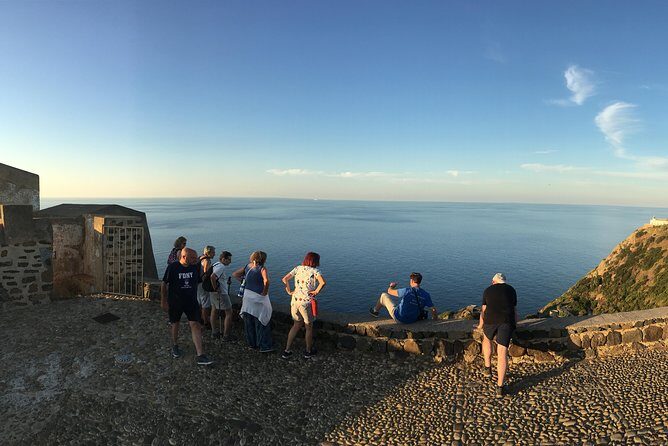
Ustica is famous for sea and sky, but this tour nudges you inland for the layer that many first-timers miss: the story of how people lived, feared, and remembered here. The centerpiece is Rocca della Falconiera, a hilltop area tied to multiple civilizations and, most importantly for this visit, the Roman presence through hypogea (underground burial spaces).
What I like about this kind of archaeology tour is that it doesn’t treat ruins like isolated rocks. Even with limited time, you get enough context to understand why the Romans built and used these spaces. The guide connects them to the idea of sacredness around death, which helps you walk through the area with meaning, not just curiosity.
There’s also a good “Sicily brain” bonus: you hear how Ustica’s more recent past shaped the island’s identity. The experience threads together Roman burial traditions and much newer island history, so you leave with a clearer sense of why the same hill can hold different stories across centuries.
You can also read our reviews of more tours and experiences in Sicily.


The 6:00 pm timing and the reality of a 2-hour hike
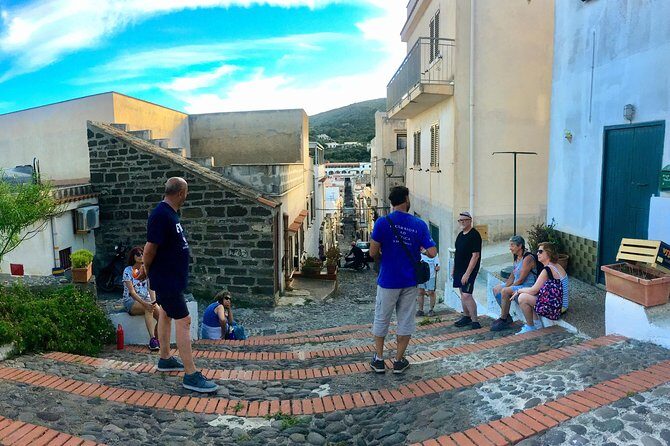
This excursion runs for about two hours and starts at 6:00 pm. That timing can be a sweet spot: the light often feels better for a walk, and you’re less likely to deal with the harshest heat than you might earlier in the day. You’ll meet at Via Dottore Mario Randaccio, 11, 90051 Ustica PA and you end back at the meeting point.
The route is walking-focused, including a climb to the top of the hill. That doesn’t mean it’s a marathon, but it does mean you should treat it like a small hike. If you’ve got knee issues or you’re not used to uneven paths, you’ll want to plan conservatively.
Also keep in mind:
- The tour includes masks, but bottled water isn’t included.
- You need comfortable clothes and shoes.
- Service animals are allowed, and the site is near public transportation, which helps if you’re coordinating arrival and departure without a car.
One more practical note: the group size is capped at 75, so you won’t be alone, but it’s also not a mass event where you lose the thread of the story. Still, if you’re the type who asks lots of questions, try to position yourself a bit closer to the guide when possible.
Via Calvario: wars, confinement, and why Ustica mattered to big names
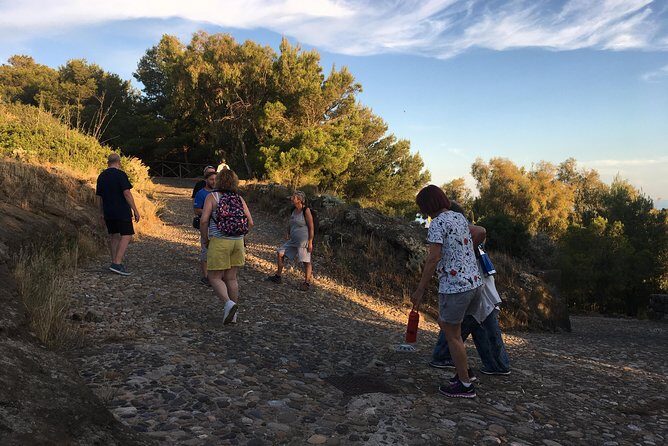
The walk along Via Calvario is where the tour really sets its tone. Instead of jumping straight into stone and dates, the guide starts with the island’s more modern history—especially the era connected to confinement from the 1920s through the 1960s—and then layers in the idea of the two wars and how people on a small island got caught in world events.
You also hear about historical personalities tied to that confinement story, specifically Antonio Gramsci, Amedeo Bordiga, and Nello Rosselli. For me, that part changes how I see Ustica. It’s not only a place of travel posters. It becomes a place that held political lives under pressure and isolation.
Why that matters for your experience: when you later look at burial spaces tied to Roman times, you’ll naturally start comparing the human themes. Different centuries, same core questions—where do people go when they’re powerless, and what does a community do with memory?
This portion is also a good check for fit. If you only want geology and you’re not into history, you might feel impatient at first. But the guide keeps it moving, and the island’s later story helps you understand why people are still drawn here beyond the water.
Roman hypogea: learning the meaning behind burial spaces
Once you reach Rocca, the mood shifts from island politics to archaeology and ritual. You’ll be guided through the Roman hypogea and how the community understood the sacredness of death.
Even if you don’t consider yourself an archaeology person, this is one of those experiences where the guide’s job is to make the space legible. Hypogea can look like simple underground chambers from a distance. The difference here is the explanation: you’re shown how the Romans treated burial not just as disposal, but as something tied to belief and respect.
This is where you’ll likely appreciate the “storytelling with humor” style that many people praise about Ciprea’s guides, including Vittorio Arnò. When a guide can make a burial site feel understandable—without turning it into a lecture—you start noticing small details you would otherwise ignore. And because you’re on Ustica, the isolation adds gravity. You can almost feel why the living needed clear beliefs about the dead.
If you’re the type who likes to take notes, bring your phone charger or a small notebook. The experience is short, but you’ll likely want to capture names and key concepts while they’re fresh.
The last volcano you can still see: what it changes about the view
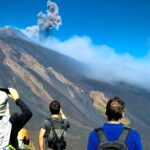
Ustica is volcanic, and this tour treats that as a living part of the landscape rather than a trivia question. You’ll get a detailed explanation about the island’s volcano, described as the last volcano still visible.
This matters because the geology doesn’t sit off to the side. It shapes the shape of the hill you climb, the structure of the grounds around Rocca, and the way the island reads from above. On a clear evening, the panorama can feel like a diagram of how volcanic life created the island’s physical limits.
I like that this tour doesn’t force geology jargon. It’s more about what you can observe while you walk. Even if you don’t remember every scientific term afterward, you’ll probably remember the basic idea: the island’s form ties back to its volcanic origin, and the views make that origin obvious.




The climb and panorama: your payoff at the Rocca top
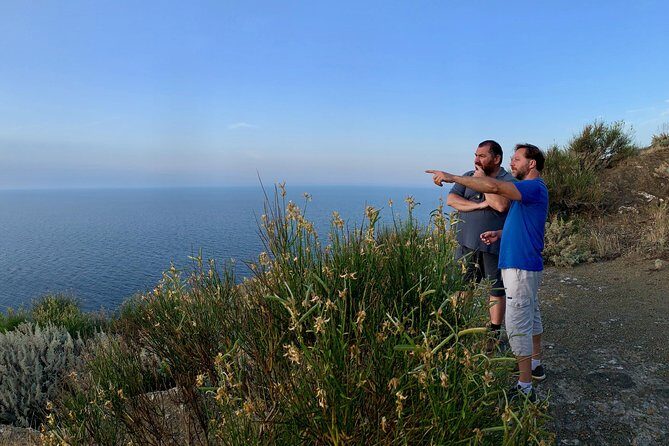
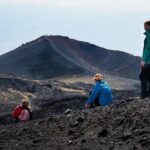
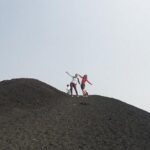
The experience ends with the best reward—climbing to the top of the hill for the panoramic views of the entire island. This is the moment where everything you heard starts to line up: the Roman burial story sits in the same place as the island’s modern isolation story, and both are rooted in the island’s volcanic shape.
This is also the most practical part to plan for. Wear shoes with real grip. Evening light can make the ground feel slippery if it’s uneven or dusty. If wind picks up, keep a light layer handy, especially if you’re sensitive to temperature changes near coastal areas.
Once you’re at the top, don’t rush your photos. Take a minute to look for the island’s big shapes and lines. That’s the difference between taking pictures and actually understanding where you are.
Masks, mobile tickets, and what’s included (and not)
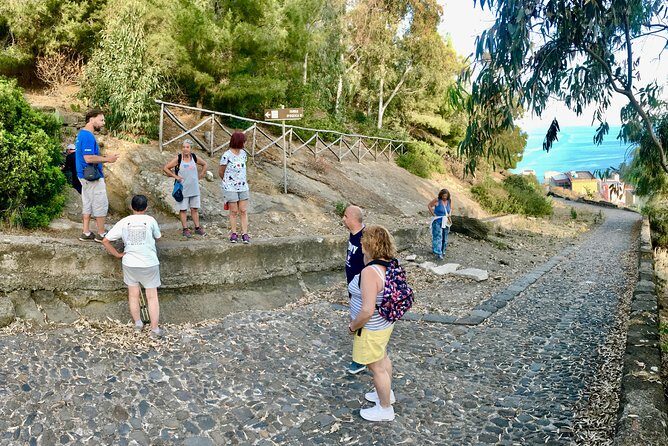
For a $20.90 price point, this tour is more “experience value” than “shopping for tickets.” Here’s what you actually get from the provided details:
Included:
- Admission ticket connected to Rocca
- Masks
- A guided visit with an entry component and walking route
- Pickup offered (so check if it applies to your booking)
Not included:
- Bottled water
Other practical notes:
- You’ll use a mobile ticket
- The experience uses a format that works for most people who can do a moderate walk
- It’s capped at 75 travelers and is confirmed at booking time
Is it worth $20.90?
I think it is, mainly because you’re paying for three different kinds of value in one package:
- Roman archaeology access (not just looking from the outside)
- A coherent Ustica narrative linking recent confinement history with older cultural layers
- A physical payoff at the top, with island views that make the effort feel justified
If you’re in Ustica for a short time, this is one of the better “use your hours well” options because it moves you beyond just sitting by the sea.
Who should book this, and who might skip it
Book it if:
- You want your Ustica trip to include real culture, not just views.
- You like guides who tell the story in a way you can follow—people repeatedly highlight lively presentation and humor.
- You can handle a short walk and a climb for the panorama.
You might choose something else if:
- You prefer very gentle, flat sightseeing with no climbing.
- You’re only interested in beaches and want a purely natural or purely marine outing.
- You show up without water and don’t want to deal with that practical piece on your own.
Should you book the Rocca della Falconiera archaeology tour?
If you’re asking me whether to book: yes, especially for a first serious evening on the island. The combination of Roman hypogea, the island’s confinement-era history (with names like Antonio Gramsci, Amedeo Bordiga, and Nello Rosselli), and the volcano-to-panorama route gives you a strong “Ustica whole picture” in about two hours.
I’d book it when:
- You have limited time and want one guided hit of meaning.
- You want to understand why Ustica is more than a pretty coastline.
- You enjoy storytelling history, not just stone facts.
One last tip: bring water, wear grippy shoes, and go in ready to listen. This tour works best when you treat Rocca like a stage where different centuries keep speaking.
FAQ
How long is the archaeological excursion?
It lasts about 2 hours (approx.).
What time does the tour start?
The start time is 6:00 pm.
Where do we meet for the Rocca della Falconiera visit?
You meet at Via Dottore Mario Randaccio, 11, 90051 Ustica PA, Italy, and the tour ends back at the same meeting point.
Is entry to Rocca included in the price?
Yes. The admission ticket for Rocca della Falconiera is included.
Does the tour include bottled water?
No, bottled water is not included.
What if the weather is bad?
The experience requires good weather. If it’s canceled due to poor weather, you’ll be offered a different date or a full refund.