REVIEW · PALERMO
The art of the Italian Aperitivo with a local: Learn & Enjoy in Palermo
Book on Viator →Bookable on Viator
Five nibbles, one great Palermo welcome. This hands-on aperitivo workshop puts you in a local home with Cesarine-certified hosts and teaches the Sicilian cocktail-hour style of eating. I love the focus on five classic nibbles made from traditional ingredients, and I love how the evening ends as a relaxed tasting session with good back-and-forth conversation.
One thing to consider: it runs about two hours starting at 6:00 pm. If you’re hunting for a long night with lots of wandering around, this private, at-home format is more “small and focused” than “big and theatrical.”
In This Review
- Key things that make this Palermo aperitivo class worth your time
- A Sicilian aperitivo lesson you can actually use
- Entering a Palermo home at 6:00 pm
- The Cesarine angle: why a certified home cook matters
- Cooking five Sicilian aperitivo nibbles, one by one
- What you’re really learning while you cook
- The tastings: where the aperitivo truly happens
- Wine and bubbly pairing: why it’s included
- Private format: small group energy and better questions
- Price and value: what you’re paying for (and why it’s fair)
- Who this aperitivo workshop is best for
- The practical takeaway: how to recreate your Palermo aperitivo at home
- Should you book this Palermo aperitivo class?
- FAQ
- What time does the Palermo aperitivo workshop start?
- How long is the experience?
- Is it a private experience?
- Where does the activity take place?
- What do I prepare during the workshop?
- Are drinks included?
- Do I get a ticket on my phone?
- What is the cancellation policy?
- When will I receive confirmation of my booking?
Key things that make this Palermo aperitivo class worth your time
- Cesarine-certified home cooks: real local hospitality, not a staged show
- Five Sicilian aperitivo nibbles using traditional local ingredients
- Wine and bubbly pairing as part of the experience, not just an add-on
- Start at 6:00 pm: a perfect “cocktail hour” rhythm to cap your day
- Examples of dishes include bruschetta with fragrant olive oil, grilled market vegetables, plus charcuterie and cheeses
- Private setup: only your group, so you can actually ask questions while you cook
A Sicilian aperitivo lesson you can actually use
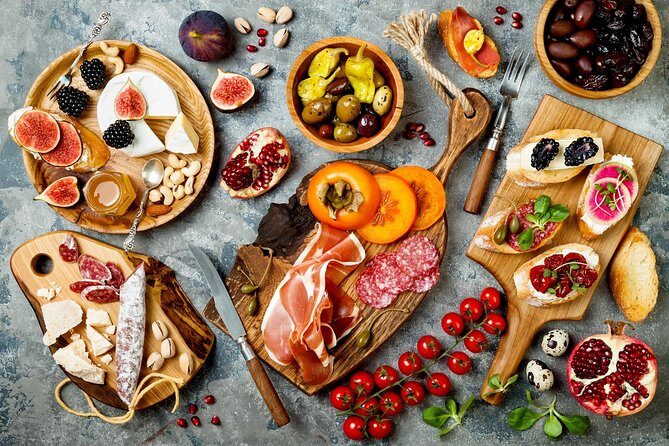
Palermo does aperitivo like it matters. It’s not only a drink. It’s an eating rhythm: something salty in front of you, a glass in hand, and time to talk before dinner starts.
This workshop is built around that idea. You spend the evening in a Palermo home with a local host from the Cesarine network, which is Italy’s national program for certified home cooks. The goal isn’t fancy technique for the sake of it. It’s learning how Sicilians put together a spread that feels easy, generous, and tied to what’s local.
What I like most is the clarity of the format. You learn, you prepare, then you sit down and eat what you made—paired with wines and bubbly. It’s the kind of experience that gives you usable knowledge, not just photos.
You can also read our reviews of more tours and experiences in Palermo.



Entering a Palermo home at 6:00 pm
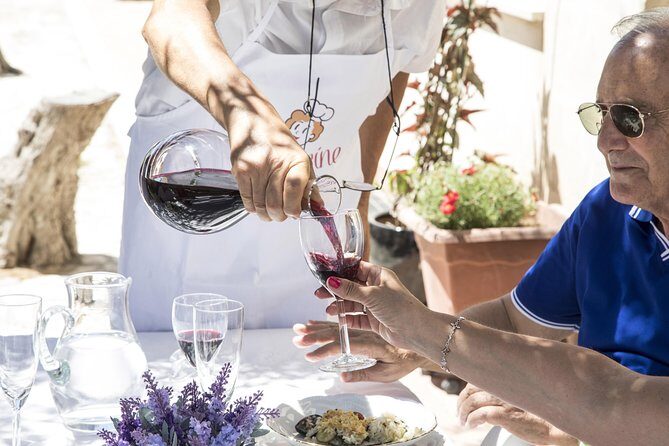
The start time is 6:00 pm, and the whole experience runs about two hours. You’re meeting in Palermo and the session ends back where it starts, so you’re not juggling transfers or multiple stops.
It also helps that it’s near public transportation. That matters in a city like Palermo, where it’s easy to burn energy on routes. With a mobile ticket and a clear start time, you can keep the evening simple: show up, roll up your sleeves, and let the host set the pace.
Because it’s private—only your group participates—you avoid the “everyone watches, nobody helps” vibe that can happen in larger classes. If you want a more hands-on, question-friendly evening, this setup works.
The Cesarine angle: why a certified home cook matters
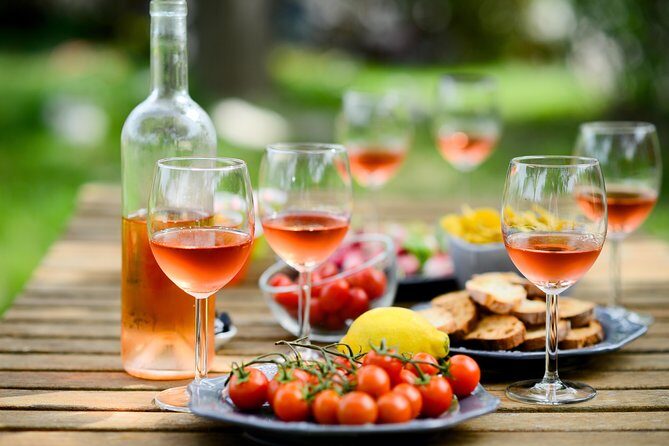
Cesarine is not a vague “local flavor” label. It’s Italy’s first national network of certified home cooks, designed to protect and share real culinary heritage in regular households.
In practice, that usually means three things:
- The food stays rooted in local ingredients and local habits.
- The tone is personal. You’re not treated like a paying audience.
- The meal flows like a home meal, not a classroom lecture.
Hosts you may meet include people like Signora Pina, Rosa, and Fabio—and the energy that comes through with hosts like them is a big part of why this type of workshop feels memorable. When the host is genuinely excited, you pay attention to the small steps that make the flavors click.
Cooking five Sicilian aperitivo nibbles, one by one
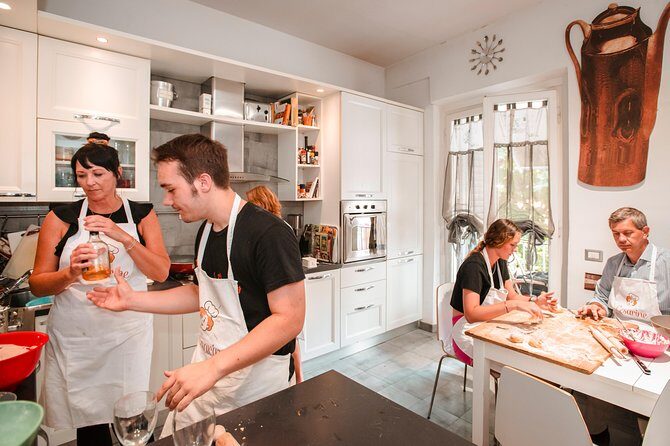
You prepare an authentic selection of five nibbles designed for aperitivo. The ingredients are meant to stay traditional and local, and the goal is to end up with a spread that looks right for the table and tastes even better with a glass in hand.
You’ll likely tackle a mix of textures and styles—something crunchy, something warm, something savory and cured, and something creamy or cheesy. The examples given include:
- Bruschetta drizzled with fragrant olive oil
- Freshly grilled market vegetables
- A selection of charcuterie and cheeses
Even if the exact lineup shifts, the thinking usually stays the same: aperitivo should feel varied but not complicated. Each nibble supports the next—salt against fat, grilled flavors against bright oil, and cheese that rounds everything out.
What you’re really learning while you cook
This is the part that makes the evening practical for you afterward. You’re not just following steps; you’re picking up the logic behind the plate.
Expect to learn how Sicilians build balance for aperitivo:
- Keep flavors bold enough to pair with wine.
- Use local produce and keep it seasonal.
- Aim for shareable, “grab-and-go” bites.
- Let olive oil be a star, not an afterthought.
If you love food planning, this workshop also gives you a mental template. You can recreate the mood at home by building your own five-item spread around whatever looks best at your market.




The tastings: where the aperitivo truly happens
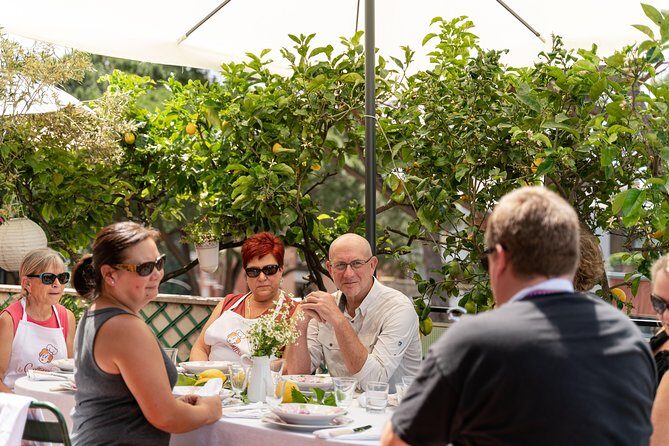
After you cook, you relax over the nibbles you prepared. This is where the experience turns from activity into enjoyment.
You’ll sample what you made along with a selection of red and white wines from Sicily cellars, plus bubbly. So you’re getting the full aperitivo feeling: you’re eating while the host is still there, and you’re tasting in the exact order the spread is meant to be enjoyed.
And because the format includes sitting around the table, the conversation matters. People often remember the food, sure—but they also remember the human side: stories shared, small tips exchanged, and the casual confidence of a home cook.
One detail I appreciate from the way hosts talk about ingredients: you may walk away with a new respect for items that don’t always get attention. For example, you might find yourself genuinely excited about artichokes, and you may discover a fondness for sheep’s milk ricotta if it’s part of the spread your host puts together.
Wine and bubbly pairing: why it’s included
Aperitivo is a pairing culture. You’re meant to sip while you snack, not snack while you wait for dinner.
Having wine and bubbly included matters because it keeps the experience honest. You learn what these flavors taste like when they’re not alone on a plate. Wine changes everything: it can make olive oil feel sharper, grilled vegetables feel sweeter, and cheese feel silkier.
You also get a sense of local priorities. The wines are described as being from Sicily cellars, meaning the focus stays regional rather than turning it into a generic “any wine will do” setup. That’s good value for your money because you’re experiencing place-based choices instead of a random beverage list.
Private format: small group energy and better questions
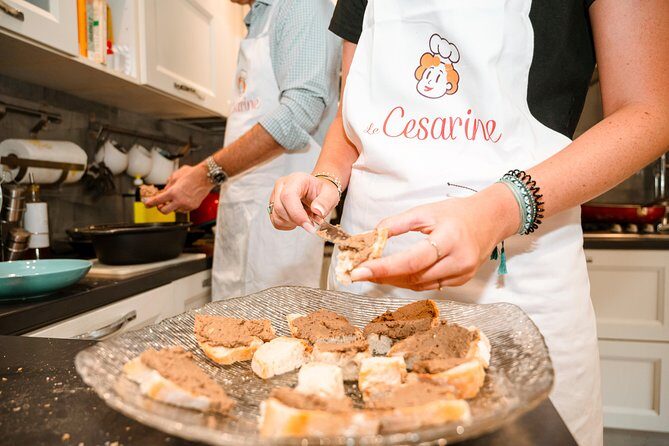
This is a private tour/activity. Only your group participates, so you’re not trying to be heard over other participants.
That affects how the evening feels. You can:
- Ask why a certain ingredient matters
- Get help with technique as you work
- Confirm how to recreate the spread later
In a home setting, those little exchanges are the difference between “I attended a class” and “I learned something I can do.” If you’re cooking, you want quick clarity. Private format supports that.
It also means the host can adjust pacing. If you’re slower in the kitchen, you won’t feel rushed. If you’re eager, you’re more likely to get involved beyond the basics.
Price and value: what you’re paying for (and why it’s fair)

The price is $122.17 per person for a roughly two-hour workshop in a Palermo home. That’s not cheap—but it’s not random pricing either.
Here’s what you’re getting for that money:
- A hands-on cooking session with a local certified host (Cesarine)
- Five prepared nibble-style dishes using traditional local ingredients
- Wine selections from Sicily cellars plus bubbly
- A real home-hosted setting where the meal and conversation happen together
- A private group experience rather than a crowded class
When you break it down, the value comes from the package. You’re paying for the host’s time, their household expertise, the ingredients, and the drinks—plus the fact that you get to eat what you made right away. For people who want more than a restaurant meal but don’t want a full cooking marathon, two hours is a sweet spot.
If your goal is only photos or a quick snack, you might decide it’s too much. If your goal is to learn how aperitivo actually works in Sicily, it’s priced like a serious cultural experience.
Who this aperitivo workshop is best for
This workshop suits you if:
- You want a food-focused way to experience Palermo beyond walking streets
- You enjoy cooking at least a little and like learning by doing
- You’re a wine-and-snack person who likes aperitivo as a ritual
- You prefer smaller, private experiences over big group tours
- You want something approachable that you can recreate at home
It may not be ideal if:
- You’re looking for a long, nightlife-style outing that runs for hours
- You dislike home settings or prefer strictly restaurant meals
- You want a tour with many different neighborhoods and sight stops (this is centered on the home table and cooking flow)
The practical takeaway: how to recreate your Palermo aperitivo at home
If you want to bring this back with you, think in “spread logic” rather than exact recipes. Your goal at home is to build a table that feels Sicilian:
- Choose five bites that cover crunchy, savory, and creamy
- Use your best olive oil and treat it like a main ingredient
- Keep at least one item grilled or warmly spiced
- Include something cured (charcuterie) and something creamy (cheese/ricotta)
- Pair with a wine you actually like, then add bubbly if that’s your style
You’ll also learn pacing. Aperitivo works because the table is ready early, and the snacks don’t require “dinner mode.” The workshop is designed to help you get that rhythm right.
Should you book this Palermo aperitivo class?
I’d book it if you want a genuine Palermo meal that doesn’t feel like a performance. The home setting, the hands-on cooking, and the included wine-and-bubbly aperitivo style make it feel like you’re learning a local rhythm you can repeat.
Skip it only if you’re mainly after sightseeing stops or you want a longer evening. This one is focused. Two hours. Five bites. One strong Sicilian hospitality moment.
If that sounds like your kind of night, this is a smart use of your time in Palermo.
FAQ
What time does the Palermo aperitivo workshop start?
It starts at 6:00 pm.
How long is the experience?
It lasts about 2 hours.
Is it a private experience?
Yes. Only your group participates.
Where does the activity take place?
It takes place in Palermo, in a local home, and it ends back at the meeting point.
What do I prepare during the workshop?
You prepare an authentic selection of five nibbles with traditional local ingredients.
Are drinks included?
Yes. You’ll sample nibbles paired with wine and bubbly, including red and white wines from Sicily cellars.
Do I get a ticket on my phone?
You receive a mobile ticket.
What is the cancellation policy?
You can cancel for a full refund up to 24 hours before the experience’s start time.
When will I receive confirmation of my booking?
Confirmation is received at the time of booking.