REVIEW · PALERMO
Scopri il Cuore di Palermo: arte, monumenti e mercati
Book on GetYourGuide →Operated by Chiara M · Bookable on GetYourGuide
Palermo has a way of telling stories. This 2-hour walk through the historic center blends big landmarks with street-level flavor, from Teatro Massimo to the markets. I especially like how the guide connects art and architecture to daily life, and how you also get practical food and nightlife suggestions, not just dates and domes. One possible drawback: food and monument/museum entry tickets aren’t included, so you’ll want a little extra budget once you’re there.
You start with religion, myth, and power—then end with a cathedral that changed jobs and identities over centuries. The payoff is understanding why Palermo feels like Palermo: layered, stubborn, and full of local characters. The tour runs in Italian only, so if your language comfort is limited, you’ll need a bit more reading and observing on your side.
In This Review
- Key highlights to expect on this Palermo historic-center route
- Meeting Via Cavour and getting your bearings fast
- Sant’Ignazio square: church first, then the archaeological context
- Teatro Massimo: Belle Époque elegance with ghost stories attached
- The Beati Paoli and Palermo’s taste for secret stories
- Santa Rosalia: how a patron saint became a city-saving miracle
- Capo Market: Arabic origins and Sicilian street-food momentum
- The Palermo Cathedral: UNESCO, plus a timeline you can see
- Pirates, crocodiles, and what the legends do for your trip
- Restaurant, cafe, gelato, and nightlife tips that help after the tour
- Price and value: why $23 for 2 hours can be a smart deal
- Who this tour fits best (and who should think twice)
- Should you book this Palermo heart tour?
- FAQ
- How long is the tour?
- What is the price?
- Is the tour in English?
- What’s included in the ticket price?
- Are food and drinks included?
- Where does the tour meet?
Key highlights to expect on this Palermo historic-center route
- Teatro Massimo magic and Florio-era legends
- Santa Rosalia, the plague miracle, and La Santuzza lore
- UNESCO Cathedral with centuries of religious makeovers
- Capo Market food stops, from street bites to Sicilian sweets
- Stories of pirates, crocodiles, and other Palermo oddities
- Restaurant, cafe, gelato, and nightlife tips you can actually use
Meeting Via Cavour and getting your bearings fast
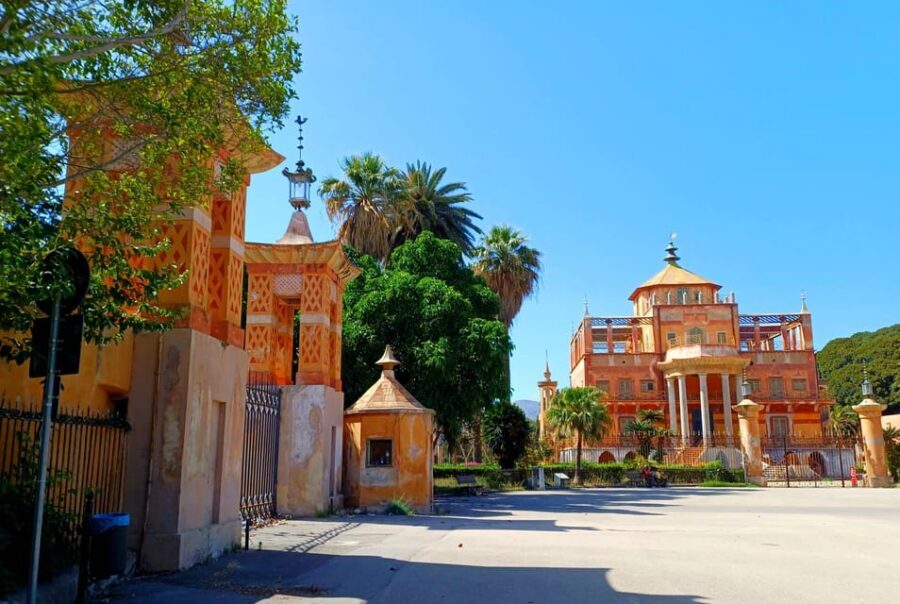
The tour starts at Via Cavour 133A, right in front of the Banca d’Italia. It’s a good meeting point because it’s central and easy to orient yourself around once you’re in the historic core. You’ll meet your local, licensed guide (they carry a recognition badge), and the tour runs with a live Italian guide.
For a 2-hour format, the biggest value is direction. Palermo’s center is full of turns and sudden views. A good guide helps you avoid wandering in circles, and you’ll spend your time on the places that teach you how the city “thinks.”
You can also read our reviews of more tours and experiences in Palermo.
Sant’Ignazio square: church first, then the archaeological context
Early on, you’ll visit the church of Sant’Ignazio, which also links to an archaeological museum. This is a smart warm-up stop because it sets the frame for what comes next: Palermo didn’t build its identity overnight. It kept replacing layers—religious, political, and cultural—and the guide helps you spot those patterns instead of treating each site as an isolated postcard.
One reason I like this start: it’s not only about beauty. The guide’s explanations focus on how Palermo evolved, which makes the later monuments feel less like separate attractions and more like parts of one big story.
Worth noting: entrance tickets to museums and monuments are not included, so if you want deeper access inside, plan for additional payment.
Teatro Massimo: Belle Époque elegance with ghost stories attached
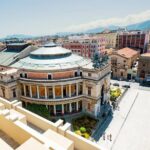
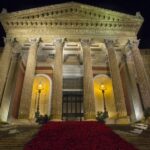
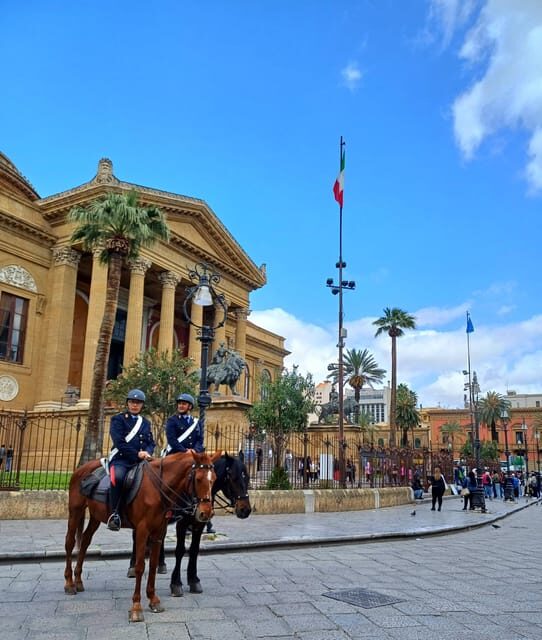
Next up is Teatro Massimo, the largest opera house in Italy. You’ll get the visual wow—its scale and presence dominate the area—but the real hook is what your guide adds around it. Expect ghostly legends tied to the theatre, plus the broader Florio connection.
The Florio family is a key thread in Palermo’s modern history, and Teatro Massimo is often treated as a symbol of that Belle Époque period. When your guide connects the theatre to the city’s economic and social shifts, it changes how you experience the building. Instead of just seeing an impressive façade, you start understanding why the city invested in grandeur and spectacle.
If you like places where culture and myth stick together, this is one of the strongest moments of the tour.
The Beati Paoli and Palermo’s taste for secret stories
Along the way, the guide brings in Sicily’s myths and legends—specifically the mysterious sect of the Beati Paoli. This kind of story matters in a city like Palermo because it explains how people fill gaps: when history is complicated, imagination becomes a second archive.
You’ll also hear other colourful Palermo tales—things like pirates and crocodiles, plus more oddball details that the guide weaves into the setting. These aren’t random trivia. They give the locations personality, and they help you remember what you saw instead of forgetting it five minutes later.
Santa Rosalia: how a patron saint became a city-saving miracle
One of the tour’s emotional anchors is Santa Rosalia, Palermo’s patron saint, affectionately called La Santuzza. You’ll hear the account of how she’s credited with freeing the city from the plague—one of those stories people repeat because it keeps hope close.
This stop is valuable because it gives you a lens for Palermo’s relationship with faith. Even if you don’t follow every tradition personally, you can still understand the social impact: a miracle story becomes community memory. It shapes how people talk about the city, how they gather, and how they treat certain landmarks as more than just stone.
Capo Market: Arabic origins and Sicilian street-food momentum
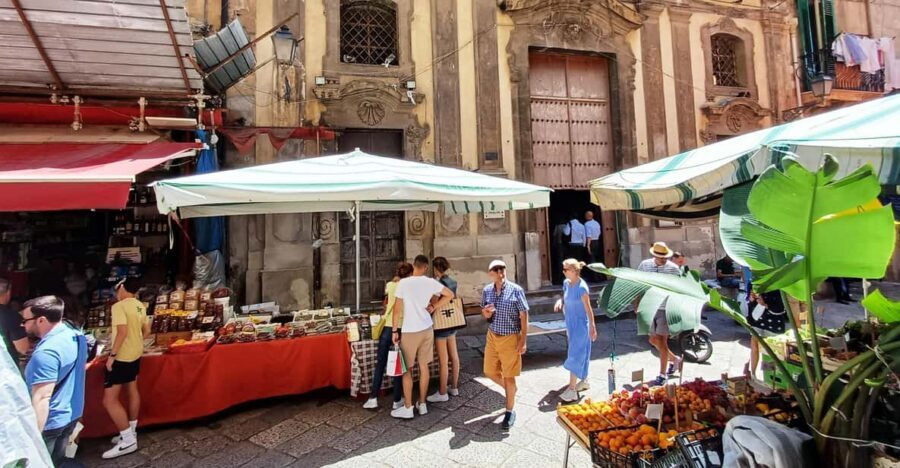
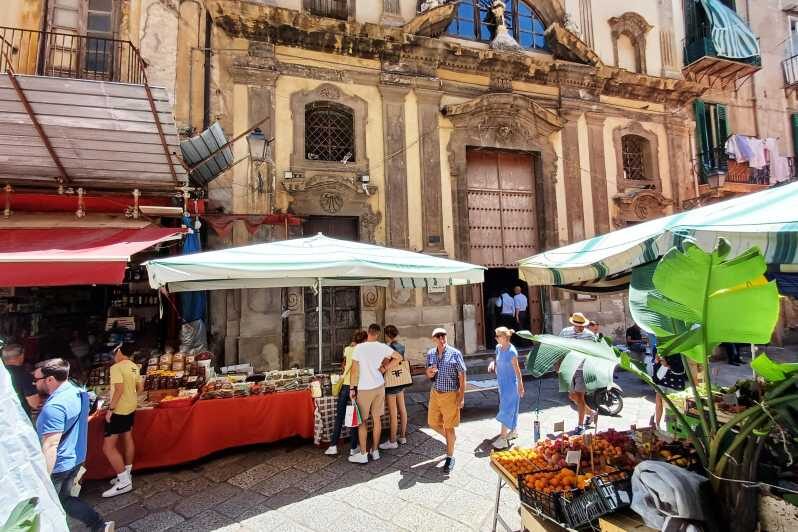
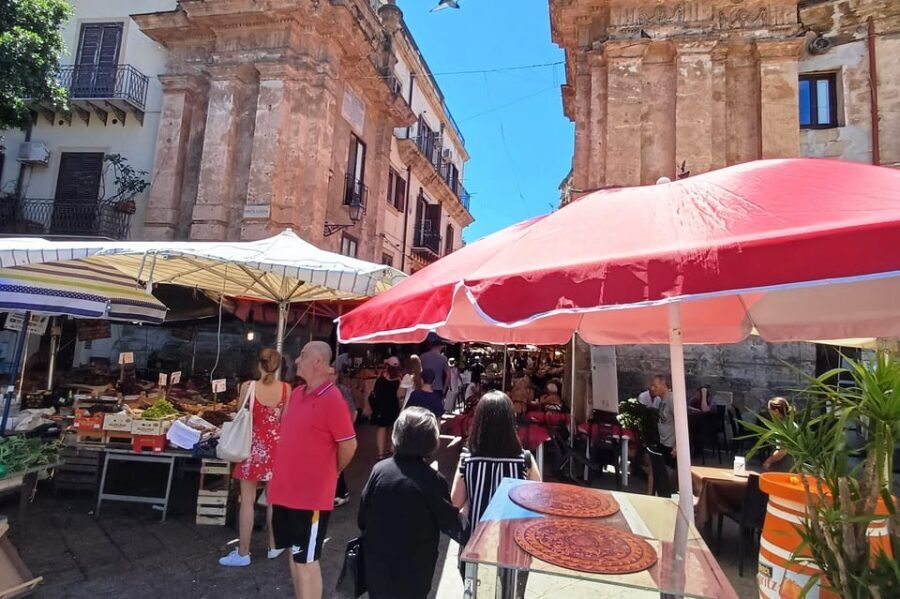
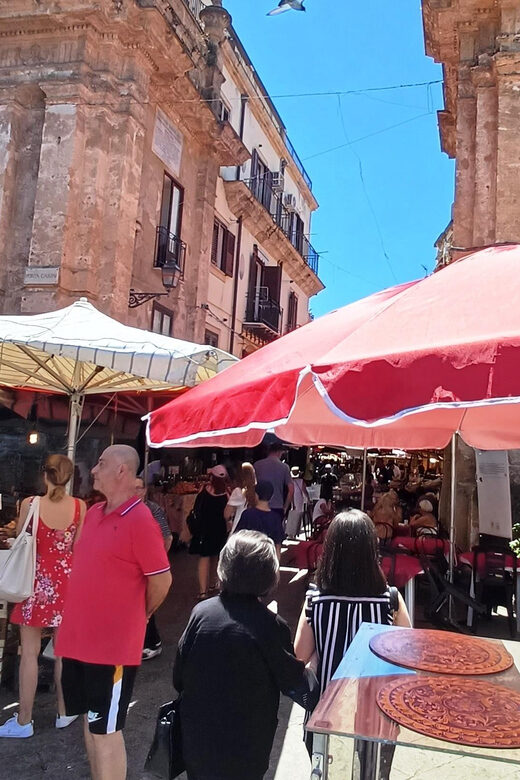
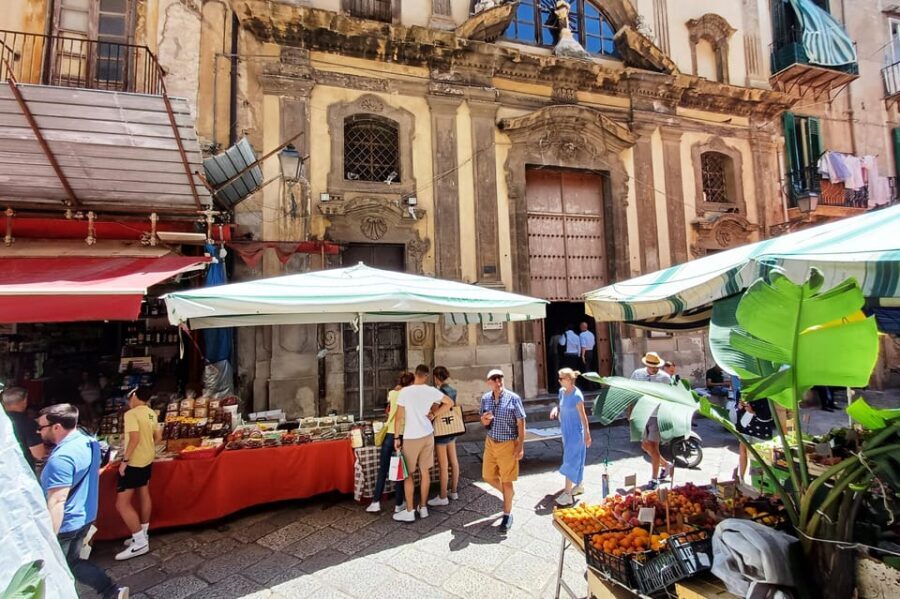
Then you shift from monuments to the place where Palermo’s “now” happens: the Capo Market. The market’s roots are described as Arab in origin, which adds extra meaning to the walk. You’re not just eating where locals eat—you’re stepping into a space with a long cultural timeline.
Here’s where the tour earns its keep for food lovers. You’ll get chances to taste Palermo delicacies, including street-food recommendations and Sicilian desserts. Two named stops are part of this experience:
- Arianna Dainotti, connected with the winner of Alessandro Borghese’s 4 Restaurants
- The Sicilian dessert shop Angeliche
Because food and drinks aren’t included, think of this as guided tasting opportunities and smart guidance, not a full meal plan. That said, having a local point you to good places (and explain what to order) saves you time and reduces the odds of missing the best options.
The Palermo Cathedral: UNESCO, plus a timeline you can see
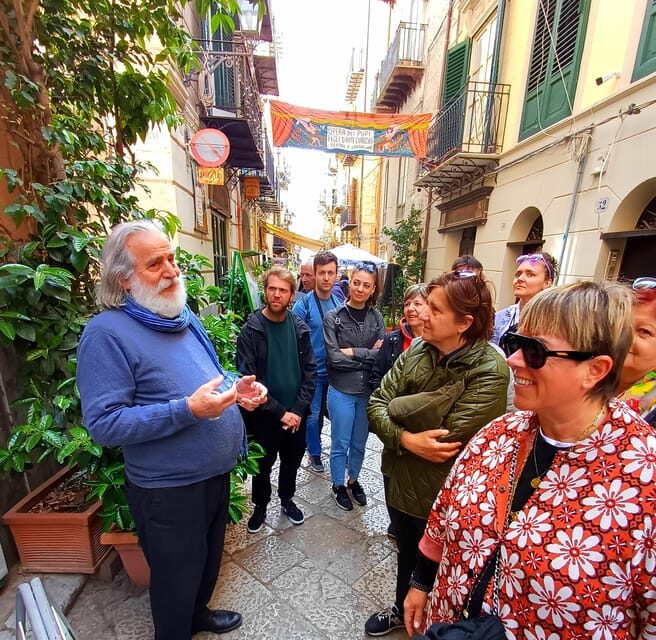
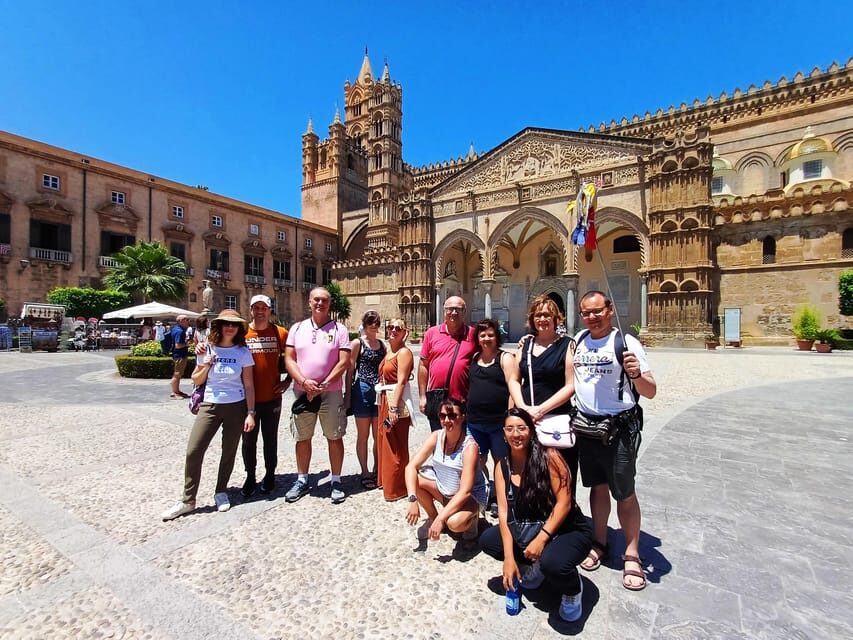
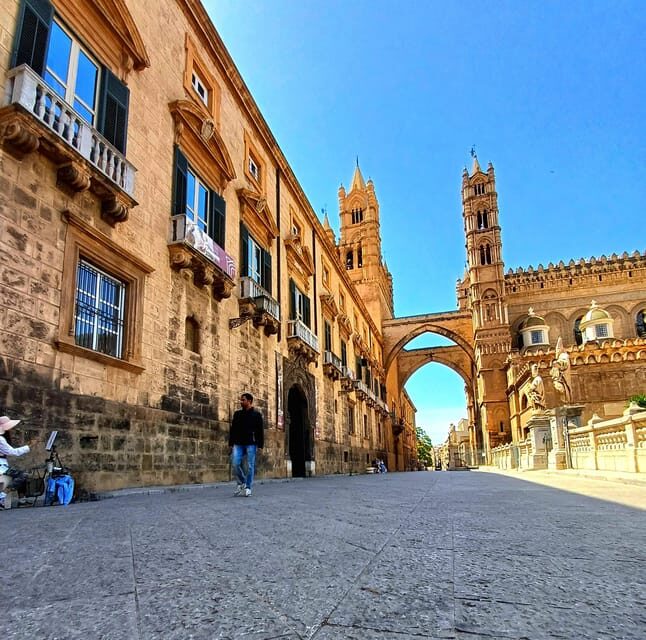
The tour ends at Palermo Cathedral, a UNESCO site dating back to the early 12th century. This is where the city’s layering becomes impossible to ignore.
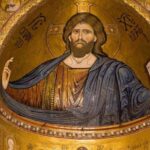
Your guide shows you the big architectural story: the cathedral’s evolution from a pagan temple to a mosque, and eventually into a Christian church. Standing there, you start to understand Palermo as a place that reuses space and rewrites meaning. It’s not just that rulers changed. The city physically absorbed those changes.
Look for the iconic bell towers, the tombs of kings and emperors inside, and a highlight that many people miss if they arrive on their own: the spectacular sundial. These details make the building feel alive with time, not stuck in one era.
One nice practical advantage: free entry to the Cathedral is included. So even though other sites and museum tickets may cost extra, you’re guaranteed access to the main finale.
Pirates, crocodiles, and what the legends do for your trip
The best guides don’t just explain what you’re seeing—they explain what you’re supposed to feel. In this tour, legends like pirates and crocodiles are used as more than entertainment. They turn Palermo into a character with a memory, not just a schedule of stops.
I also like how the stories connect back to the city’s major themes:
- power and spectacle (Teatro Massimo and the Florios)
- survival and faith (Santa Rosalia)
- hidden networks and folklore (Beati Paoli)
- cultural overlap (the Cathedral’s conversions)
That makes your later exploring easier. After this, you’ll recognize patterns in the streets and churches around you instead of seeing them as random scenes.
Restaurant, cafe, gelato, and nightlife tips that help after the tour
One standout feature is the promise of best tips for restaurants, cafes, ice cream parlors, and nightlife. In practice, this is the part that keeps paying off after you walk away from the group. Once you know which neighborhoods and types of places match what you liked during the tour, your evenings get simpler.
I also find these recommendations especially useful in Palermo because the city’s food culture isn’t one-size-fits-all. Your guide can steer you toward what matches your taste: quick street bites, classic Sicilian sweets, or a sit-down option later. If you’ve got just a short stay, this “what to do next” guidance can matter as much as the monuments themselves.
Price and value: why $23 for 2 hours can be a smart deal
At $23 per person for 2 hours, this tour sits in a reasonable mid-range for a guided experience in a major Italian city. What makes the price feel fair is what you get for free: a local licensed guide and free entry to the Cathedral.
Entrance tickets to museums and monuments aren’t included, so you may spend extra if you want every interior. But you’re still paying for something more than just walking: you’re paying for interpretation—how to connect the art, the architecture, and the myths into a coherent picture.
If your goal is a fast but meaningful orientation to Palermo’s historic core, this is the kind of guided format that helps you get more out of the rest of your days.
Who this tour fits best (and who should think twice)
This tour is a strong match if you:
- love street food and want guidance, not guesswork
- enjoy architecture with a story behind it
- like legends and local myths as part of travel culture
- want a quick 2-hour framework before exploring on your own
It may be less ideal if you:
- need the tour in English (it’s Italian only)
- expect food and drinks to be fully included (they aren’t)
- want extensive museum time beyond what the route covers
The guide experience sounds like a key strength. The named guide Claudio is described as engaging and professional, and that kind of delivery can make a huge difference when you’re trying to absorb a lot in just two hours.
Should you book this Palermo heart tour?
I’d book it if you want the best kind of first-day experience: major landmarks plus local life, with a guide who makes the city’s layers understandable. It’s also a good choice if you’re curious about Palermo’s contradictions—where a cathedral has a history of multiple faiths, where a theatre can come with ghost stories, and where markets feed both tradition and today’s cravings.
Book it with one small mindset adjustment: treat it as a guided cultural sprint. You’ll probably add a snack or two beyond what’s included, and you may choose to pay for museum entries if certain interiors grab you.
If that sounds like your style, this tour is a practical way to start seeing Palermo clearly—while still tasting what makes it unforgettable.
FAQ
How long is the tour?
The duration is 2 hours.
What is the price?
The price is $23 per person.
Is the tour in English?
No. The tour is in Italian.
What’s included in the ticket price?
Included items are a local, licensed guide and free entry to the Cathedral.
Are food and drinks included?
No. Food and drinks are not included.
Where does the tour meet?
The meeting point is Via Cavour 133A, in front of Banca d’Italia. The guide will have a recognition badge.