REVIEW · PALERMO
Palermo: the city from the sea
Book on GetYourGuide →Operated by SEICA BOAT · Bookable on GetYourGuide
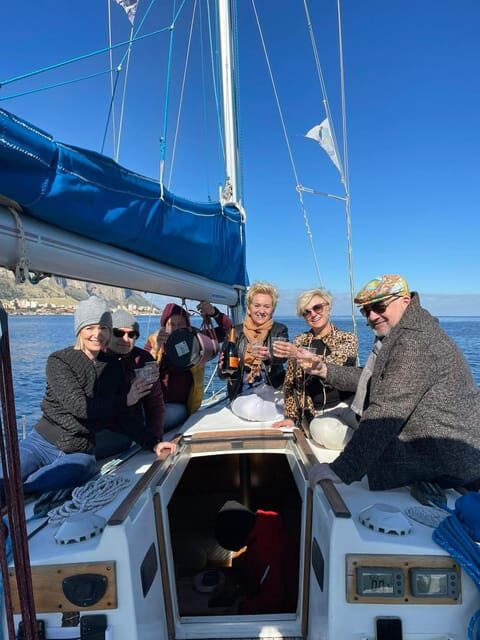
Palermo from the sea is a shortcut to history. This 3-hour ride from Seica Boat turns the coastline into a moving classroom, with stops and views tied to the city’s famous layers of conquerors. I love the close-up sea views of landmark spots like Castello Utveggio and Porta Felice, and I love the cannolo tasting aperitif that lands the experience on a delicious note.
You’ll glide out and back from Cala marina, hearing how old Panormus grew into today’s Palermo—an all-port city shaped by Greeks, Arabs, Spanish, and Normans. The one drawback: the optional swim is only if conditions are right, so don’t count on a water moment if the sea looks rough.
With a cap of 6 people and guides in Italian or English, the pace stays relaxed. You can sit back, take photos, and still get real context for what you’re seeing, without a long walking day.
In This Review
- Key highlights worth your time
- Why Palermo’s coastline tells its story better than streets
- Boarding at Cala marina: the 3-hour rhythm on Seica Boat
- Castello Utveggio and Porta Felice: the fortress view you can’t get inland
- Queen’s Caves and Monte Pellegrino vibes: sacred places meet the coastline
- Tonnare Florio and Bordonaro: the working coast behind the postcard
- Villa Igiea and the Palazzina dei Quattro Pizzi from a sea angle
- The Palermitan aperitif: cannolo tasting plus Zibibbo and Malvasia
- What the sea “dip” actually means for your day
- Price and value: is $101.96 per person fair?
- Who this tour suits best (and who might not love it)
- Should you book Palermo: the city from the sea?
- FAQ
- How long is the Palermo from the sea experience?
- Where does the tour depart from?
- What’s included in the tour?
- Is there an opportunity to swim?
- How big is the group?
- What languages are available for the host or greeter?
- Is the tour wheelchair accessible?
Key highlights worth your time
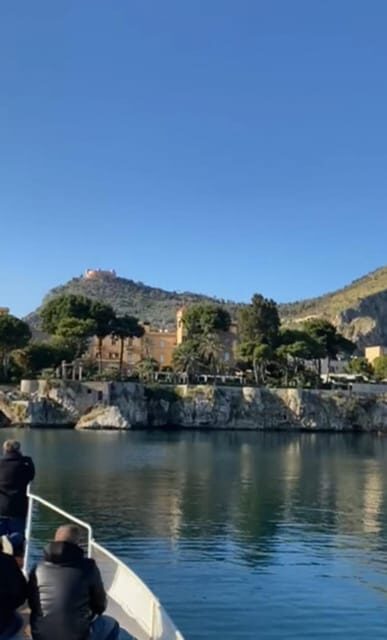
- Castello Utveggio and Porta Felice from the water: see strong fortress lines and old-city walls from a totally different angle
- Panormus, the all-port city: history explained in relation to where ships, trade, and power actually moved
- Queen’s Caves and Monte Pellegrino context: you get the story behind Palermo’s “holy” caves and dramatic cliff setting
- Tonnare Florio and Bordonaro: coastal details that connect Palermo to fishing and older estates
- Villa Igiea and the Palazzina dei Quattro Pizzi: elegant architecture viewed from the sea
- Aperitif with cannolo tasting and Sicilian wines: Zibibbo and Malvasia are part of the tasting mix
Why Palermo’s coastline tells its story better than streets
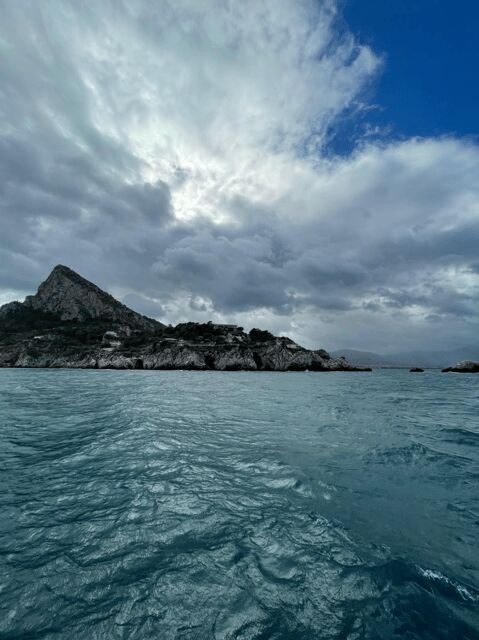
Palermo has always been a city pulled toward the sea. Even the name Panormus points to it—this was an “all-port city,” built around arrivals, departures, and the constant attention of outside powers.
The guide frames it like this: long before the big empires, people settled near Palermo’s dramatic mountain backdrop, Monte Pellegrino, with its shrine to Santa Rosalia inside a cave at the top. Then the story shifts by centuries—Romans, Greeks, Byzantines, Phoenicians, and later Arabs, Spanish, and Normans—each leaving marks in architecture, culture, and food. The sea is the thread that ties it all together. From the water, you understand why Palermo developed the way it did: it wasn’t just a place to live, it was a place to trade, claim, and defend.
That’s what I like about this tour format. You’re not just getting a list of monuments. You’re learning why those monuments face the water, why the coast matters, and how power flowed in.
You can also read our reviews of more city tours in Palermo

Boarding at Cala marina: the 3-hour rhythm on Seica Boat
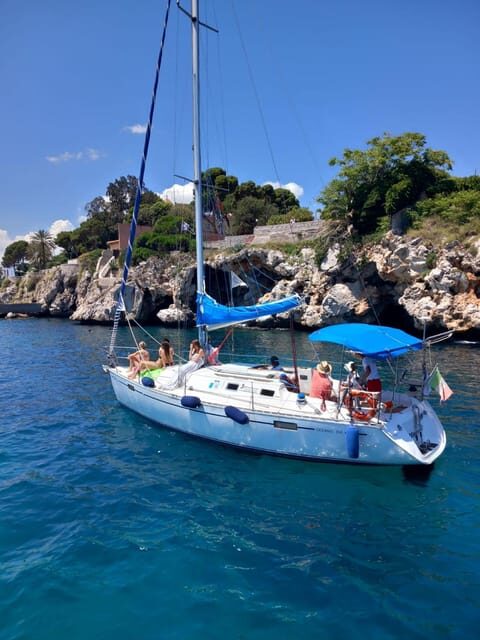
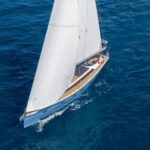
The experience runs daily, starting at Cala marina. You’ll board the Seica boat and spend about 3 hours sailing out and back. The ride is designed for views first—meaning you’ll have plenty of time to look, not just pass by.
This tour works well for a short stay because the time is tight but meaningful. You’re not stuck for half a day trekking uphill or hunting viewpoints. You get a focused sweep of key coastal areas, and you still finish with food and drinks.
Small group matters here. Limited to 6 participants, it’s easier for the guide to keep explanations clear and for you to get questions answered without feeling like you’re in a crowded bus. The host or greeter speaks Italian and English, so it’s not a one-note narration.
One practical note: bring a towel. Even if you don’t end up taking a swim, it’s useful for sea spray and a quick wipe-down when you re-board. And again, the dip is weather-dependent, so keep expectations flexible.
Castello Utveggio and Porta Felice: the fortress view you can’t get inland
As you sail, you’ll take in major landmarks that define Palermo’s outline.
Castello Utveggio is a name you’ll hear tied to the city’s coastal defenses and elevated points. From the sea, you get a clearer sense of how fortifications relate to sightlines—this kind of structure isn’t random. It’s about control and visibility along the approaches.
Then there’s Porta Felice, another spotlight. From street level, it can feel like just another old gate. From the water, it becomes part of the city’s boundary—where the urban fabric meets the coastal route. It’s the kind of detail that makes you understand the city’s shape quickly, especially if it’s your first day.
This is also where the “history from the sea” idea actually pays off. You’re not learning facts in isolation. You’re connecting them to real geography. If you’ve ever walked by a monument and felt like you missed the point, this is how you fix that.
Queen’s Caves and Monte Pellegrino vibes: sacred places meet the coastline
Palermo is famous for caves, and this tour builds that context by linking what you see to what the city reveres.
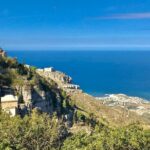
Monte Pellegrino is central to the story, especially because of the shrine of Santa Rosalia, Palermo’s patron saint, located inside a cave near the top. Even though this boat experience is on the water, the guide’s background helps you read the coastline with that in mind. You’re not just looking at cliffs—you’re understanding why they’re spiritually significant and historically important.
The tour also points you toward the Queen’s Caves. That matters because caves in this region aren’t just scenery. They’re tied to long-running belief, local identity, and how people adapted to the terrain.
If you like your history with atmosphere—wind, water sounds, and a dramatic backdrop—this part is the right kind of background that makes the rest of the landmarks click.
Tonnare Florio and Bordonaro: the working coast behind the postcard
Not all Palermo coastal history is about palaces and gates. Some of it is about work—fishing, production, and the businesses that turned the sea into a livelihood.
On this ride, you’ll also get views connected to Tonnare Florio and Bordonaro. These names connect Palermo to older traditions of maritime industry, showing a side of the city that a typical walking tour can gloss over.
Here’s why this is valuable for you: it makes Palermo feel like a living economy rather than a museum. When you learn how a city’s geography supported food and trade, you start to connect later with what you eat. Even your aperitif begins to make sense—this place knows the sea, so the menu often does too.
Villa Igiea and the Palazzina dei Quattro Pizzi from a sea angle
Then the tour turns more elegant, and you’ll see Villa Igiea and the Palazzina dei Quattro Pizzi. From the water, these buildings don’t look like background decorations. They read as statements—created to be seen, enjoyed, and positioned with the view in mind.
This is the nice contrast you want on a trip: practical maritime history on one side of the experience, then architecture and estate life on the other. Together they show Palermo’s range—industrial and refined, sacred and commercial, old and still present.
If you enjoy photography, this segment is handy. You’ll often get a better angle at sea level than you would from streets that sit higher or curve away from the right view lines.
The Palermitan aperitif: cannolo tasting plus Zibibbo and Malvasia
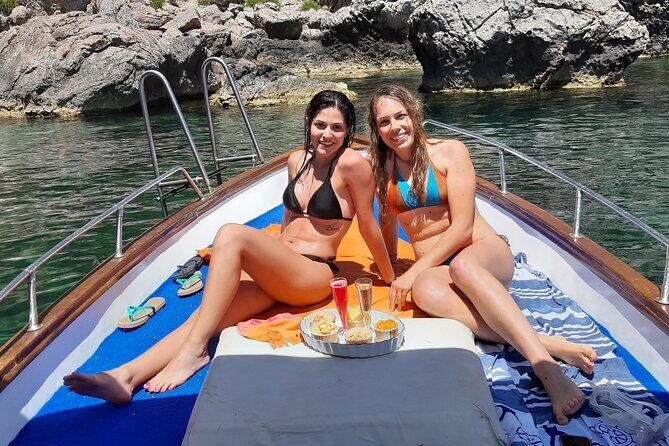
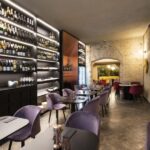
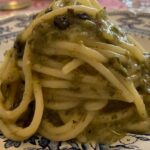
The tour ends (and really caps the whole experience) with a classic Palermo-style aperitif. You’ll get an aperitif with local products, including a cannolo tasting, plus almond pastries.
What makes the aperitif part more than just “snacks on a boat” is the wine list. The tasting includes Sicilian wines like Zibibbo and Malvasia. These names matter because they’re tied to the island’s own wine identity, not just generic Italian pours.
Practical tip: pace yourself. A boat ride can make you hungrier than you expect, but your tasting menu includes sweet items and wine. Eat slowly, sip between bites, and you’ll enjoy it more instead of feeling overfull when you’re back on land.
This food moment also closes the history loop. You learned about a city shaped by waves of people. You finish with a menu that reflects local tastes shaped by those same currents—sweet almonds, cannolo flavors, and indigenous wine grapes.
What the sea “dip” actually means for your day
The experience includes the possibility of taking a dip, but it’s weather permitting. That’s the honest deal here, and you should plan like you’re going to skip it and hope for the extra bonus.
In real terms, bring your towel so you can handle getting splashed or hopping in if it’s offered. If the sea looks lively, you’ll still get the main point: the views and the story.
Price and value: is $101.96 per person fair?
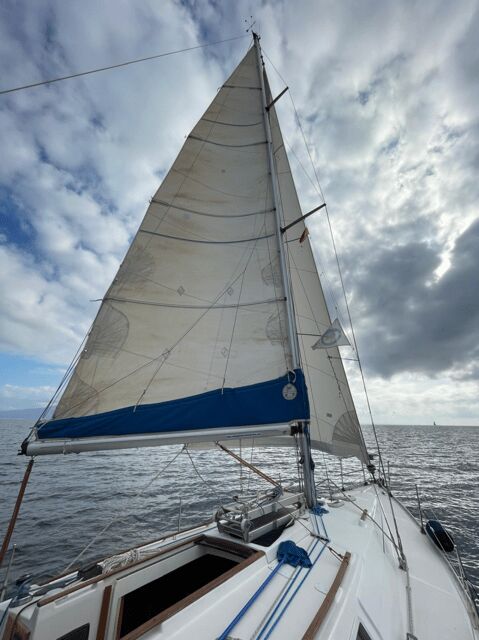
At $101.96 per person for 3 hours, you’re paying for three things at once: a guided city tour from the water, the included aperitif with local products, and the option for a swim.
You’re also paying for the small-group size—limited to 6 participants—which generally means less crowding and more attention from the host or greeter. The value works best if you care about the full package: seeing major sites like Castello Utveggio and Porta Felice from the sea, plus eating and drinking at the end.
If you’re the type who wants a long, multi-stop itinerary with lots of walking, you might feel the 3 hours is short. But for a first-time Palermo taste—coastline views, key landmarks, and a proper local aperitif—this price lines up with what you actually receive.
Tip: check availability for starting times before you commit, since daily departures can affect how well it fits your day plan.
Who this tour suits best (and who might not love it)
This is a strong fit if you want:
- Sea views with history, without an all-day walking schedule
- A tour that combines sightseeing and food, not sightseeing plus a separate meal hunt
- A small-group vibe with a guide speaking Italian and English
- A quick way to orient yourself to Palermo’s coastline and landmark geography
It may not be ideal if:
- You get seasick or dislike boats (and you can’t comfortably handle a short sailing segment)
- You’re mainly seeking deep time on the street—this is about the coast and what it explains
Should you book Palermo: the city from the sea?
I’d book it if your Palermo days are limited and you want a memorable viewpoint that also makes the city easier to understand. The format is efficient: you sail, you learn the “why” behind major names, and you end with an aperitif that tastes like Palermo.
Two reasons to feel good about your choice:
- You’re not stuck with generic commentary—you’ll connect landmarks like Castello Utveggio and Porta Felice to the city’s identity as a Mediterranean “all-port” hub.
- The included cannolo tasting and wine list (Zibibbo and Malvasia) make the experience feel complete, not like a side quest.
If the weather looks good and you can handle time on the water, this is one of the easiest ways to get a front-seat view of Palermo’s layers.
FAQ
How long is the Palermo from the sea experience?
The duration is 3 hours.
Where does the tour depart from?
Departure is from Cala marina, and the starting location is Seica boat.
What’s included in the tour?
It includes an aperitif with local products, a city tour from the sea, and the possibility of taking a dip.
Is there an opportunity to swim?
There is a possibility of taking a dip, but it depends on the weather.
How big is the group?
The group is small, limited to 6 participants.
What languages are available for the host or greeter?
The host or greeter offers Italian and English.
Is the tour wheelchair accessible?
Yes, the tour is wheelchair accessible.