REVIEW · PALERMO
Palermo: Exclusive Private Walking Tour by Palermo Wonders
Book on GetYourGuide →Operated by Palermo Wonders · Bookable on GetYourGuide
Palermo is best seen one block at a time. This private walking tour with Palermo Wonders felt designed for real people: you get a licensed guide, and you see major sights like Palermo Cathedral while also spending time at the Capo Market where Palermo’s daily rhythm shows up fast. And because it’s private, you can steer the day toward what you care about most instead of rushing a fixed “tick-box” route.
I especially liked the balance of photo stops and guided time—enough structure to understand what you’re looking at, but not so rigid that you lose the streets to your own curiosity. One practical consideration: if you add entrance sites like the Royal Palace and Palatine Chapel (and optionally Church Santa Caterina), ticket costs are extra and vary by day, so budget a bit on top of the tour price.
In This Review
- Key takeaways before you go
- Why Palermo works so well on foot
- The guide is the experience (and you feel it fast)
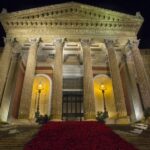
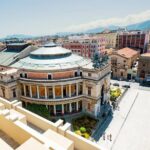
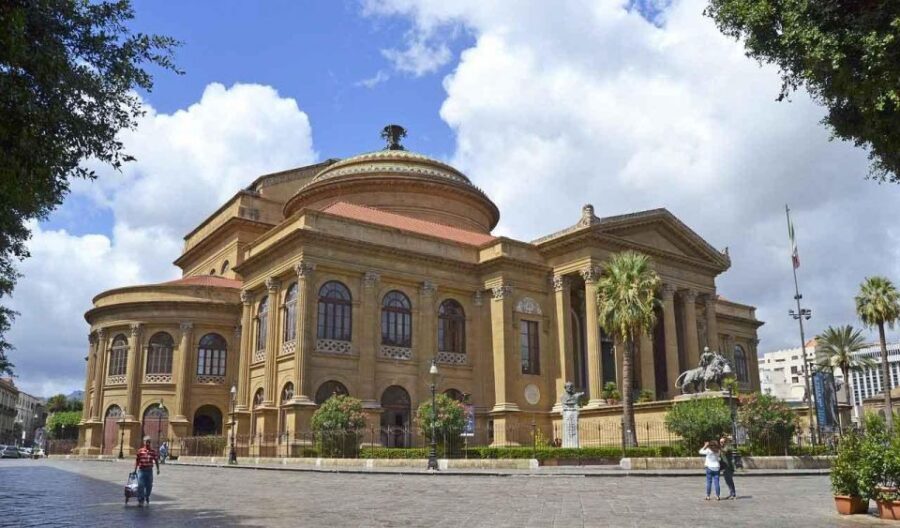
- Teatro Massimo: a quick photo stop that helps you orient
- Capo Market: where the city’s everyday side comes through
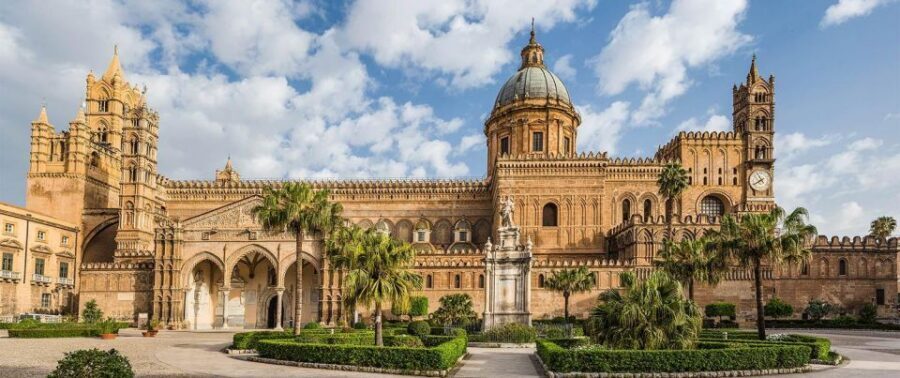
- Palermo Cathedral: guided time for meaning, not just viewing
- Quattro Canti and Fontana Pretoria: short stops that frame the day
- Piazza Bellini: the longest guided block and the payoff stop
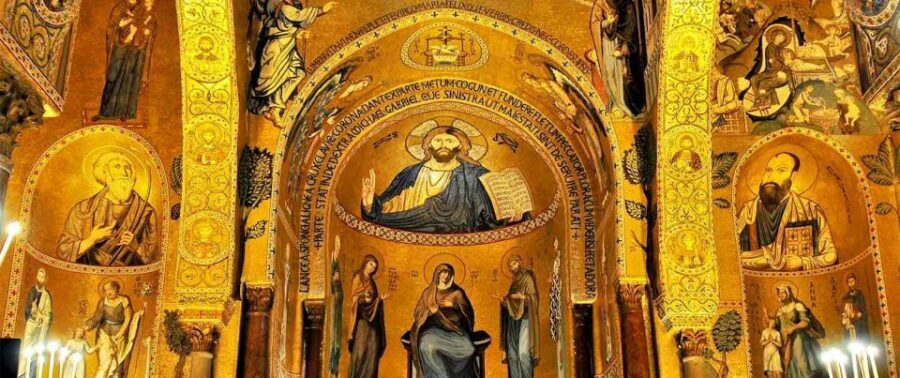
- Optional entrances: Royal Palace, Palatine Chapel, and Santa Caterina
- Price and value: what $147.27 buys you in central Palermo
- Who this Palermo private walking tour suits best
- Should you book Palermo Wonders?
- FAQ
- How long is the Palermo private walking tour?
- Where does the tour start?
- What sites are included on the walk?
- Are entrance tickets included?
- Is this tour private and in multiple languages?
- What’s the cancellation policy?
Key takeaways before you go
- Licensed guide, private pace: You’re not stuck with a loud group dynamic.
- Top sights plus street-level stops: Cathedral and Quattro Canti sit alongside Capo Market.
- Photo stops that still matter: Short stops at Teatro Massimo, Fontana Pretoria, and Quattro Canti help you frame where you are.
- Guided time where it counts: Palermo Cathedral and Piazza Bellini get proper attention.
- Optional entrances, bought on site: You choose what to pay for as you go.
Why Palermo works so well on foot
Palermo’s center rewards slow movement. It’s the kind of city where big monuments matter, but the real context comes from the side streets, the turns, and the way neighborhoods change mood block by block. A walking tour makes that easier because you’re physically in the flow of the city instead of trying to “arrive” and “leave” at each stop like a checklist.
This experience is built around that idea: you cover key landmarks (Cathedral, Quattro Canti, Fontana Pretoria) and you also pause for the places that show how Palermo lives day to day. The Capo Market stop is the most obvious example. It’s short, but it helps you understand what kind of city you’re standing in—lively, layered, and influenced by many places over time.
And since it’s private, you don’t have to spend your morning negotiating with strangers about where to go next. If you want more time for photos, or you’d rather slow down for a specific street view, you can ask. That flexibility is a real value in a city center where walking distances can surprise you.
You can also read our reviews of more walking tours in Palermo
The guide is the experience (and you feel it fast)
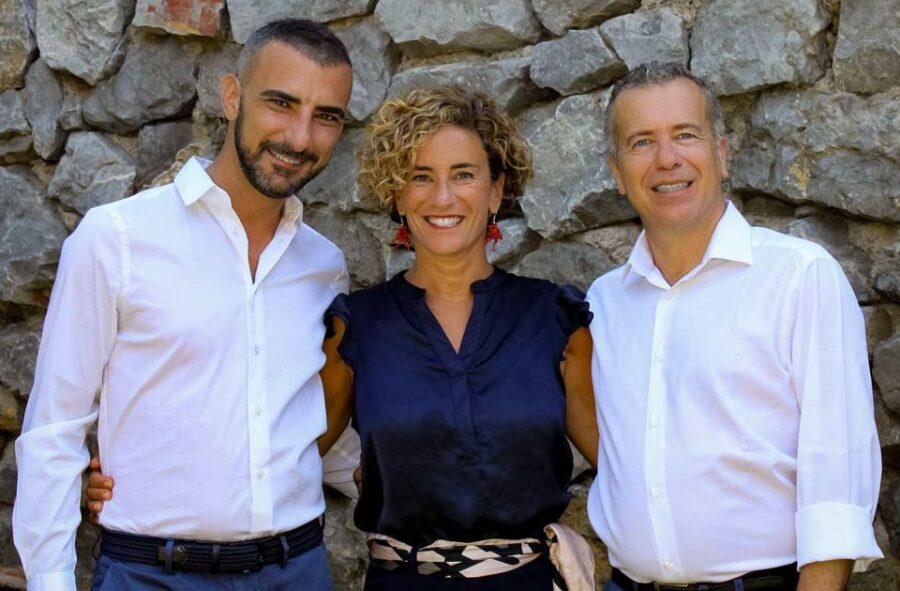
The biggest reason this tour earns such strong marks is the human side: a licensed guide who pays attention and knows how to explain what you’re seeing without turning the day into a lecture. In one highlight from a previous tour, the guide Mauro stood out for being friendly and knowledgeable, with stories that made the places feel connected instead of random stops on a map.
You’ll also get useful after-the-tour momentum. That kind of recommendation matters in Palermo, where it’s easy to get “sightseeing brain” and forget to plan for lunch, evening strolls, or a second look at something you missed. In that same example, Mauro even helped coordinate dinner reservations for a group of seven on New Year’s Eve—exactly the kind of practical help you can’t reliably do from a distance.
Language options are another big practical point: the tour runs in German, English, Spanish, and Italian. If your language is one of those, you’ll likely get more from each stop because you can actually follow the details as you walk.
Teatro Massimo: a quick photo stop that helps you orient
You start in Palermo and then head to Teatro Massimo. You’ll have a photo stop (about 15 minutes), which sounds short, but it’s a smart way to break the day into a rhythm: see a major landmark, reset your bearings, then keep moving.
What makes a photo stop valuable here is not the photos themselves—it’s the orientation. Teatro Massimo is one of the recognizable “anchors” in central Palermo, and once you’ve visually placed it, the rest of the walk feels less like aimless strolling and more like a guided route through distinct zones.
Also, don’t treat the stop as just a moment to take a picture and move on. Use those 15 minutes to look around: notice how the streets funnel toward bigger squares and how pedestrian routes shift. A guide can point out where you’re headed next so the walk feels logical instead of random.
Capo Market: where the city’s everyday side comes through
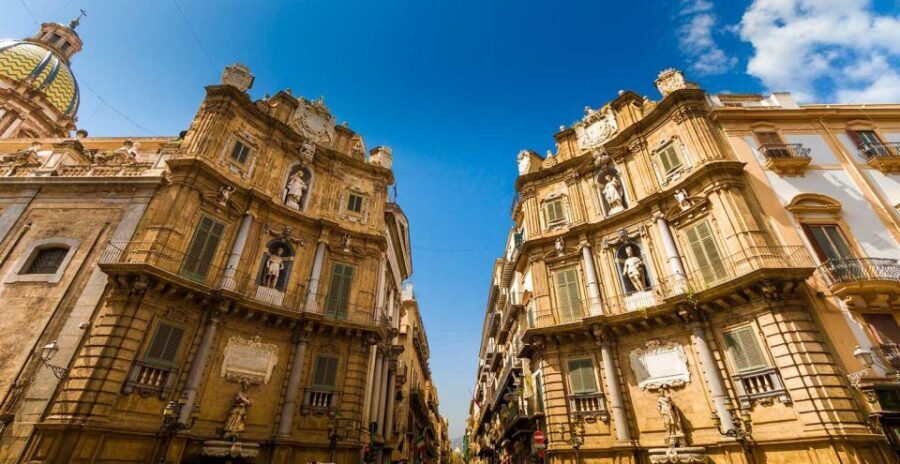
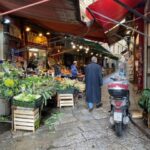
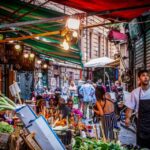
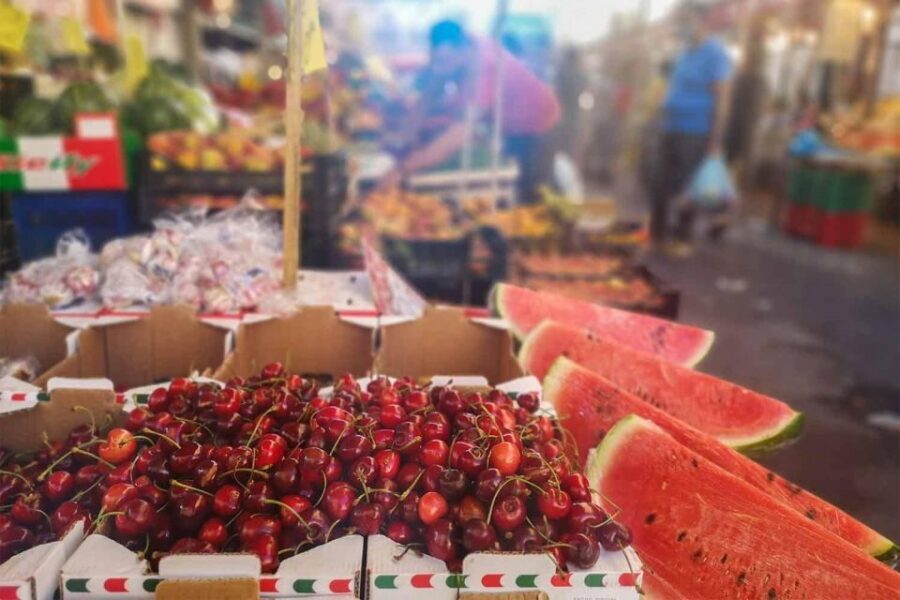
Next is the Capo Market stop, again about 15 minutes. This is the part of the tour that often gives people their favorite “Palermo moment,” because it’s less about one monument and more about atmosphere—how people move, how the streets feel, and how a market area signals the city’s daily life.
Short as it is, a guided visit changes how you experience it. Instead of watching without context, you’ll get explanations and a sense of what’s important to look for. This matters because markets can overwhelm you fast. With a guide walking you through, you can pay attention to what makes the place distinct without getting lost in the noise.
If you’re tempted to buy snacks or pause for extra photos on your own, you can—but keep it mindful of the group pacing. The tour is designed so you don’t lose the day to one stop, and you still get guided time at the Cathedral and Piazza Bellini later.
Palermo Cathedral: guided time for meaning, not just viewing
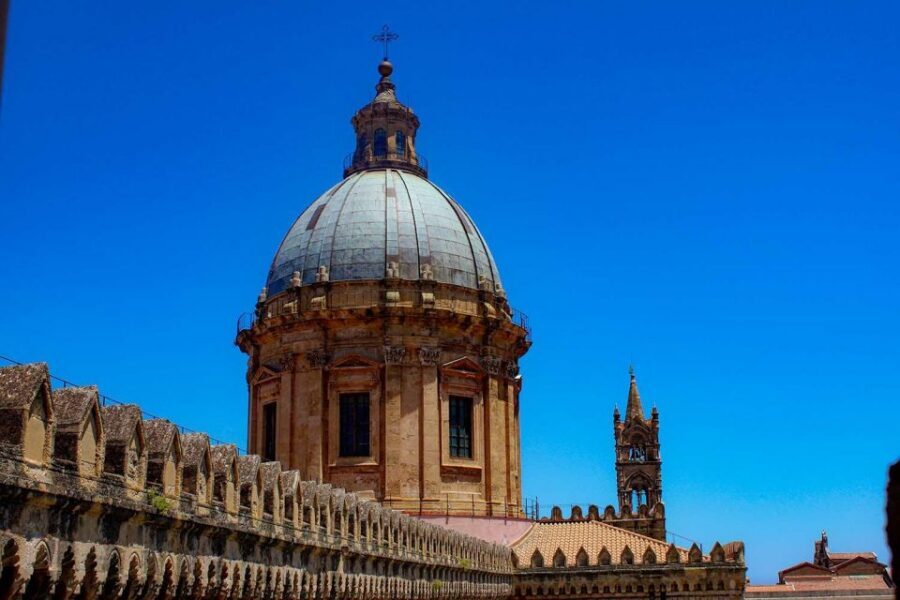
The Palermo Cathedral portion is a guided tour (about 20 minutes). This is the kind of stop where that “guided” label actually matters. Cathedrals can be visually stunning, but they can also feel like a series of rooms unless someone helps you connect the dots.
Here, the value is attention to detail. A good guide doesn’t just list what you’re seeing; they explain how the building fits into the city and how Palermo’s mix of influences shaped what you experience today. That same theme shows up across the tour: you’re not only learning about art and beauty, you’re also learning how history shows up in street-level life.
Practical tip: treat the 20 minutes as your window to ask questions. If there’s one detail you keep noticing, ask. With a licensed guide, you’re more likely to get a clear answer that sticks than you would by reading later at home.
And if you love churches as places to slow down, this is one of your best chances during the walk. The later stops are more photo-and-street oriented, so use this guided block well.
You can also read our reviews of more private tours in Palermo

Quattro Canti and Fontana Pretoria: short stops that frame the day
Quattro Canti appears twice in the flow. You’ll first have a photo stop (about 15 minutes), and you’ll finish the tour there. Fontana Pretoria also gets a photo stop (about 15 minutes).
These are quick, but they work for two reasons:
- They’re major visual landmarks that help you “place” the walk on a mental map.
- They create a natural break so you can recharge without losing the itinerary.
For Quattro Canti, the finishing point is especially helpful. It means you don’t end the tour in some remote area where you still need to figure out transit or where to wander next. Instead, you’re left at one of the central nodes where it’s easier to continue on your own—grab a coffee, browse nearby streets, or reposition for dinner.
Fontana Pretoria is similarly useful as a photo stop because it gives you a memorable “anchor image.” When you later look back at your photos, these stops help you remember the exact feeling of each neighborhood segment instead of only remembering the final checklist.
Piazza Bellini: the longest guided block and the payoff stop
Piazza Bellini gets the biggest guided time slot on the walk (about 30 minutes). That makes sense. By the time you reach Piazza Bellini, you’ve already gotten the big orientation moments and the key landmarks, so the guide can shift into deeper context and storytelling.
This stop is a great place to watch the city in motion. It’s also a prime spot to ask about what you should prioritize next, because you’re now in a position to make smart choices with the guide’s help. In at least one case, the guide’s recommendations didn’t stop at sightseeing—they included real dinner planning for a group, which tells you how practical the guidance can get.
If you like tours where the guide helps you understand what you’re looking at and shows you how to use that knowledge after the tour, Piazza Bellini is where you’ll feel that payoff.
Optional entrances: Royal Palace, Palatine Chapel, and Santa Caterina
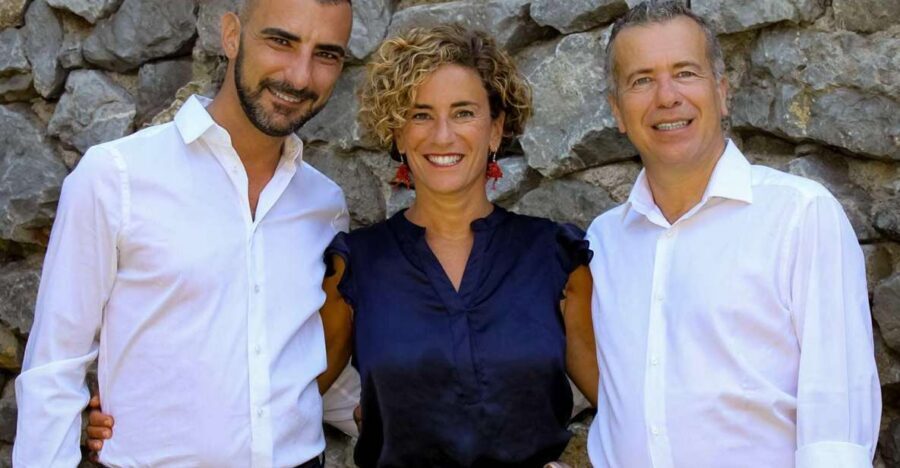
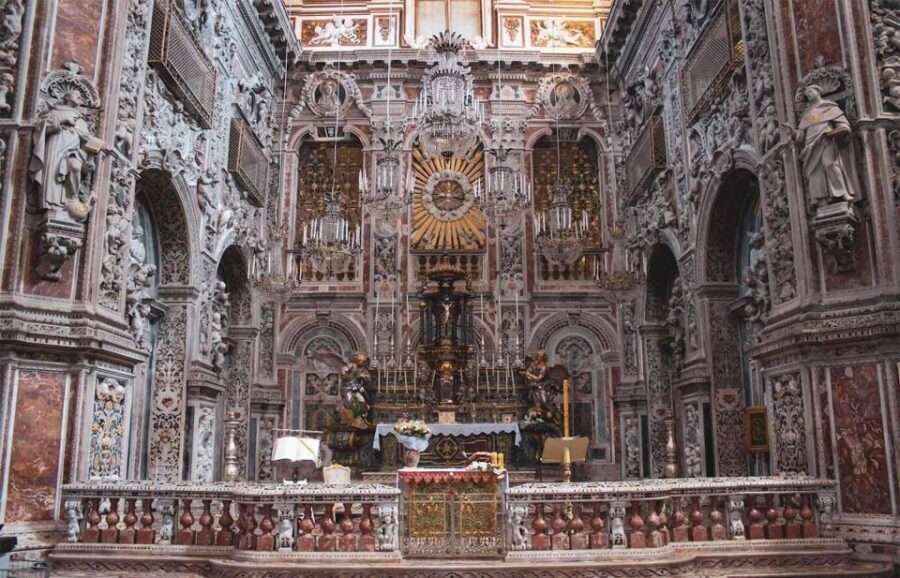
One of the nicest parts of this tour is that it gives you options. You’ll see the Royal Palace and the Cappella Palatina in the plan as potential add-ons, and you can choose entrance tickets during the tour. The price you’ll pay on site varies by day, with a range listed at about 15 to 20€ per person.
There’s also the Church Santa Caterina option, listed at 2€. Since ticketing is handled on site, your guide can help you decide what makes sense based on your interests and the pace of the day.
This “choose as you go” approach is practical. If you’re the type who loves interiors and wants more time inside, add the palace and chapel. If you prefer street-level Palermo over museum time, you can keep it focused on walking and guided exterior context.
You’ll also get skip the ticket line support for the included entrances you choose. That doesn’t eliminate wait times everywhere, but it usually helps you avoid the worst friction and keeps your 3-hour walk from turning into a ticket queue marathon.
Price and value: what $147.27 buys you in central Palermo
$147.27 per person for a 3-hour private walking tour is not “cheap,” but it is often fair value in cities where quality guides can make or break your experience. Here’s why this one can feel worth it:
- It’s private, so you’re paying for one-on-one time with a licensed guide, not for a seat in a bigger group.
- You get multiple major landmarks plus market and square areas, not just one highlight repeated on repeat.
- The tour supports several languages, which can protect the quality of your experience if you don’t want to guess what’s being said.
- Entrance upgrades are optional and purchased on site, so you don’t have to pay for parts you don’t want.
To make the math easy: the base tour covers the walk and guided components, while major optional entrances (Royal Palace and Palatine Chapel) come with an extra range of about 15 to 20€ each person, depending on the day. Church Santa Caterina is listed at 2€. Plan for the possibility that your final cost will go up if you say yes to indoor sites.
If you’re traveling as a couple or small group, private can start to feel like better value fast—especially on a day where you want guidance, not just sightseeing.
Who this Palermo private walking tour suits best
This tour fits especially well if you:
- Want a first proper look at central Palermo without doing “random wandering roulette.”
- Prefer a guide who can adjust the day to your interests.
- Like balancing big landmarks with everyday places like the Capo Market.
- Care about getting practical recommendations after the tour, not just facts during it.
It also works if you’re tight on time and want to cover a lot of ground in 3 hours without rushing every stop. Since you finish in a central spot (Quattro Canti), you’ll usually find it easier to continue on your own afterward.
If you hate walking or you’re trying to limit outdoor time, this may require careful pacing, since the plan is built around city-center movement and multiple stopovers.
Should you book Palermo Wonders?
I’d book it if you want a guided Palermo that feels personal rather than generic. The combination of private pacing, licensed guidance, and a route that mixes monuments with market-square life is a strong match for people who like understanding a place while still enjoying it.
Add it to your shortlist if you’re also the type who benefits from good “next steps.” A guide who can suggest what to do after you finish—sometimes even handling group dinner logistics—can make the whole trip smoother, not just more informative.
Skip it only if you’re sure you want a fully independent self-guided day and you don’t care about explanations, or if you know you’ll ignore optional entrances so you’d rather pay for your own schedule.
If you’re deciding between a quiet afternoon with guide help or a self-paced route, this one leans toward guide-led comfort. And in Palermo, that’s usually the better trade.
FAQ
How long is the Palermo private walking tour?
It lasts about 3 hours.
Where does the tour start?
You meet either at your hotel if it is in the city center or at the standard meeting point in front of the main entrance of Teatro Massimo.
What sites are included on the walk?
You’ll cover Teatro Massimo (photo stop), Capo Market (visit), Palermo Cathedral (guided tour), Quattro Canti (photo stop), Fontana Pretoria (photo stop), and Piazza Bellini (guided tour), finishing at Quattro Canti.
Are entrance tickets included?
Entrance tickets are not included. You can purchase tickets on site if you choose to visit the Royal Palace and Palatine Chapel, and you may also opt for Church Santa Caterina.
Is this tour private and in multiple languages?
Yes, it’s a private group, and it runs in German, English, Spanish, and Italian.
What’s the cancellation policy?
There is free cancellation up to 24 hours in advance for a full refund, and you can also reserve and pay later.