REVIEW · PALERMO
Guided tour of the historic center Palermo
Book on Viator →Operated by Sicily Guide Tourism · Bookable on Viator
Mosaics and markets in one 3.5-hour loop. This guided walk through Palermo’s historic center mixes UNESCO sights with everyday street life, ending inside the Capo Market among old-school stalls and fishmongers. I love how the route pairs La Martorana’s famous Byzantine mosaics with the sensory chaos of the market streets.
I like the small group size (up to 12), which keeps the pace comfortable and makes it easier to ask questions as you move. One consideration: access to the Martorana church interior depends on the day and time—it’s open Tuesday to Saturday morning, while Sunday lets you see it only from the entrance.
This is led by Sicily Guide Tourism, and the experience is especially strong when your guide is Alessia, a cultural heritage restorer who knows how to explain what you’re actually looking at (not just dates and names).
In This Review
- Key things I’d bet on
- Why Palermo’s old center works best with a guide
- Meeting at Quattro Canti and what “small group” really changes
- Capo Street Market: what you gain by going in the morning
- Palermo Cathedral: a free entry that’s worth your attention
- La Martorana (Santa Maria dell’Ammiraglio): Byzantine mosaics with timed access
- Santa Caterina d’Alessandria cloister: the calmer counterweight
- The Capo Market finish: ending where the city keeps going
- Price and value: what $40.64 buys you in real terms
- Practical details that affect your comfort
- Who should book this historic center walk
- Should you book? My straight answer
- FAQ
- How long is the guided historic center Palermo tour?
- What is the starting meeting point for the tour?
- Where does the tour end?
- How big is the group?
- Is there a mobile ticket?
- What is included in terms of church entry?
- Is the Palermo Cathedral ticket included?
- When can I access the Martorana interior?
- Is Santa Caterina d’Alessandria admission included?
Key things I’d bet on
- Capo Market in the morning: the market walk is part of the experience in the morning only, with time to eat there if you want
- Palermo Cathedral gets you inside for free: a major stop without an extra entry fee
- La Martorana is the star, but only on the right schedule: interior access is limited by opening days
- Small group pacing: max 12 people makes the walking and listening feel manageable
- Santa Caterina cloister + a Dolceria break: a calm pause after the busier market and churches
Why Palermo’s old center works best with a guide
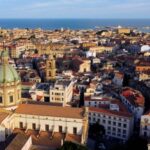
Palermo’s historic center can feel like it’s doing two things at once: performing big, dramatic art and doing plain daily life right next to it. That’s exactly why this tour fits well. In a few hours you get the Cathedral, La Martorana, and the Santa Caterina complex—then you shift into the market world where the city’s food culture is the “background music.”
The tour also ends in the Cape Market area, so you finish where Palermo actually eats and shops, not where it just looks pretty on a postcard. That matters if you’re trying to understand the city, not just photograph it.
And because the guide is tied to cultural restoration, you tend to get better “how to look” guidance. You’ll usually leave with a sharper sense of what’s original, what’s been preserved, and why certain details show up the way they do—especially at mosaics-focused stops like La Martorana.
You can also read our reviews of more guided tours in Palermo
Meeting at Quattro Canti and what “small group” really changes
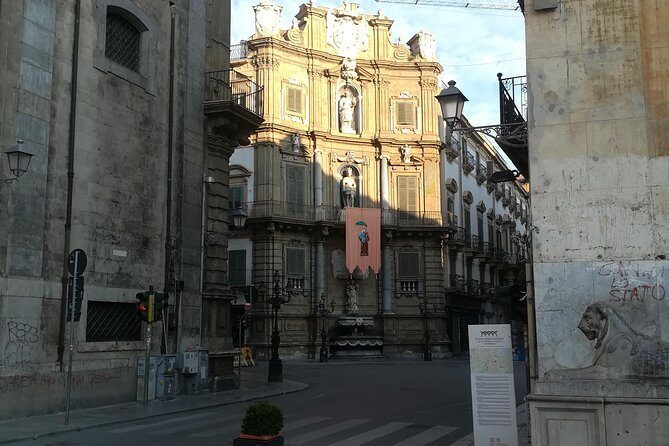
You start at Quattro Canti (Piazza Vigliena), in the area people use as a landmark point when they’re touring the center. The walk is city-walking, so being near public transport is useful—you can grab a bus or tram connection and not feel locked into a long taxi ride just to meet up.
Then the format does something practical: the tour caps at 12 travelers. With a small group, you’re less likely to get lost in a crowd when sidewalks narrow, and you can hear the guide without craning your neck the whole time. It also helps at the churches, where stopping quickly and regrouping matters.
If you’re a first-timer, this is a good size. If you’re traveling with friends and hoping for lots of individual wandering time, you should know the guide pacing will keep you moving between stops.
Capo Street Market: what you gain by going in the morning
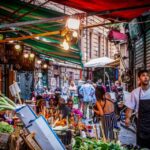
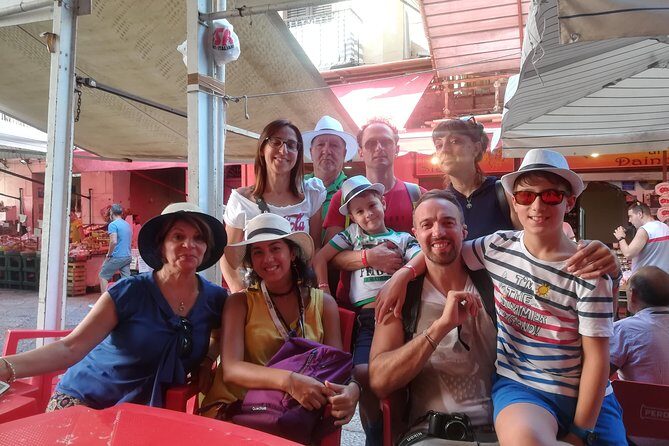
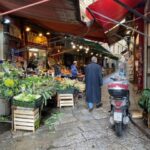
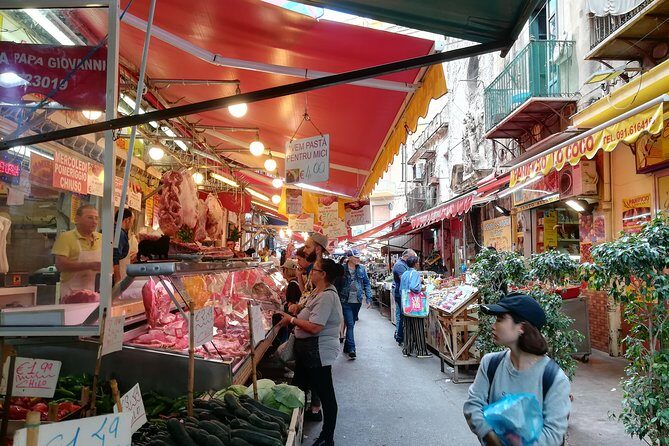
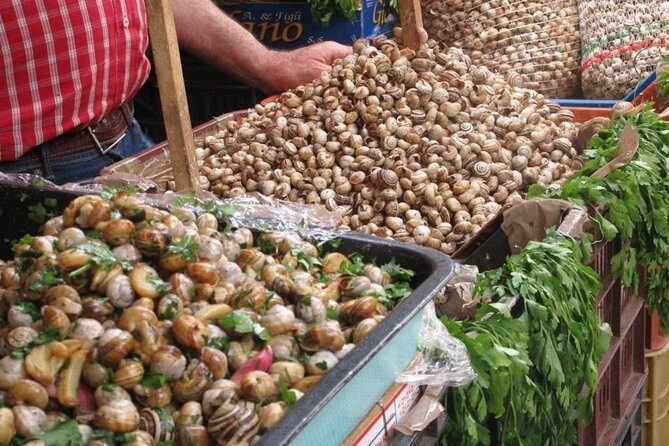
The tour begins with the Capo Street Market inside the Cape Market. This is where Palermo feels like Palermo: stalls, fryer-smell energy, and people doing normal life in historic surroundings. The experience is included only in the morning, so check your departure time before you assume you’ll automatically see the market portion.
The guide takes you through the market walk (with a ticket-free admission for this market stop), and there’s an option for lunch directly at the market. That can be a great move because it saves you from hunting for food after your churches—plus, you get to experience the city’s food rhythm while it’s still early.
Two small reality checks:
- Market streets can be tight. If you’re sensitive to crowds or you need extra space, keep that in mind.
- If you’re not planning to eat there, you still benefit from seeing how the market shapes the surrounding streets and daily flow.
Palermo Cathedral: a free entry that’s worth your attention
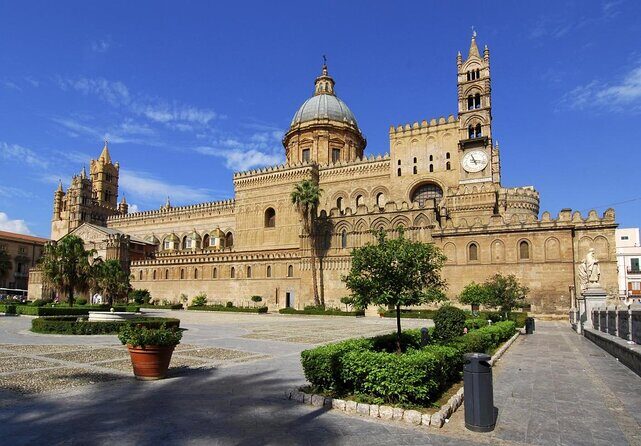
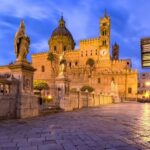
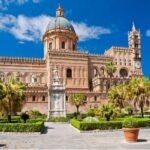
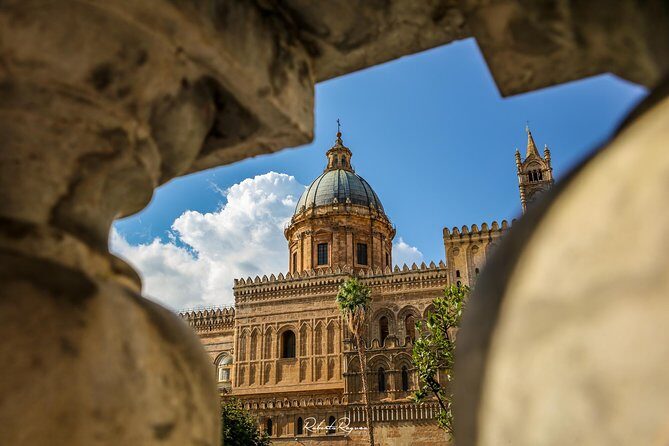
After the market, the route goes to the Cattedrale di Palermo (Palermo Cathedral). The guided time here is about 30 minutes, and the key point for your planning is simple: admission is free for this stop.
This is one of those places where a guide can change your experience. Without someone pointing things out, big cathedrals can blur into “very old building.” With a good explainer, you start connecting architectural choices to the city’s long, mixed identity—especially in Palermo, where styles didn’t evolve in neat, isolated steps.
The tour gives you enough time to see major sections while still keeping you moving. If you’re the type who loves lingering, you might want to add a self-guided hour later in the day—because the guided slot is designed to keep the whole tour running smoothly.
La Martorana (Santa Maria dell’Ammiraglio): Byzantine mosaics with timed access
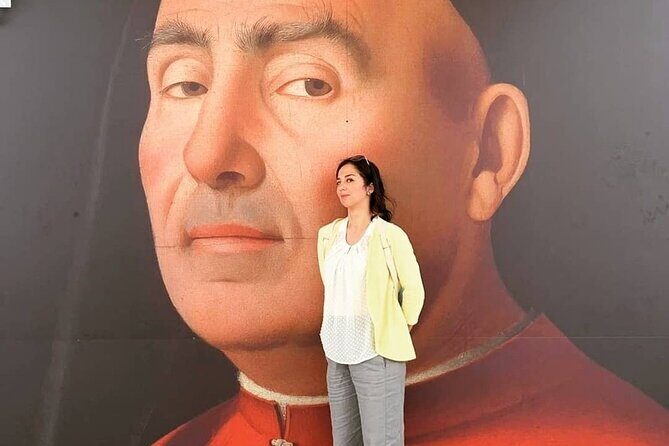
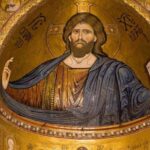
If you care about Christian art and visual symbolism, La Martorana is the stop you’ll probably remember most. The church is famous for its colorful Byzantine mosaics, and the tour includes admission here.
But the most important planning detail is schedule-based:
- It’s open Tuesday to Saturday morning for interior access.
- It’s closed in the afternoon.
- On Sunday morning, you can only view it from the entrance without interior access.
So, for your day planning, treat this as a “timed-ticket” experience even though you don’t buy tickets separately in the tour. If you’re traveling on a Sunday or you’re only available later in the day, you’ll still get the exterior view and the guided context, but you may miss the full mosaic experience inside.
This is also where a trained guide (like Alessia when she’s leading) is a big plus. Mosaics reward close looking. A guide helps you understand what you’re seeing—figures, patterns, and the logic of how the decoration is arranged—so you’re not just admiring color, you’re reading the artwork.
You can also read our reviews of more historical tours in Palermo
Santa Caterina d’Alessandria cloister: the calmer counterweight
Next up is the Church and Monastery of Santa Caterina d’Alessandria. The experience focuses on the cloister plus a short break at the ancient Dolceria di Santa Caterina.
Time here is shorter—around 15 minutes—and there’s an important cost note: the admission ticket for this stop is not included. That means you might pay an additional amount on-site if you want full access to the monastery area, depending on current rules and what’s open during your visit.
Why this stop is worth it? Because the cloister gives you a reset after the market’s energy and the churches’ visual intensity. Even if you don’t spend much time here, the contrast helps the rest of the tour “click.” You stop thinking of Palermo as one big noise-and-beauty machine and start recognizing how the city organizes its quiet places too.
The Capo Market finish: ending where the city keeps going
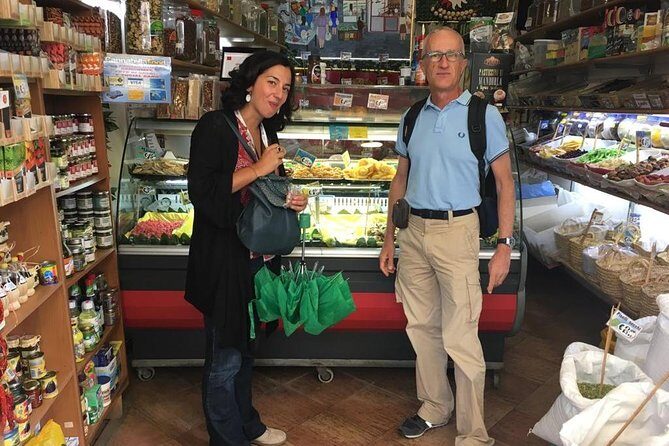
The tour ends at Casa Themis al mercato del Capo (in the Via Porta Carini area). In practical terms, it means you finish near the Capo Market itself, among stalls and older fish counters.
This ending strategy is smart for two reasons:
- You don’t have to immediately change plans to find food or keep your day moving.
- You leave with a mental map of the area, which makes it easier to come back later on your own.
If you want to keep going after the tour, this is the time to do it while the streets still feel “connected” rather than jumping into a totally new part of town.
Price and value: what $40.64 buys you in real terms
The price is $40.64 per person for roughly 3 hours 30 minutes of guided walking. On the surface, that’s not the cheapest way to tour the center. But when you translate it into what’s included, the math starts to make more sense.
Here’s what stands out:
- La Martorana admission is included (this is typically the costlier ticketed moment on this route)
- Palermo Cathedral is free for the guided visit
- Capo Market admission is free for the included market walk
- You’re paying mostly for expert guiding time—someone who can connect the art and architecture to the city’s identity while moving you efficiently between stops
The only extra potential cost you might face is Santa Caterina admission not included. That’s not a deal-breaker, but you should mentally budget for at least one optional ticket during the route.
Also, group size helps value. With a max of 12 people, you get a more personal experience than with huge buses of tourists, and that tends to improve your ability to actually learn and enjoy.
Practical details that affect your comfort
This is a walking-heavy historic-center route. You should plan for uneven sidewalks and a lot of “stop, look, move” rhythm, which is why the tour asks for moderate physical fitness.
A few practical tips I’d follow:
- Wear comfortable shoes. Churches and markets both mean standing and walking, not just looking.
- Bring water if it’s warm. You’re outside a fair amount.
- If your main goal is mosaics inside La Martorana, plan around Tuesday–Saturday morning for the best access.
- If you’re on Sunday, expect the interior access limitation. You can still get context, but your viewing is more restricted.
The tour also uses a mobile ticket, so have it ready on your phone at the start.
Who should book this historic center walk
This tour is a strong match if:
- You want a first-time Palermo overview that doesn’t treat the city like a checklist
- You like history, art, and architecture, but you also want the market streets experience
- You prefer a small group format and don’t want to get swept along
- You want a guide who can explain more than just names and dates (Alessia’s communication style tends to be a major part of why people recommend her)
It may be less ideal if:
- You can only do Sunday and you strongly need interior access to La Martorana
- You want long free time at each stop instead of a structured route
- You’re hoping for private transportation (it’s not included, though the meeting area is near public transit)
Should you book? My straight answer
Yes, you should book it if your time in Palermo is limited and you want the “best first loop”: market energy, a major cathedral, then the mosaic highlight. The price feels fair for what you actually get, especially because La Martorana admission is included and the guided explanation is the real differentiator.
If your dates don’t line up with La Martorana opening hours, book anyway but go in with the right expectation. You’ll still walk the historic streets with a proper guide, but you might not get the full inside view of the mosaics on Sunday.
In short: this is a smart, efficient way to see the center without missing the story.
FAQ
How long is the guided historic center Palermo tour?
It lasts about 3 hours 30 minutes.
What is the starting meeting point for the tour?
The start is at Quattro Canti, Piazza Vigliena, 90133 Palermo PA, Italy.
Where does the tour end?
It ends at Casa Themis al mercato del Capo (Airbnb), Via Porta Carini, 37, 90134 Palermo PA, Italy.
How big is the group?
The tour has a maximum of 12 travelers.
Is there a mobile ticket?
Yes, the experience uses a mobile ticket.
What is included in terms of church entry?
The Martorana church (Santa Maria dell’Ammiraglio) is included.
Is the Palermo Cathedral ticket included?
The Cathedral of Palermo has free admission for the guided stop.
When can I access the Martorana interior?
The church is open Tuesday to Saturday morning. On Sunday morning you can only see it from the entrance without entering the interior, and the afternoon is closed.
Is Santa Caterina d’Alessandria admission included?
No. The admission ticket for the Church and Monastery of Santa Caterina d’Alessandria is not included.