REVIEW · PALERMO
Palermo: Norman Palace and Palatine Chapel Tour with Tickets
Book on GetYourGuide →Operated by Towns of Italy · Bookable on GetYourGuide
Golden mosaics and Norman power in one visit. This guided walk through Palazzo dei Normanni and the Palatine Chapel includes tickets and skip-the-line entry, so you can focus on the art and the big story behind it.
I love the skip-the-line setup, because crowds can slow you down at this site and you avoid the usual ticket-office shuffle. I also love how the guide ties the palace’s changing rulers to what you see, especially in the Cappella Palatina.
One possible drawback: the visit is only about 1.5 hours, so if certain rooms aren’t open on the day, you may not get the full sweep of the palace apartments.
In This Review
- Key things to notice on this Palermo palace tour
- Entering Palazzo dei Normanni fast (and what to do right away)
- The Norman Palace story: 9th-century Sicily to a royal seat
- Cappella Palatina on the second floor: mosaics, gold, and mixed cultures
- What if parts of the palace are closed? Managing expectations
- The gardens: Palermo’s quiet pause inside the complex
- How the guide experience shapes the whole visit
- Price and time: is $82 for 1.5 hours good value?
- Who this tour suits best (and who should plan differently)
- Should you book the Norman Palace and Palatine Chapel tour?
- FAQ
- How long is the Palermo Norman Palace and Palatine Chapel tour?
- Where do I meet the tour guide?
- Are the tickets included for Palazzo dei Normanni and the Palatine Chapel?
- Does the tour include skip-the-line entry?
- What language is the tour guide speaking?
- Is hotel pickup or drop-off included?
- Is the tour wheelchair accessible?
- What parts of the complex does the tour cover?
- What’s included in the price besides the guide?
- Can I get a refund if my plans change?
Key things to notice on this Palermo palace tour
- Skip-the-line access via a separate entrance keeps the clock on your side
- Palazzo dei Normanni’s nonstop importance: it’s not just a museum, it still functions as Sicily’s assembly seat
- A clear cultural “mix” you can actually see: Islamic design, Byzantine mosaics, and gold decoration inside the chapel
- Photo stops are built in so you’re not sprinting between highlights
- Gardens as a reset button when Palermo’s streets get loud
- Guides matter a lot, and you’ll see repeat praise for storytellers like Renata, Fabio, and Enrico in the experience style
Entering Palazzo dei Normanni fast (and what to do right away)
Palazzo dei Normanni is one of those places where the building already tells you to slow down. Even before you step inside, the size of the complex and the ceremonial feel of the setting make it obvious why Palermo’s rulers cared so much about this spot.
You meet your guide at the main entrance, and the tour is set up to get you moving without wasting time. If you’ve ever gotten stuck hovering near the wrong ticket desk, take this as your reminder: go toward the entrance your guide is using, not the area that’s trying to sell add-ons.
Because the duration is about 1.5 hours, the tour is paced to hit the two big wins without turning into a marathon. Think of it as the best intro possible: enough time to understand what you’re looking at, but not so long that you start zoning out.
You can also read our reviews of more tours and experiences in Palermo
The Norman Palace story: 9th-century Sicily to a royal seat
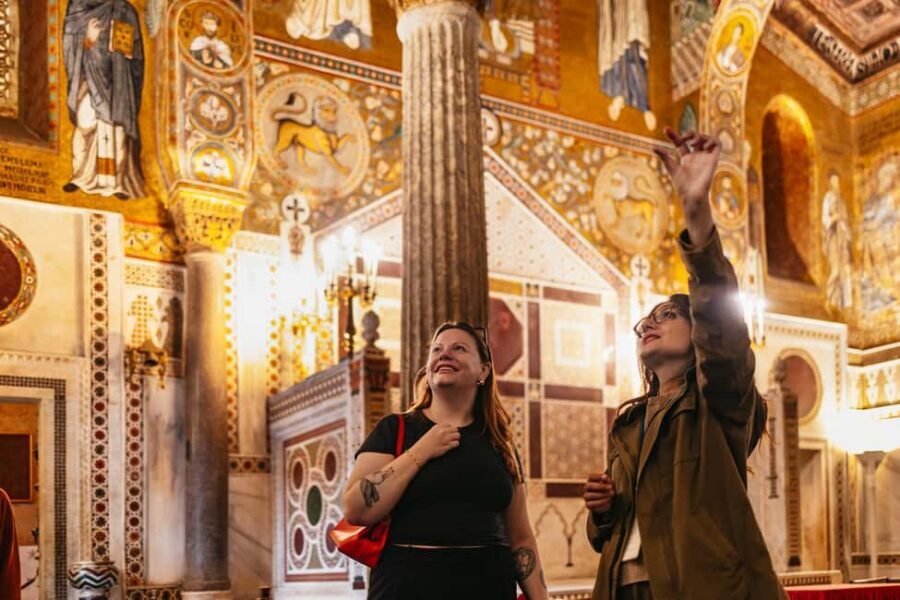
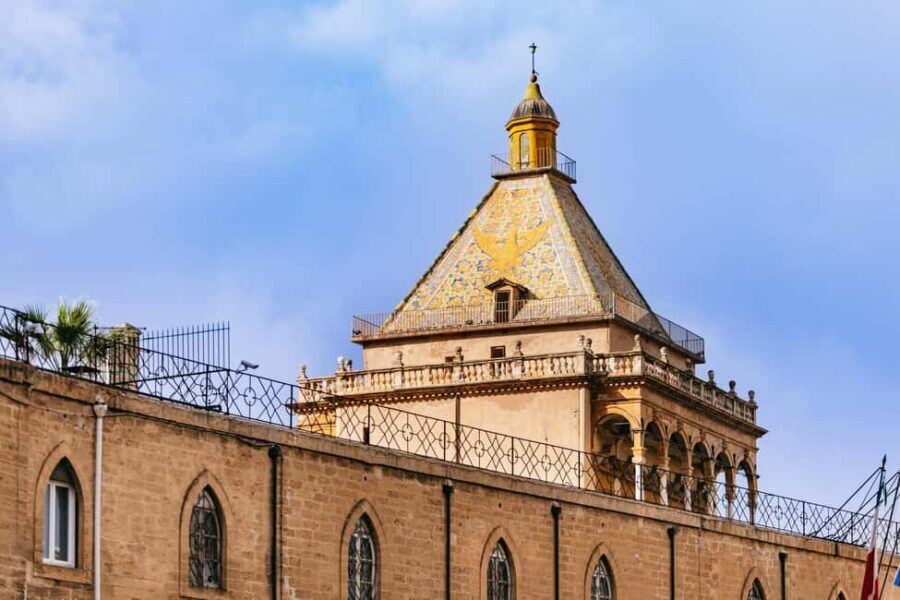
The tour centers on the Palazzo dei Normanni complex, which also means you’re not just looking at one “style” of power. You’re watching history layer over history on the same ground, from early Islamic rule through Norman control and onward.
One thing I really like about this kind of guided visit is that it gives you a mental map. The guide explains how the palace’s story traces back to the time when Sicily was under Islamic rule and then how the Normans took control in 1072, expanding their influence across Europe. That timeline matters, because later, the chapel’s artwork doesn’t feel random. It feels like the next page in the same book.
You’ll also learn why the palace still matters today. Right now, Palazzo dei Normanni is the home of the Sicilian Regional Assembly, so the complex is alive with purpose, not frozen behind velvet ropes. That mix of old and present-day use adds weight to the visit, especially when you hear the cultural “why” behind the architecture.
As you move through the palace areas, you’re essentially learning how the building functioned for different rulers. Even if you don’t catch every detail, you’ll come away with a working sense of how this complex served as a seat of authority for centuries, then shifted into modern civic life.
Cappella Palatina on the second floor: mosaics, gold, and mixed cultures
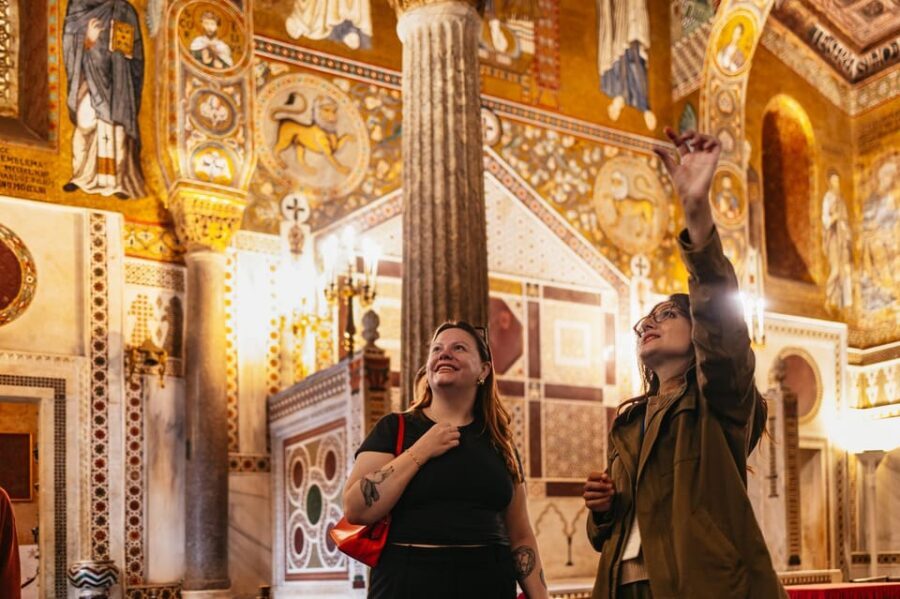
The Palatine Chapel is the headline for a reason. It’s on the second floor, and once you’re inside, the feeling changes from grand palace to concentrated art space.
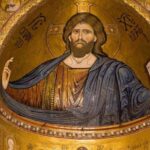
Here’s what makes this chapel special: the guide breaks down the way different civilizations left their fingerprints. You’ll see traditional Islamic designs, Byzantine mosaics, and golden decoration that all show up in the same visual program. The point is not that one culture “won.” The point is that Palermo learned to blend, at least in its art.
The tour frames the chapel as more than decoration. You’re given context about the era’s arts, science, and philosophy across Western and Middle Eastern cultures. That explanation helps you look longer, because it gives the imagery a job to do, not just a pretty surface.
A practical tip: plan to spend a little extra time on the chapel interior photos, but don’t block the flow. With a 1.5-hour tour, your guide is trying to keep everyone moving, so take your pictures during the photo stop moments and be ready when the guide calls you back in.
If you’re the type who loves details, you’ll likely enjoy how the guide points out patterns and symbolism tied to the mixed cultural sources. If you just want to be impressed, you’ll still get that. This chapel hits both styles of visitor.
What if parts of the palace are closed? Managing expectations
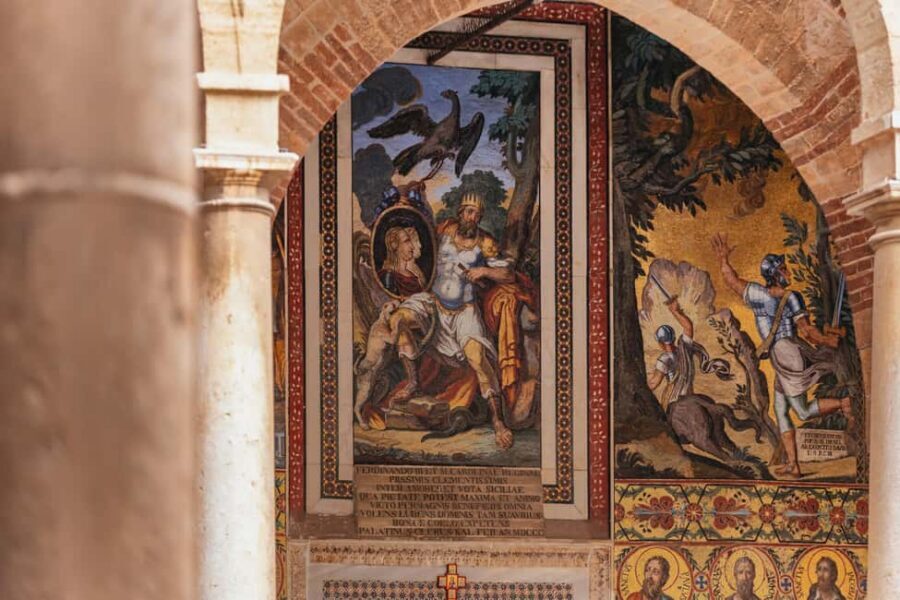
Because the palace is complex and still used for official purposes, conditions can vary. In the experience you’re buying here, you’re promised the palace complex and the chapel, but there’s a real-world chance that certain areas (like some royal chambers) may be closed on the day of your visit.
That doesn’t automatically ruin the tour, because the chapel and the main palace areas are still the core. It does mean you should treat this as a highlight-focused introduction, not a promise to see every room in the entire building.
My advice: if seeing every palace room is your goal, pair this tour with a little independent time later. If you just want the best parts explained clearly, this structure makes a lot of sense.
The gardens: Palermo’s quiet pause inside the complex
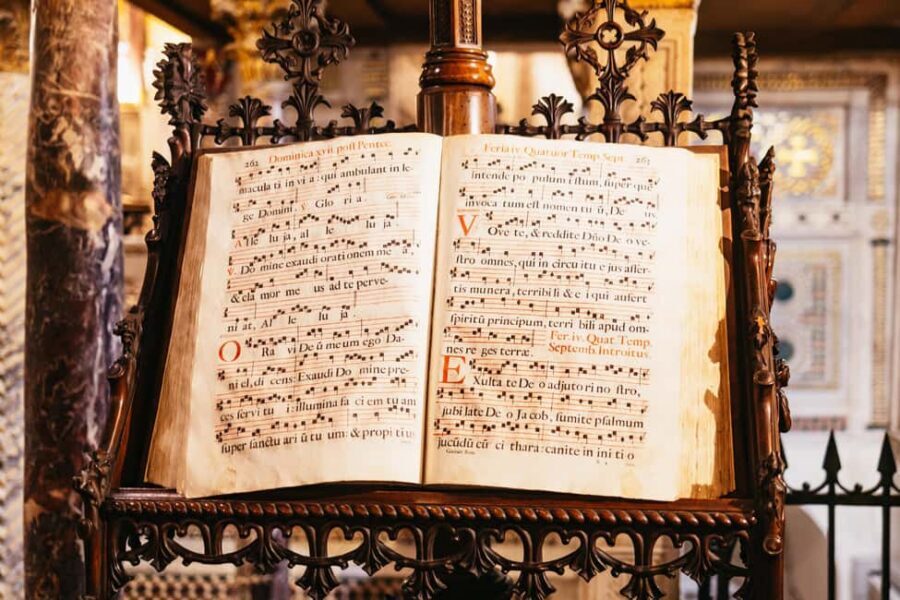
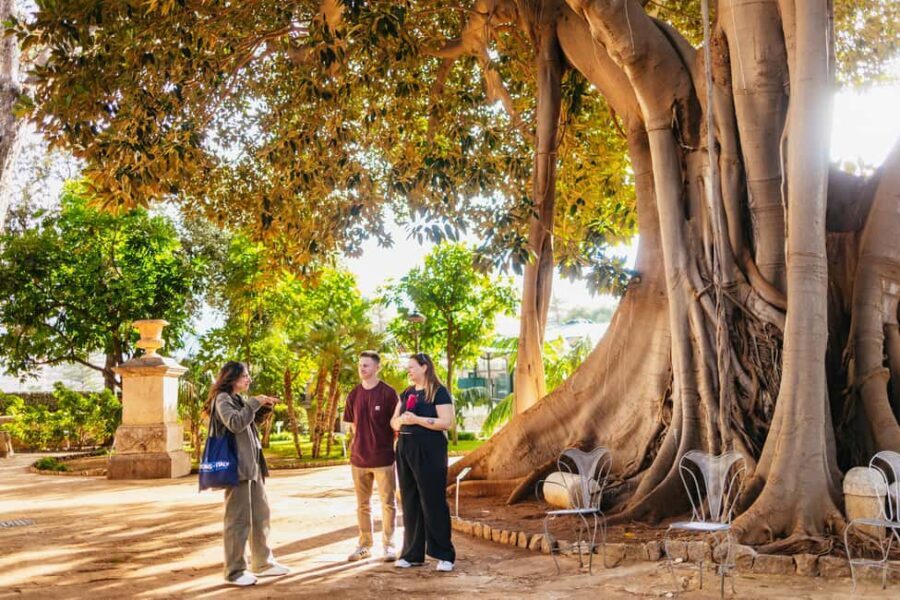
One of the nicest surprises in this kind of palace tour is the change of pace. After you’ve been in the palace and chapel spaces, the gardens give you somewhere calmer to reset.
The tour includes time to discover the gardens as part of the Palazzo dei Normanni complex. That matters because Palermo can feel intense once you’re in the streets. A garden pause inside a historical site is a good way to keep your energy up for the rest of your day, and it gives you better photos too.
Don’t rush this part. Even a short stroll helps you absorb the scale of the complex. It also gives your brain a break from mosaics and ornament before you head back into the city.


How the guide experience shapes the whole visit
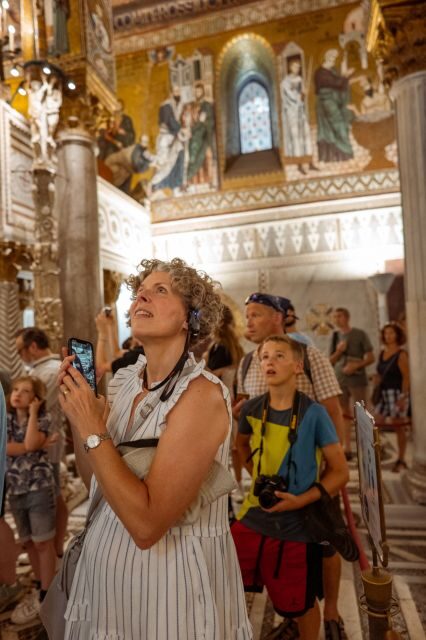
At 90 minutes, the guide isn’t a nice-to-have. They’re the difference between seeing something and actually understanding it.
Across the experience’s many guide performances, you’ll see a strong pattern: guides are praised for making the palace and chapel easy to follow, with explanations that move at a good pace. Names that come up again and again in the experience style include Renata, Fabio, Enrico, Renata again, and Deborah, plus others like Valeria, Liviana, Stefania, and Simon/Simone.
You’ll also want to pay attention to how your guide handles questions. Some guides are especially good at answering in a way that doesn’t leave beginners behind, while still respecting the detail lovers in the group. That’s a big deal when you’re learning a site with overlapping Islamic, Byzantine, and Norman themes.
One more practical note: in some groups, you may find headsets are used, which makes it much easier to hear the guide in spaces that get echo-y. Even if you don’t get headsets, you can still expect spoken explanations designed to be heard clearly.
Price and time: is $82 for 1.5 hours good value?
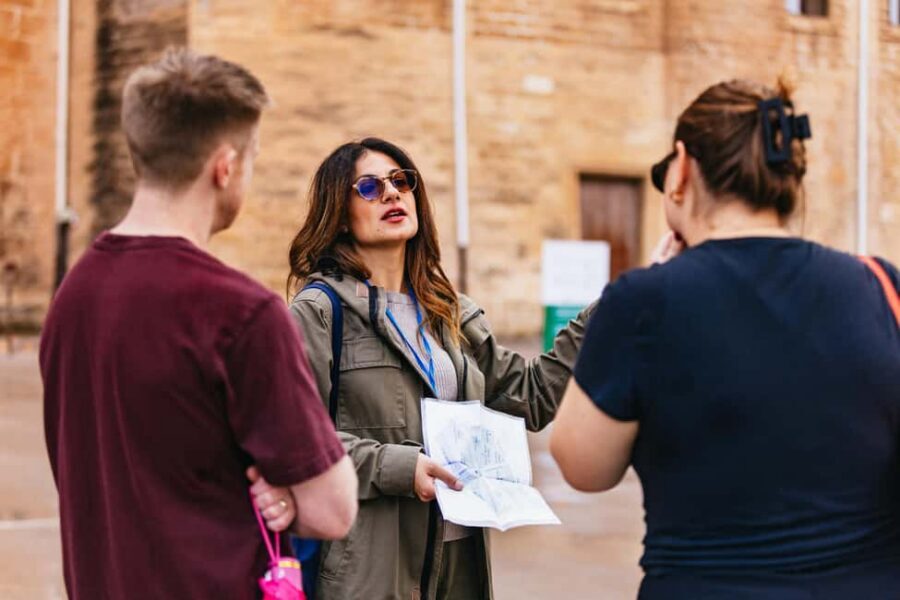
At $82 per person for about 1.5 hours, you’re paying for three things at once: a live English guide, entry tickets, and skip-the-line access through a separate entrance.
Is it expensive? It can feel like it, especially if you’re the type who usually grabs tickets and goes alone. But when you add it up, you’re not just buying access. You’re buying an explanation you’d struggle to assemble on your own in the time available.
This is one of those tours where the value depends on your interest level in context. If you like art and history connections, you’ll feel like the time disappears—in a good way—because the guide turns the chapel from stunning to meaningful.
If you only want casual sightseeing, this might feel pricey compared with a do-it-yourself visit. Still, at this palace complex, the guided pacing is a real advantage because the site is big and the story is layered.
Who this tour suits best (and who should plan differently)
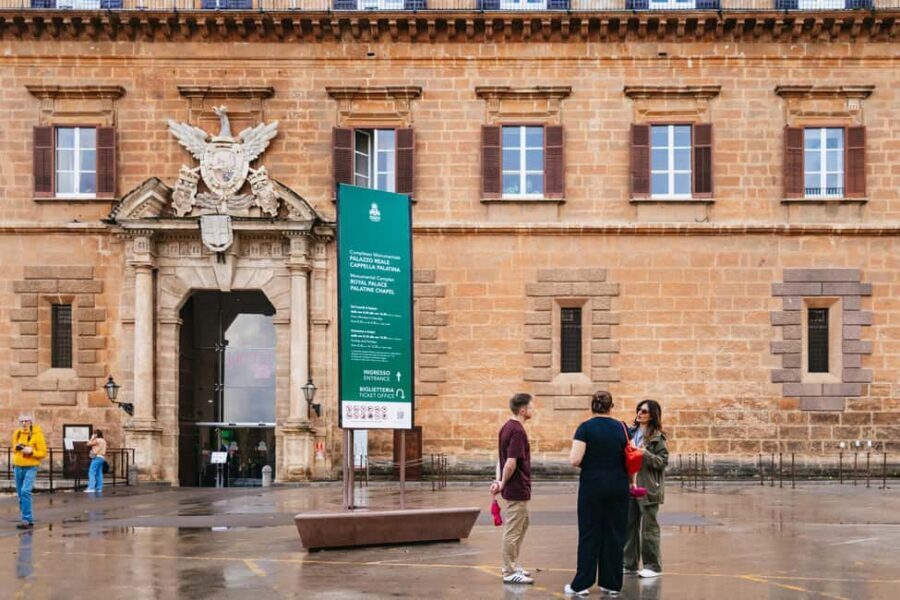
This works especially well if you want:
- a strong first visit to Palermo’s palace highlights
- a guided explanation of the Palatine Chapel mosaics and designs
- a short, focused outing that doesn’t swallow your whole day
It’s also a smart pick for people who don’t want to guess what to pay attention to. With only 1.5 hours, a guide helps you avoid the common trap of admiring details without understanding the bigger connections.
If you’re traveling with someone who gets bored with lectures, choose a guide-timed tour like this anyway, but set expectations: you’re there for art history storytelling. The good news is the chapel is so visually dramatic that even the explanation has a natural anchor.
Should you book the Norman Palace and Palatine Chapel tour?
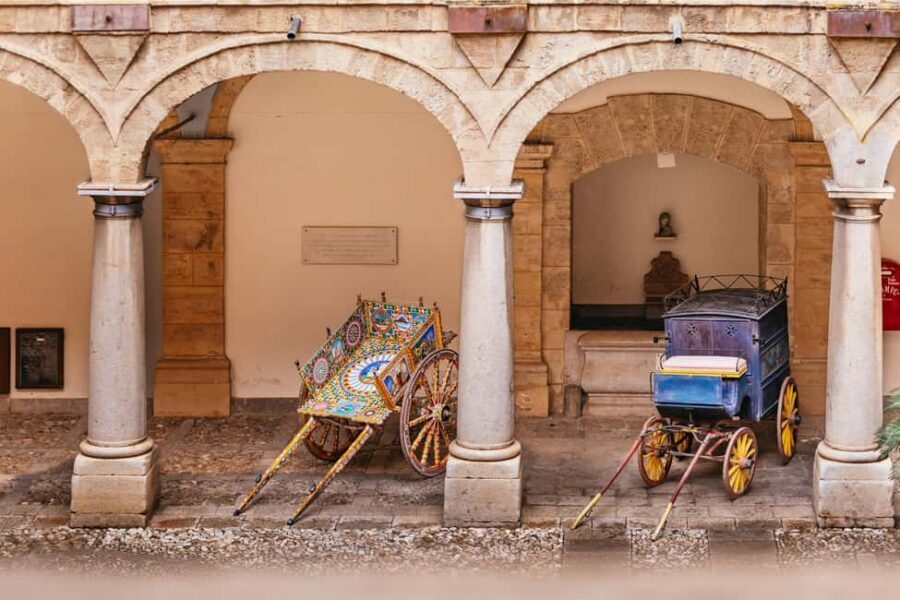
I think you should book if you want the best version of your time. This is a tight, ticketed tour that hands you the palace’s main story, then drops you into the chapel where Islamic design, Byzantine mosaics, and gold decoration work together in one place.
Book it if you like learning while you look. With praised guides such as Renata, Fabio, and Enrico, you’re more likely to get clear, organized explanations rather than a generic walk-through.
Skip booking only if you’re strictly self-guided, you’re allergic to paying for interpretation, or you’re planning to spend lots of extra hours in the palace complex afterward anyway. In most cases, paying for the guide here is what turns a beautiful building into a memorable one.
FAQ
How long is the Palermo Norman Palace and Palatine Chapel tour?
It lasts about 1.5 hours.
Where do I meet the tour guide?
Meet your guide in front of the main entrance to the Palazzo dei Normanni.
Are the tickets included for Palazzo dei Normanni and the Palatine Chapel?
Yes. Entry tickets for the palace complex (including the chapel and gardens) are included.
Does the tour include skip-the-line entry?
Yes. You use a separate entrance for quicker access.
What language is the tour guide speaking?
The live tour guide provides the tour in English.
Is hotel pickup or drop-off included?
No. You’ll need to make your own way to the meeting point.
Is the tour wheelchair accessible?
Yes, it is listed as wheelchair accessible.
What parts of the complex does the tour cover?
You’ll visit the Palazzo dei Normanni complex and the Palatine Chapel, with time that includes photo stops and a guided walkthrough.
What’s included in the price besides the guide?
Besides the guide, your ticket includes entry to the Palazzo dei Normanni complex (palace, gardens, and Cappella Palatina).
Can I get a refund if my plans change?
Yes. Free cancellation is available up to 24 hours in advance for a full refund.